

Commentary
Jamie Kwong, Toby Dalton
{
  "authors": [
    "Toby Dalton"
  ],
  "type": "legacyinthemedia",
  "centerAffiliationAll": "dc",
  "centers": [
    "Carnegie Endowment for International Peace"
  ],
  "collections": [
    "Korean Peninsula",
    "Future of Arms Control"
  ],
  "englishNewsletterAll": "ctw",
  "nonEnglishNewsletterAll": "",
  "primaryCenter": "Carnegie Endowment for International Peace",
  "programAffiliation": "NPP",
  "programs": [
    "Nuclear Policy"
  ],
  "projects": [],
  "regions": [],
  "topics": []
}
REQUIRED IMAGE
The consolidation of nuclear and missile capabilities by North Korea points to the need for a new strategy to mitigate the potential for conflict: to pursue progress toward peace and denuclearization simultaneously.

Senior Fellow and Co-director, Nuclear Policy Program
Toby Dalton is a senior fellow and co-director of the Nuclear Policy Program at the Carnegie Endowment. An expert on nonproliferation and nuclear energy, his work addresses regional security challenges and the evolution of the global nuclear order.
Recent Work

Jamie Kwong, Toby Dalton

Ariel (Eli) Levite, Toby Dalton
Carnegie does not take institutional positions on public policy issues; the views represented herein are those of the author(s) and do not necessarily reflect the views of Carnegie, its staff, or its trustees.
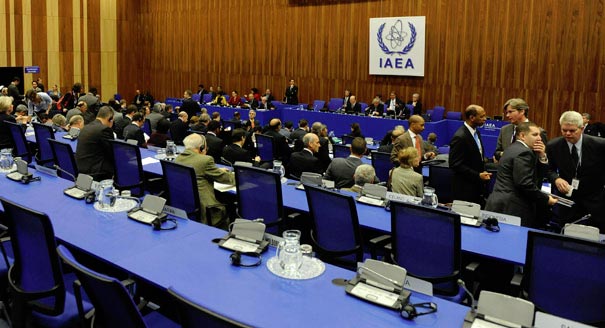
One topic of discussion at the upcoming five-year treaty Review Conference meeting in Vienna will be how best to universalize the Additional Protocol for safeguards among the 185 non-nuclear-weapon states Party to the Treaty.

Mark Hibbs
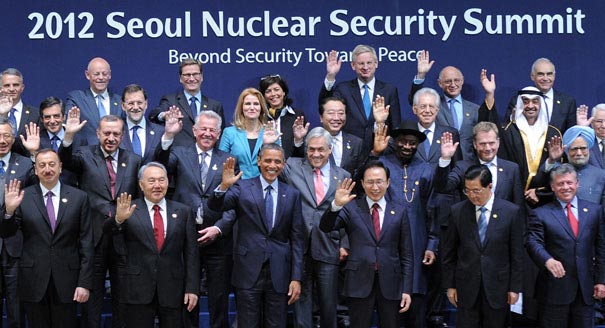
With anxieties over the nuclear activities of North Korea and Iran looming large, heads of state from 53 countries convened in Seoul this week to reaffirm and intensify their commitment to prevent nuclear materials from getting into the hands of terrorists.
Mark Hibbs
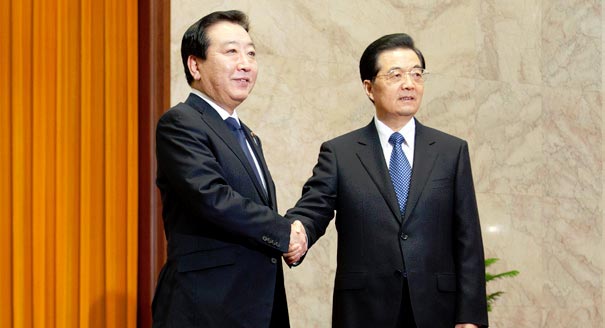
The second Nuclear Security Summit in Seoul in March 2012 provides an opportunity for China, Japan, and the Republic of Korea to develop concrete cooperation on nuclear security.
Li Bin

The cumulative impact of the nuclear developments that occurred in 2012, from the disaster in Fukushima to Iran's continuing nuclear program, will make the world's nuclear future more uncertain.
Mark Hibbs
Differing views between Russia and NATO on issues such as missile defense and Georgian membership in NATO should not inhibit cooperation on steps toward further nuclear disarmament and nonproliferation.
Pierre Goldschmidt