

Commentary
Matt Sheehan
{
  "authors": [
    "Matt Sheehan"
  ],
  "type": "commentary",
  "centerAffiliationAll": "dc",
  "centers": [
    "Carnegie Endowment for International Peace"
  ],
  "collections": [
    "Dynamic Technology Risks in Asia",
    "China and the World"
  ],
  "englishNewsletterAll": "asia",
  "nonEnglishNewsletterAll": "",
  "primaryCenter": "Carnegie Endowment for International Peace",
  "programAffiliation": "AP",
  "programs": [
    "Asia"
  ],
  "projects": [
    "Carnegie China AI Initiative"
  ],
  "regions": [
    "United States",
    "China"
  ],
  "topics": [
    "Technology"
  ]
}
Source: Getty
And what the United States must to do retain its competitiveness.
Conventional wisdom often suggests that technological breakthroughs proliferate in an environment of free markets, free speech, and democracy. In short, if you want to innovate, you need to operate like the United States. But over the past twenty years, China has transformed from a technological backwater into an innovation powerhouse.
Today, China directly competes with the United States on key emerging technologies, such as artificial intelligence and quantum computing. And it has managed to accomplish this feat even as its government has tightened controls on markets, speech, and politics.
In this video, I argue that three main factors have turbocharged China’s rise as a technological powerhouse: a large, semi-protected market; ties with researchers and companies around the world; and waves of financial, human, and physical capital invested in promising fields like AI. To keep the United States competitive, Washington should explore certain elements of China’s strategy, including a willingness to experiment with pro-innovation policies and an ability to accept a certain amount of “waste” when catalyzing technological upgrading.
More on China and technology:

Senior Fellow, Asia Program
Matt Sheehan is a senior fellow at the Carnegie Endowment for International Peace, where his research focuses on global technology issues, with a specialization in China’s artificial intelligence ecosystem.
Recent Work
Matt Sheehan

Scott Singer, Matt Sheehan
Carnegie does not take institutional positions on public policy issues; the views represented herein are those of the author(s) and do not necessarily reflect the views of Carnegie, its staff, or its trustees.

Autonomous AI agents are increasingly prevalent in cyberspace. The EU needs a real-time monitoring strategy, to invest in AI defenses, and to reduce its strategic dependence on U.S. frontier models.


Raluca Csernatoni, Patryk Pawlak

When Giorgia Meloni very publicly rebuked Donald Trump’s disparaging remarks about her, it surprised many who saw her as a European extension of Trumpism. Is the spat a sign of trouble in the radical right’s transatlantic axis?

Rym Momtaz, ed.
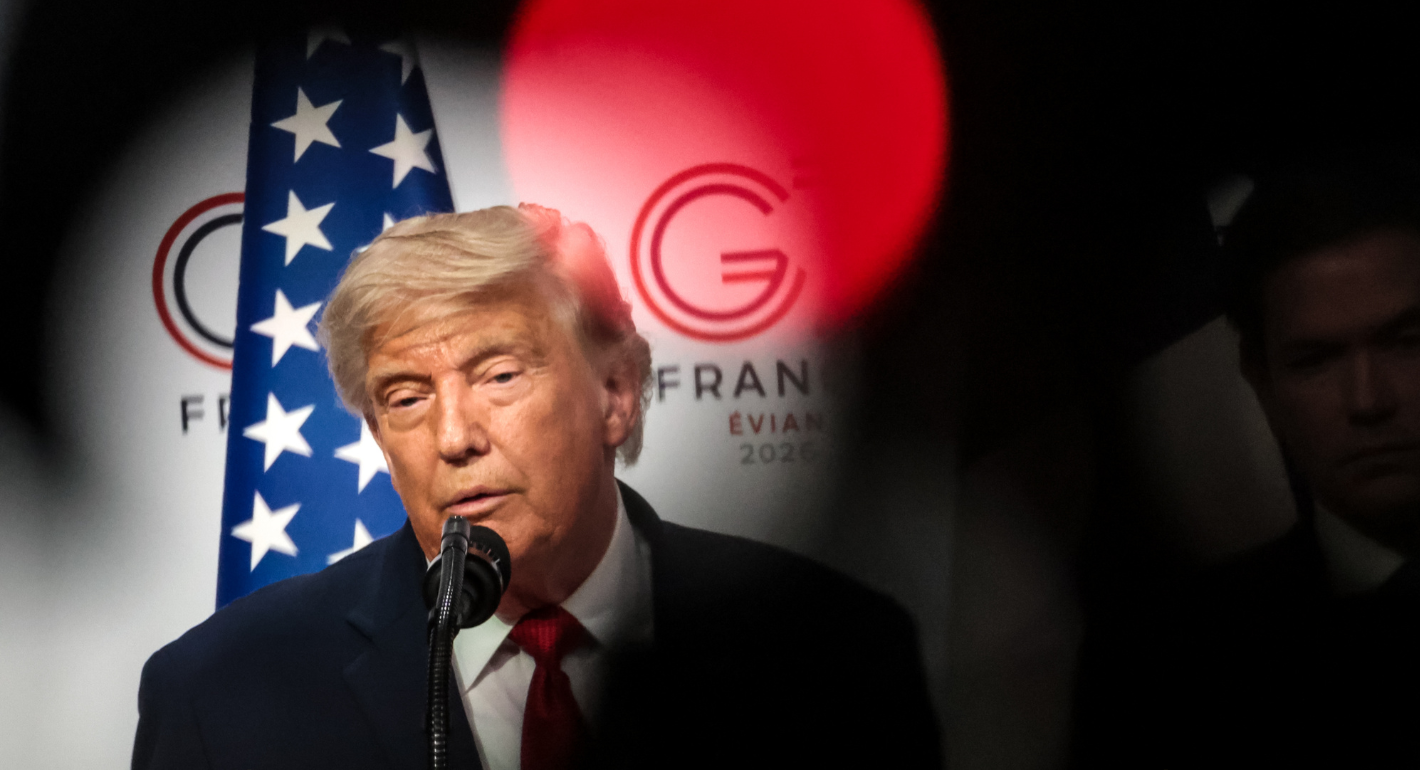
There is an elephant in the room when it comes to the EU’s upcoming security strategy: Donald Trump. Unless European leaders acknowledge the depth of the transatlantic crisis, true autonomy will remain out of reach.

Stefan Lehne
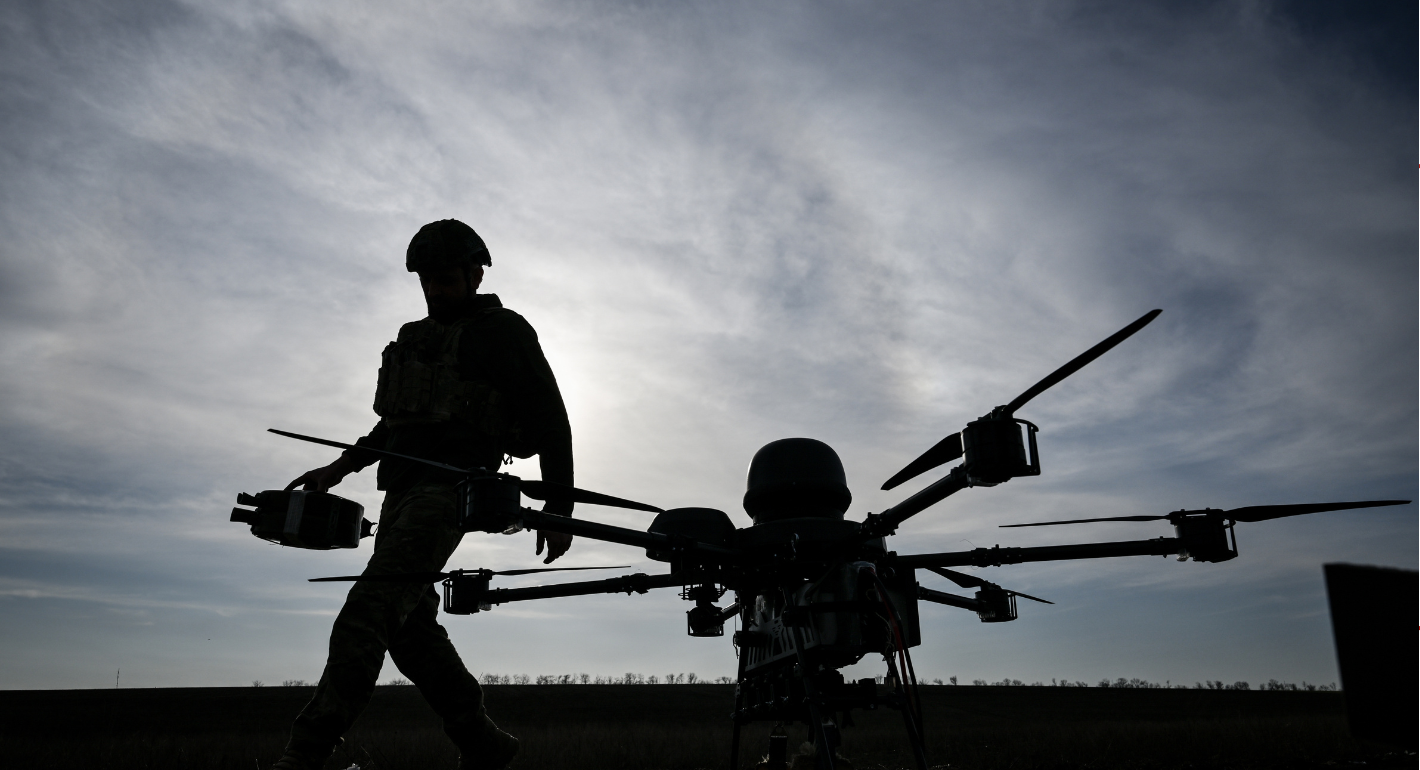
Defense tech innovations will be at the heart of Europe’s new security strategy. But so far, Brussels has been making moves without a broader plan, undermining readiness and credibility.
Raluca Csernatoni

When the U.S.-Iran memorandum of understanding was announced, the UK, France, Germany, and Italy declared their readiness to help demine the Strait of Hormuz and lift nuclear sanctions on Tehran. But does Europe need new tools to recover a diplomatic role?
Rym Momtaz, ed.