

Article
Thomas Carothers
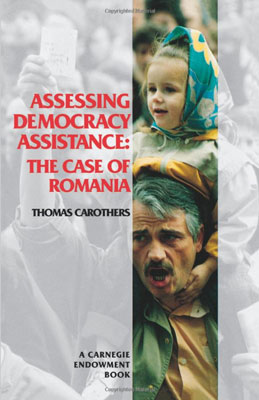
This landmark study, an examination of U.S. democracy assistance efforts in Romania, is the first comprehensive analysis of the workings—and failings—of U.S. democracy assistance in one country.
Source: Washington

This landmark study, an examination of U.S. democracy assistance efforts in Romania, is the first comprehensive analysis of the workings—and failings—of U.S. democracy assistance in one country. Based on the author's extensive field research, the study provides widely applicable answers to key questions about the value, strategies, methods, and future of such assistance.
“This is a thoughtful account of how projecting the values of one culture into another for the best of motives can go wrong, and it deserves to be read by all those committed to seeing East Europeans enjoying the life chances and liberties that we take for granted in the Atlantic democracies.”
—Europe–Asia Studies

Harvey V. Fineberg Chair for Democracy Studies; Senior Fellow, Democracy, Conflict, and Governance Program
Thomas Carothers, a senior fellow in the Carnegie Endowment for International Peace’s Democracy, Conflict, and Governance Program, is a leading expert on comparative democratization and international support for democracy.
Recent Work
Thomas Carothers
Thomas Carothers
Carnegie does not take institutional positions on public policy issues; the views represented herein are those of the author(s) and do not necessarily reflect the views of Carnegie, its staff, or its trustees.

Before the next wave of EU enlargement takes place, the union needs to grapple with thorny questions of how power is distributed among its members.


Emil Sondaj Hansen, Ditte Brasso Sørensen

A summer of escalation in the Black Sea has hurt Ukraine economically and is exacerbating world food security. A truce is needed—as is a broader reframing of Europe’s Ukraine strategy.

Thomas de Waal

Mounting economic strain and battlefield losses will not necessarily make the Kremlin less dangerous. They could instead push Moscow toward a more aggressive hybrid campaign designed to test NATO’s Eastern flank, exploit allied hesitation, and fracture European resolve.


Maksym Beznosiuk, Robert Benson

As the EU confronts profound challenges, several leaders have called for fundamental reform to the union’s model—but only modest, superficial changes have resulted. What if Europe really could be reimagined from zero today: What should such a redesigned European order look like?

Richard Youngs, ed.
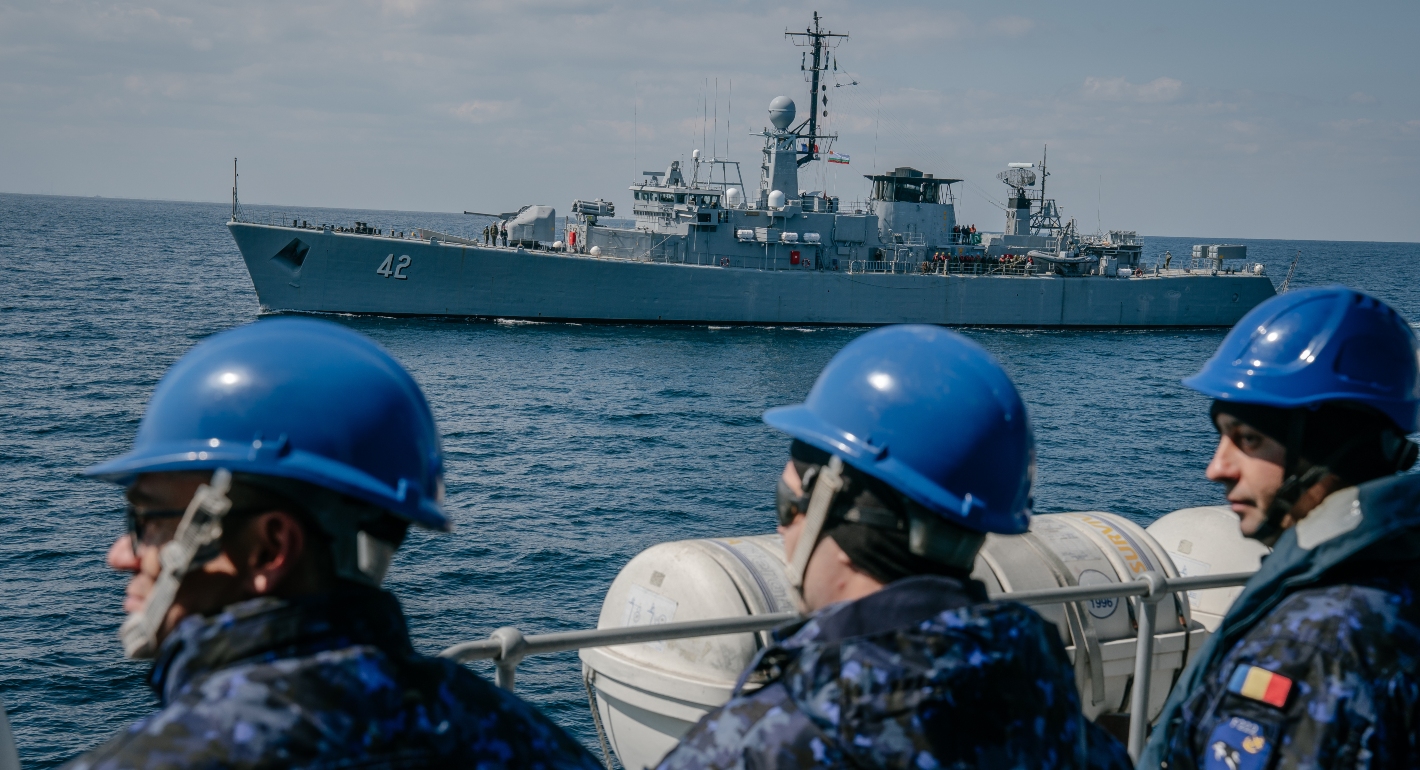
As Russia's war on Ukraine drags on, NATO is expanding its footprint in the Black Sea. Turkey, Romania, and Bulgaria are upgrading their fleets and deepening trilateral cooperation.

Dimitar Bechev