

Commentary
The EU’s new migration policy is not suited to today’s realities. With climate change increasingly becoming a driver of displacement, Europe needs to rethink its deterrence-focused approach.
Shana Tabak
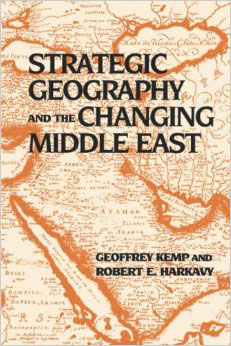
The breakup of the Soviet Union and the growing links between the Caucasus, Central and South Asia, and the Middle East have resulted in new strategic dynamics with far-reaching implications for the United States and other major powers. The authors examine the new geopolitics, with special emphasis on the interaction of the region's growing economic importance.
Source: Washington, DC: Carnegie Endowment for International Peace, 1997
The breakup of the Soviet Union and the growing links between the Caucasus, Central and South Asia, and the Middle East have resulted in new strategic dynamics with far-reaching implications for the United States and other major powers. The authors examine the new geopolitics, with special emphasis on the interaction of the region's growing economic importance (especially as a source for oil and natural gas) and on the dramatic changes in military doctrine and technology that will radically change the nature of military conflict and the prospects for arms control. The book contains over 25 new maps of the region.
About the Authors
Geoffrey Kemp, formerly Director of the Endowment's Middle East Arms Control Project, is Director of Regional Strategic Programs at the Nixon Center.
Robert Harkavy is a Professor of International Politics at Pennsylvania State University.
"A definitive book on the 21st century Middle East... should become a point of departure for understanding the region's strategic significance in the post-Soviet era..."
—Graham T. Allison, Harvard University
"A terrific book that shifts the focus to what [the authors] call the 'greater Middle East.' They show convincingly that there is real potential for trouble in this region and that the United State, rightly or wrongly, is likely to be in the middle of it."
—John Mearsheimer, University of Chicago
"Geopolitical analysis in the best and broadest sense of the term.... The book is replete with data and rich in analysis, and will be an invaluable resource for any analyst of international politics; it is at the same time so clearly written that it will be useful for students new to the field."
—George H. Quester, University of Maryland
Geoffrey Kemp
Robert Harkavy
Carnegie does not take institutional positions on public policy issues; the views represented herein are those of the author(s) and do not necessarily reflect the views of Carnegie, its staff, or its trustees.

The EU’s new migration policy is not suited to today’s realities. With climate change increasingly becoming a driver of displacement, Europe needs to rethink its deterrence-focused approach.

Shana Tabak
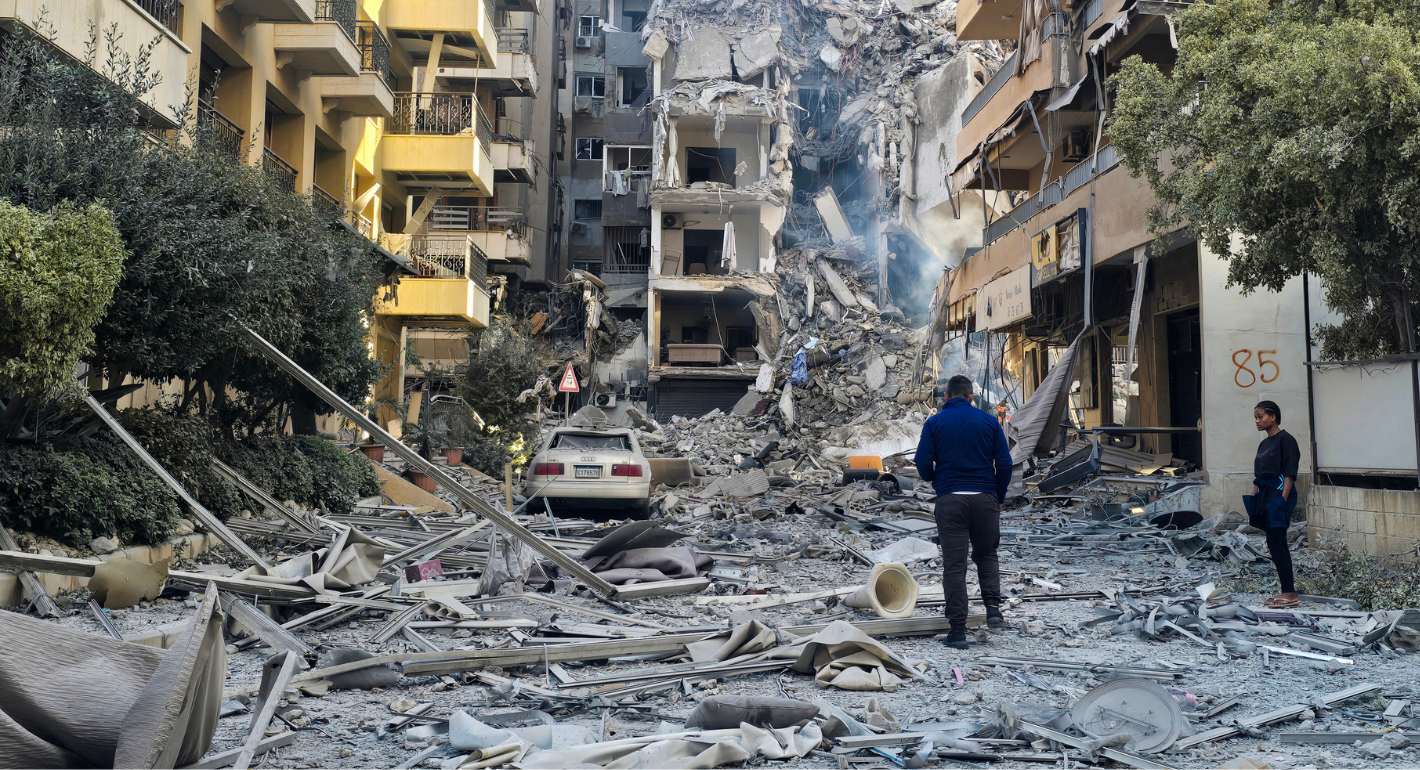
Europe seems to have accepted its sidelining in the Middle East. The EU must reassert its support for the international rules-based order and step up engagement.

Rym Momtaz
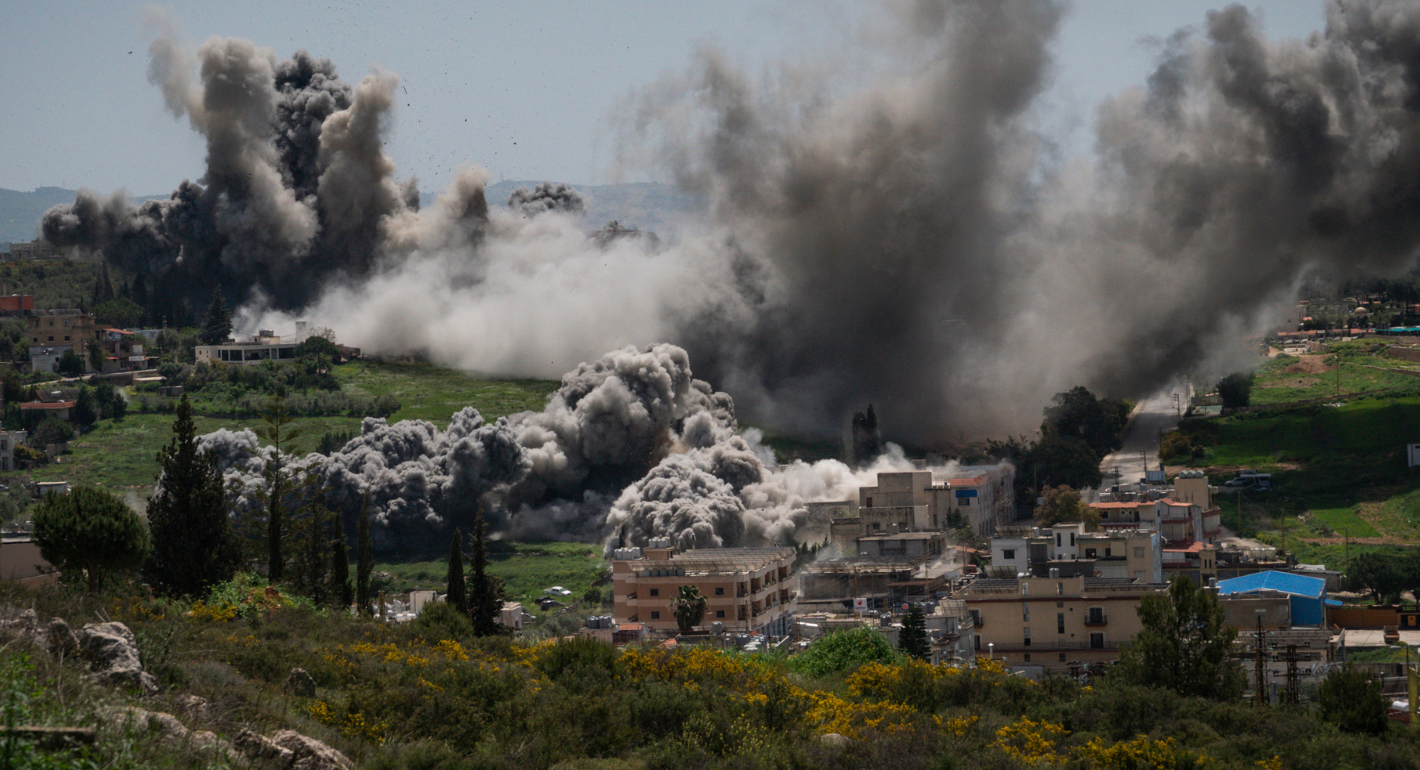
Europe has been standing by while its Southern neighborhood is being redrawn by force. To establish a path to peace between Israel and Lebanon, it’s time for Europeans to get involved with hard power.
Rym Momtaz
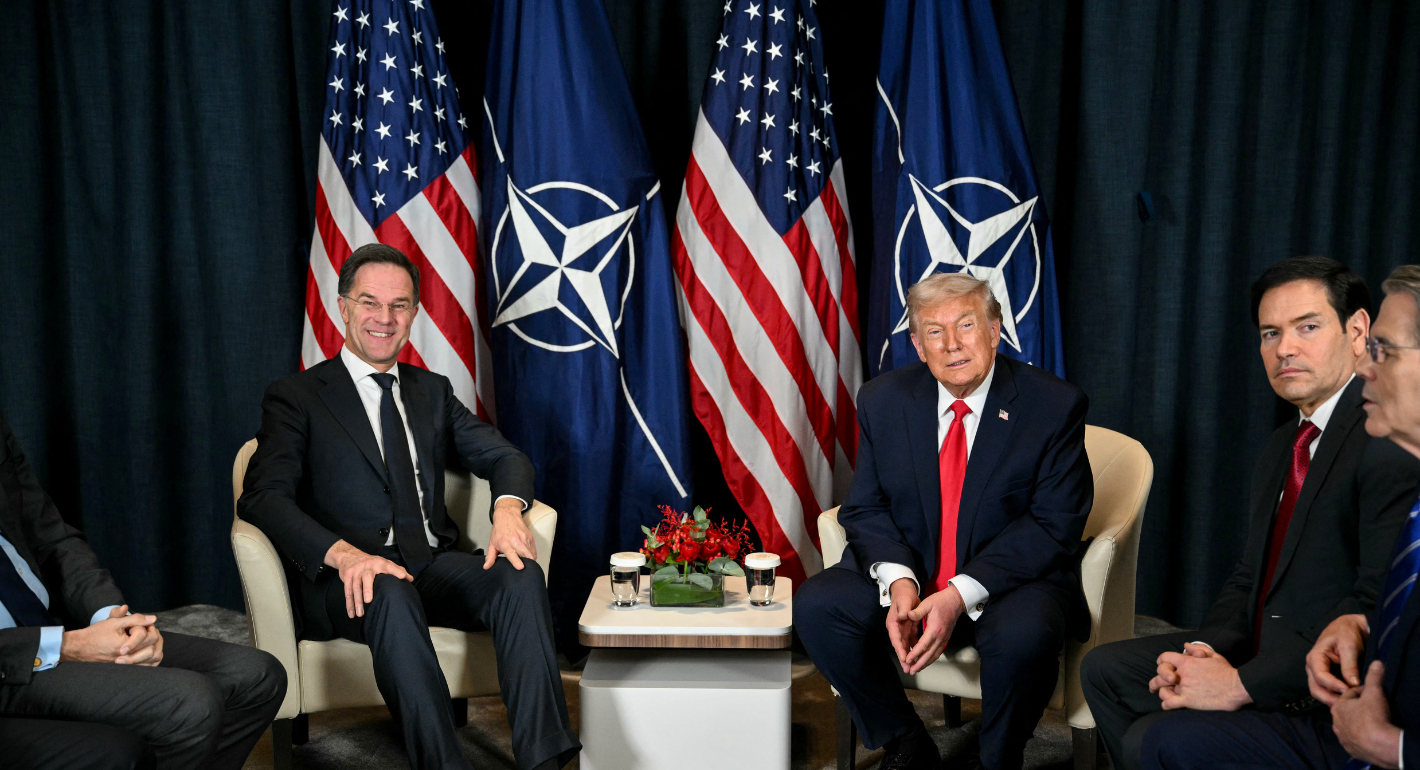
Donald Trump has demanded that European allies send ships to the Strait of Hormuz while his war of choice in Iran rages on. He has constantly berated NATO while the alliance’s secretary-general has emphatically supported him.
Rym Momtaz, ed.
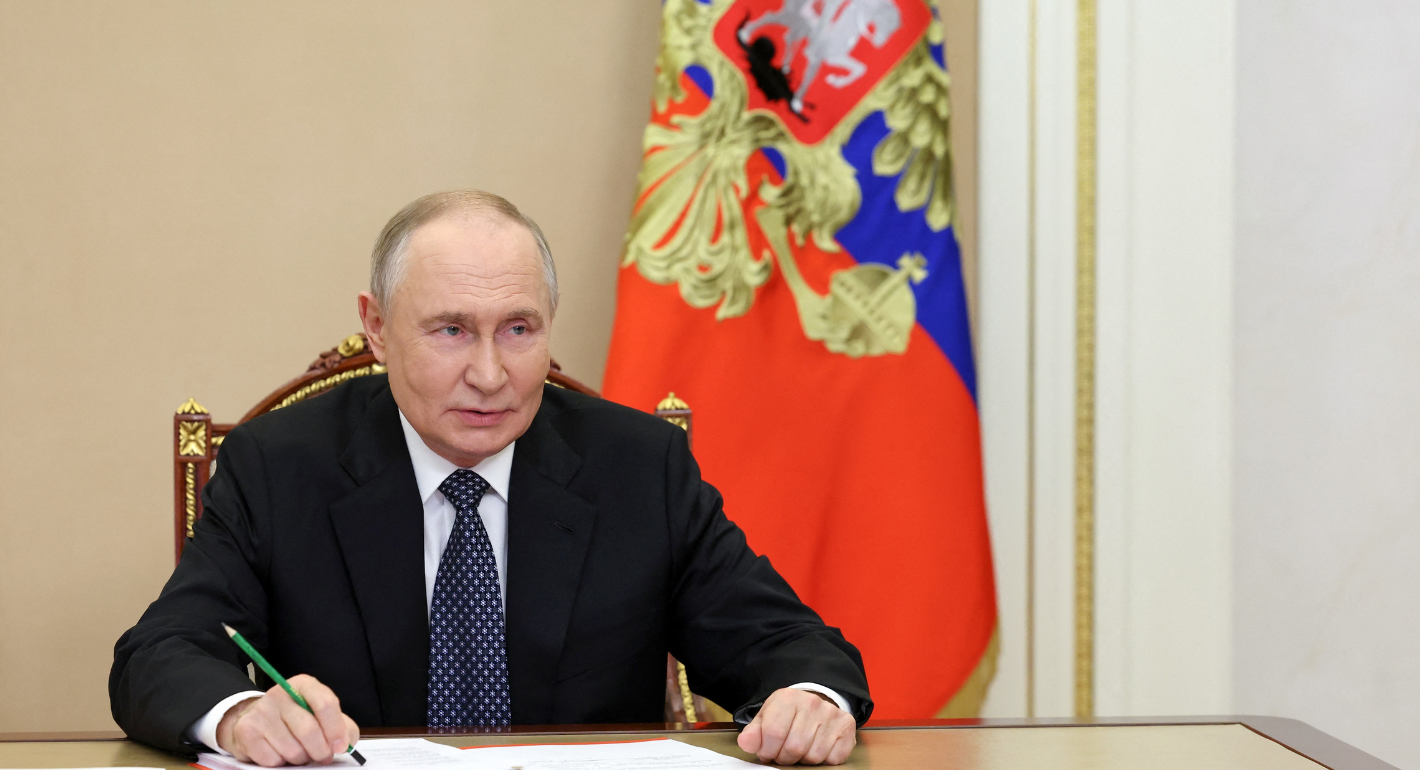
The war in Ukraine is costing Russia its leverage overseas. Across the South Caucasus and Middle East, this presents an opportunity for Europe to pick up the pieces and claim its own sphere of influence.

William Dixon, Maksym Beznosiuk