

Paper
George Perkovich
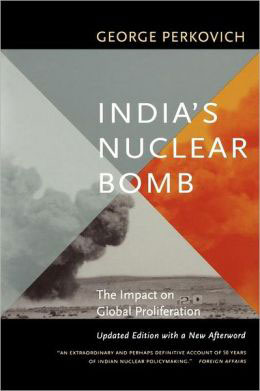
Why did India bid for nuclear weapon status at a time when 149 nations had signed a ban on nuclear testing? What drove India's new Hindu nationalist government to depart from decades of nuclear restraint, a control that no other nation with similar capacities had displayed? How has U.S. nonproliferation policy affected India's decision making?
Source: Berkeley, University of California Press
Winner, 2000 Herbert Feis Award, American Historical Association, Outstanding World by an independent scholar.
Winner, 2001 A.K. Comaraswamy Prize, Association for Asian Studies, Outstanding book on South Asia.
In May 1998, India shocked the worldÑand many of its own citizensÑby detonating five nuclear weapons in the Rajasthan desert. Why did India bid for nuclear weapon status at a time when 149 nations had signed a ban on nuclear testing? What drove India's new Hindu nationalist government to depart from decades of nuclear restraint, a control that no other nation with similar capacities had displayed? How has U.S. nonproliferation policy affected India's decision making?
India's Nuclear Bomb is the definitive, comprehensive history of how the world's largest democracy, has grappled with the twin desires to have and to renounce the bomb. Each chapter contains significant historical revelations drawn from scores of interviews with India's key scientists, military leaders, diplomats and politicians, and from declassified U.S. government documents and interviews with U.S. officials. Perkovich teases out the cultural and ethical concerns and vestiges of colonialism that underlie India's seemingly paradoxical stance. India's nuclear history challenges leading theories of why nations pursue and hang onto nuclear weapons, raising important questions for international relations theory and security studies. So, too, the blasts in Rajasthan have shaken the foundations of the international nonproliferation system. With the end of the Cold War and an even more chaotic international scene, Perkovich's analysis of an alternative model is timely, sobering, and vital.

Japan Chair for a World Without Nuclear Weapons, Senior Fellow
George Perkovich is the Japan Chair for a World Without Nuclear Weapons and a senior fellow in the Carnegie Endowment for International Peace’s Nuclear Policy Program. He works primarily on nuclear deterrence, nonproliferation, and disarmament issues.
Recent Work
George Perkovich
George Perkovich
Carnegie does not take institutional positions on public policy issues; the views represented herein are those of the author(s) and do not necessarily reflect the views of Carnegie, its staff, or its trustees.

When the U.S.-Iran memorandum of understanding was announced, the UK, France, Germany, and Italy declared their readiness to help demine the Strait of Hormuz and lift nuclear sanctions on Tehran. But does Europe need new tools to recover a diplomatic role?

Rym Momtaz, ed.

Amid uncertainty caused by the Iran war, the global drive for nonproliferation has stalled. With Europe diplomatically marginalized and countries reassessing their nuclear options, efforts to curb the spread of nuclear weapons risk becoming irrelevant.

Jane Darby Menton
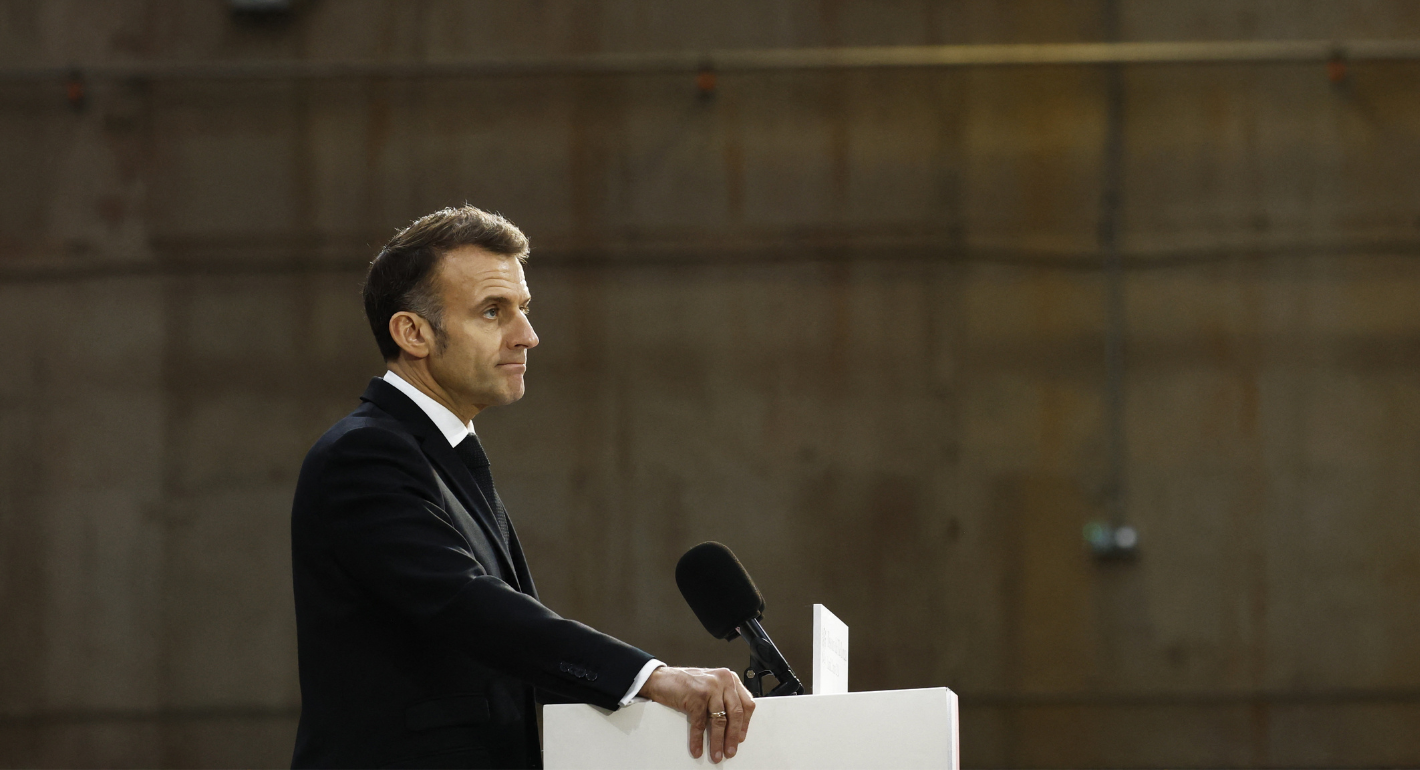
French President Emmanuel Macron has unveiled his country’s new nuclear doctrine. Are the changes he has made enough to reassure France’s European partners in the current geopolitical context?
Rym Momtaz, ed.
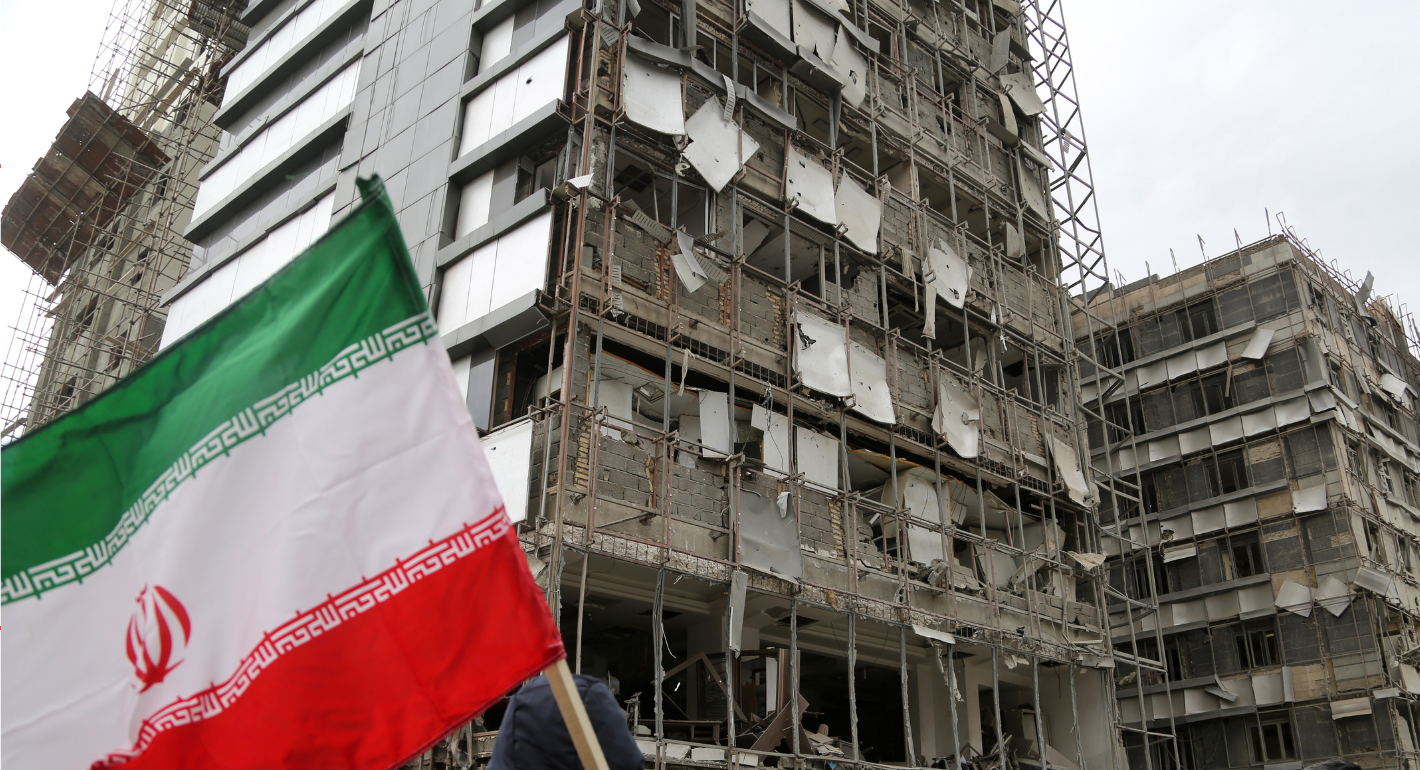
Europe’s reaction to the war in Iran has been disunited and meek, a far cry from its previously leading role in diplomacy with Tehran. To avoid being condemned to the sidelines while escalation continues, Brussels needs to stand up for international law.

Pierre Vimont
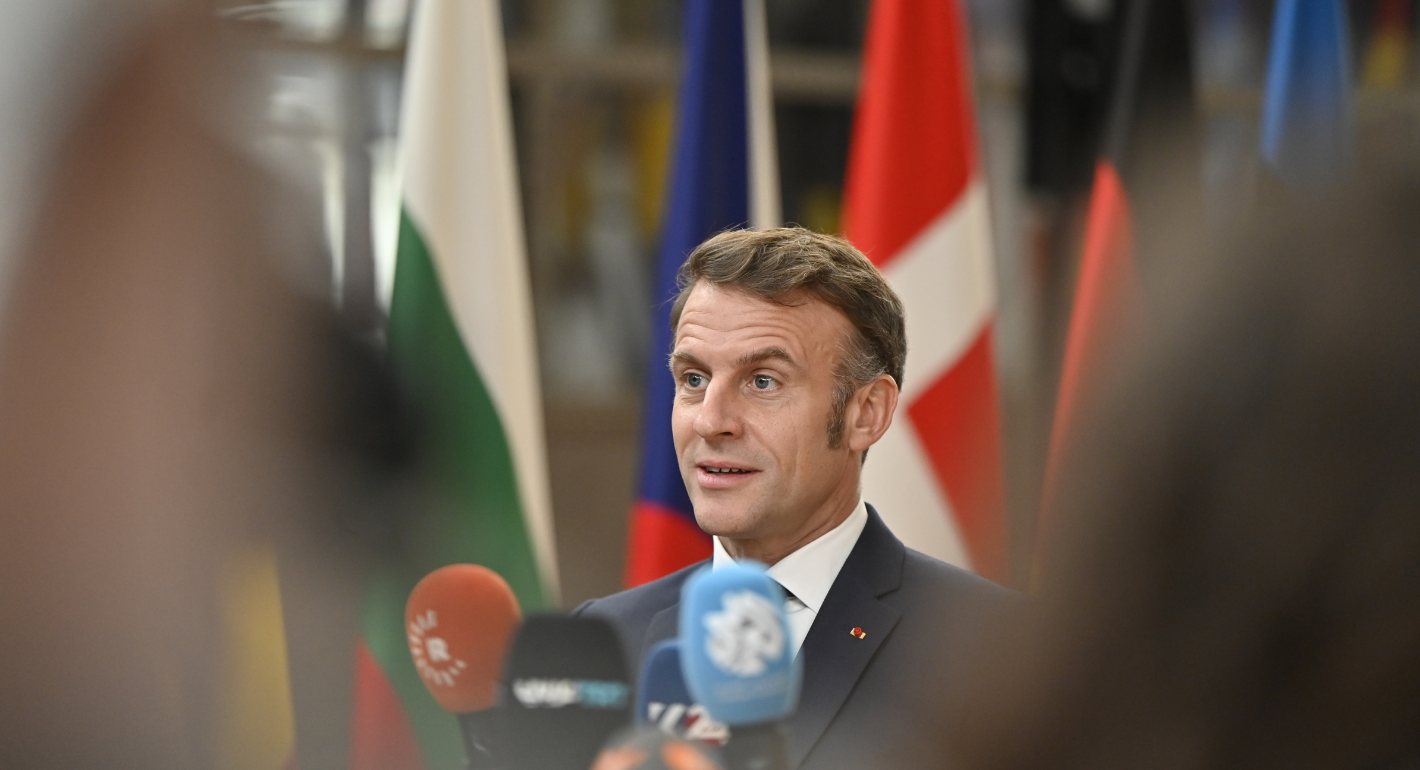
France has stopped clinging to notions of being a great power and is embracing the middle power moment. But Emmanuel Macron has his work cut out if he is to secure his country’s global standing before his term in office ends.
Rym Momtaz