

Other
Ann M. Florini, Mr. John Audley
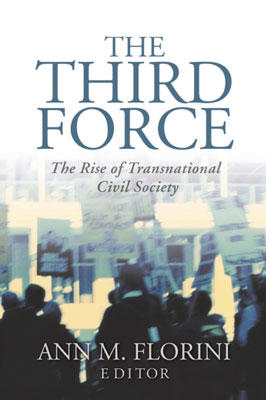
The book's six case studies investigate the role of transnational civil society in the global anti-corruption movement, nuclear arms control, dam-building and sustainability, democracy movements, landmines, and human rights.
Source: Washington

“An excellent, comprehensive, and timely analysis of a phenomenon that could redraw the contours of global governance in inspiring and challenging ways in the twenty-first century.”
—Kumi Naidoo, Secretary General and CEO of CIVICUS: World Alliance for Citizen Participation
“Provides an excellent overview to the issues and trends in the rise of transnational civil society. Policy makers, students, and academics will appreciate the lively prose, diverse and well-documented case studies, lucid conclusions, and useful annotated bibliography.”
—Kathryn Sikkink, University of Minnesota
Former Senior Associate
Recent Work
Ann M. Florini, Mr. John Audley
Ann M. Florini, Yahya A. Dehqanzada
Carnegie does not take institutional positions on public policy issues; the views represented herein are those of the author(s) and do not necessarily reflect the views of Carnegie, its staff, or its trustees.

Mounting economic strain and battlefield losses will not necessarily make the Kremlin less dangerous. They could instead push Moscow toward a more aggressive hybrid campaign designed to test NATO’s Eastern flank, exploit allied hesitation, and fracture European resolve.

Maksym Beznosiuk

Over the past ten years, NATO has held almost as many summits as it did during the entirety of the Cold War. Are they still useful, or is it time to stop holding annual meetings?

Rym Momtaz, ed.
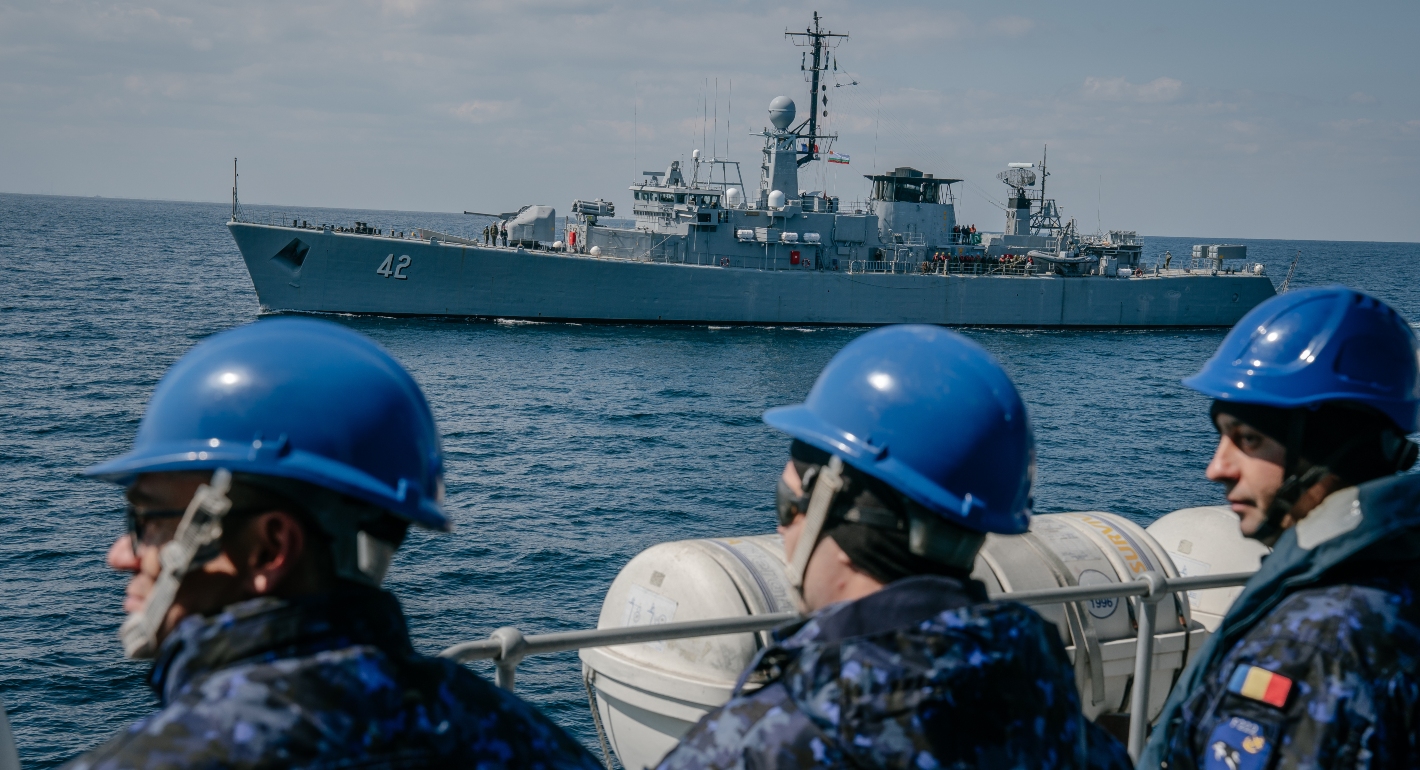
As Russia's war on Ukraine drags on, NATO is expanding its footprint in the Black Sea. Turkey, Romania, and Bulgaria are upgrading their fleets and deepening trilateral cooperation.

Dimitar Bechev
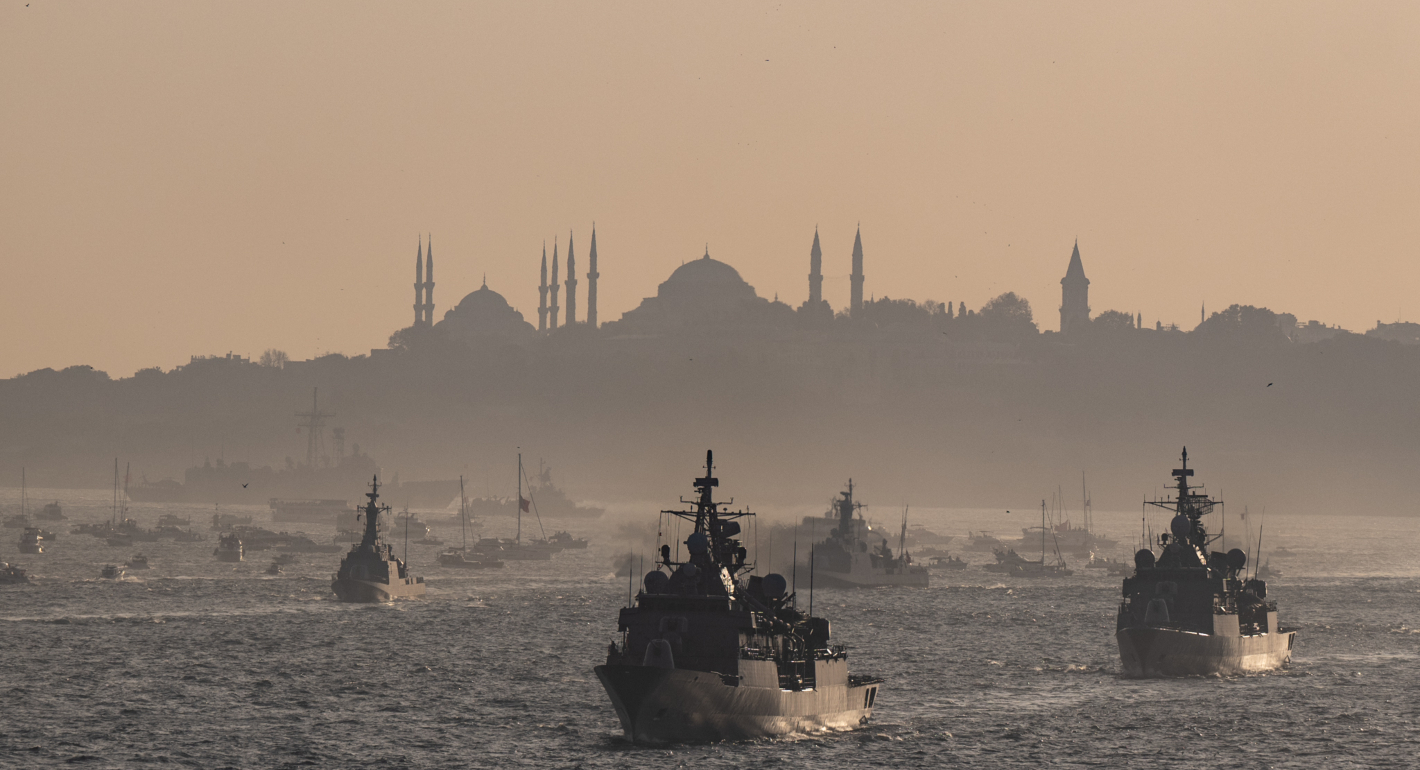
For ninety years, Turkey has been positioned as the principal gatekeeper of Black Sea security. As a result, European and NATO efforts to support Ukraine will require closer engagement with Ankara.

Thomas de Waal
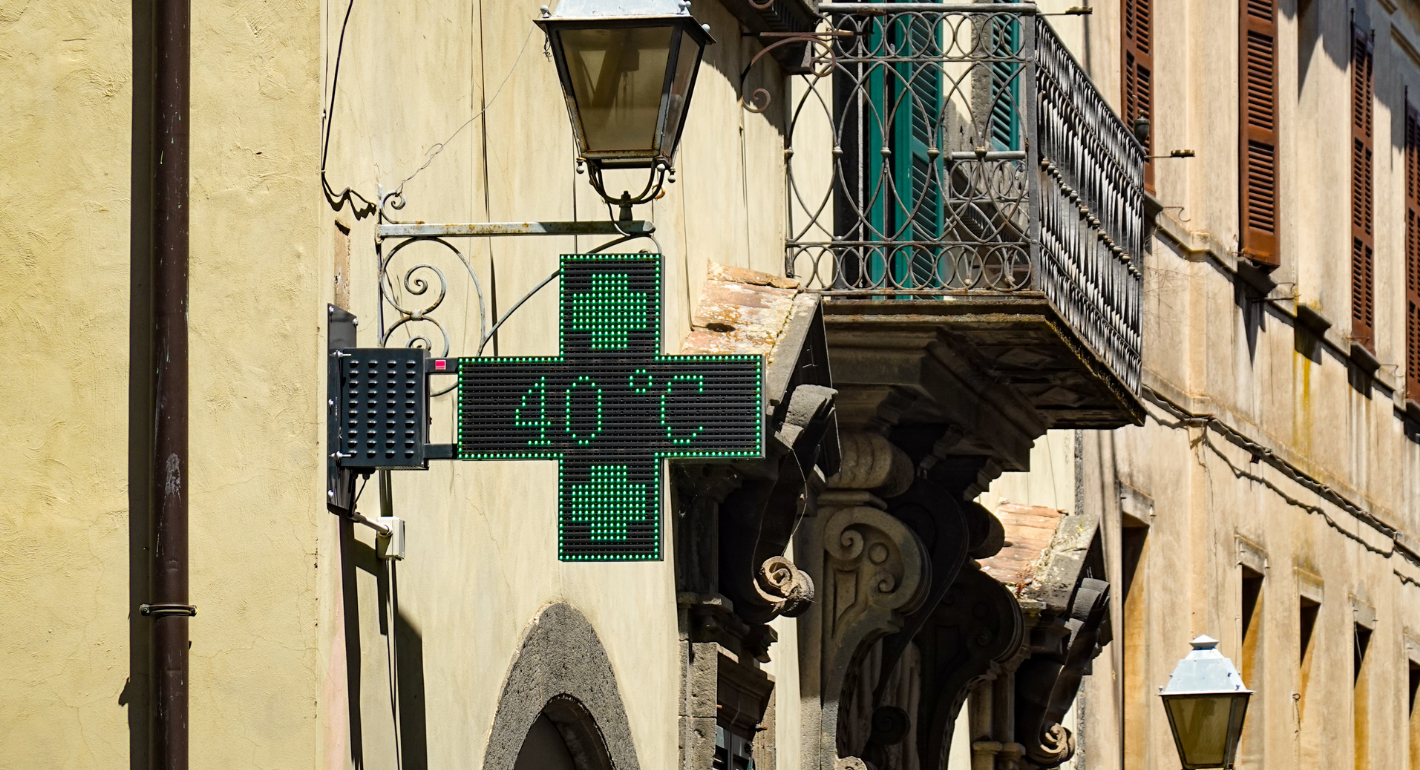
Western Europe’s dual-use infrastructure melted down during its latest heat wave. If a predicted hot weather event can take the continent by surprise, what chance does it have to withstand unexpected geopolitical crises?
Rym Momtaz