• Research
  • Strategic Europe
  • About
  • Experts
Carnegie Europe logoCarnegie lettermark logo
EUUkraine
  • Donate
REQUIRED IMAGE

REQUIRED IMAGE

Article

The Iranian Uranium Question

Reports indicate that samples taken by international inspectors in Iran reveal the presence of enriched uranium. If true, this could be the first hard evidence that Iran has purified uranium outside of safeguards and in violation of its obligations under the Nuclear Non-Proliferation Treaty. Article III of the NPT requires the full application of International Atomic Energy Agency (IAEA) safeguards over all nuclear activities within a member country. Iran recently disclosed that it has been building a uranium enrichment plant at Natanz and claims it plans to place the facility under safeguards. The United States and others maintain that the plant is intended for the production of uranium for use in nuclear weapons, a charge Iran denies.

Link Copied
Published on Jul 18, 2003
Reports indicate that samples taken by international inspectors in Iran reveal the presence of enriched uranium. If true, this could be the first hard evidence that Iran has purified uranium outside of safeguards and in violation of its obligations under the Nuclear Non-Proliferation Treaty. Article III of the NPT requires the full application of International Atomic Energy Agency (IAEA) safeguards over all nuclear activities within a member country. Iran recently disclosed that it has been building a uranium enrichment plant at Natanz and claims it plans to place the facility under safeguards. The United States and others maintain that the plant is intended for the production of uranium for use in nuclear weapons, a charge Iran denies.

There is nothing within the NPT that prohibits Iran from producing or possessing enriched uranium, which can be used in the production of nuclear weapons or the operation of nuclear reactors. Iran is required under the NPT to submit all nuclear facilities and material to international monitoring to ensure materials are used exclusively for peaceful purposes. If the samples confirm the presence of enriched uranium in Iran, it would not prove that Iran has violated its obligations. Iran possesses some quantities of enriched uranium that are used to fuel 2 research reactors, 2 critical assembly and 2 sub-critical assemblies. The United States provided Iran some of the material and one of the reactors in the 1970s. The samples could be the result of these other sources of uranium and more detailed information would be needed to determine the exact source of the samples.

If the samples confirm that Iran has enriched the uranium itself, it would mean that Iran has violated its treaty commitments. Such a finding would need to be referred by the IAEA to the UN Security Council for further action. It is not clear, however, that such a discovery would lead to any penalties against Iran. This would be a matter for negotiations among Security Council members. Russia – which holds a permanent seat on the Council – has defended Iran’s right to develop nuclear technology in cooperation with Russia under the NPT. It is not clear if the finding of a clear violation by Iran would alter Russia’s desire to do business with Tehran.

The detection of enriched uranium by environmental sampling would be a vote of confidence for the application of the IAEA’s additional safeguards protocol. Iran is being pushed by the United States, Russia and Europe to adopt this enhanced set of inspections and monitoring which would make it more difficult for a state to hide controlled nuclear activities. It would do nothing, however, to prevent Iran from exploiting what is a major loophole in the NPT; namely the right of states to produce and store vast quantities of weapons usable nuclear materials as long as they are subject to inspections.

Additional Resources:

  • "Iran Samples Show Enriched Uranium-Diplomats," Reuters, 18 July 2003
  • "Understanding the IAEA Report on Iran," Carnegie Analysis by Miriam Rajkumar, 18 June 2003
  • "Iran's Natanz Facility," Carnegie Analysis by Marshall Breit, 2 May 2003
  • Iran Chapter from Deadly Arsenals (pdf)

Click here for Proliferation News

Iran

Carnegie does not take institutional positions on public policy issues; the views represented herein are those of the author(s) and do not necessarily reflect the views of Carnegie, its staff, or its trustees.

More Work from Carnegie Europe

  • Commentary
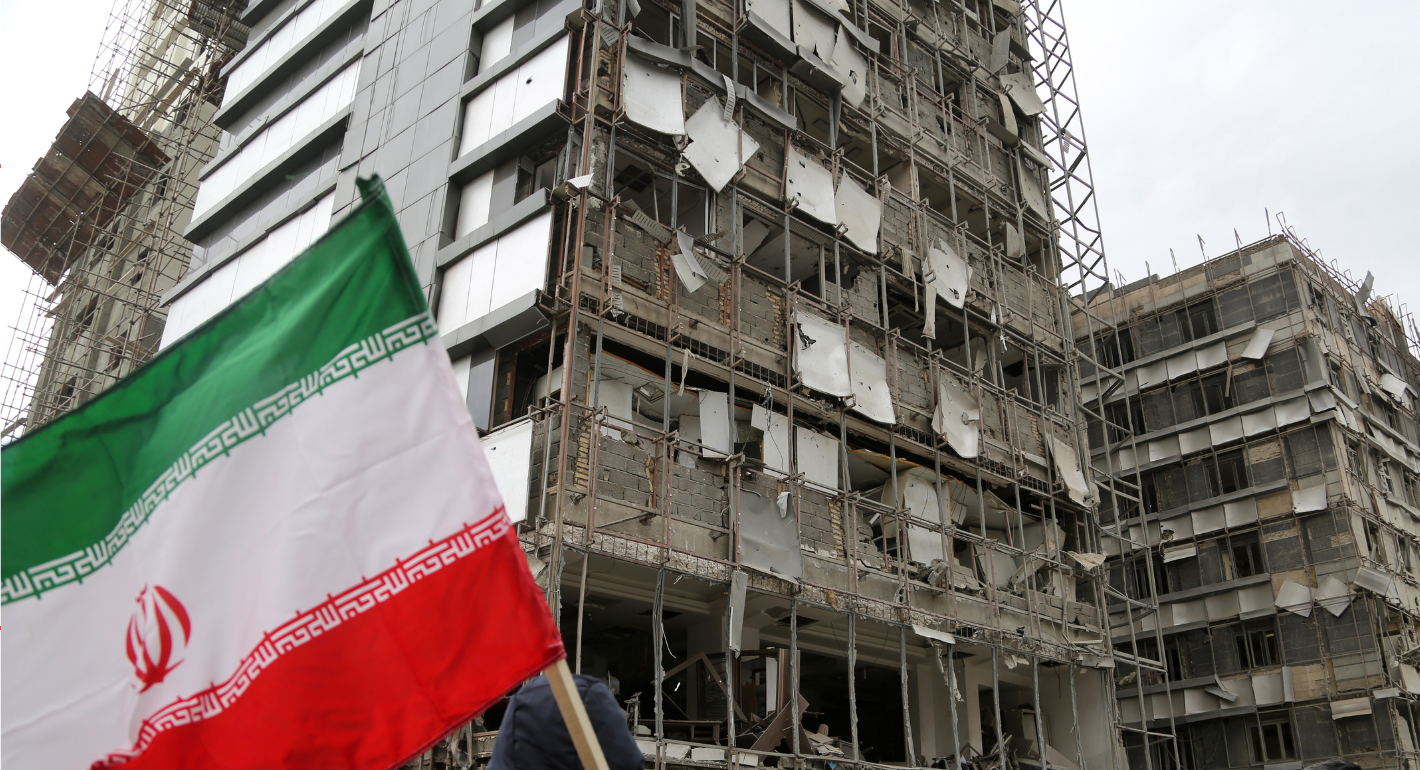
    The Iran War’s Dangerous Fallout for Europe

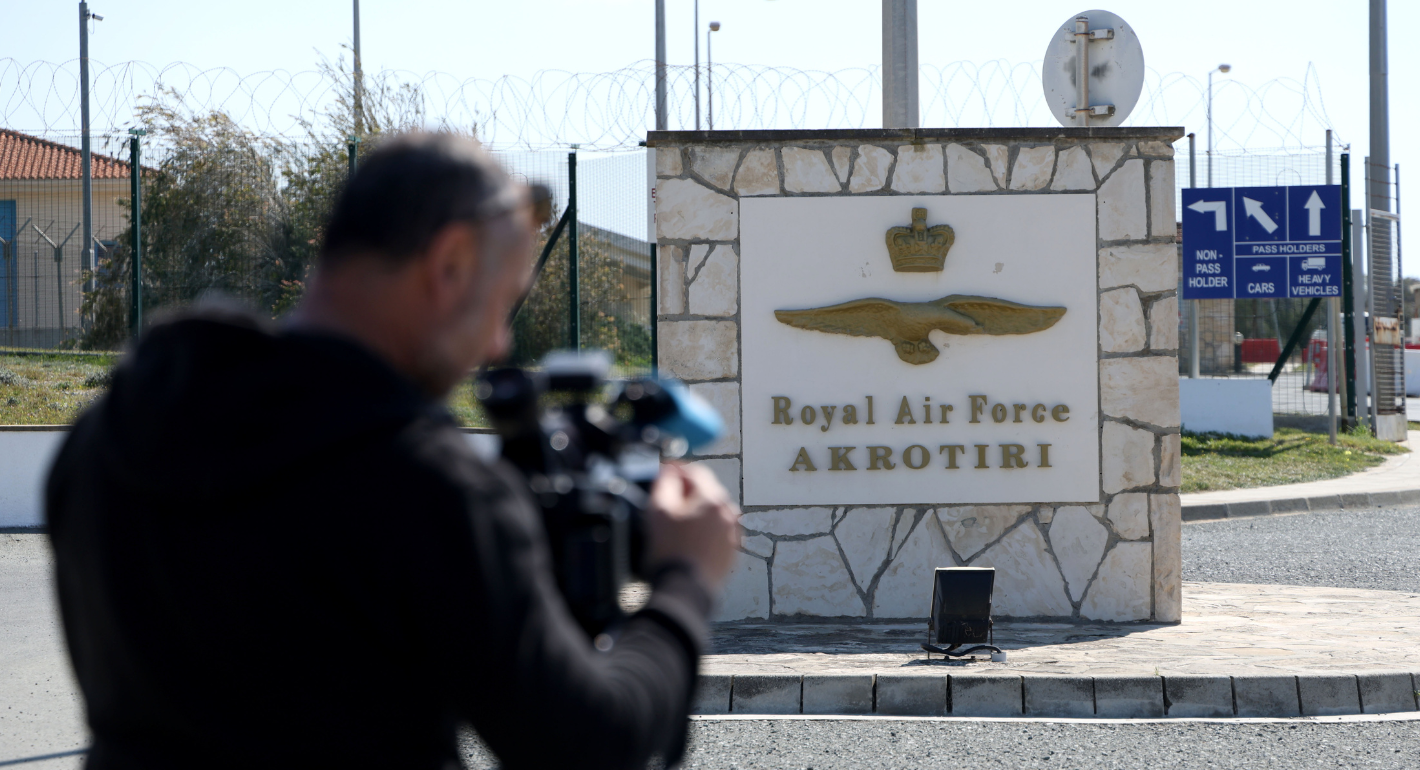
    The drone strike on the British air base in Akrotiri brings Europe’s proximity to the conflict in Iran into sharp relief. In the fog of war, old tensions in the Eastern Mediterranean risk being reignited, and regional stakeholders must avoid escalation.

      Marc Pierini

  • Commentary
    Strategic Europe
    The EU Needs a Third Way in Iran

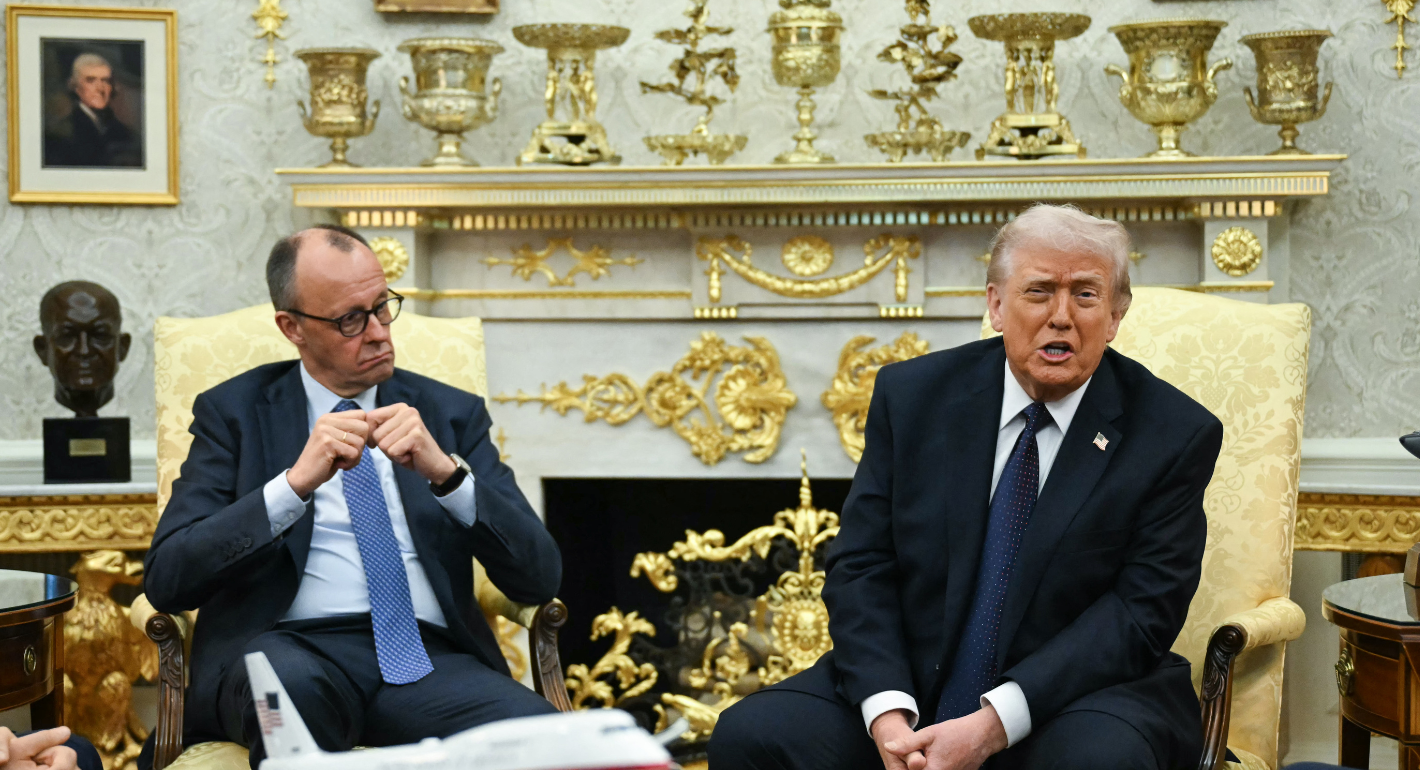
    European reactions to the war in Iran have lost sight of wider political dynamics. The EU must position itself for the next phase of the crisis without giving up on its principles.

      Richard Youngs

  • Commentary
    Strategic Europe
    Europe on Iran: Gone with the Wind

    Europe’s reaction to the war in Iran has been disunited and meek, a far cry from its previously leading role in diplomacy with Tehran. To avoid being condemned to the sidelines while escalation continues, Brussels needs to stand up for international law.

      Pierre Vimont

  • Turkey Erdogan Caucasus Central Asia
    Article
    How Turkey Can Help the Economies of the South Caucasus to Diversify

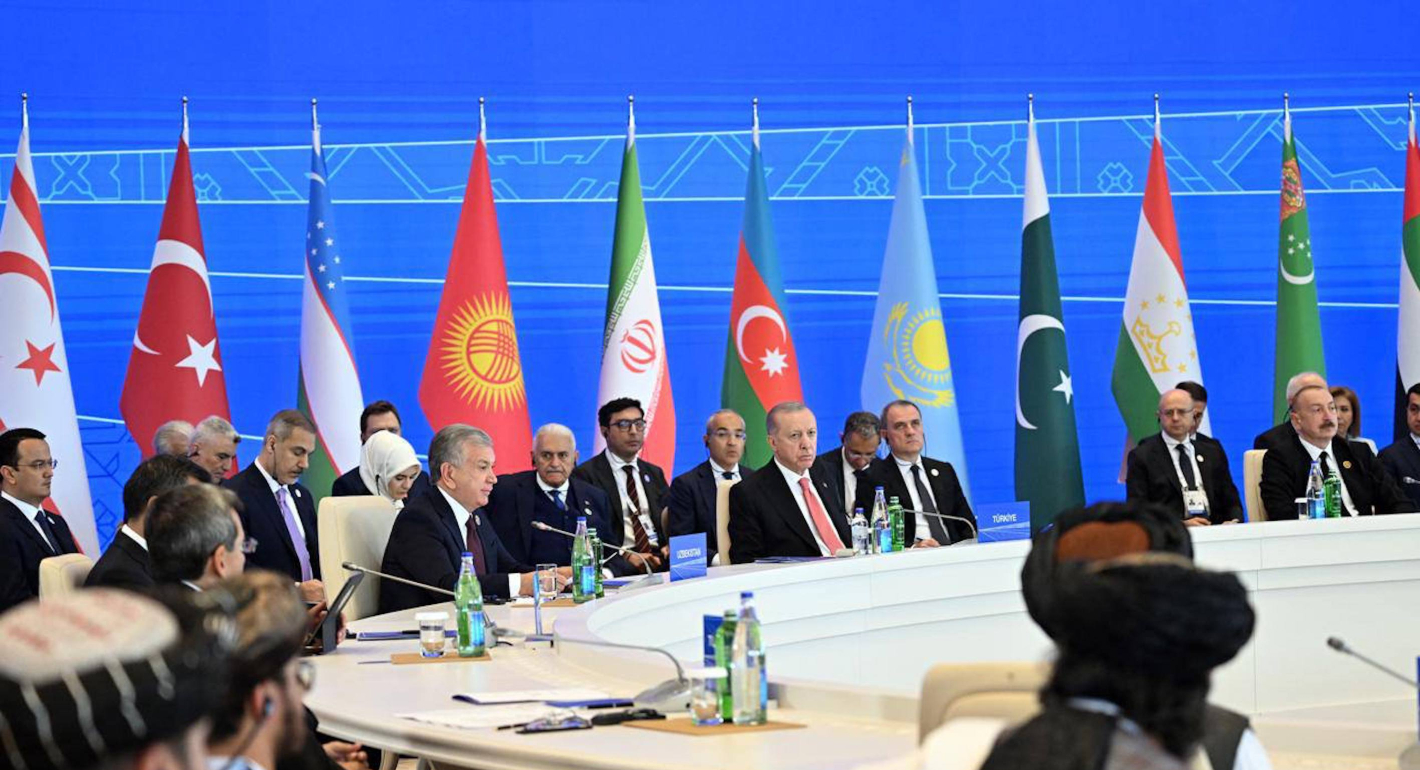
    Over the past two decades, regional collaboration in the South Caucasus has intensified. Turkey and the EU should establish a cooperation framework to accelerate economic development and diversification.

      • Feride Inan
      • Güven Sak
      • Berat Yücel

      Feride İnan, Güven Sak, Berat Yücel

  • Europe Iran nuclear talks
    Commentary
    Strategic Europe
    The Small Window for an EU-U.S. Diplomatic Push on Iran

    To turn U.S. strikes on Iran’s nuclear program into a long-term resolution, Washington should seize the moment and cooperate with France, Germany, and the UK on diplomatic talks.

      • Rym Momtaz

      Rym Momtaz

Get more news and analysis from
Carnegie Europe
Carnegie Europe logo, white
Rue du Congrès, 151000 Brussels, Belgium
  • Research
  • Strategic Europe
  • About
  • Experts
  • Projects
  • Events
  • Contact
  • Careers
  • Privacy
  • For Media
  • Gender Equality Plan
Get more news and analysis from
Carnegie Europe
© 2026 Carnegie Endowment for International Peace. All rights reserved.