

Article
Marina Ottaway, Omar Hossino

REQUIRED IMAGE
Source: Carnegie
The issue facing the United States in Iraq is not whether to undertake nation-building, but what type of nation-building to undertake. The United States cannot afford to step back from Iraq without having created stable conditions and repaired the destruction caused by the war and the regime's collapse. Unfortunately, much of the administration's $ 20.3 billion supplemental appropriation proposal for Iraq looks less like the essential components of a reconstruction project than the building of Soviet-style Potemkin villages-isolated, unsustainable projects that do not relate to the country's reality.
Many of the proposed projects are not priorities in a country where much of the population is fed by the UN World Food Program, unemployment is over fifty percent, electricity remains erratic, and water and sewage are in urgent need of improvement. Does Iraq really need an upgraded postal service right now, including the installation of machines to read bar codes and the development of a country-wide zip code system? Is the best way to address Iraq's housing problem to invest $ 100 million for 3,528 housing units-the precise number is somewhat of a puzzle-in seven planned communities, each with its own schools, clinic, place of worship and market? Who decided that right now Iraq needs a national academy to train firefighters, and that it must equip each firefighter with protective gear costing $ 2,500 a set? Can Iraq afford a new children's hospital while its basic health system is in state of collapse? Are monuments to the victims of Saddam Hussein's atrocities needed in the next few months? How many Iraqis would agree that it is a good idea to invest $ 400 million to provide prison space for 8,000 inmates in facilities "constructed in accordance with international standards, with inbuilt security features that reduce staffing costs and achieve economies of scale"?
Not all requests are idiosyncratic. The administration is asking for over $ 5 billion to rehabilitate the electric power infrastructure, $ 2.1 billion for oil facilities, $ 3.7 billion to repair and improve water and sewerage services- all essential tasks. However, it is unclear to a layperson how much of these large outlays is necessary to restore services or oil production to pre-war levels, and how much is earmarked to bring facilities to international standards Iraq cannot afford yet.
Reconstruction in Iraq must focus on solving immediate problems, rather than on launching major reforms and modernization projects. On the political side, reconstruction means restoring a degree of stability and putting in place a sovereign Iraqi government. On the economic side, it means putting Iraqis back to work, increasing oil production, and restoring basic services to pre-war levels. As oil production increases and jobs are created, a more affluent Iraq will need to invest in modernizing its infrastructure. But not now. The experience of decades of development assistance shows that when a country is provided with facilities it cannot afford, quick deterioration and waste ensues, not progress.
Limiting reconstruction efforts to basic tasks is particularly important to American taxpayers who will pay for the initial cost of reconstruction. Growing sentiment in Congress that Iraq should shoulder some of the burden by borrowing against future oil revenue is an understandable reaction to the shock of a $ 87 billion request, but it is misguided. As the occupying power, the United States has no choice but helping Iraq recover from the war and restore stability. Iraq cannot be asked to pay for emergency relief and rehabilitation; oil production is low and revenue is insufficient even to finance a bare bones budget. And Iraqis cannot be asked to borrow against future oil revenue to finance expensive prisons or bar code-reading machines faceless American bureaucrats have decided they should have.
But American taxpayers have no duty to foot the bill for turning Iraq into a modern country. That is a task a sovereign Iraqi government will have to undertake. As oil revenues grow, that government will decide how to allocate its resources among conflicting requirements and whether to borrow additional funds. Like it or not, American taxpayers are stuck with immediate reconstruction costs. However, the administration's request needs to be scrutinized closely to make sure that they are not being asked to finance more Potemkin villages.
Former Senior Associate, Middle East Program
Before joining the Endowment, Ottaway carried out research in Africa and in the Middle East for many years and taught at the University of Addis Ababa, the University of Zambia, the American University in Cairo, and the University of the Witwatersrand in South Africa.
Recent Work
Marina Ottaway, Omar Hossino
Marina Ottaway
Carnegie does not take institutional positions on public policy issues; the views represented herein are those of the author(s) and do not necessarily reflect the views of Carnegie, its staff, or its trustees.
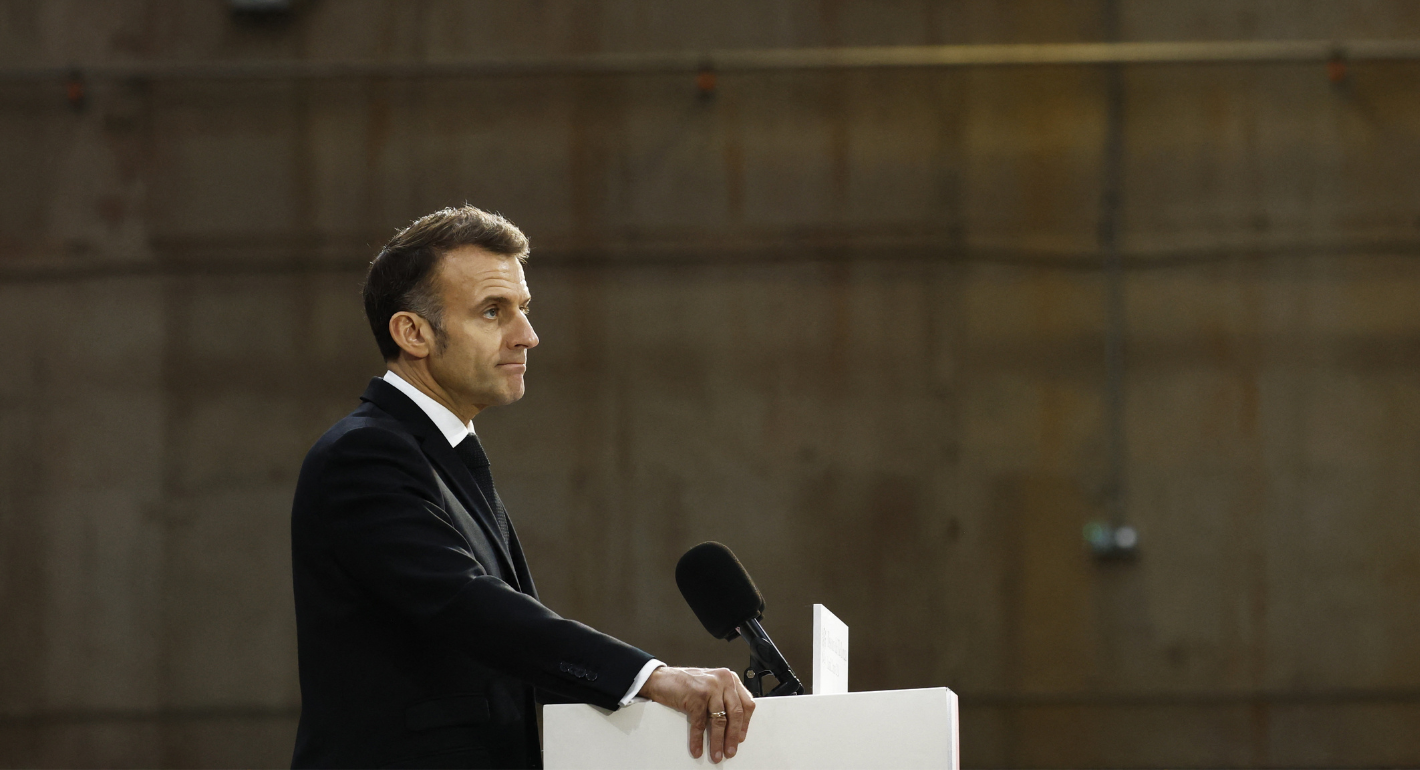
French President Emmanuel Macron has unveiled his country’s new nuclear doctrine. Are the changes he has made enough to reassure France’s European partners in the current geopolitical context?

Rym Momtaz, ed.
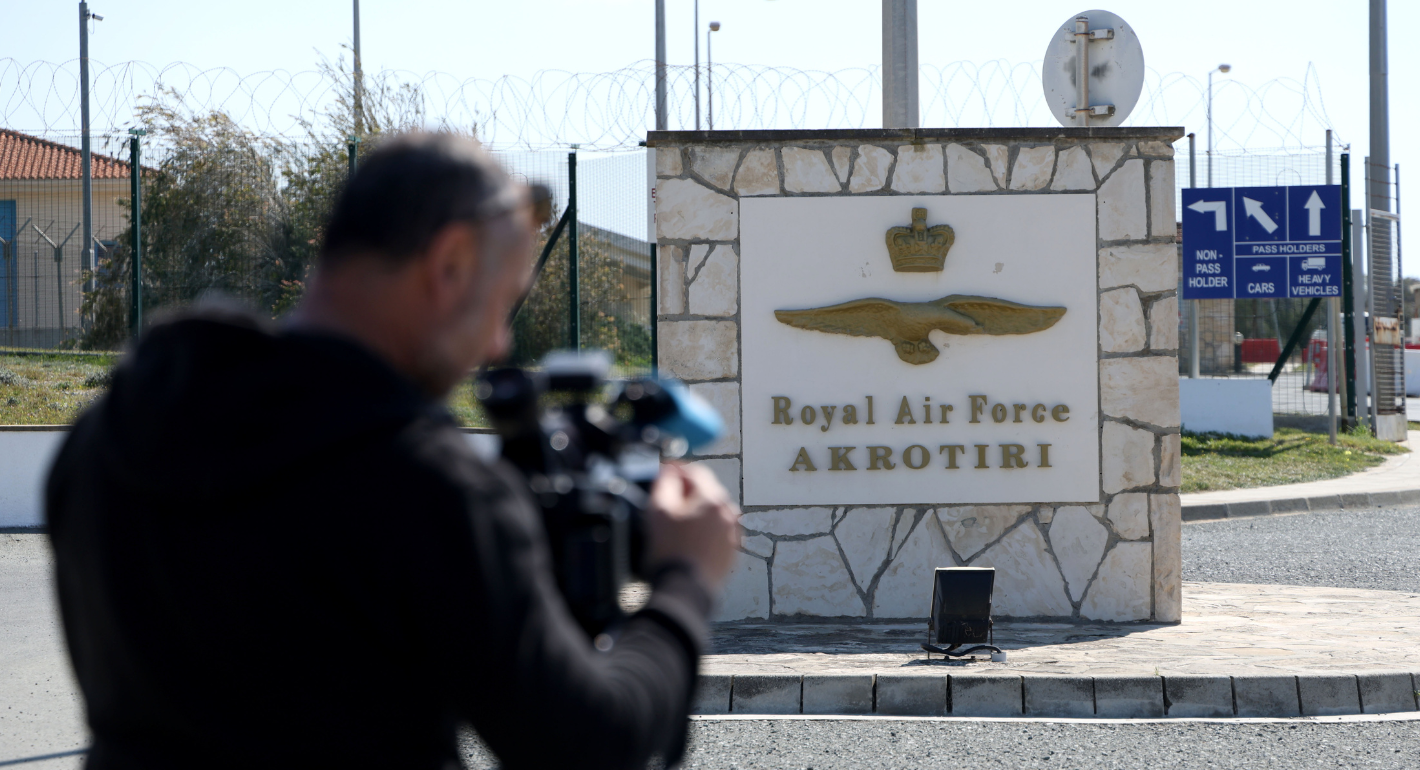
The drone strike on the British air base in Akrotiri brings Europe’s proximity to the conflict in Iran into sharp relief. In the fog of war, old tensions in the Eastern Mediterranean risk being reignited, and regional stakeholders must avoid escalation.

Marc Pierini
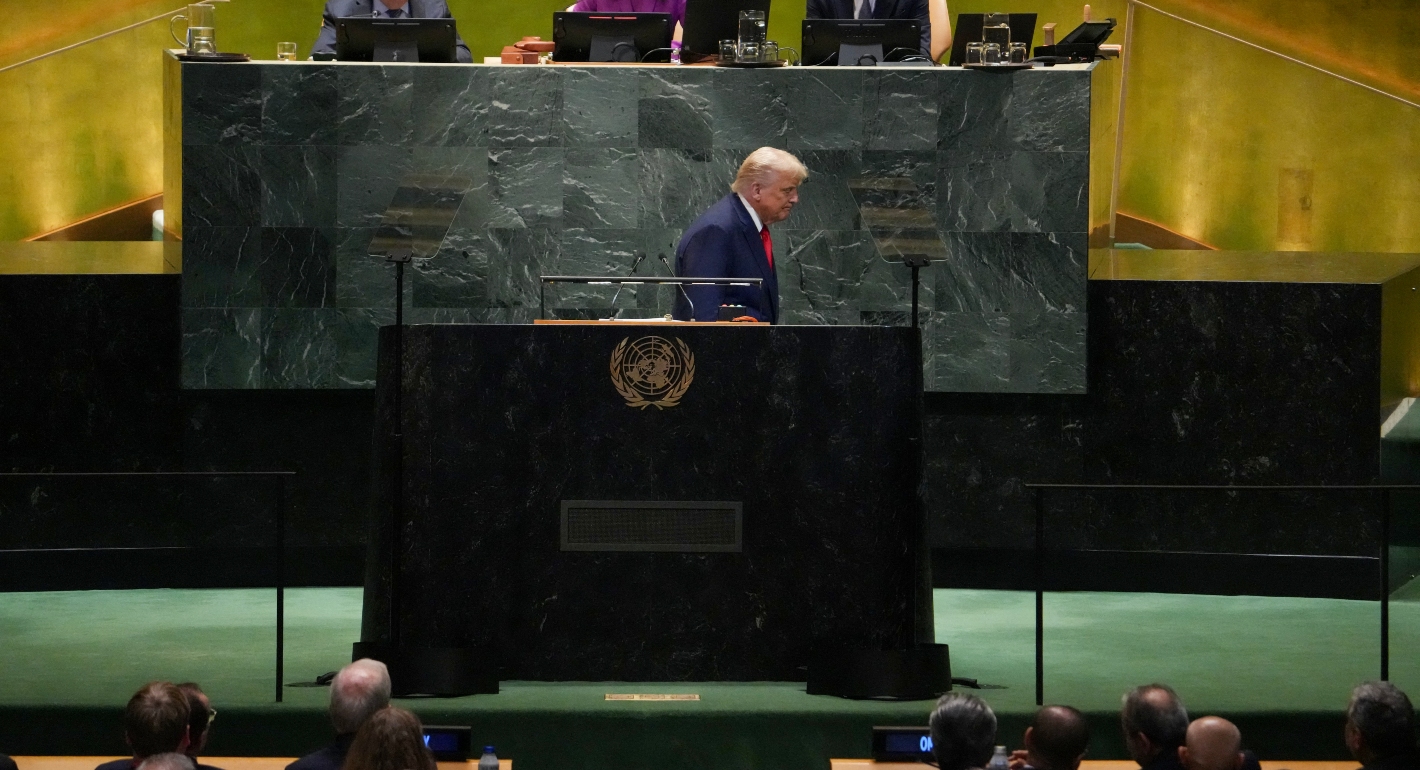
For years, the United States anchored global cyber diplomacy. As Washington rethinks its leadership role, the launch of the UN’s Cyber Global Mechanism may test how allies adjust their engagement.
Patryk Pawlak, Chris Painter
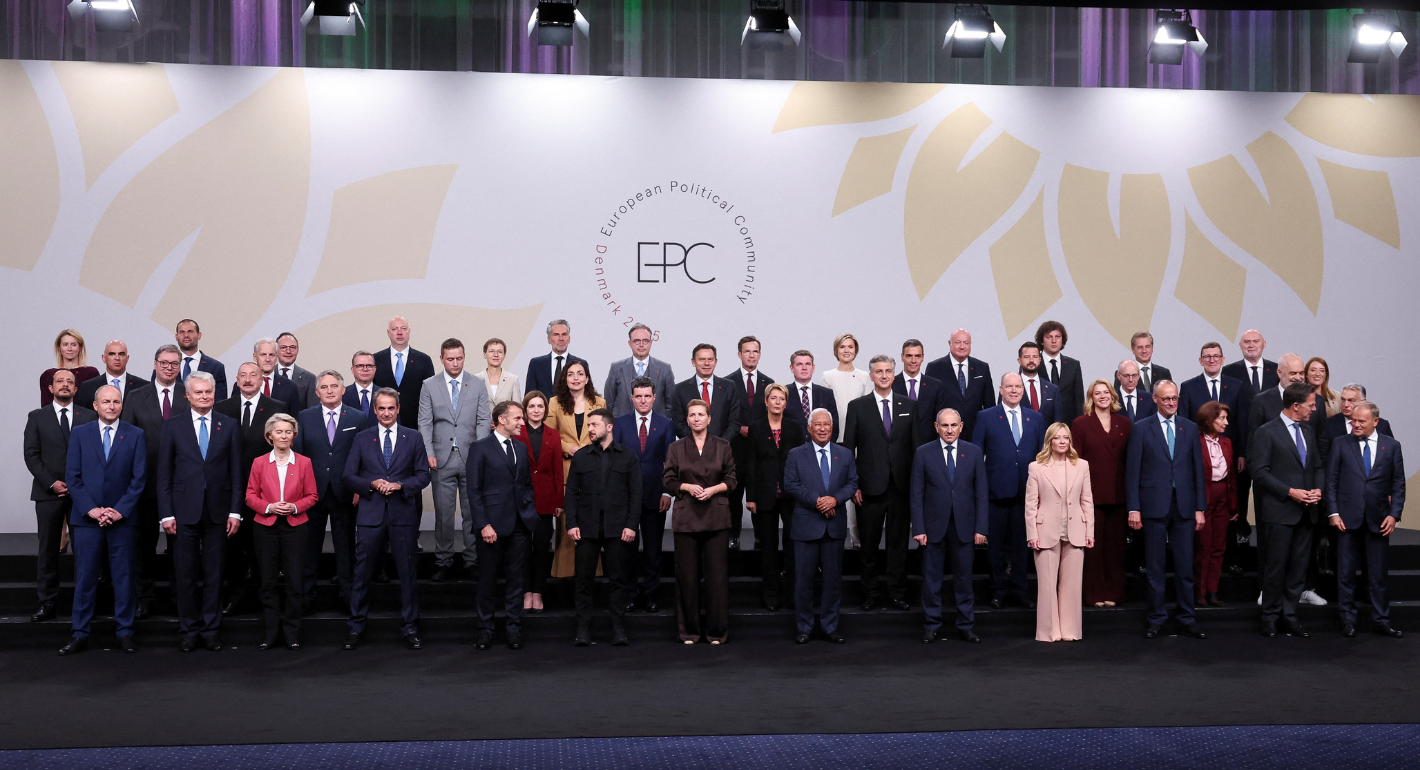
Europe isn’t as weak in the new geopolitics of power as many would believe. But to leverage its assets and claim a sphere of influence, Brussels must stop undercutting itself.

Dimitar Bechev
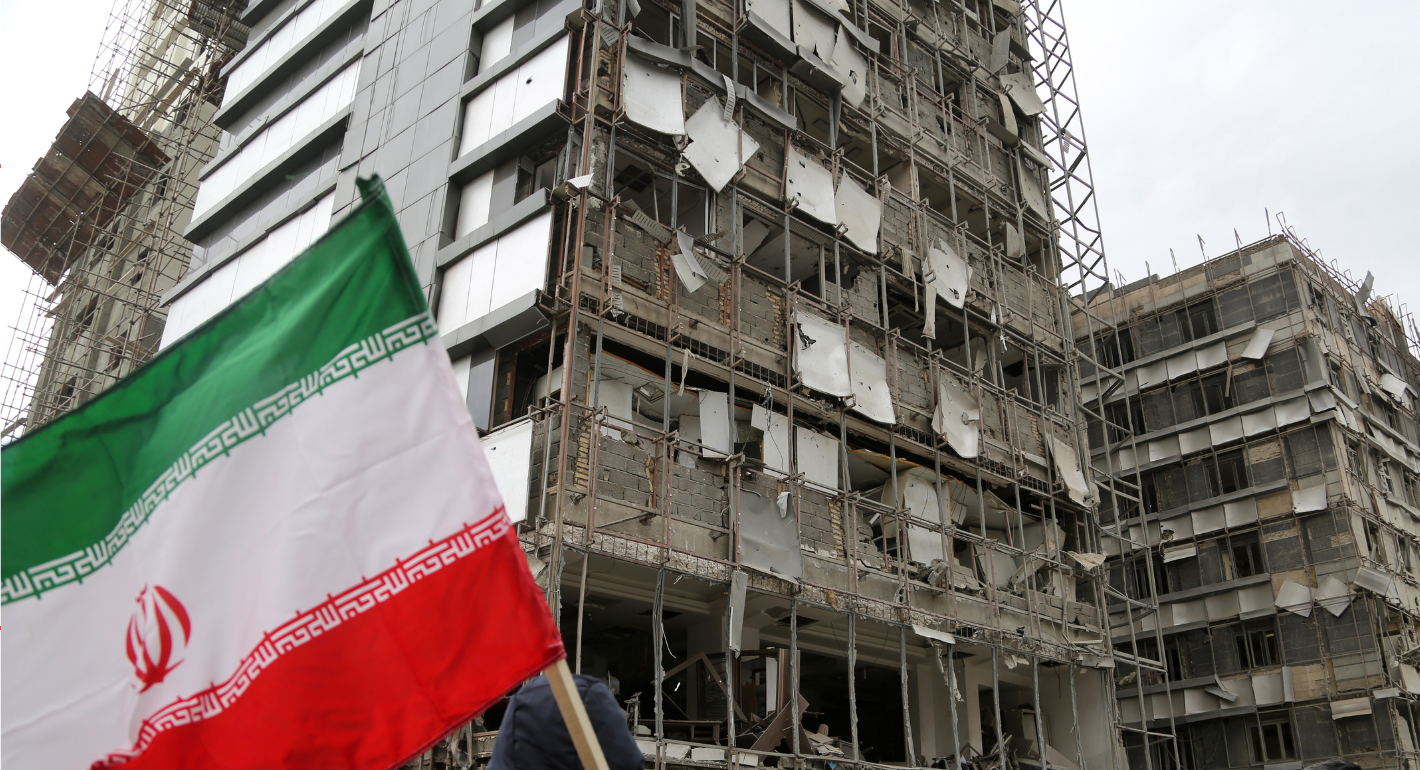
Europe’s reaction to the war in Iran has been disunited and meek, a far cry from its previously leading role in diplomacy with Tehran. To avoid being condemned to the sidelines while escalation continues, Brussels needs to stand up for international law.

Pierre Vimont