Source: American Academy Studies in Global Security
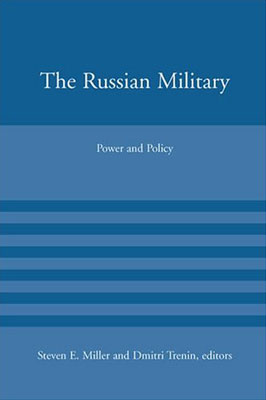
Russian military capacity remains a major consideration for global security even in the post-Soviet era. This book assesses today's Russian military and analyzes its possible future direction. The contributors—experts on the subject from both Russia and the West—consider not only how Russia has built its military capacity but also the policies and doctrines that have shaped Russia's defense posture. They discuss such topics as the downsizing of the Russian military, Russia's use of military power in regional conflicts, and the management of Russia's nuclear weapons.
For more than a decade, Russian leaders have struggled to formulate security and defense policies that protect Russia's borders and project Russia's influence. The contributors to The Russian Military find that the choices Russian leaders have made have been significantly influenced by the military reforms Russia has attempted to implement since the collapse of the Soviet Union. The protracted and intense debate over military reform has been--and will continue to be--decisive in shaping Russian military capacity.
Read selected chapters by Carnegie contributors, at right. Additional sections are available at the American Academy of Arts and Sciences web site. Copyright 2004 American Academy of Arts and Sciences.
About the Editors
Steven E. Miller is editor-in-chief of International Security and director of the International Security Program of BCSIA.
"This first-rate set of essays is a timely and remarkably comprehensive assessment of the contemporary state of the Russian military. It deserves the attention not only of those interest in military affairs, but also those concerned with political and economic developments in Russia."
—Lieutenant General William Odom (U.S. Army, Ret.), Senior Fellow, Hudson Institute
"This is the best collection of both contributors and contributions that I have seen on this subject."
—Brigadier General John C. Reppert (U.S. Army, Ret.), Dean of the College of International and Security Studies, Germany
"This book is a path-breaking contribution to our understanding of Russia."
—International Affairs
Carnegie does not take institutional positions on public policy issues; the views represented herein are those of the author(s) and do not necessarily reflect the views of Carnegie, its staff, or its trustees.
When the U.S.-Iran memorandum of understanding was announced, the UK, France, Germany, and Italy declared their readiness to help demine the Strait of Hormuz and lift nuclear sanctions on Tehran. But does Europe need new tools to recover a diplomatic role?
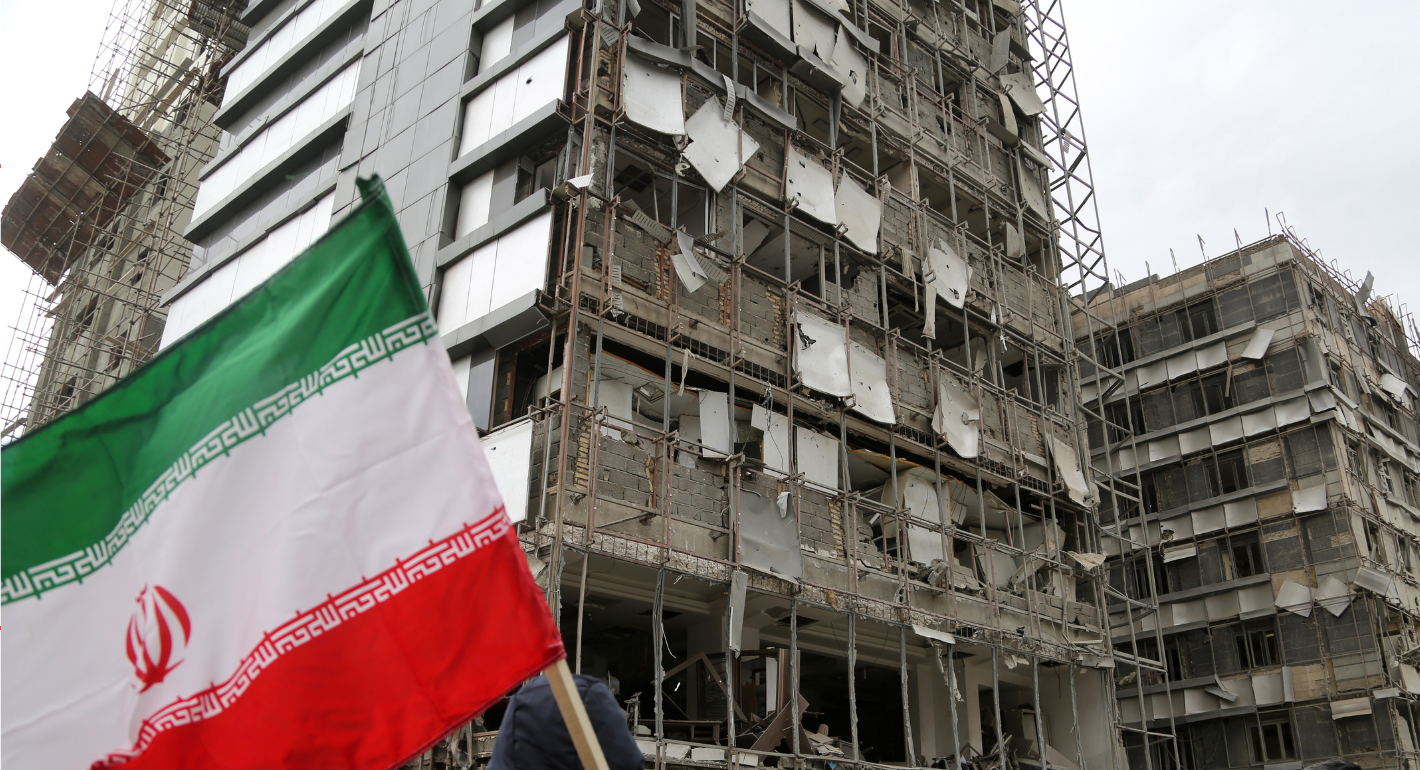
Amid uncertainty caused by the Iran war, the global drive for nonproliferation has stalled. With Europe diplomatically marginalized and countries reassessing their nuclear options, efforts to curb the spread of nuclear weapons risk becoming irrelevant.
French President Emmanuel Macron has unveiled his country’s new nuclear doctrine. Are the changes he has made enough to reassure France’s European partners in the current geopolitical context?
Europe’s reaction to the war in Iran has been disunited and meek, a far cry from its previously leading role in diplomacy with Tehran. To avoid being condemned to the sidelines while escalation continues, Brussels needs to stand up for international law.
France has stopped clinging to notions of being a great power and is embracing the middle power moment. But Emmanuel Macron has his work cut out if he is to secure his country’s global standing before his term in office ends.