

Paper
George Perkovich
The acquisition of nuclear weapons by terrorists or any additional states would shake the international system. The more strategically important the state, the greater the potential threat to global security.
Source: Strategic Studies Institute
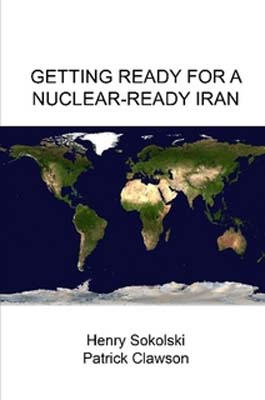
This chapter appears in Sokolski, H. D. and Clawson, P. (eds) Getting Ready for a Nuclear-Ready Iran, Strategic Studies Institute, United States Army War College, 2005.
The acquisition of nuclear weapons by terrorists or any additional states would shake the international system. The more strategically important the state, the greater the potential threat to global security.
Iran is a strategically vital actor in the international system. It incarnates an historically major civilization. It is the largest state in the regional complex that comprises the Persian Gulf, the Middle East, and Central Asia, including Turkey. Major developments in Iran, therefore, have wide reverberations simply as a matter of political geophysics. Iran’s large role in the global supply of fossil fuels makes it still more important. As a direct source of fuel, and also as a shaper of regional dynamics, Iran can signifi cantly affect the global economy, and therefore politics. Iran’s ties to terrorist organizations operating (primarily) in the Middle East renders Tehran a vital actor in the international campaign against terrorism.
Iran has the capability to peacefully augment or violently disrupt U.S. missions in Afghanistan and Iraq. Thus, a major change in Iran’s military strength and/or political status would directly affect major U.S. and international interests.
To continue reading this article, please follow the PDF link above.

Japan Chair for a World Without Nuclear Weapons, Senior Fellow
George Perkovich is the Japan Chair for a World Without Nuclear Weapons and a senior fellow in the Carnegie Endowment for International Peace’s Nuclear Policy Program. He works primarily on nuclear deterrence, nonproliferation, and disarmament issues.
Recent Work
George Perkovich
George Perkovich
Carnegie does not take institutional positions on public policy issues; the views represented herein are those of the author(s) and do not necessarily reflect the views of Carnegie, its staff, or its trustees.

When the U.S.-Iran memorandum of understanding was announced, the UK, France, Germany, and Italy declared their readiness to help demine the Strait of Hormuz and lift nuclear sanctions on Tehran. But does Europe need new tools to recover a diplomatic role?

Rym Momtaz, ed.

The EU’s new migration policy is not suited to today’s realities. With climate change increasingly becoming a driver of displacement, Europe needs to rethink its deterrence-focused approach.

Shana Tabak
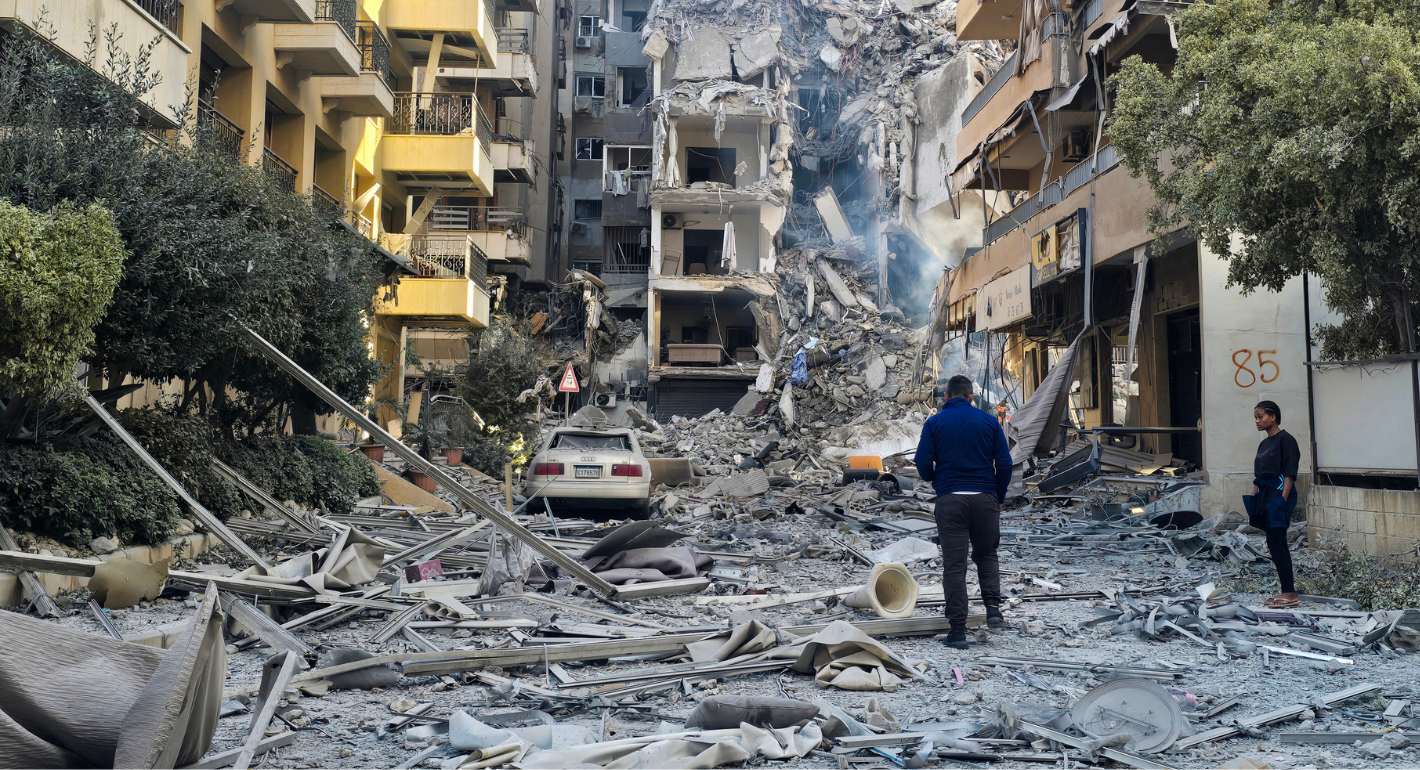
Europe seems to have accepted its sidelining in the Middle East. The EU must reassert its support for the international rules-based order and step up engagement.
Rym Momtaz

Amid uncertainty caused by the Iran war, the global drive for nonproliferation has stalled. With Europe diplomatically marginalized and countries reassessing their nuclear options, efforts to curb the spread of nuclear weapons risk becoming irrelevant.

Jane Darby Menton
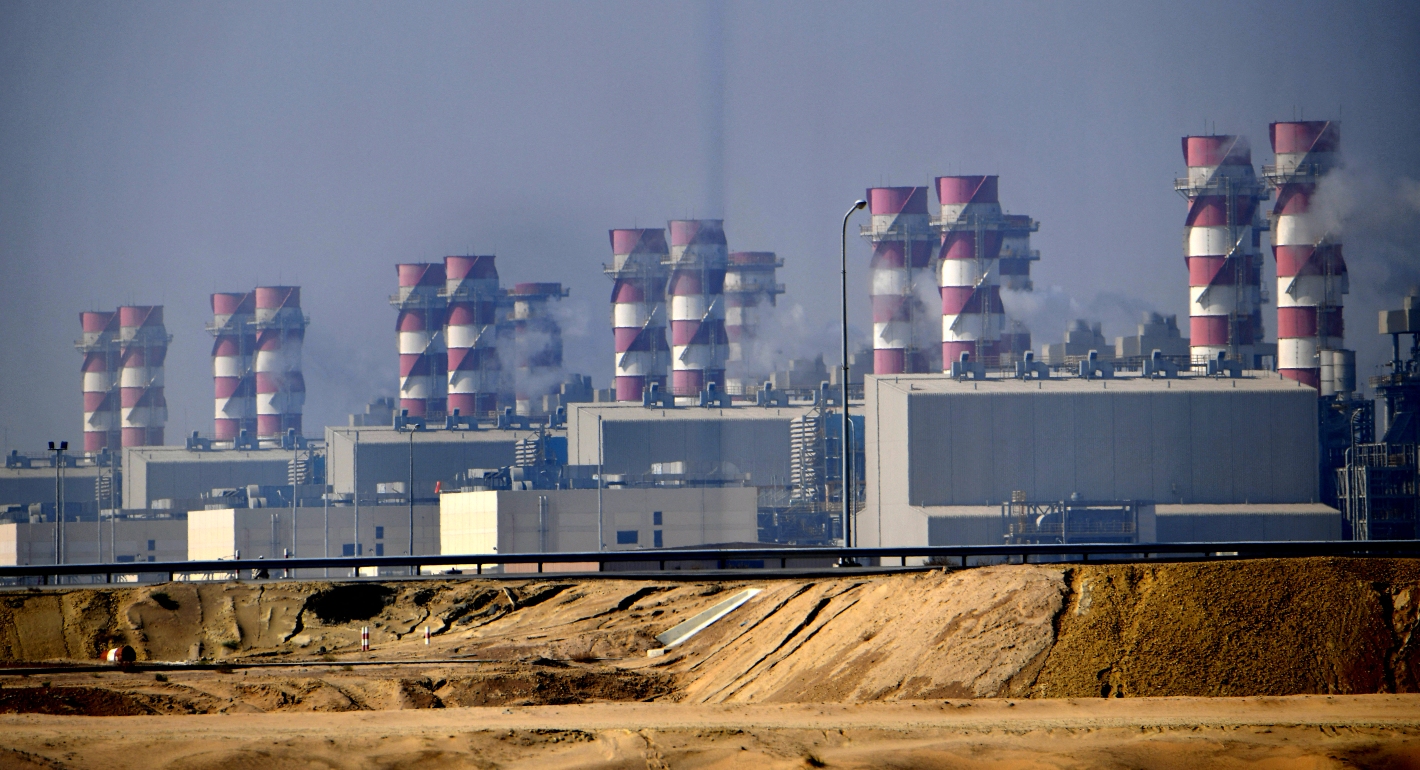
The U.S.-Iran war has crossed a dangerous threshold: water infrastructure in the Gulf is now a target. Ecological statecraft is no longer peripheral to security, it's part of its foundations.


Olivia Lazard, Ali Bin Shahid