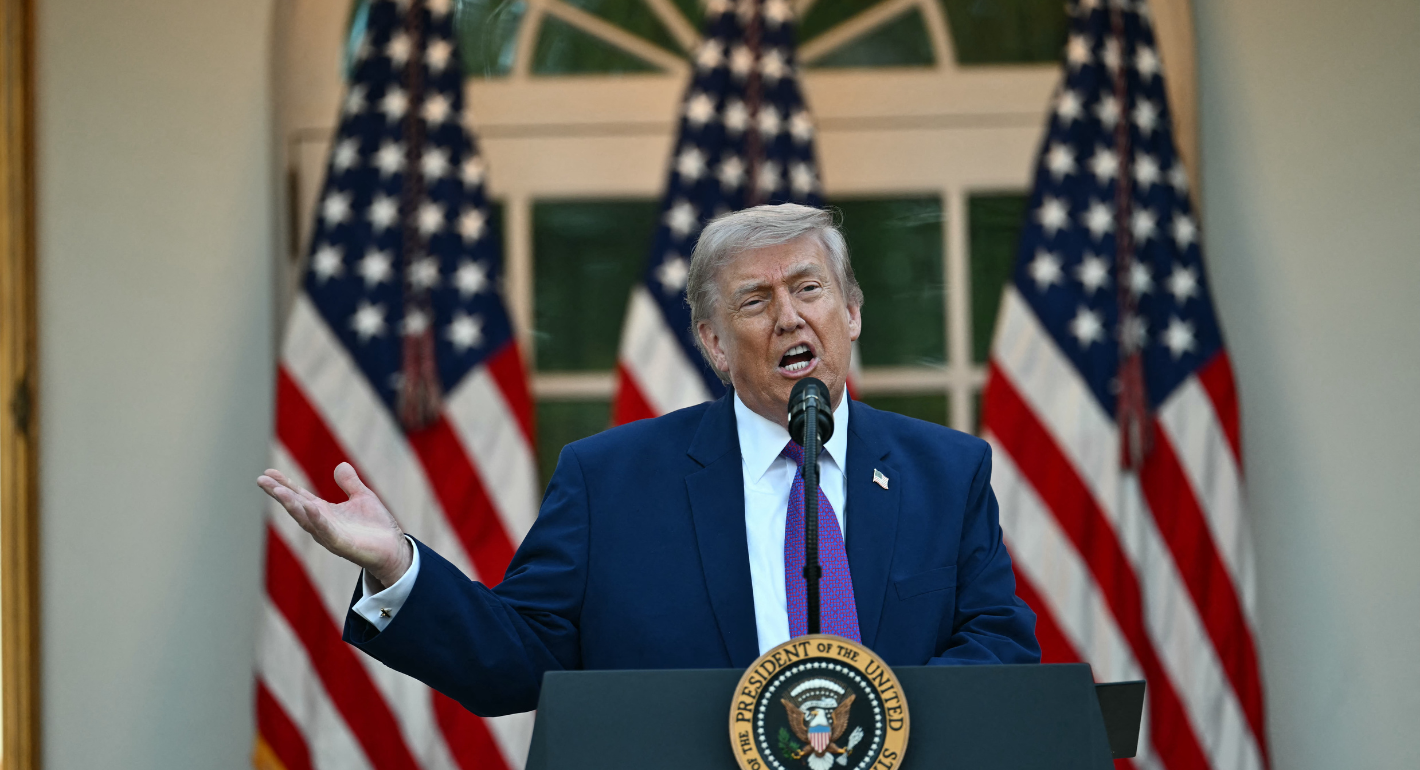
The Washington Post’s David Ignatius this week calls France “Bush’s new ally,” noting the increased cooperation between the two nations in several key areas. We can add one more to his list: India. France sees several benefits to opening up nuclear trade with India, as President George Bush wants. Even though it could setback global nonproliferation efforts, it would increase French-Indian trade and investment. There is a catch: while President Bush sees the deal as a way to expand U.S. influence, France sees it as a way to check that influence.
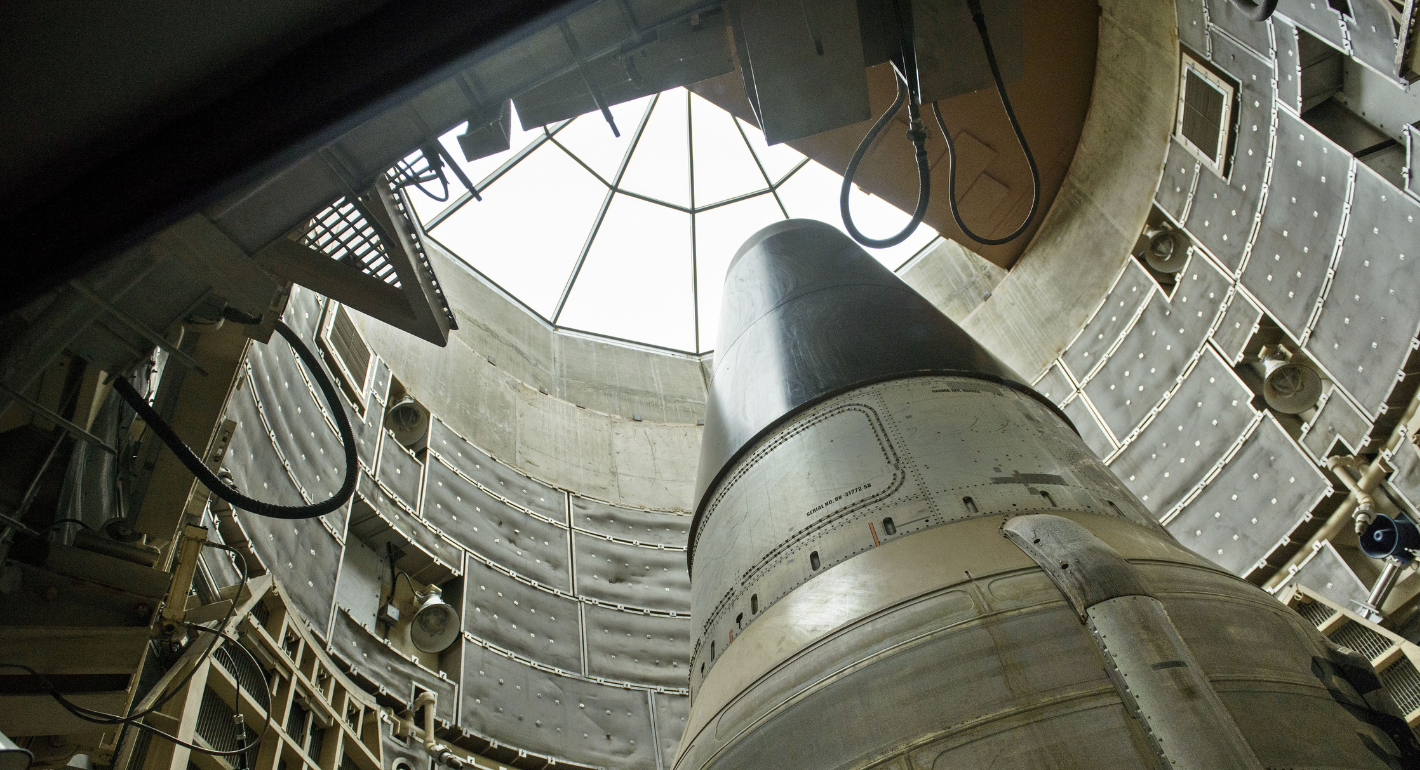
Here is the problem for both the United States and France. The U.S.-India “global partnership” proposed on July 18, 2005 by President Bush and Prime Minister Manmohan Singh will violate Nuclear Supplier Group (NSG) comprehensive safeguard guidelines. Changing NSG guidelines to give India a permanent exception to the rules requires group consensus, but the president has run into resistance from a number of key NSG members. At an October 2005 meeting of the NSG, France, Russia and the United Kingdom showed support for dropping nuclear trade restrictions on India, but Austria, Sweden and Switzerland “registered strong reservations,” according to Wade Boese of Arms Control Today.
The president will try to win Congressional approval of the deal before bringing a formal proposal to a vote in the NSG. But Congress has its own reservations. House International Relations Committee Chairman Henry J. Hyde asked Congress to consider “whether the net impact on our nonproliferation policy is positive or negative. If the answer is the latter, the second and larger question is whether or not the strategic benefits gained outweigh any potential damage to that same policy.”
France has proclaimed its own Indian “strategic partnership” (partenariat stratégique). A September 12 Joint Statement by President Jacque Chirac and Prime Minister Singh proclaimed, “France recognizes the need for full international co-operation with India in the field of civil nuclear power, and will work in this direction while collaborating with other countries and the Nuclear Suppliers Group.” French interest pre-dates the American initiative. In May, Aviation Week & Space Technology reported that, “France has been eager to export nuclear reactors to India, although the subject is politically touchy because of the Nuclear Non-Proliferation Treaty.”
Breaking the Rules
France supports an Indian exception to NSG rules. “France, like the U.S. and Britain, will work with other members of the 44-nation Nuclear Suppliers Group to dismantle the longstanding restrictions on the supply of technology and equipment to India’s civilian nuclear program,” said President Chirac after meeting with Singh in September.
The nuclear trade is only part of the larger economic relationship. France is India’s sixth largest trading partner. France’s exports to India increased 25 percent from $988 million in 2004 to $ 1.24 billion in 2005, according to Economy Watch. There are also some more direct economic connections swirling around the deal. France’s support for an Indian exemption to NSG rules, for example, came shortly after India signed a $3.5 billion deal to buy six French diesel-electric submarines. State-owned Indian Airlines then committed to the purchase of 43 Airbus aircraft for approximately $ 2.2 billion after Prime Minister Singh cleared the proposal before meeting with President Chirac in September. (Airbus is owned by France, Spain, Germany and Great Britain.) The French-Indian Joint Statement indicates that France and India are now finalizing “a framework agreement on defense cooperation.” The French company Sagem Defense and Security, part of the Safran Group, is discussing a deal with the Indian air force to provide precision-guided air-to-surface weapons for India's Sukhoi Su-30MKI and MiG-29 fighter aircraft.
France may also see this deal as a way to create stronger trade linkages with India’s emerging economy in order to balance out U.S. global economic power. France has worked on creating a “Partenariat Stratégique” with India since 1998. The French and Indian Joint statement declared that, “The reasons which called for close relations between the two countries at that time [1998] are even stronger today, in the context of a reconfiguration of the global balance of power, the emergence of India as a great power being one of its most significant features.” At a press conference in July of 2005 French Minister of Foreign Affairs, M. Philippe Douste-Blazy said, “We have often spoke on this subject of a multipolar world and it seems to me that this term translates well with contemporary reality where we see new regional powers emerging, such as South Africa, Brazil, India or China…which intend to play, with good reason a world part. Currently this evolution should not be disputed but on the contrary it should be organized to set up a true world democracy, founded on laws that are accepted by all and able to help peace and stability prevail.”
Both President Bush and President Chirac have legal constraints to deal with, such as NSG guidelines, national law and, possibly for France, European Union export control law. Within both nations, debate will center on whether their proposed nuclear trade would cripple the NSG, a key instrument for preventing the spread of nuclear weapons technology. Ultimately, the two nations will have to decide whether the profits from the Indian nuclear deals are worth weakening the nonproliferation regime both nations worked so hard to construct.
Related Links:
Opening Statement Full Committee Hearing, by Chairman Henry J. Hyde, September 8, 2005.
Suppliers Weigh Indian Nuclear Cooperation, by Wade Boese, November 2005.
Joint Statement between President George W. Bush and Prime Minister Manmohan Singh, July 18, 2005.
Scorpene Deal Will Ensure Nuke Supply, by Kushal Jeena, September 13, 2005.
France Backs India’s UNSC bid, the Daily Times, September 13, 2005.
IA Likely to Sign Pact for 43 Airbus Aircraft Purchase Today, by Ashwini Phadnis, December 15, 2005.
Conférence de presse mensuelle de M. Philippe Douste-Blazy, Ministre des Affaires Etrangères, July 26, 2005.
Text of Chirac-Singh joint statement, September 12, 2005.
Beijing blusters over India’s nuclear deal, by Siddharth Sivastava, November 5, 2005.
NSG Plenary Meeting, June 23-24, 2005.