

Commentary
Before the next wave of EU enlargement takes place, the union needs to grapple with thorny questions of how power is distributed among its members.
Emil Sondaj Hansen, Ditte Brasso Sørensen

Source: Getty
The 2006 parliamentary elections in Kuwait have two striking features. First, they are occasioned by an intense controversy over the size of electoral districts—a seemingly technical matter with significant implications for Kuwaiti political life. Second, in this dispute, liberals and Islamists are very much on the same side—a rare alliance in the region, and unusual even in Kuwait.
On June 29, 2006, Kuwaitis go to the polls to elect a parliament. While the elections have drawn little international attention, the poll could have deep implications for the future of the Arabian peninsula’s most democratic political system. This year’s voting may seem routine—with two interruptions, Kuwait has had regular parliamentary elections since independence. But the 2006 parliamentary elections have two striking features. First, they are occasioned by an intense controversy over the size of electoral districts—a seemingly technical matter with significant implications for Kuwaiti political life. Second, in this dispute, liberals and Islamists are very much on the same side—a rare alliance in the region, and unusual even in Kuwait.
This is a web-only publication.

Nonresident Senior Fellow, Middle East Program
Nathan J. Brown, a professor of political science and international affairs at George Washington University, is a distinguished scholar and author of nine books on Arab politics and governance, as well as editor of five books.
Dina Bishara
Carnegie does not take institutional positions on public policy issues; the views represented herein are those of the author(s) and do not necessarily reflect the views of Carnegie, its staff, or its trustees.

Before the next wave of EU enlargement takes place, the union needs to grapple with thorny questions of how power is distributed among its members.


Emil Sondaj Hansen, Ditte Brasso Sørensen

As the EU confronts profound challenges, several leaders have called for fundamental reform to the union’s model—but only modest, superficial changes have resulted. What if Europe really could be reimagined from zero today: What should such a redesigned European order look like?

Richard Youngs, ed.
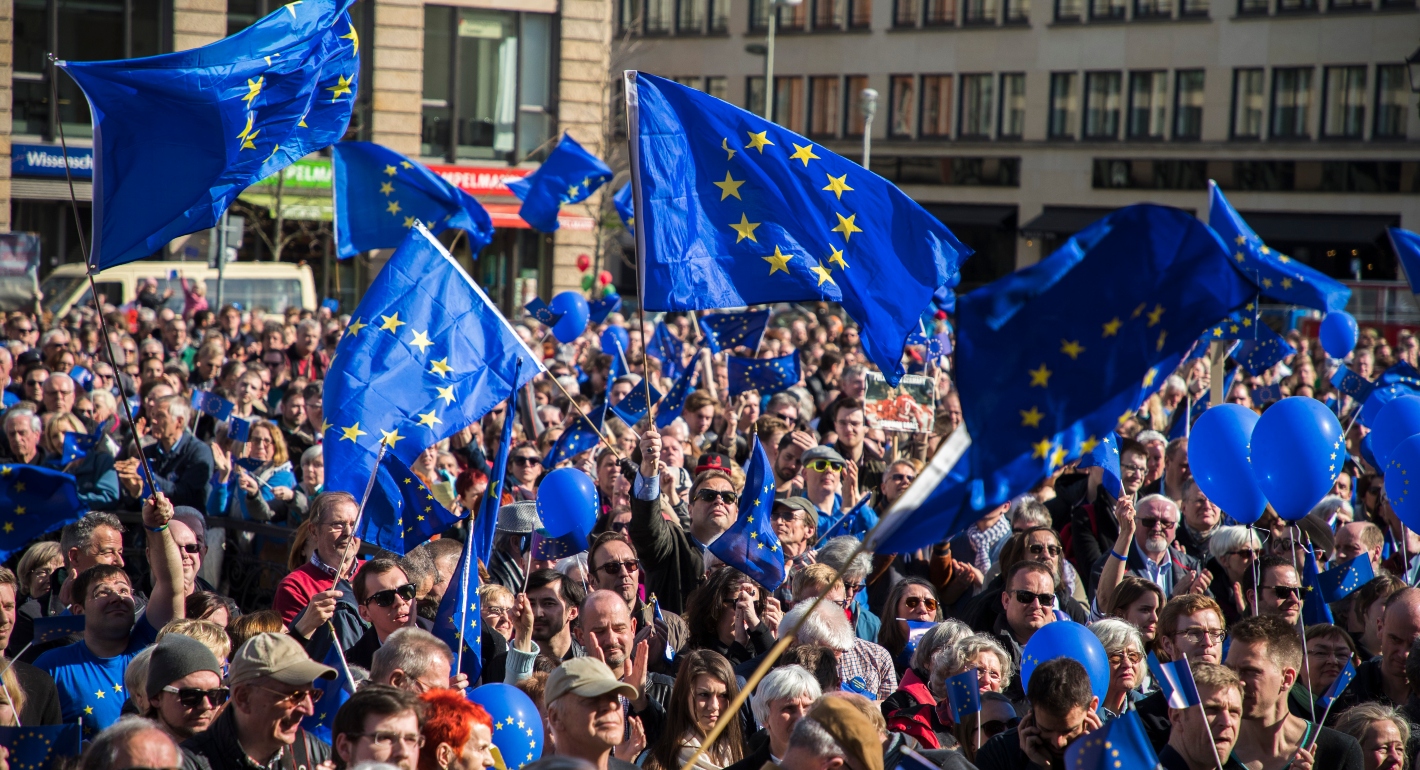
Preparing candidate countries for EU membership is no longer enough. As the enlargement process becomes a reality, the union must also prepare its own societies.

Iliriana Gjoni
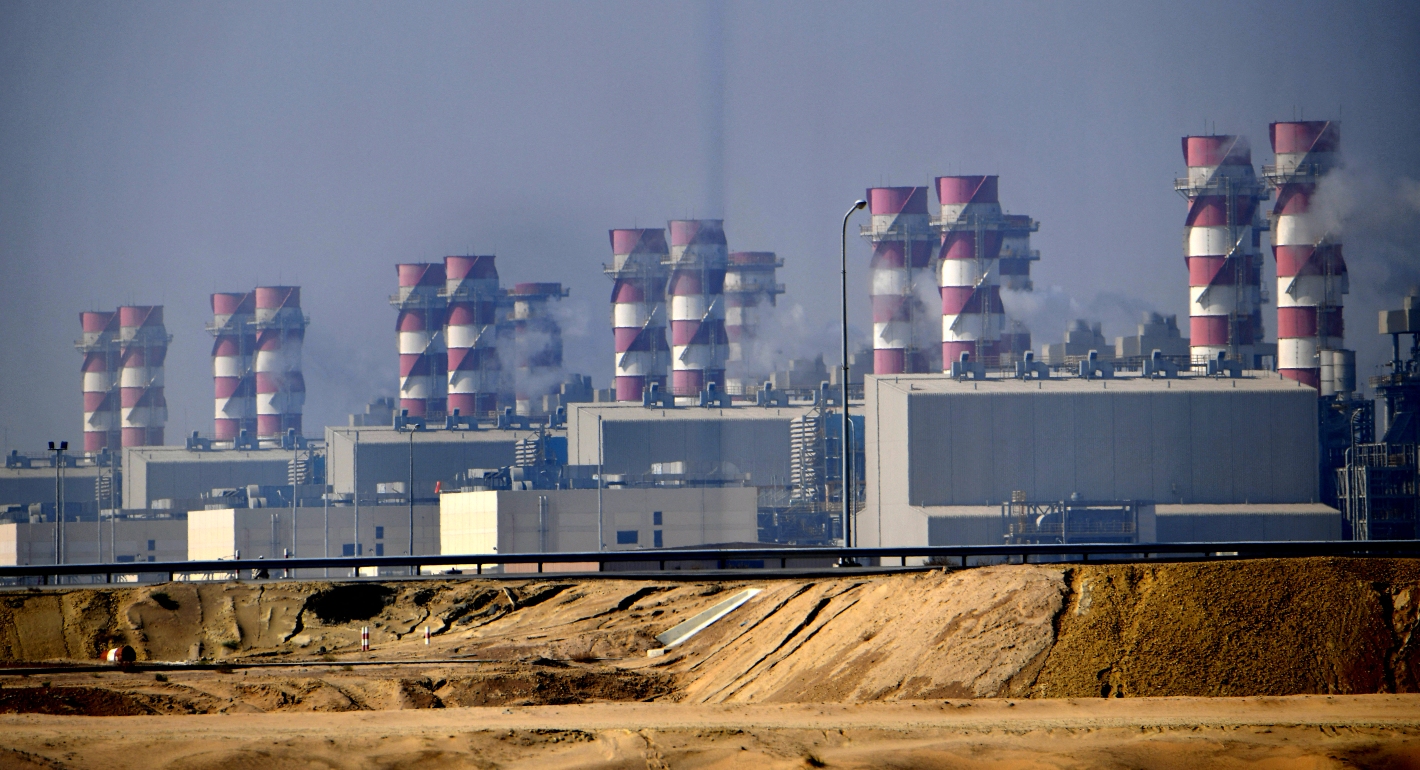
The U.S.-Iran war has crossed a dangerous threshold: water infrastructure in the Gulf is now a target. Ecological statecraft is no longer peripheral to security, it's part of its foundations.


Olivia Lazard, Ali Bin Shahid
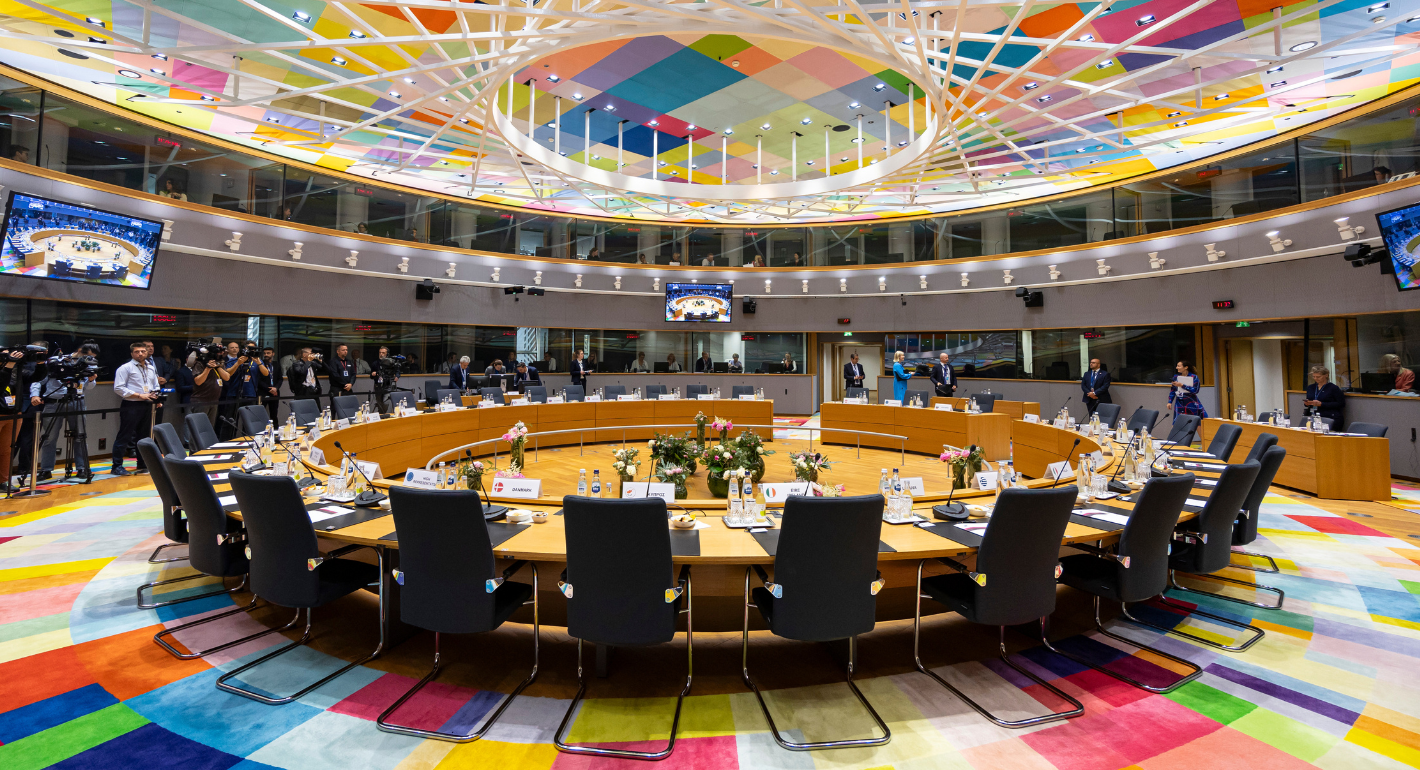
Countries face several hurdles in joining the EU, including the final stage of ratifying their accession treaties. Procedural reforms and substantive adjustments could help move the process forward.

Stefan Lehne