• Research
  • Strategic Europe
  • About
  • Experts
Carnegie Europe logoCarnegie lettermark logo
EUUkraine
  • Donate
REQUIRED IMAGE

REQUIRED IMAGE

Article

Nuclear Lessons from Hanoi


(Commentary by Rose Gottemoeller, Director of the Carnegie Moscow Center)


Two images caught my eye in the media coverage of the Asia Pacific Economic Cooperation summit inHanoi.  The first was the TV picture of President Bush and President Putin, wearing blue Vietnamese clothes that looked a bit like surgeon’s robes, a bit like nightgowns.  (Note to APEC leaders: It’s time to stop dressing up your colleagues in the national outfit for a photo-op.  Those clothes only look good on you.) 


The photo stuck with me though, for the matching blue that Bush and Putin were issued.  We might not like each other, but the rest of the world still pairs us together.  We are still expected to work on problems, find solutions, and hammer out compromises when they are needed.  That effect was clear this weekend, when theUnited StatesandRussiawere at the pivot point of efforts to develop a way forward in the nuclear crises withIranandNorth Korea. (Read More)


Link Copied
By Rose Gottemoeller
Published on Dec 7, 2006

(Commentary by Rose Gottemoeller, Director of the Carnegie Moscow Center)


Two images caught my eye in the media coverage of the Asia Pacific Economic Cooperation summit in Hanoi.  The first was the TV picture of President Bush and President Putin, wearing blue Vietnamese clothes that looked a bit like surgeon’s robes, a bit like nightgowns.  (Note to APEC leaders: It’s time to stop dressing up your colleagues in the national outfit for a photo-op.  Those clothes only look good on you.) 


The photo stuck with me though, for the matching blue that Bush and Putin were issued.  We might not like each other, but the rest of the world still pairs us together.  We are still expected to work on problems, find solutions, and hammer out compromises when they are needed.  That effect was clear this weekend, when the United States and Russia were at the pivot point of efforts to develop a way forward in the nuclear crises with Iran and North Korea.


The second image was a newspaper headline: “U.S., Russia Sign 800-Page WTO Deal.”  That one made me smile even more than the blue gowns.  When the Bush administration arrived in office in 2001, they insisted that long, arduously negotiated agreements were not necessary.  “We’re friends with the Russians now,” was the constant refrain, “Friends don’t need complicated, convoluted, legally-binding treaties.” 


On that basis, the administration rejected the model of the 500-page START treaty, which President Bush’s father had signed with President Gorbachev in 1991 and which cut in half the strategic nuclear weapons of the two countries.  Instead, the new team tried to convince the Russians to proceed with further nuclear reductions on a handshake.  Putin insisted that he needed a legally-binding document, and thus in 2002, a new, highly simplified nuclear treaty was signed in Moscow.


So when Bush stood to applaud signature of an 800-page WTO agreement with Russia, I had to smile.  His administration beat the START treaty by 300 pages!  Legally-binding treaties are not so bad, it seems, and sometimes, they are absolutely needed.


For me, the two images combine to point to the problem of nuclear weapons.  The world is expecting Russia and the United States to do something about the nuclear crises in Iran and North Korea.  And negotiated, binding agreements have a place in the solution: clearly, we hope to negotiate legal arrangements with those two nuclear “bad boys.”  But agreements also have a place between friends: they assure us that the results we are expecting will be accomplished, and they convince the rest of the world that we are serious. 


Since 2002, when the last arms treaty was signed, Washington and Moscow have not been talking about their own nuclear arsenals.  Each country has quietly gone about its nuclear business, reducing the numbers of deployed weapons as agreed, but not otherwise changing much the Cold War way of doing nuclear business.  In particular, the two arsenals are still pointed at each other at a very high level of readiness, ready to launch on little more than a moment’s notice.


Other countries have noticed this lack of action by the two big nuclear powers.  They are complaining at full volume that Moscow and Washington are not living up to their commitment, under Article VI of the Non-Proliferation Treaty, to reduce and eventually eliminate nuclear weapons.  While this impression remains, it is that much harder to convince other countries—most immediately Iran and North Korea—that they need to get serious about resolving their particular nuclear crises.


The United States and Russia need not do much to start the momentum in the other direction.  Indeed, they should not begin negotiating another 500-page agreement.  Existing treaties give them enough of a legal basis to start on further reductions, and further agreements can follow the short and simple model.  The agenda should be active, however, accomplished before Bush and Putin leave office in 2008:


  • Extend the START treaty beyond the end of 2009, when it will run out; at the same time, simplify some of the verification provisions that are Cold War relics.
  • Amend the 2002 Moscow treaty to reduce the arsenals further, from the 1700-2200 nuclear weapons allowed under the treaty to 1000 weapons on each side.
  • Agree to some reasonable measures to reduce the high levels of readiness in the nuclear forces and lower the risk of accidental or unauthorized nuclear launch.


If the two Cold War adversaries can come together on this agenda, then it will pay many dividends. They will have an easier time making the case to Iran and North Korea, and they will also reinforce their long-term authority to work at solving nuclear proliferation problems whenever they emerge in the future.  And Washington and Moscow will gain confidence that nuclear weapons are not a driving priority in the other capital.


Whether we like it or not, we are still dressed in the same cloth, and our responsibilities from the Cold War have not left us behind.  At least we are no longer claiming that we cannot talk to each other about serious agreements.  In the nuclear realm, it’s high time we get on with business.


This piece was originally published in Russian in the Nezavisimaya Gazeta. Click here to access it online.


Rose Gottemoeller is Director of the Carnegie Moscow Center.  She was Deputy Undersecretary of Energy responsible for nonproliferation programs during the Clinton Administration.


About the Author

Rose Gottemoeller

Nonresident Senior Fellow, Nuclear Policy Program

Rose Gottemoeller is a nonresident senior fellow in Carnegie’s Nuclear Policy Program. She also serves as lecturer at Stanford University’s Freeman Spogli Institute for International Studies and is a research fellow at the Hoover Institution. Ambassador Gottemoeller served as the deputy secretary general of NATO from 2016 to 2019. 

    Recent Work

  • Q&A
    The Spectacular Rise of the “Bad Boys” of NATO During the Ukraine Crisis
      • Alexander Gabuev
      • +2

      Judy Dempsey, Alexander Gabuev, Rose Gottemoeller, …

  • Q&A
    Russia Is Updating Their Nuclear Weapons: What Does That Mean for the Rest of Us?

      Rose Gottemoeller

Rose Gottemoeller
Nonresident Senior Fellow, Nuclear Policy Program
Rose Gottemoeller
North AmericaUnited StatesCaucasusRussiaNuclear PolicyNuclear Energy

Carnegie does not take institutional positions on public policy issues; the views represented herein are those of the author(s) and do not necessarily reflect the views of Carnegie, its staff, or its trustees.
More Work from Carnegie Europe

  • Commentary
    Strategic Europe
    Taking the Pulse: Can NATO Survive the Iran War?

    Donald Trump has repeatedly bashed NATO and European allies, threatening to annex Canada and Greenland and deploring their lack of enthusiasm for his war of choice in Iran. Is this latest round of abuse the final straw?

      • Rym Momtaz

      Rym Momtaz, ed.

  • Commentary
    Strategic Europe
    On NATO, Trump Should Embrace France Instead of Bashing It

    Donald Trump’s repudiation of NATO goes against the Make America Great Again vision of a U.S.-centered foreign policy. If the goal is to preserve the alliance by boosting Europe’s commitments, leaning into France’s vision is the most America First way forward.

      • Rym Momtaz

      Rym Momtaz

  • Commentary
    Europe Doesn’t Like War—for Good Reasons

    The wars in Ukraine and the Middle East are existential threats to Europe as a peace project. Leaders and citizens alike must reaffirm their solidarity to face up to today’s multifaceted challenges.

      Marc Pierini
  • Article
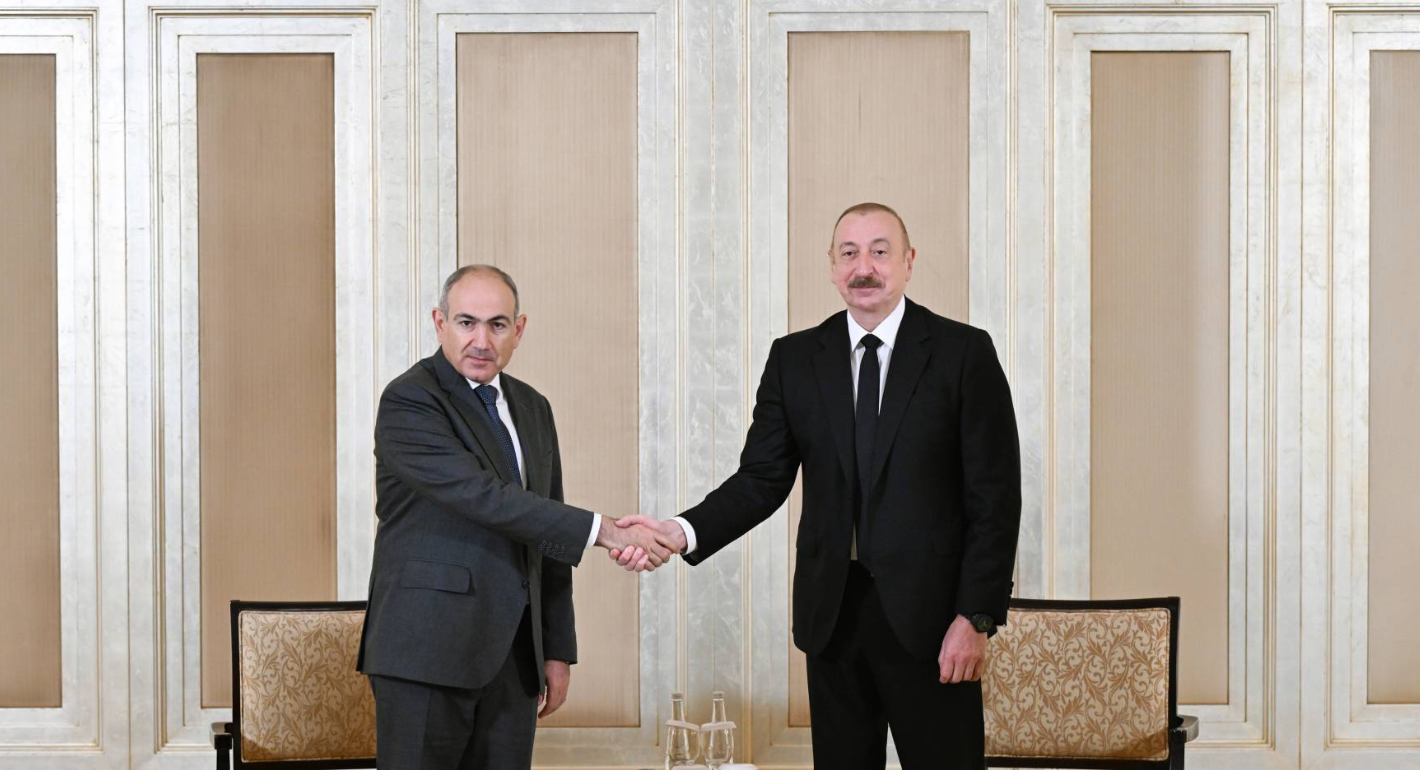
    Rewiring the South Caucasus: TRIPP and the New Geopolitics of Connectivity

    The U.S.-sponsored TRIPP deal is driving the Armenia-Azerbaijan peace process forward. But foreign and domestic hurdles remain before connectivity and economic interdependence can open up the South Caucasus.


      • Areg Kochinyan

      Thomas de Waal, Areg Kochinyan, Zaur Shiriyev
  • Commentary
    Strategic Europe
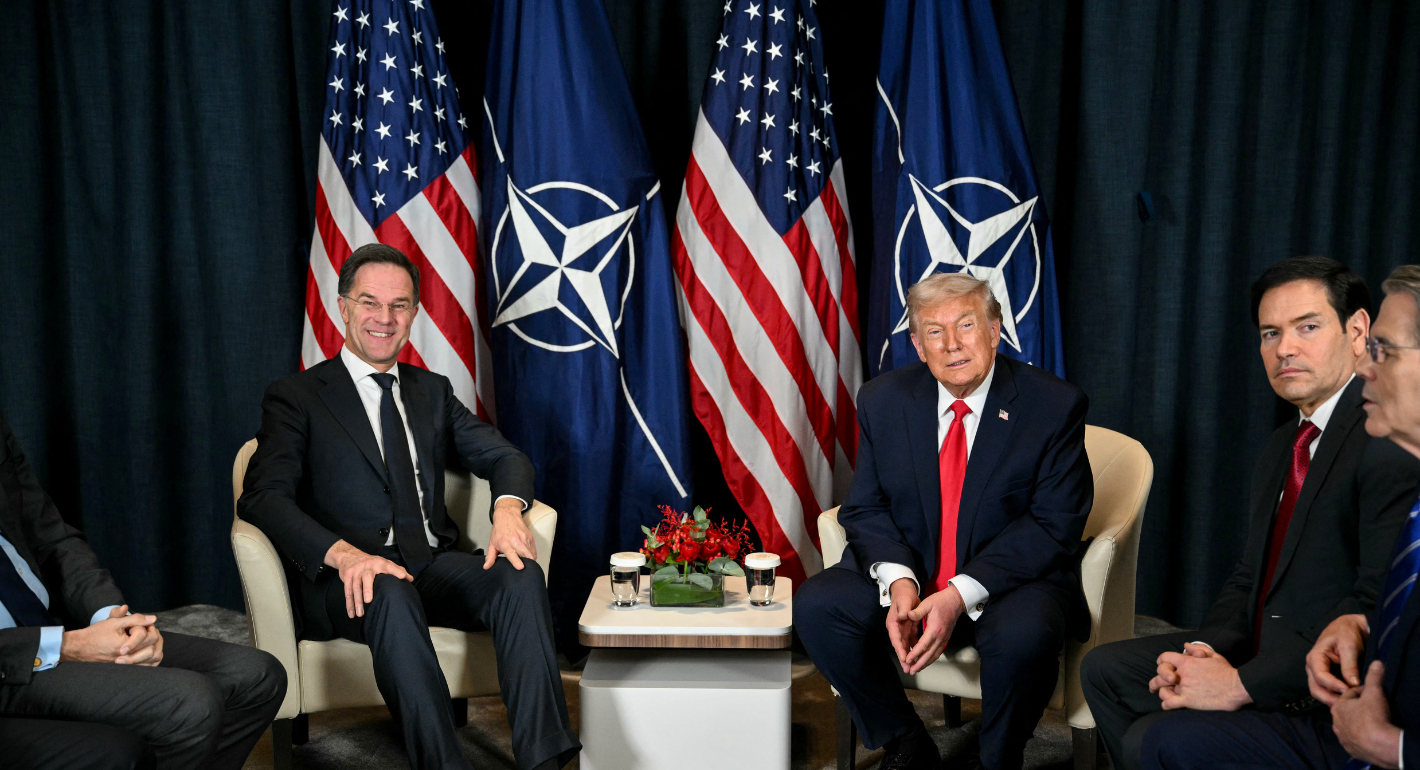
    Taking the Pulse: Is it NATO’s Job to Support Trump’s War of Choice?

    Donald Trump has demanded that European allies send ships to the Strait of Hormuz while his war of choice in Iran rages on. He has constantly berated NATO while the alliance’s secretary-general has emphatically supported him.

      • Rym Momtaz

      Rym Momtaz, ed.

Get more news and analysis from
Carnegie Europe
Carnegie Europe logo, white
Rue du Congrès, 151000 Brussels, Belgium
  • Research
  • Strategic Europe
  • About
  • Experts
  • Projects
  • Events
  • Contact
  • Careers
  • Privacy
  • For Media
  • Gender Equality Plan
Get more news and analysis from
Carnegie Europe
© 2026 Carnegie Endowment for International Peace. All rights reserved.