A recent article (Roger Stern, "The Iranian Petroleum Crisis and United States National Security", PNAS, January 2, 2007) suggests that, because of a likely decline in Iranian oil exports and the attendant revenues, "Iran's claim to need nuclear power could be genuine". The article then suggests that dramatically increased automotive fuel efficiency in the OECD, China and India would collapse the price of oil, leaving Iran more vulnerable and tractable than would either war or sanctions.
Dramatic increases in OECD energy efficiency are a wise and necessary response to climate change in any case. If this contributes to the resolution of the Iranian nuclear crisis, so much the better. However, the suggestion that the Iranian nuclear power program is a response to an impending decline in Iranian oil exports is surely mistaken. Here are four reasons why:
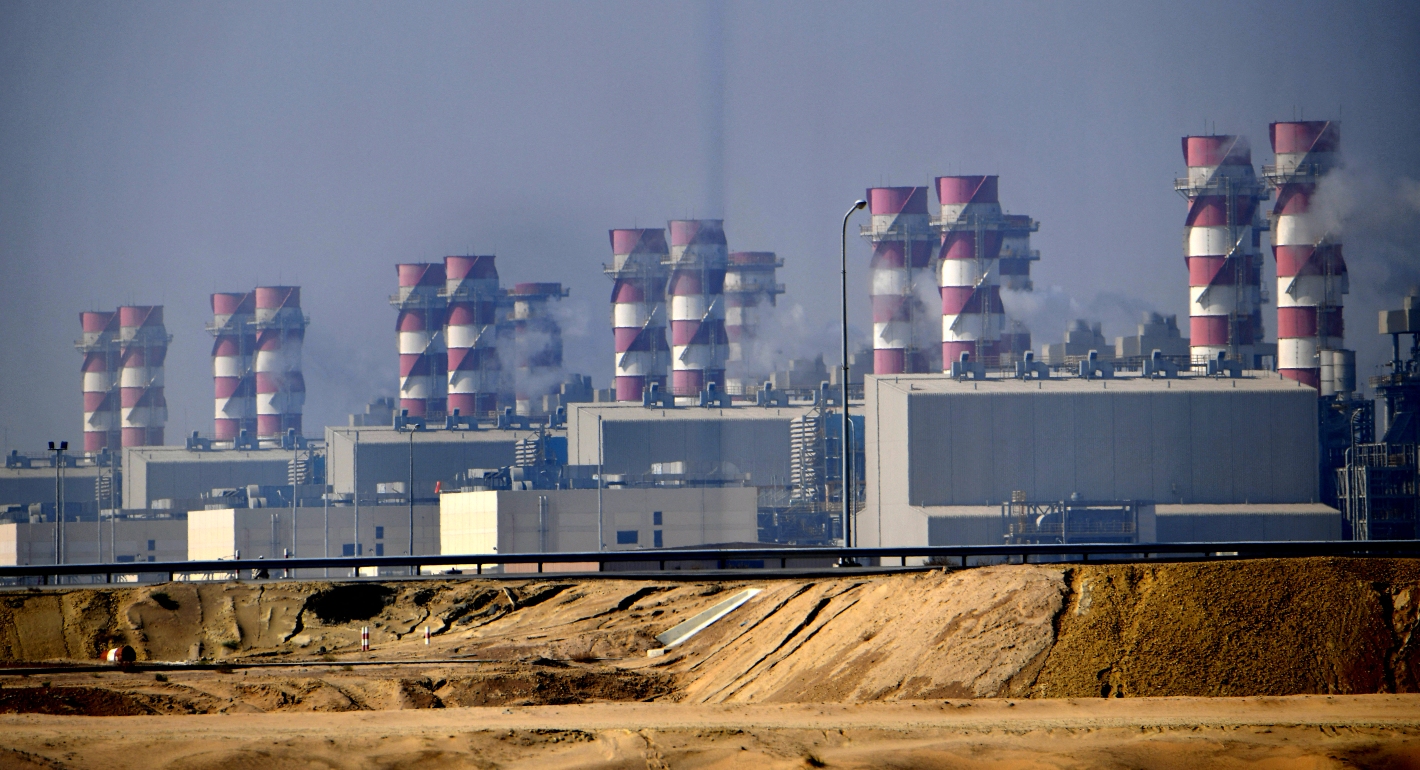
1) Nuclear power's only use is making electricity, so it can displace only electricity producing fuels. Some 75% of Iran's 2004 electricity (in a system roughly comparable in capacity to New England's) came from natural gas and another 7% from hydroelectricity. Both sources are growing, so the prospect that "reactors will substitute for power now generated by petroleum, freeing petroleum for export" doesn't amount to much. Furthermore, the lucrative international market is for crude oil, not power plant fuel.
Iran's interest in uneconomic nuclear power is not by itself proof of an intent to develop nuclear weapons. Many countries have pursued nuclear power programs that made little economic sense, often as a result of bureaucratic or political imperatives or odd notions of what constitutes national prestige. If one is searching for a peaceful explanation for the Iranian nuclear power program, this seems a more promising conjecture than that nuclear power will release oil from an electric sector that hardly consumes any.
2) Nuclear energy is more expensive in Iran than oil or natural gas-fired electricity. This has been true throughout Iran's 30 year involvement with nuclear power. While Russia may have made short term loans (i.e. tolerated temporary payment delays) for the first unit at Bushehr (on which Iran has already spent - and defaulted on -hundreds of millions of dollars to the original German suppliers) it cannot be expected to do so for a nuclear program large enough to make a significant difference in future gas export revenues. More importantly, without subsidy for nuclear power's high costs, Iran can not count on sufficient revenue from oil and gas exports to offset the cost of nuclear power at home. No country or region relying on competitive and transparent power supply procurement and having access to ample domestic natural gas has ever chosen to build a new nuclear plant, because nuclear power - especially at unique facilities like Bushehr, which is behind schedule and over budget on the Russian portion alone- remains more expensive than fossil fuels, even at world market prices.
3) Iran is building not just an uneconomic nuclear power plant but also expensive facilities for uranium enrichment and heavy water production. These facilities are not essential to a small nuclear power program because enriched uranium and heavy water can both be purchased more cheaply from other suppliers than custom built for a few power reactors. Heavy water is of no use at Bushehr in any case. As Mr. Stern recognizes, "Iran's claim that its nuclear technology is entirely peaceful appears to be false".
4) If Iran wants to conserve oil and gas for export, then furthering domestic energy efficiency and renewable energy would free up more of both commodities at less cost than would a nuclear power program. Indeed, nuclear power is among the most costly ways a country could choose to reduce oil use. Ironically, the energy efficiency measures that Mr. Stern urges in order to destabilize the Iranian regime would, if adopted within Iran, be the regime's best defense.
Mr. Stern's wise suggested reductions in petroleum use in the OECD countries would of course impair budgets in several oil producing regions of concern to our government, including Texas. Proposals to decrease the price of oil dramatically are not warmly received in Washington. In the mid-1980s, Vice-President Bush, alarmed at the impact in the U.S. of rapid world oil price declines resulting from high Saudi production, flew off to Saudi Arabia for consultations, saying memorably that- although Reagan administration policy was "market, market, let the market forces work" - the price of oil could not be allowed to go into "free fall like a parachutist jumping out without a parachute".
Oil price declines have not numbered among either political party's accomplishments since that time, and oil is arguably underpriced in any case when its environmental and security implications are taken into account. But the contribution of inefficient end use to producing nation treasuries remains a worthy target.
So good luck, Mr. Stern.
Peter Bradford is a visiting lecturer on Nuclear Power and Public Policy at Vermont Law School. He is a former commissioner on the U.S. Nuclear Regulatory Commission and a former chair of the New York and Maine utility regulatory commissions. He wrote this analysis for the Carnegie Endowment.