One of the most vexing questions regarding the Iranian nuclear crisis is that analysts are unable to determine whether or not Iran has actually decided to build nuclear weapons or whether it just wants a “hedging” option at this point. This is important to determine the diplomatic margin of maneuver that the US and Europe still have vis-à-vis Tehran, and the type of sanctions that should be applied if Iran did not comply with UNSC Resolution 1737.
The history of the French nuclear program can provide some interesting lessons.
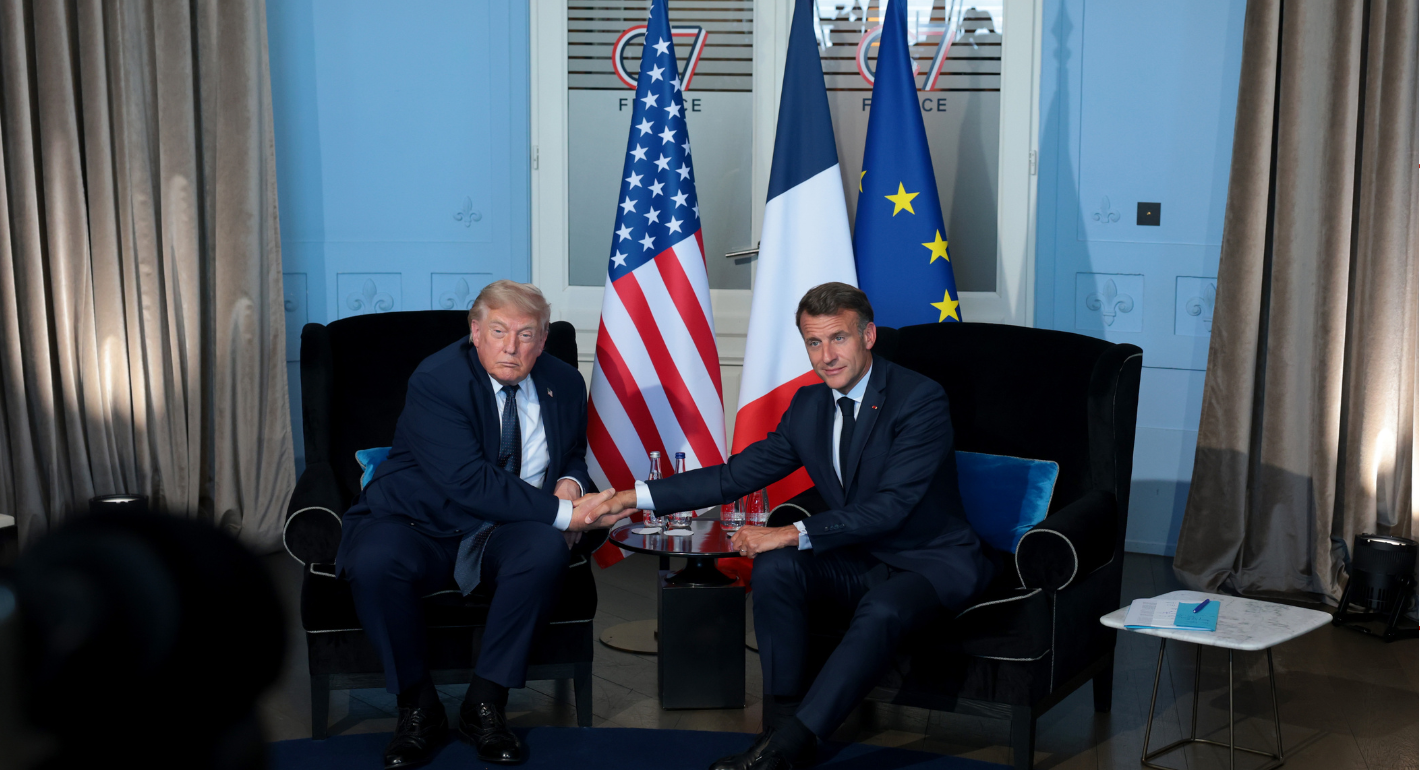
When the French Atomic Energy Commissary (CEA) was created in 1945, its mission was to explore all dimensions of nuclear science and technology. No difference was made between the civilian and military domain. Nuclear technology was the way of the future. Three rationales for the Bomb appeared in the French debate. One was modernity and the benefits that nuclear technology could bring to the economy and to the armed forces. The second was prestige: France needed to regain its status in the region after several years of war, when the continent’s fate had been shaped by the United States and the United Kingdom. It was judged unthinkable that Paris would not have the same status as its main partners in NATO and in the UN. The Bomb was also seen as a reliable security guarantee in case of another invasion, or to ensure that no external power would be able to coerce France – as the US did in Suez (1956). Finally, some saw a military nuclear program as a potential bargaining chip for future international negotiations on disarmament.
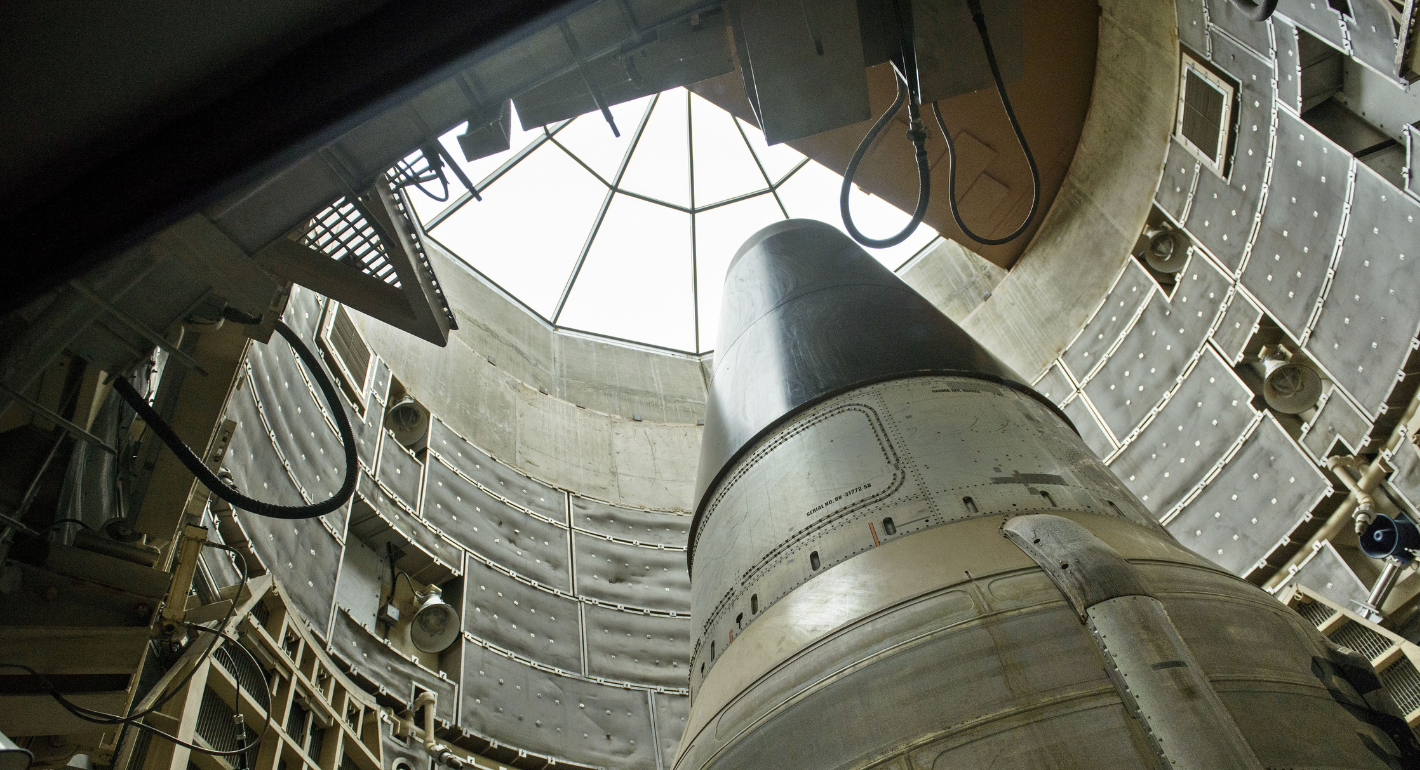
In the late 1940s, only a small constituency within the French administration and armed forces believed that the country should have nuclear weapons. Over time, they gained allies, but there was never a consensus to build the Bomb. Throughout the 1950s, the regime was fragmented, with multiple forces jockeying for power and short-lived coalition governments. Disagreements existed within successive governments, but also split the bureaucracy itself. For instance, heads of the CEA were opposed to the Bomb, but their number twos, who had the real power, were able to orient the nuclear program in their preferred direction. As a result of this complexity in decision-making, there was never a clear political decision to build the Bomb. The famous December 1954 decision in principle by Pierre Mendès-France was to be officially confirmed, but never was because the government fell a few weeks later. But by 1956, there was so much investment in nuclear infrastructure that any decision to stop would have been financially and politically very costly. Two reactors able to produce weapon-grade plutonium were being built, and a decision was taken to build a reprocessing plant, which came on line in January 1958. The die was cast in April 1958 when Félix Gaillard, the last Prime Minister of the Fourth Republic, signed a secret order to prepare for a nuclear test in 1960, as to make the program as irreversible as possible. However, without De Gaulle, France could have remained a “virtual” nuclear power, not unlike India after its 1974 “peaceful” test.
Because of internal disagreements and the weakness of the Fourth Republic governments, until 1958 France’s ambitions remained publicly undeclared. In 1946, Ambassador Alexandre Parodi had assured the UN that the goals of France’s nuclear research were “purely peaceful,” a statement that was never repudiated. Government lawyers argued internally that this informal and unilateral statement was not legally binding. The official line remained deliberately ambiguous until 1958.
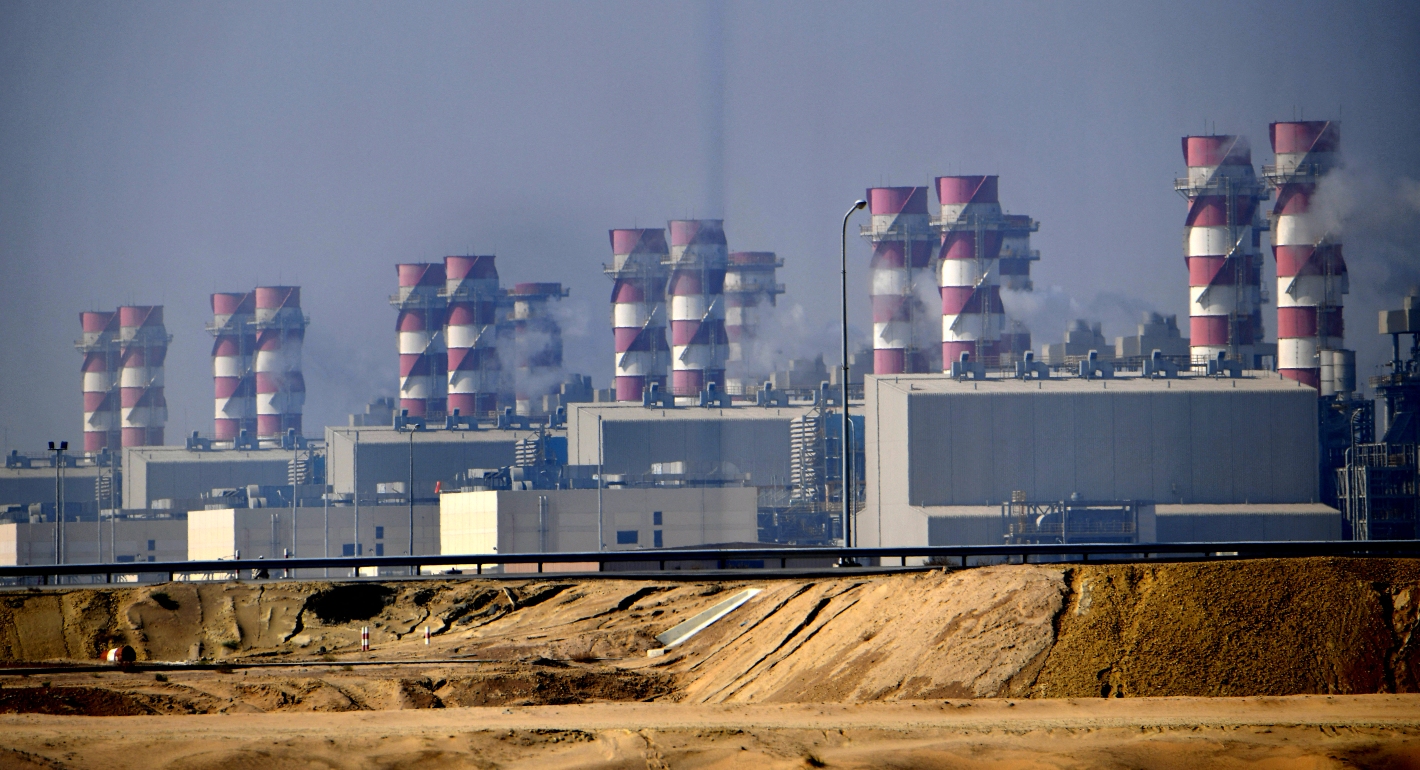
Two lessons from the French experience are useful for dealing with Iran. First, to ask oneself whether or not a country has actually decided to build the Bomb may be pointless. Some countries can get to the threshold without ever having made a clear and firm decision to make nuclear weapons. Second, nuclear programs may have multiple rationales, civilian and military – with political, economic and security reasons being difficult to separate. Their hierarchy can change over time, depending on the evolution of the domestic and international context. Thus it is largely useless for outsiders to look for a particular solution that may take care of what they think is the country’s main rationale in developing its nuclear program (for instance, the irrelevance of the discussion of “security guarantees” for Iran). In the end, what truly matters is the actual capabilities of the country concerned, and the level of technical, financial and political investment it has devoted to its nuclear program. This is why the more time passes, the more a deal with Iran, by which it would renounce some key features of its program (such as the Natanz plant and the Arak reactor), will be difficult.
Bruno Tertrais is a Senior Research Fellow at the Fondation pour la Recherche Stratégique. He wrote this analysis for the Carnegie Endowment.