

Commentary
A summer of escalation in the Black Sea has hurt Ukraine economically and is exacerbating world food security. A truce is needed—as is a broader reframing of Europe’s Ukraine strategy.
Thomas de Waal

REQUIRED IMAGE
A new report by the Carnegie Endowment and China’s Development Research Center shows that the health of China’s economy and trade over the next 15 years will have more impact on China’s rural poor than any other segment of Chinese society. The report also finds that while WTO accession has generally benefited China’s economy, it has further increased the already pronounced economic disparity between Chinese urban and rural households. Accession to the WTO has added only a net thirteen million jobs while an estimated 300 million jobs are needed to create full employment in China.
Source: Carnegie Endowment
A new report by the Carnegie Endowment and China’s Development Research Center shows that the health of China’s economy and trade over the next 15 years will have more impact on China’s rural poor than any other segment of Chinese society. The report also finds that while WTO accession has generally benefited China’s economy, it has further increased the already pronounced economic disparity between Chinese urban and rural households. Accession to the WTO has added only a net thirteen million jobs while an estimated 300 million jobs are needed to create full employment in China.
In China’s Economic Prospects 2006-2020, Sandra Polaski, Li Shantong, and He Jianwu use general equilibrium models to probe three possible economic paths for China—one projecting a benign international and domestic environment, one a continuation of recent trends, and one higher risk scenario.
The authors argue that poor rural households would see fewer job opportunities in the cities and continued low wages if trade tensions rise. As more farmers stay on the land and incomes rise less, China would import fewer agricultural products from the rest of the world, disappointing farm exporters.
The authors point to challenges that Chinese policymakers must address if they are to optimize China’s development to broadly benefit its population. They also suggest that some current approaches of China’s trade partners could be counterproductive for their own export interests.
The authors recommend policies that raise incomes widely, particularly for rural households, to generate broad-based domestic demand and reduce the economy’s reliance on trade. They suggest an emphasis on service sector development, particularly of education and health care services, to generate more labor-intensive jobs to absorb surplus labor from the agriculture sector.
Click here for a summary of the authors' presentation of this study.
Click on icon above for the full text of this Carnegie Paper.
A limited number of print copies of this Carnegie Paper are available.
Request a copy
Li Shantong is a senior research fellow and was formerly director-general of the
Department of Development Strategy and Regional Economy at the Development
Research Center of the State Council of the People’s Republic of China.
Sandra Polaski is a senior associate at the Carnegie Endowment for International Peace, where she directs the Trade, Equity, and Development Program.
Jianwu He
Shantong Li

Former Senior Associate, Director, Trade, Equity and Development Program
Until April 2002, Polaski served as the U.S. Secretary of State’s Special Representative for International Labor Affairs, the senior State Department official dealing with such matters.

A summer of escalation in the Black Sea has hurt Ukraine economically and is exacerbating world food security. A truce is needed—as is a broader reframing of Europe’s Ukraine strategy.

Thomas de Waal

Canadian Prime Minister Mark Carney has twice inspired praise for standing up to U.S. President Donald Trump: at the 2026 World Economic Forum in Davos and on Canada-U.S. trade negotiations. Is Carney showing a third way better than the EU has in dealing with the Trump administration?

Rym Momtaz, ed.

The hybrid warfare landscape is evolving rapidly, leaving policymakers without clear strategies. To better inform their work in addressing emerging challenges, governments must dig deeper into the underlying dynamics at play.


Raluca Csernatoni, Alicia Wanless
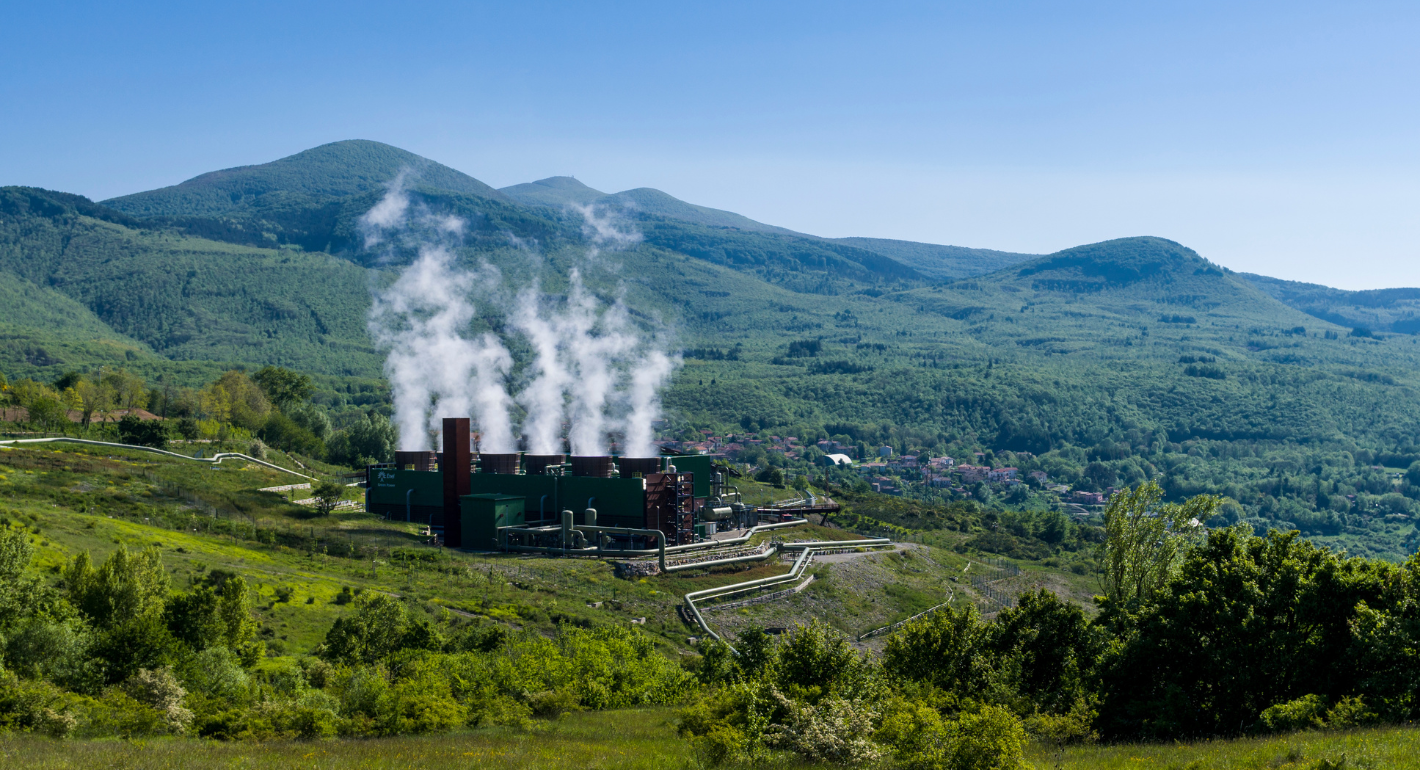
Europe’s industrial supply chains leave it vulnerable to global shocks. The EU needs a pragmatic green industrial strategy that balances durable partnerships and bolsters homegrown clean tech without sacrificing low-carbon ambition.


Milo McBride, Pauline Gerard
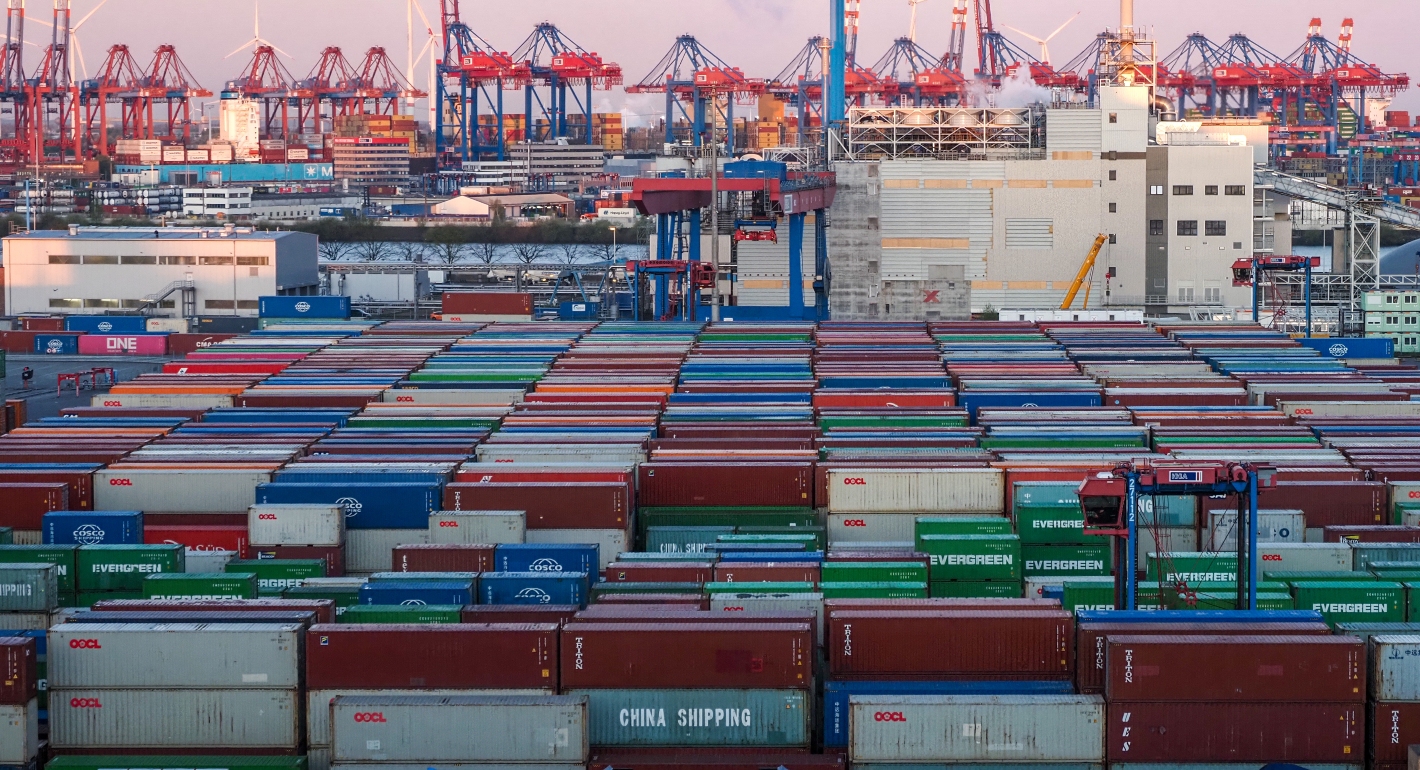
As geopolitical rivalry weaponizes global supply chains, the EU’s true vulnerability lies in emerging-risk imports. For these goods, suppliers are growing more concentrated, substitution more difficult, and political risk is looming.

Sinan Ülgen