• Research
  • Strategic Europe
  • About
  • Experts
Carnegie Europe logoCarnegie lettermark logo
EUUkraine
  • Donate
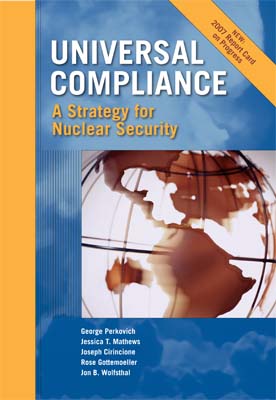
Universal Compliance: A Strategy for Nuclear Security<br>With 2007 Report Card on Progress
Report

Universal Compliance: A Strategy for Nuclear Security<br>With 2007 Report Card on Progress

A team of leading nonproliferation experts offers a blueprint for rethinking the international nonproliferation regime. They offer a fresh approach to deal with states and terrorists, nuclear weapons, and fissile materials through a twenty-step, priority action agenda.

Link Copied
By George Perkovich, Jessica Tuchman Mathews, Joseph Cirincione, Rose Gottemoeller, Jon Wolfsthal
Published on Jun 20, 2007

Additional Links

Section TwoChapter 3Chapter 4Chapter 5Chapter 6SummaryA 2007 Report CardNotesAbout the Authors2007 AcknowledgmentsFull Text (PDF)2007 Report Card (PDF)PrefaceAcknowledgmentsSection OneChapter 1Chapter 2

"By far the most comprehensive, the most creative, the most useful analysis and prescription I have ever seen…superb."
—Robert Gallucci, Dean, Georgetown University, School of Foreign Service

A team of leading nonproliferation experts offers a blueprint for rethinking the international nonproliferation regime. They offer a fresh approach to deal with states and terrorists, nuclear weapons, and fissile materials through a twenty-step, priority action agenda.

Starting with the premise that the United States cannot solve the nuclear proliferation challenge alone, the authors consulted with experts and officials in the United States and twenty countries across Europe, Asia, the Middle East, the former Soviet states, and Russia. The final report carefully captures the varying national interests driving nonproliferation policies—critical knowledge if the United States’ strategy is to win international support.

This new edition surveys the policies pursued by the U.S. and other governments over the past two years and compares them with Universal Compliance’s priority action agenda. New material also explores how the U.S.-India nuclear deal, the unresolved Iranian crisis, the North Korean nuclear test, and other developments challenge the future of the nonproliferation regime.

Click on the links above for full text and the 2007 Report Card on Progress or the links to the right for specific sections.

About the Authors
George Perkovich is vice president for studies at the Carnegie Endowment for International Peace. Jessica T. Mathewsis president of the Carnegie Endowment for International Peace. Joseph Cirincione is a senior fellow and director for nuclear policy at the Center for American Progress and formerly director for nonproliferation at the Carnegie Endowment. Rose Gottemoeller is director of Carnegie Moscow Center. Jon B. Wolfsthal is senior fellow with the Center for Strategic Studies' International Security Program and formerly deputy director for nonpoliferation at the Carnegie Endowment. 

For more news and resources on proliferation issues, visit the Carnegie Proliferation News website.

About the Authors

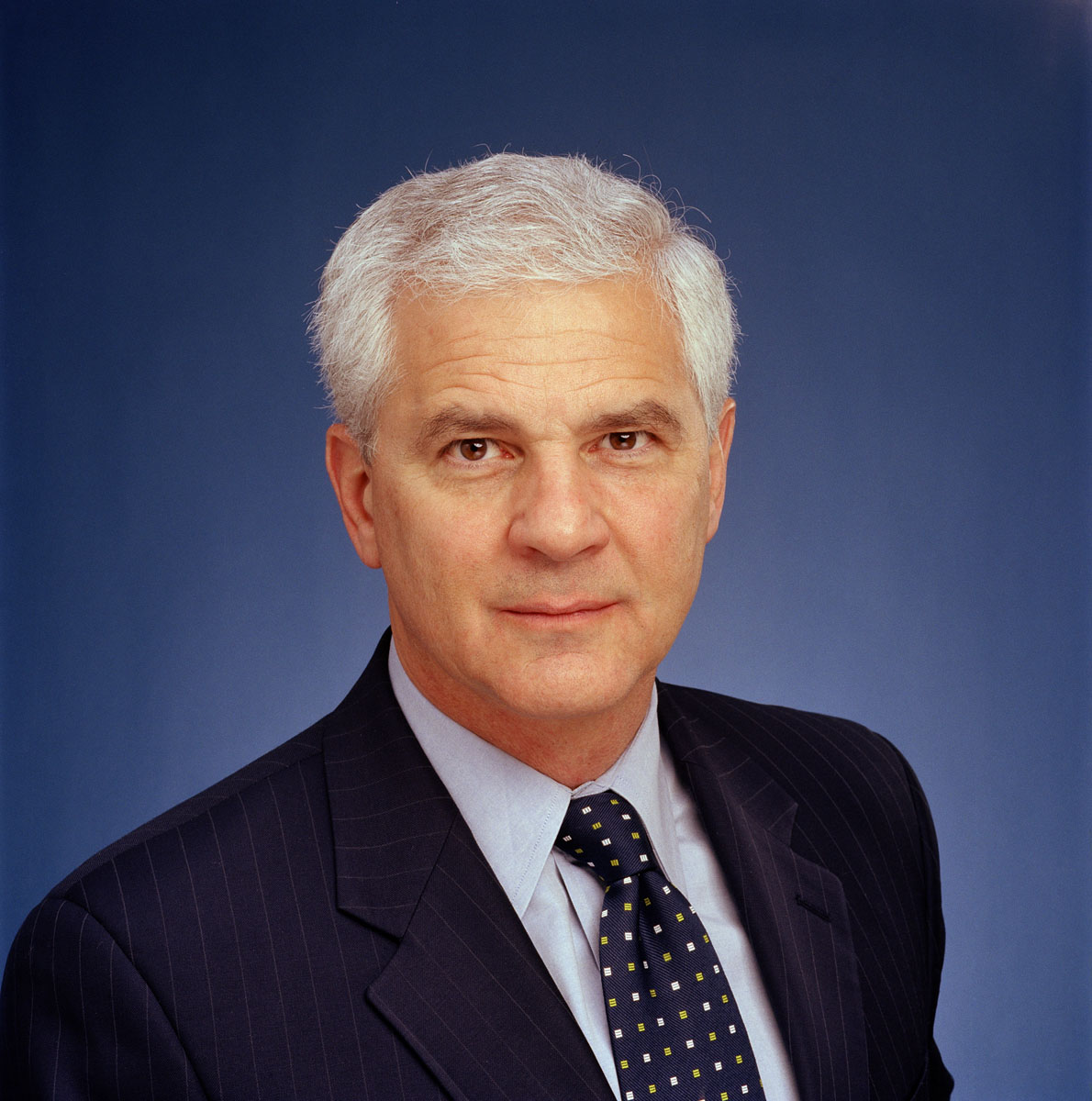
George Perkovich

Japan Chair for a World Without Nuclear Weapons, Senior Fellow

George Perkovich is the Japan Chair for a World Without Nuclear Weapons and a senior fellow in the Carnegie Endowment for International Peace’s Nuclear Policy Program. He works primarily on nuclear deterrence, nonproliferation, and disarmament issues, and is leading a study on nuclear signaling in the 21st century.

Jessica Tuchman Mathews

Distinguished Fellow

Mathews is a distinguished fellow at the Carnegie Endowment for International Peace. She served as Carnegie’s president for 18 years.

Joseph Cirincione

Former Senior Associate, Director for NonProliferation

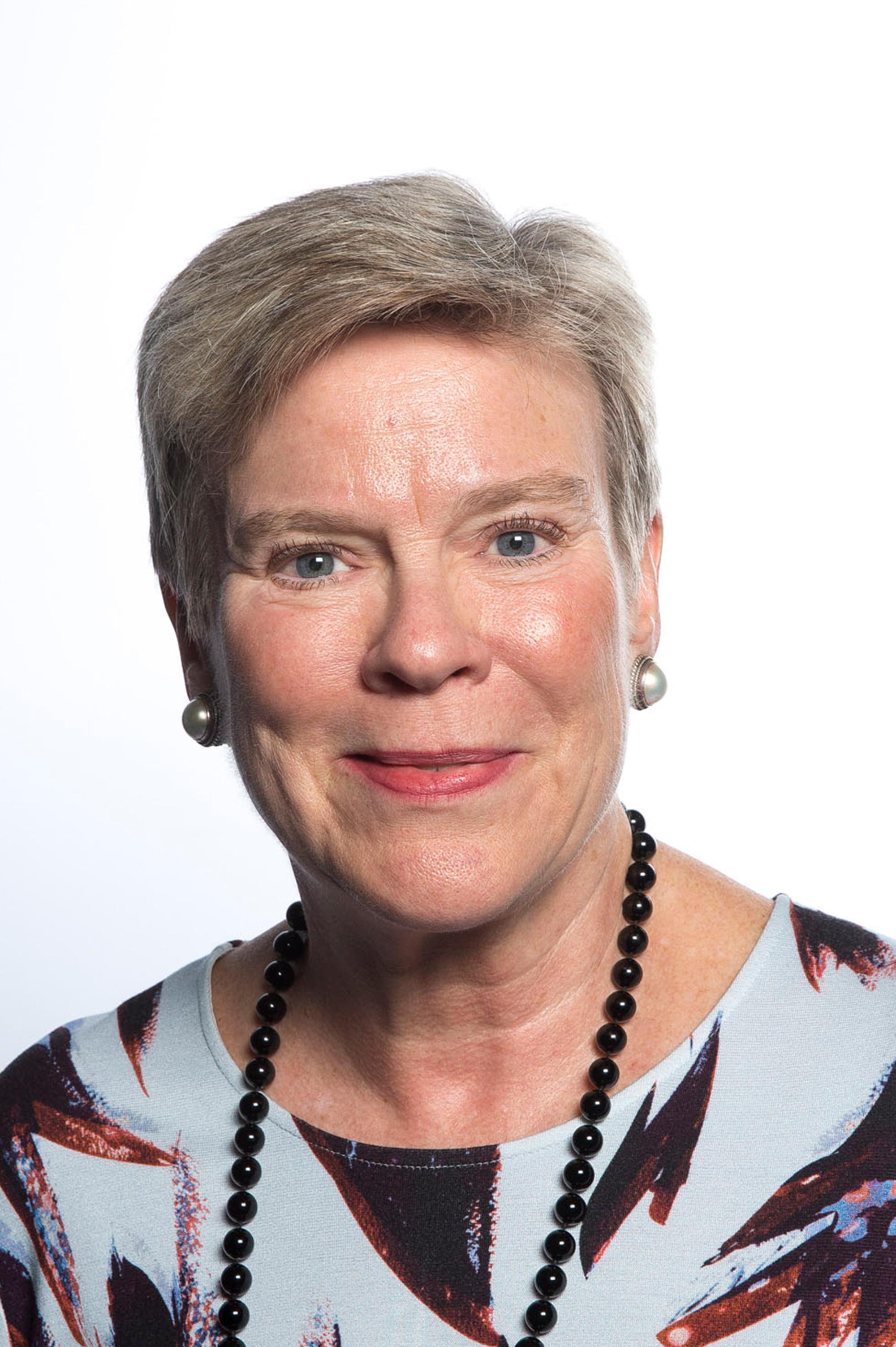
Rose Gottemoeller

Nonresident Senior Fellow, Nuclear Policy Program

Rose Gottemoeller is a nonresident senior fellow in Carnegie’s Nuclear Policy Program. She also serves as lecturer at Stanford University’s Freeman Spogli Institute for International Studies and is a research fellow at the Hoover Institution. Ambassador Gottemoeller served as the deputy secretary general of NATO from 2016 to 2019. 

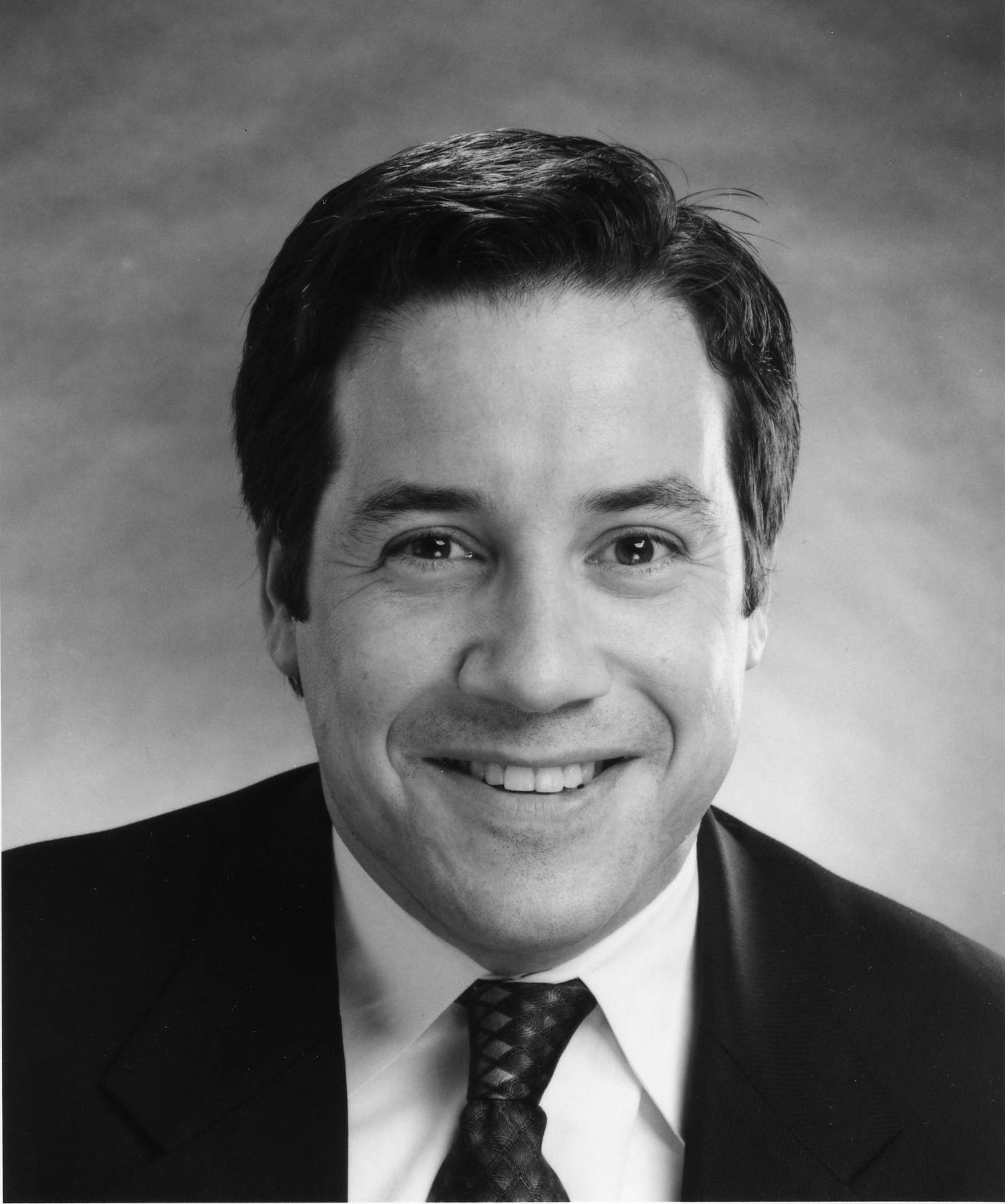
Jon Wolfsthal

Former Nonresident Scholar, Nuclear Policy Program

Jon Wolfsthal was a nonresident scholar with the Nuclear Policy Program.

Authors

George Perkovich
Japan Chair for a World Without Nuclear Weapons, Senior Fellow
George Perkovich
Jessica Tuchman Mathews
Distinguished Fellow
Jessica Tuchman Mathews
Joseph Cirincione
Former Senior Associate, Director for NonProliferation
Joseph Cirincione
Rose Gottemoeller
Nonresident Senior Fellow, Nuclear Policy Program
Rose Gottemoeller
Jon Wolfsthal
Former Nonresident Scholar, Nuclear Policy Program
Jon Wolfsthal
Libya

Carnegie does not take institutional positions on public policy issues; the views represented herein are those of the author(s) and do not necessarily reflect the views of Carnegie, its staff, or its trustees.

More Work from Carnegie Europe

  • Paper
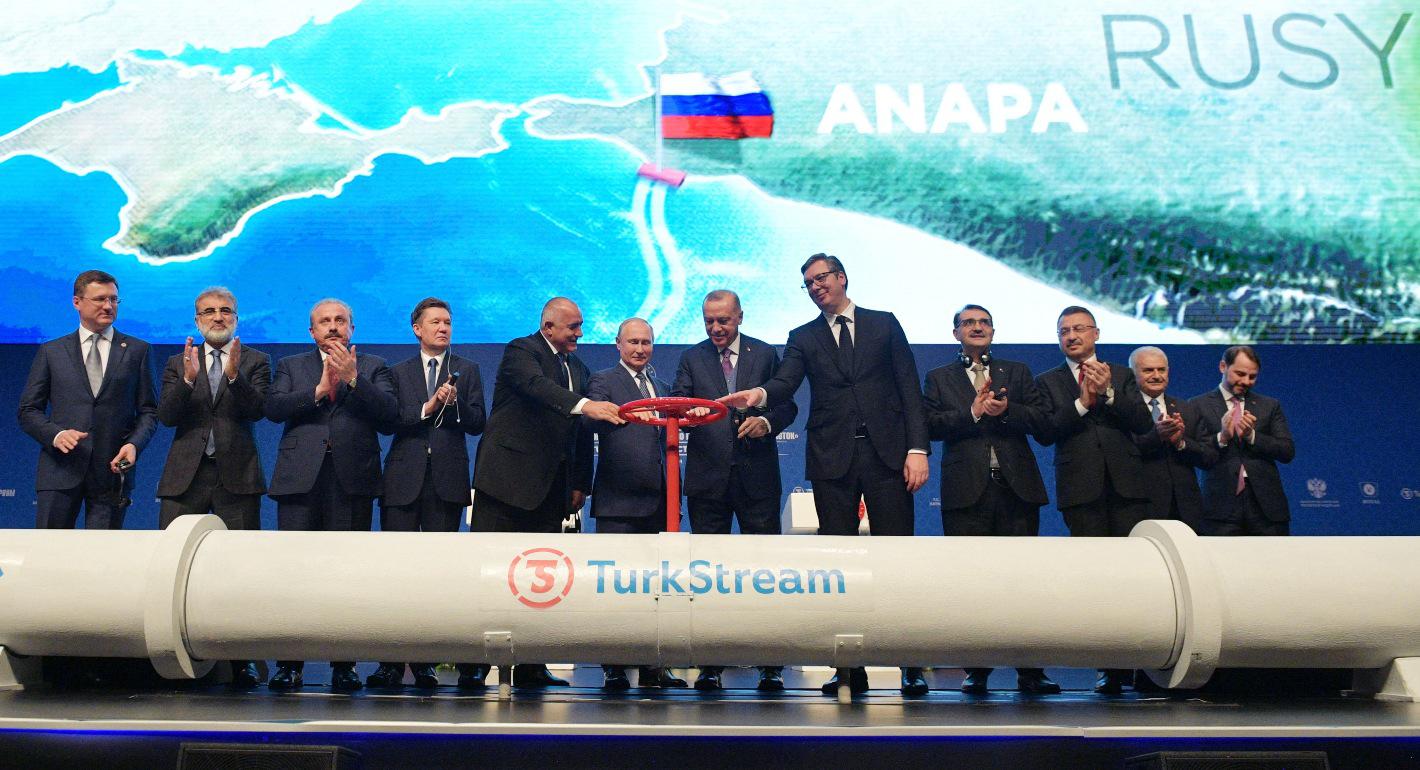
    Understanding the Energy Drivers of Turkey’s Foreign Policy

    Turkey’s dependence on energy imports has an impact on the country’s economic and geopolitical orientation. Turkish leaders should devise energy policies that respond to domestic priorities, regional ambitions, and the challenges posed by climate change.

      • Francesco Siccardi

      Francesco Siccardi

  • Commentary
    Strategic Europe
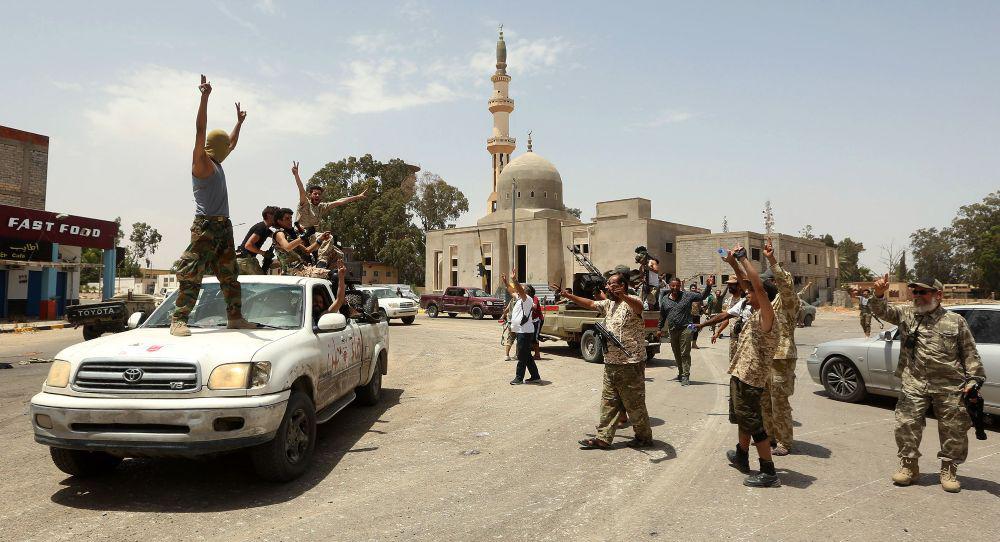
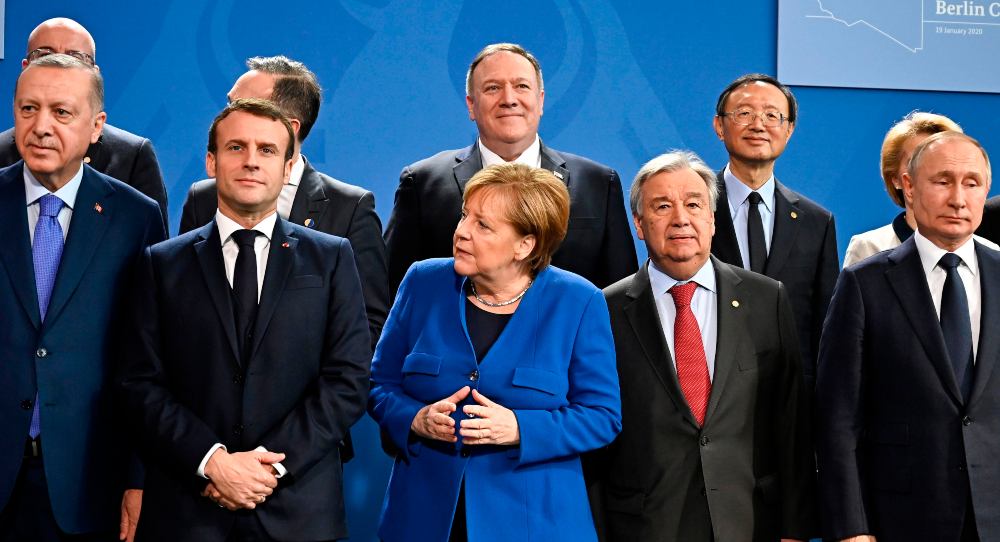
    Libya Is a European Emergency

    EU leaders must either decide to act jointly as the European Union or leave Libya’s future in the hands of Russia and Turkey—with dangerous consequences for NATO and for Europe’s security.

      Marc Pierini

  • Commentary
    Strategic Europe
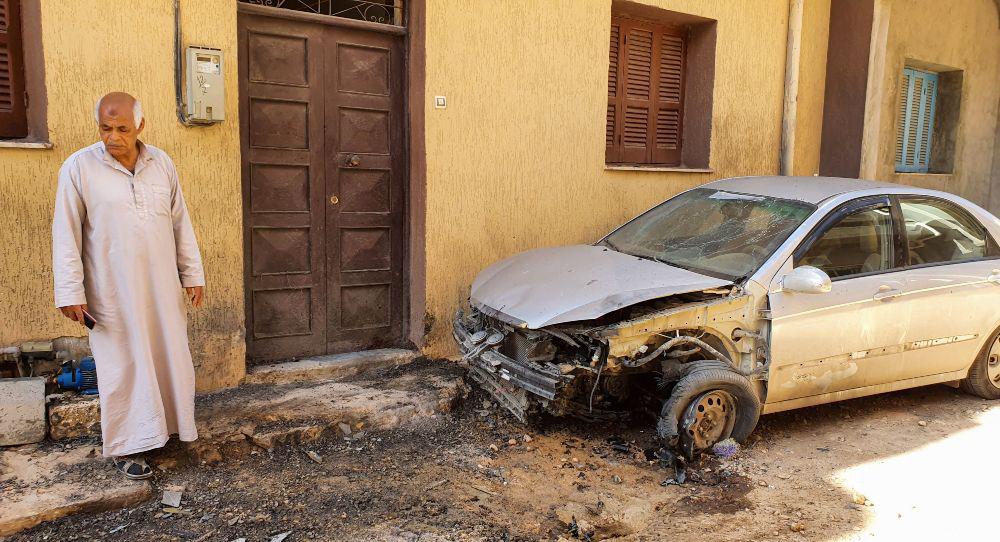
    Libya Needs European Boots on the Ground

    The EU must seize on the strategic opportunity presented by the coronavirus pandemic to take the initiative away from Russia and Turkey in Libya.

      Stefano Marcuzzi

  • Commentary
    Strategic Europe
    Is Libya Merkel’s Legacy?

    The efforts to end the war in Libya is a test of German leadership. It might even be the beginning of a new role for Germany, which can no longer afford to let others do the diplomacy and the fighting.

      Judy Dempsey

  • Commentary
    Strategic Europe
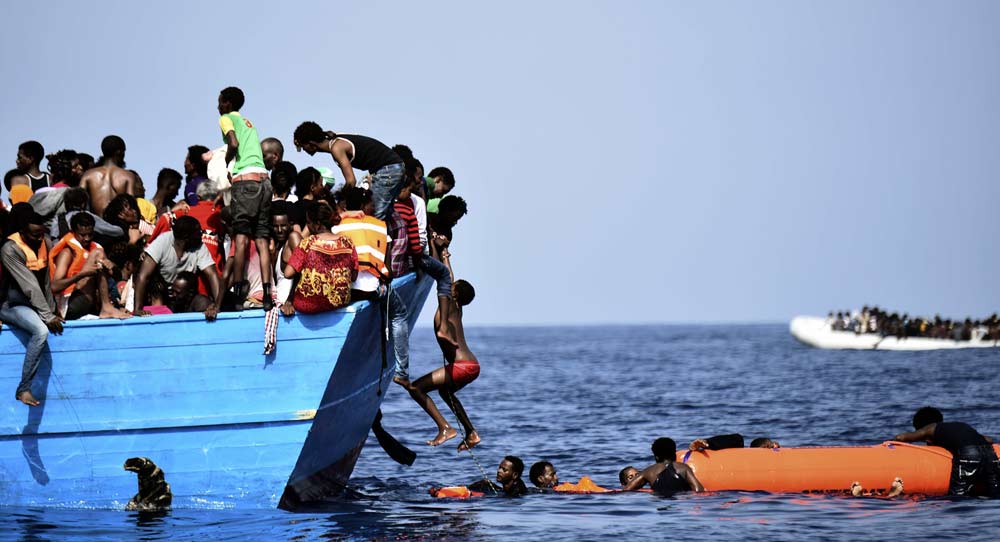
    Unchecked Migration Continues to Splinter Europe

    European governments should engage to tackle the migration crisis at its source, otherwise Europe’s already tenuous tolerance of immigrants will only decrease.

      Andrew A. Michta

Get more news and analysis from
Carnegie Europe
Carnegie Europe logo, white
Rue du Congrès, 151000 Brussels, Belgium
  • Research
  • Strategic Europe
  • About
  • Experts
  • Projects
  • Events
  • Contact
  • Careers
  • Privacy
  • For Media
  • Gender Equality Plan
Get more news and analysis from
Carnegie Europe
© 2026 Carnegie Endowment for International Peace. All rights reserved.