• Research
  • Strategic Europe
  • About
  • Experts
Carnegie Europe logoCarnegie lettermark logo
EUUkraine
  • Donate
REQUIRED IMAGE

REQUIRED IMAGE

Article

What Could the Doha Round Mean for Africa?

Without special provisions, a Doha deal will do more harm than good for low-income countries in Sub-Saharan Africa.  To benefit the world's poor and make a deal politically viable, rich countries should offer a development package that includes full duty-free quota-free access for the exports of the poorest.

Link Copied
By Katherine Vyborny
Published on Jun 12, 2007

Additional Links

Full Text (PDF)

Since the launch of a new round of trade negotiations in 2001, members of the World Trade Organization have been struggling to reach a deal that can deliver significant benefits for all member countries.  Many developing countries, such as China, are poised to take advantage of global trade liberalization, and many of the millions of poor in those countries could benefit as a result.  But it is less clear how to ensure that the poorest countries will also benefit, particularly those in Sub-Saharan Africa, which saw their share of global exports drop from 6% to 2% in the last two decades. 

Could any trade deal really deliver on the promise of development for Africa?  Advocates of the Round routinely cite studies showing millions of people in these countries will be lifted out of poverty, while opponents find numbers to the contrary.  In a new web commentary, Katherine Vyborny examines the evidence on Doha’s implications for Africa, showing that a range of models built by different economists agree on the fundamentals: a Doha round with no special provisions for the poorest will hurt Africa; but no round would be a loss as well.  Sub-Saharan African countries would benefit from a development-oriented round that includes measures such as full duty-free quota-free access for their exports.

The slow progress in the “Doha Development Round” of trade talks does not mean the round will fail: previous rounds have taken longer and floundered often before succeeding.  But it is also clear that the Doha Round must deliver development benefits in order to succeed politically – developing countries have taken a seat at the negotiating table as never before.  To revive the WTO negotiations and benefit the world’s poor, the U.S. should offer this development package and negotiate a true Doha Development Round. 

About the Author

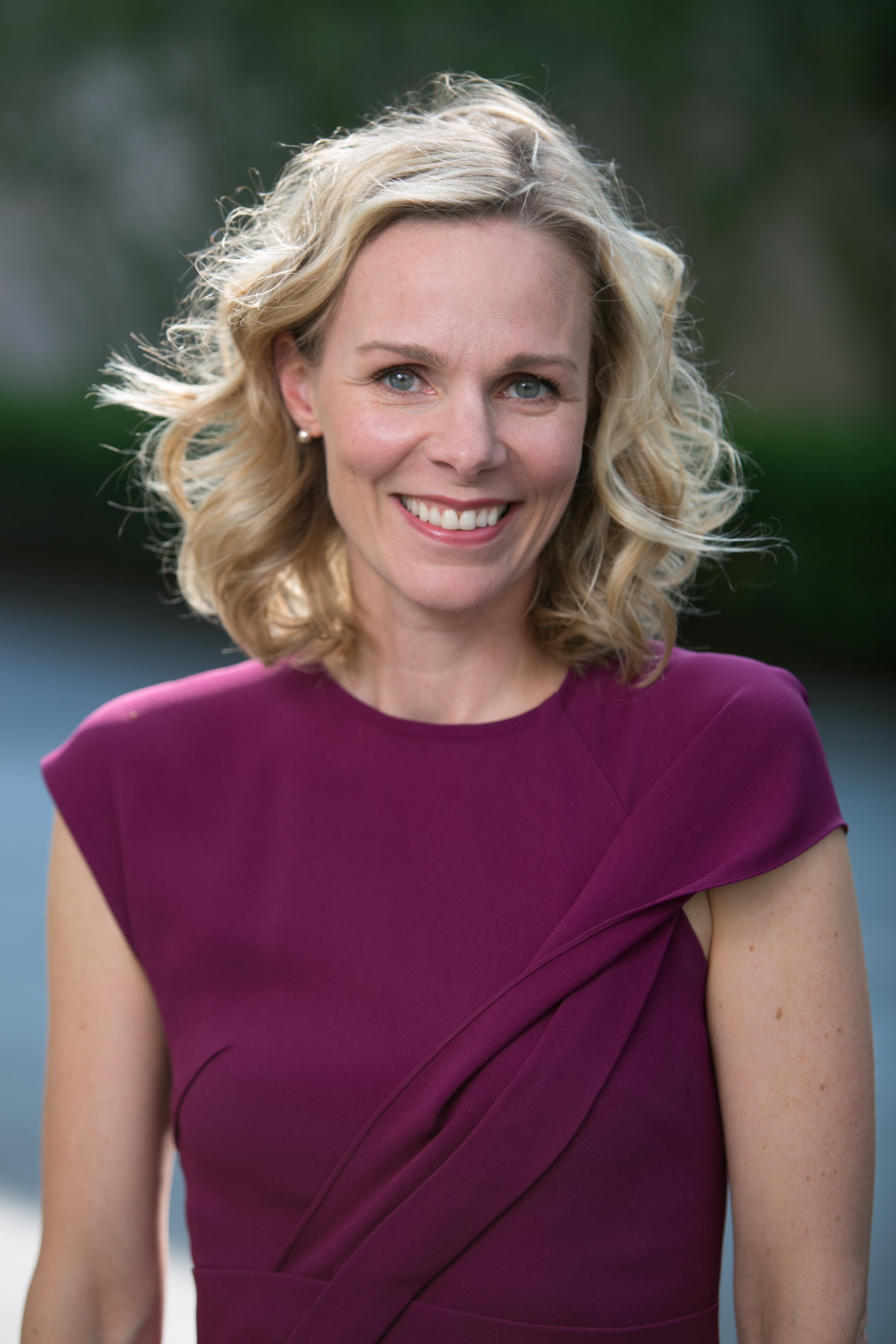
Katherine Vyborny

Carnegie Endowment for International Peace

Katherine Vyborny
Carnegie Endowment for International Peace
Southern, Eastern, and Western AfricaEconomyTrade

Carnegie does not take institutional positions on public policy issues; the views represented herein are those of the author(s) and do not necessarily reflect the views of Carnegie, its staff, or its trustees.

More Work from Carnegie Europe

  • Commentary
    Strategic Europe
    Europe and the Arab Gulf Must Come Together

    The war in Iran proves the United States is now a destabilizing actor for Europe and the Arab Gulf. From protect their economies and energy supplies to safeguarding their territorial integrity, both regions have much to gain from forming a new kind of partnership together.

      • Rym Momtaz

      Rym Momtaz

  • Commentary
    Strategic Europe
    Global Instability Makes Europe More Attractive, Not Less

    Europe isn’t as weak in the new geopolitics of power as many would believe. But to leverage its assets and claim a sphere of influence, Brussels must stop undercutting itself.

      Dimitar Bechev

  • Turkey Erdogan Caucasus Central Asia
    Article
    How Turkey Can Help the Economies of the South Caucasus to Diversify

    Over the past two decades, regional collaboration in the South Caucasus has intensified. Turkey and the EU should establish a cooperation framework to accelerate economic development and diversification.

      • Feride Inan
      • Güven Sak
      • Berat Yücel

      Feride İnan, Güven Sak, Berat Yücel

  • Commentary
    Strategic Europe
    How Europe Can Survive the AI Labor Transition

    Integrating AI into the workplace will increase job insecurity, fundamentally reshaping labor markets. To anticipate and manage this transition, the EU must build public trust, provide training infrastructures, and establish social protections.

      Amanda Coakley

  • Commentary
    Strategic Europe
    Can Europe Still Matter in Syria?

    Europe’s interests in Syria extend beyond migration management, yet the EU trails behind other players in the country’s post-Assad reconstruction. To boost its influence in Damascus, the union must upgrade its commitment to ensuring regional stability.

      Bianka Speidl, Hanga Horváth-Sántha

Get more news and analysis from
Carnegie Europe
Carnegie Europe logo, white
Rue du Congrès, 151000 Brussels, Belgium
  • Research
  • Strategic Europe
  • About
  • Experts
  • Projects
  • Events
  • Contact
  • Careers
  • Privacy
  • For Media
  • Gender Equality Plan
Get more news and analysis from
Carnegie Europe
© 2026 Carnegie Endowment for International Peace. All rights reserved.