

Commentary
In Ukraine, Gaza, and Iran, AI warfare has come to dominate, with barely any oversight or accountability. Europe must lead the charge on the responsible use of new military technologies.
Raluca Csernatoni

REQUIRED IMAGE
Decision time has arrived on the controversial nuclear cooperation proposal that was first proposed by President George W. Bush and Prime Minister Manmohan Singh in July 2005. Because the NSG and IAEA traditionally operate by consensus, any one of a number of states can act to block or modify the ill-conceived arrangement. They have good reason and a responsibility to do so.
Decision time has arrived on the controversial nuclear cooperation proposal that was first proposed by President George W. Bush and Prime Minister Manmohan Singh in July 2005.
After a long delay, the Indian government has sidestepped domestic critics of the deal and is asking the International Atomic Energy Agency (IAEA) Board of Governors to consider a new “India-specific” safeguards agreement that would cover a limited number of additional “civilian” reactors. The IAEA Board could meet on the matter by the end of July.
Shortly thereafter, the Bush administration will ask the other 44 members of the Nuclear Suppliers Group (NSG) to exempt India from longstanding NSG guidelines that require full-scope IAEA safeguards as a condition of supply. Comprehensive safeguards are intended to prevent the use of civilian nuclear technology and material for weapons purposes.
Because the NSG and IAEA traditionally operate by consensus, any one of a number of states can act to block or modify the ill-conceived arrangement. They have good reason and a responsibility to do so.
Contrary to the claims of its advocates, the deal fails to bring India further into conformity with the nonproliferation behavior expected of the member states of the nuclear Non-Proliferation Treaty (NPT). Unlike 178 other countries, India has not signed the Comprehensive Test Ban Treaty (CTBT). It continues to produce fissile material and expand its arsenal.
Yet, the arrangement would give India the rights and privileges of civil nuclear trade that have been reserved only for members of the NPT. It creates a dangerous distinction between "good" proliferators and "bad" proliferators sending out misleading signals to the international community with regard to NPT norms.
In fact, the current proposal threatens to further undermine the nuclear safeguards system and efforts to prevent the proliferation of technologies that may be used to produce nuclear bomb material. It would also indirectly contribute to the expansion of India’s nuclear arsenal with possible consequences for a nuclear arms race in Asia.
In particular, India is seeking an "India-specific" safeguards agreement that could – depending on how it is interpreted -- allow India to cease IAEA scrutiny if fuel supplies are cut off even it that is because it renews nuclear testing. In the preamble of the proposed safeguards agreement, which was distributed yesterday, India states that it may take unspecified "corrective actions" to ensure fuel supplies in the event that they are interrupted. IAEA Board members should get clarification before taking a decision and reject any interpretation that is inconsistent with the principle of permanent safeguards over all nuclear materials and facilities.
As part of the carefully crafted final document of the 1995 NPT Review and Extension Conference, all NPT states-parties endorsed the principle of full-scope safeguards as a condition of supply. A decision by the NSG to exempt India from this requirement for India would contradict this important element of the NPT bargain.
India also pledged in July 2005 to conclude an additional protocol to its safeguards agreement. Given that India maintains a nuclear weapons program outside of safeguards, facility-specific safeguards on a few additional “civilian” reactors provide no serious nonproliferation benefits. States should insist that India conclude a meaningful Additional Protocol safeguards regime before the NSG takes a decision on exempting India from its rules.
Incredibly, Indian officials also want exemptions from NSG guidelines that would allow supplier states to provide India with a strategic fuel reserve that could be used to outlast any fuel supply cut off or sanctions that may be imposed if it resumes nuclear testing.
This flatly contradicts provisions in the 2006 U.S. implementing legislation that were authored by Sen. Barack Obama. If NSG supplier states should agree to supply fuel to India, they should clarify that if India resumes nuclear testing, all nuclear cooperation with India shall be terminated and unused fuel supplies from NSG states shall be returned.
India is also demanding “full” nuclear cooperation, including access to advanced plutonium reprocessing, uranium enrichment, and heavy water production technology. This is extremely unwise given that IAEA safeguards cannot prevent such sensitive technology from being replicated and used in India’s weapons program.
Recall that India detonated a nuclear device in 1974 that used plutonium harvested from a heavy water reactor supplied by Canada and the United States in violation of earlier peaceful nuclear use agreements. U.S. officials have stated that they do not intend to sell such technology, but other states may. Virtually all NSG states support proposals that would bar transfers of these sensitive nuclear technologies to non-NPT members and should under no circumstances endorse an NSG rule that would allow the transfer of such technology to India.
Unfortunately, India has refused to join the five original nuclear-weapon states in suspending the production of fissile material for weapons and signing the 1996 Comprehensive Test Ban Treaty. Not only would these measures curb nuclear competition in Asia, but it would avoid the possibility that foreign fuel supplies will free-up India’s limited uranium supplies for weapons use and help India to accelerate the buildup of its arsenal. This would contradict the goal of Article I of the NPT, which prohibits direct or indirect assistance to another state’s nuclear weapons program.
All UN members states are also obligated to support UN Security Council Resolution 1172, which calls on India and Pakistan to sign the Comprehensive Test Ban Treaty (CTBT) stop producing fissile material for weapons, and undertake other nuclear risk reduction measures.
The Indian nuclear deal would be a nonproliferation disaster, especially now. The NPT is in jeopardy and diplomatic efforts to address the nuclear programs of North Korea and Iran are at a delicate stage. For those world leaders who are serious about ending the arms race, holding all states to their international commitments, and strengthening the nuclear Nonproliferation Treaty, it is time to stand up and be counted.
Jayantha Dhanapala is a former UN Under-Secretary-General for Disarmament Affairs (1998-2003) and a former Ambassador of Sri Lanka who was President of the 1995 NPT Review and Extension Conference. Daryl G. Kimball is the executive director of the Washington, D.C.-based Arms Control Association.
Jayantha Dhanapala
Daryl Kimball
Carnegie does not take institutional positions on public policy issues; the views represented herein are those of the author(s) and do not necessarily reflect the views of Carnegie, its staff, or its trustees.
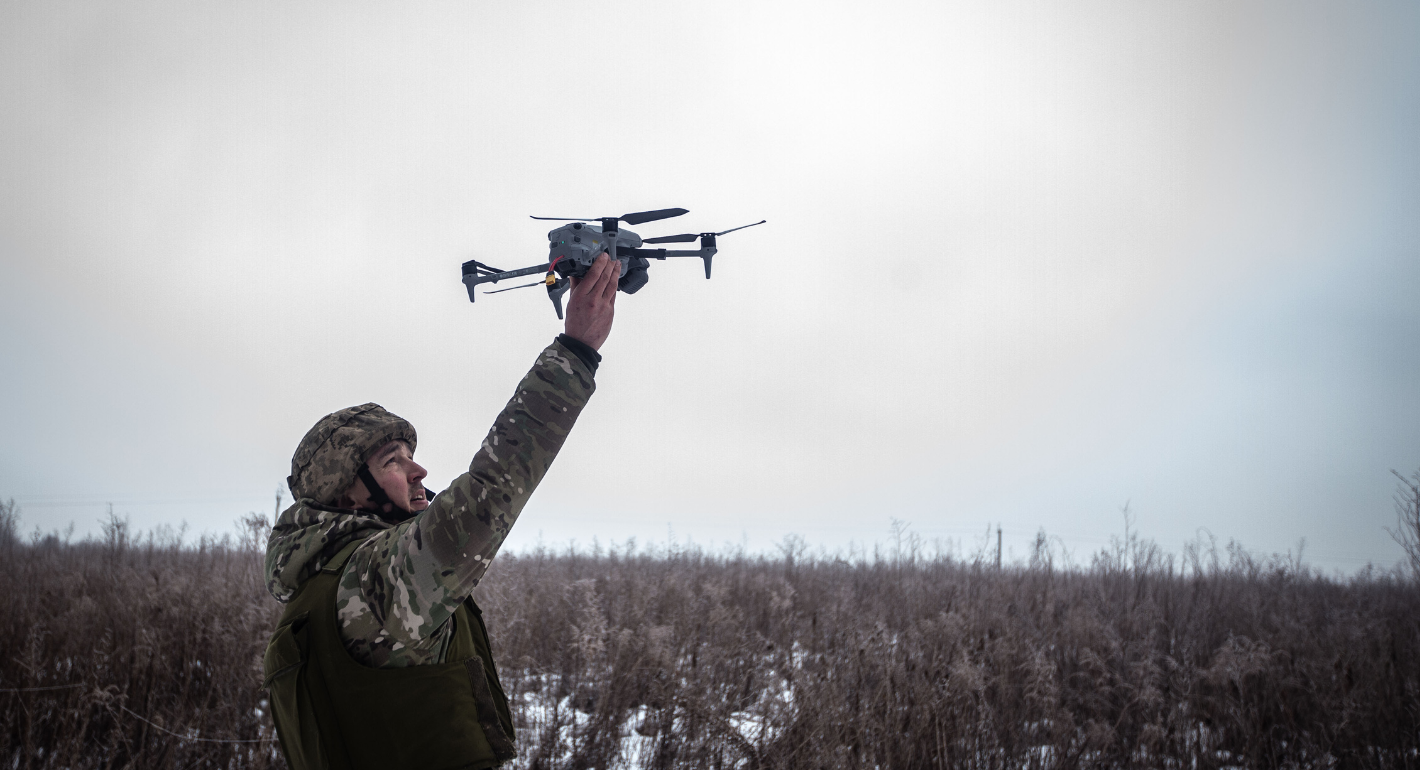
In Ukraine, Gaza, and Iran, AI warfare has come to dominate, with barely any oversight or accountability. Europe must lead the charge on the responsible use of new military technologies.

Raluca Csernatoni
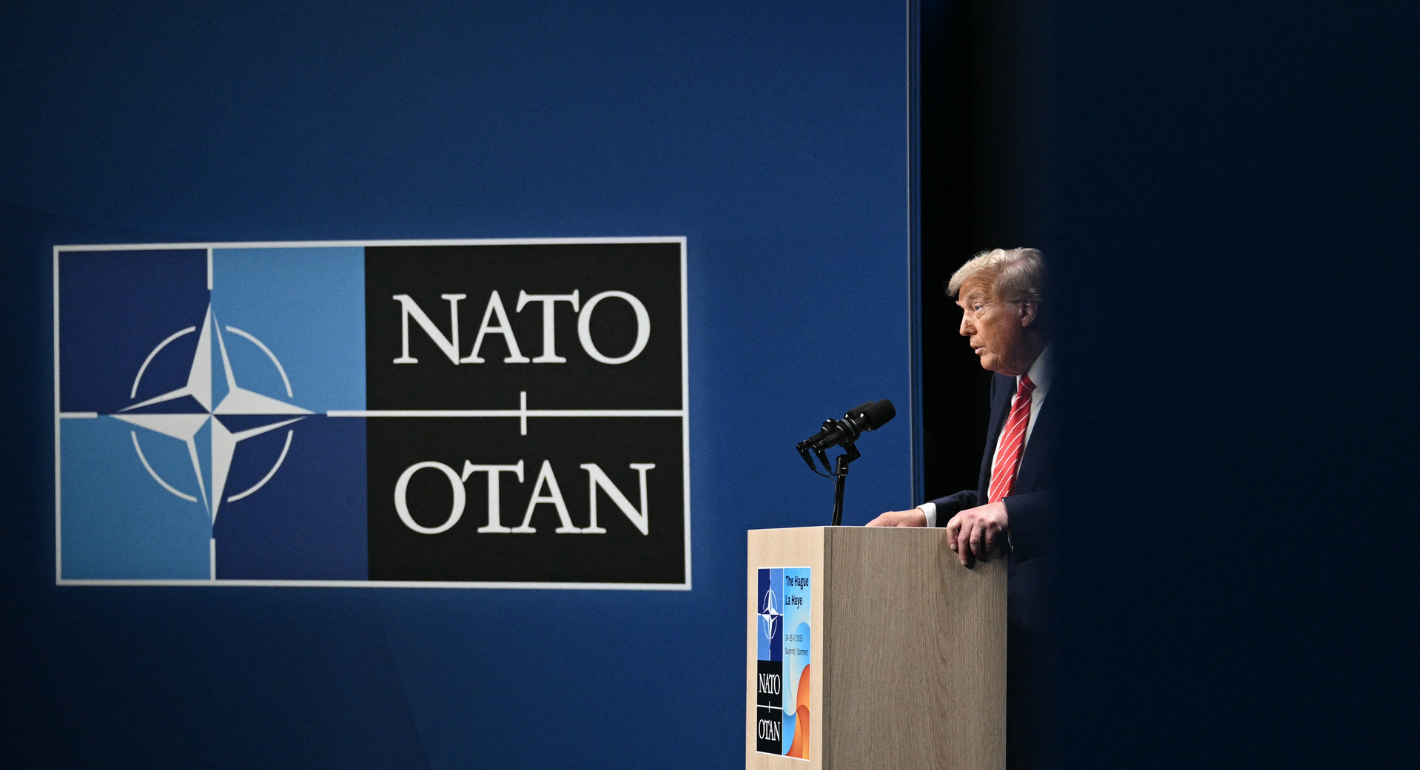
Donald Trump has repeatedly bashed NATO and European allies, threatening to annex Canada and Greenland and deploring their lack of enthusiasm for his war of choice in Iran. Is this latest round of abuse the final straw?

Rym Momtaz, ed.
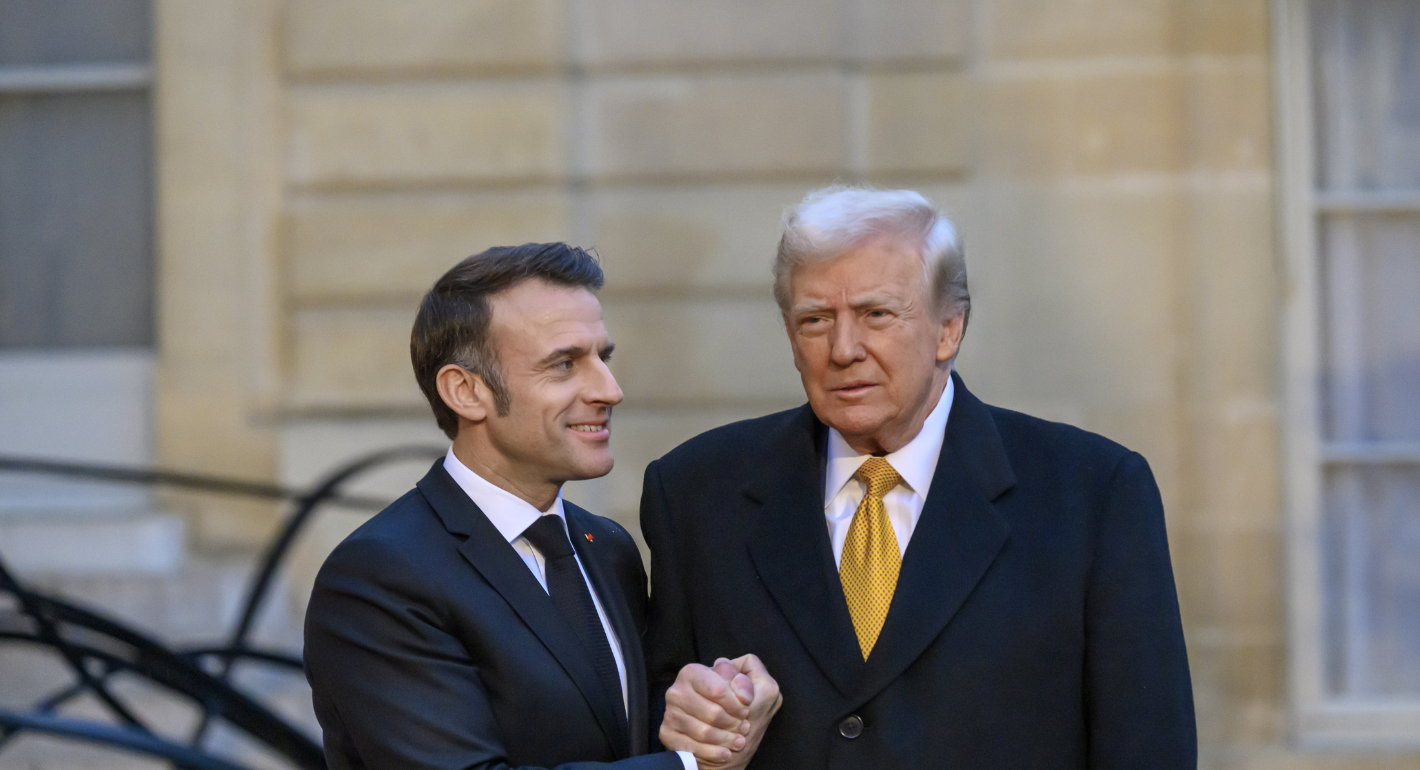
Donald Trump’s repudiation of NATO goes against the Make America Great Again vision of a U.S.-centered foreign policy. If the goal is to preserve the alliance by boosting Europe’s commitments, leaning into France’s vision is the most America First way forward.
Rym Momtaz
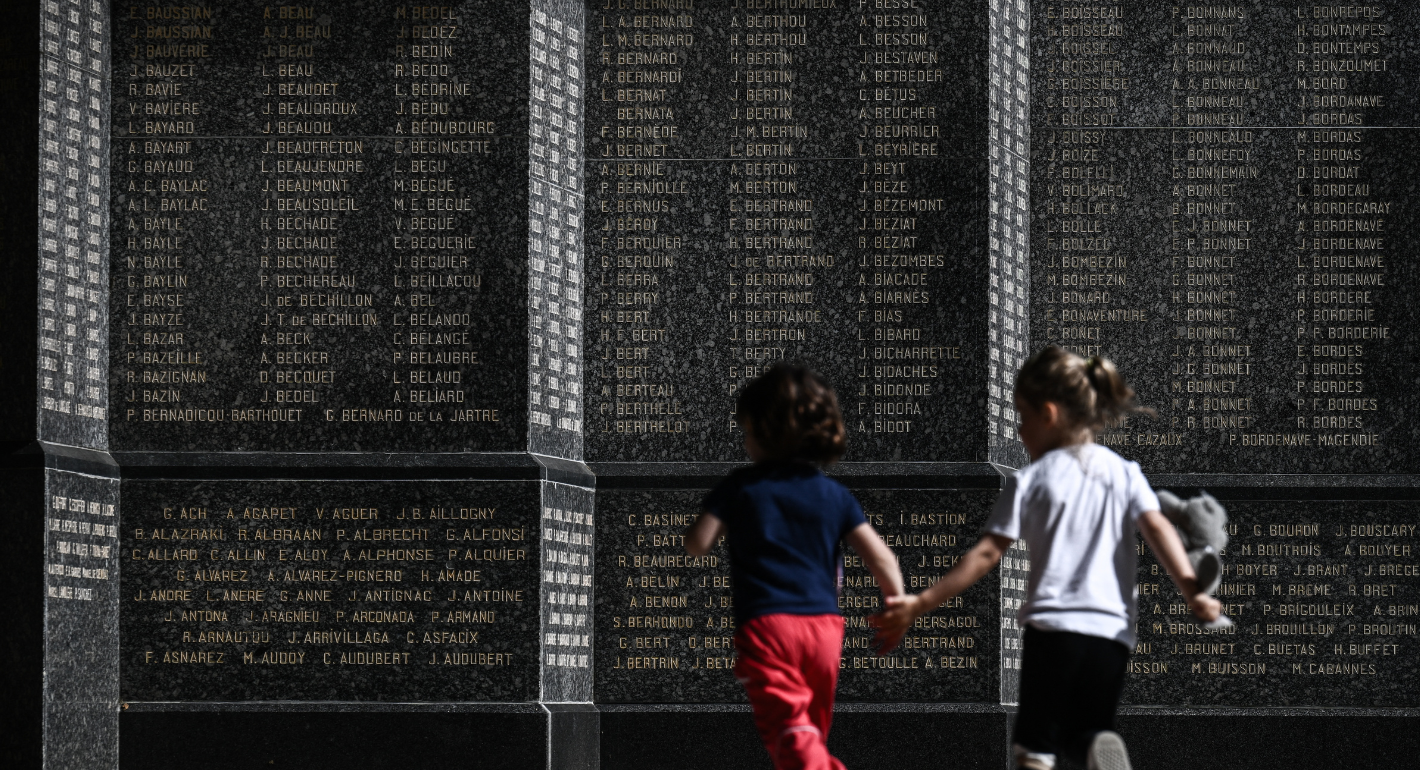
The wars in Ukraine and the Middle East are existential threats to Europe as a peace project. Leaders and citizens alike must reaffirm their solidarity to face up to today’s multifaceted challenges.

Marc Pierini
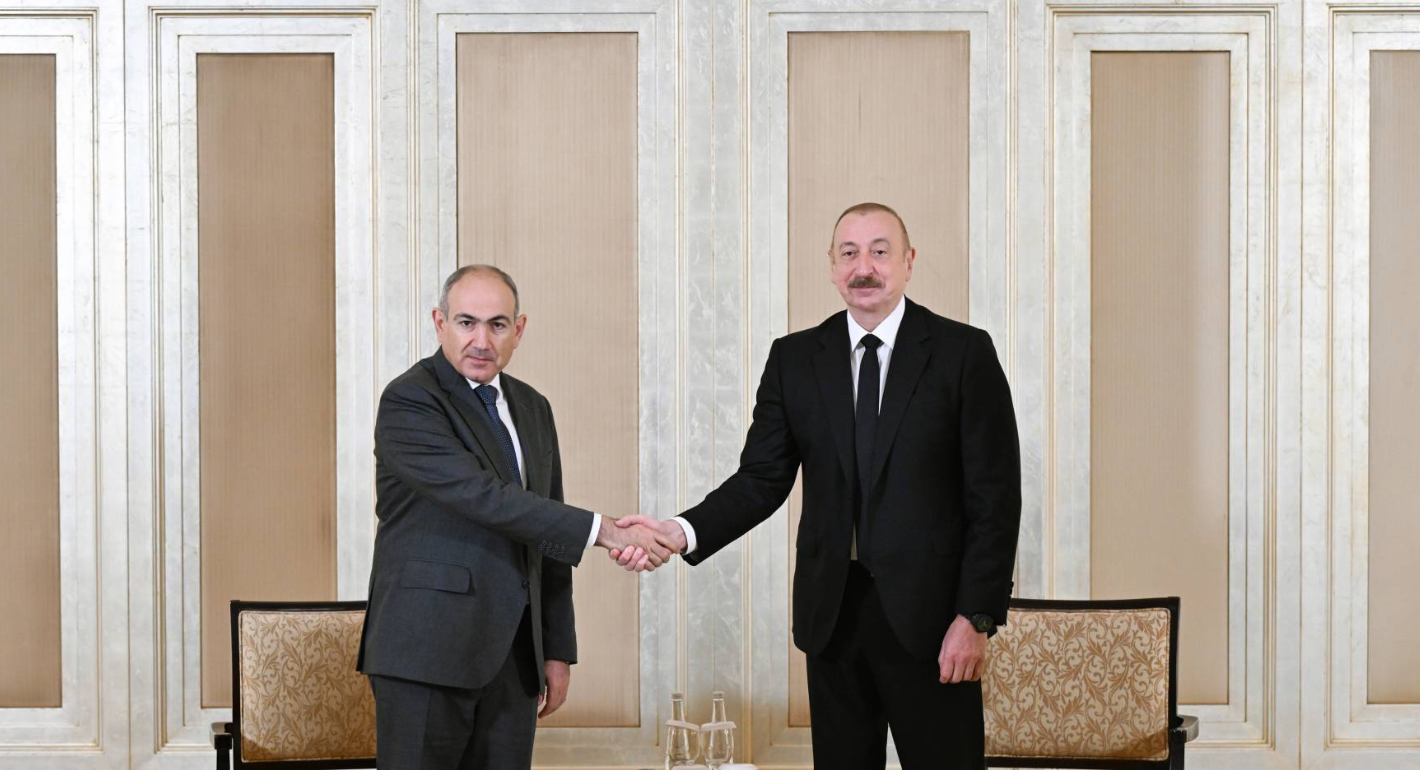
The U.S.-sponsored TRIPP deal is driving the Armenia-Azerbaijan peace process forward. But foreign and domestic hurdles remain before connectivity and economic interdependence can open up the South Caucasus.


Thomas de Waal, Areg Kochinyan, Zaur Shiriyev