• Research
  • Strategic Europe
  • About
  • Experts
Carnegie Europe logoCarnegie lettermark logo
EUUkraine
  • Donate
REQUIRED IMAGE

REQUIRED IMAGE

Paper

When Money Talks: Arab Sovereign Wealth Funds in the Global Public Policy Discourse

The financial interdependence that sovereign wealth funds (SWFs) created between the West and the Arab world could help stabilize multilateral relations and promote economic development and political stability in the Middle East.

Link Copied
By Sven Behrendt
Published on Oct 15, 2008

Additional Links

When Money Talks - English (PDF)When Money Talks - Arabic (PDF)

The financial interdependence that sovereign wealth funds (SWFs) created between the West and the Arab world could help stabilize multilateral relations and promote economic development and political stability in the Middle East, concludes a new paper from the Carnegie Middle East Center. 

Sven Behrendt studies the rise of Arab SWFs, assesses their investment strategy, and evaluates the policies of Arab investors and Western nations.

He also analyses the political implications of policy initiatives, such as the International Working Group of Sovereign Wealth Funds convened by the IMF, which agreed to new voluntary principles and investment practices in Washington last Saturday.
 
Key conclusions:
  • An international framework between investing and recipients nations is needed and should reflect the changing nature of the global market. A fragmented system of national policies is inefficient and in no one’s interest.
  • Arab investment managers need to adjust their strategies and take broader responsibility for the stability of the global financial markets. They can no longer play the role of quiet investors. 
  • Arab public opinion, media, and civil society should take an interest in their countries’ SWFs and demand a more transparent accounting of how the funds are being invested. 
  • Western governments should acknowledge the increased bargaining power of the Gulf countries and reach out in a constructive manner. They must also avoid policy decisions based on misplaced fear of foreign domination and populist sentiments.
 Behrendt cautions:
 
“It is vital that the International Working Group’s work acquires a high degree of political legitimacy, anticipating the tremendous growth of SWFs in the mid-term future, further straining any new financial markets regime. Otherwise states will revert to national legislation in regard to regulating SWFs. The outcomes of these policy processes risk to largely be a function of the domestic discourse between pragmatists and populists in the Western countries.”
 
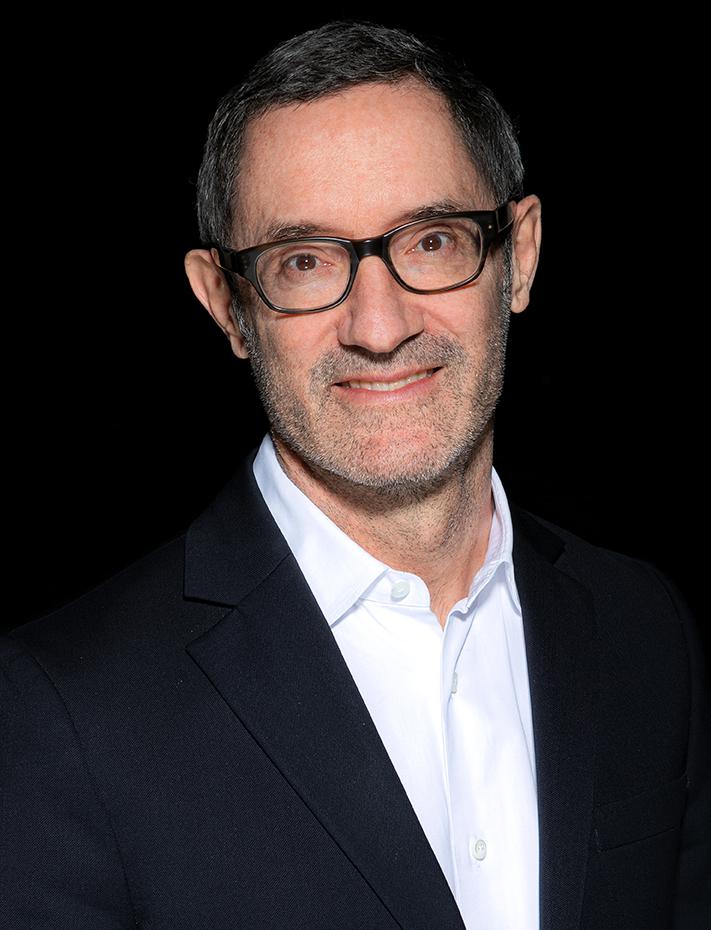
Sven Behrendt is a visiting scholar at the Carnegie Middle East Center. He is an expert in global policy issues, international negotiations, corporate strategy, and diplomacy. Prior to his appointment at Carnegie, he served in various management positions at the World Economic Forum and the Bertelsmann Group on Policy Research. He is a regular commentator on television and in the press on corporate strategy and globalization.

About the Author

Sven Behrendt

Sven Behrendt
BahrainKuwaitSaudi ArabiaUnited Arab EmiratesGulfEconomy

Carnegie does not take institutional positions on public policy issues; the views represented herein are those of the author(s) and do not necessarily reflect the views of Carnegie, its staff, or its trustees.

More Work from Carnegie Europe

  • Article
    Rewiring the South Caucasus: TRIPP and the New Geopolitics of Connectivity

    The U.S.-sponsored TRIPP deal is driving the Armenia-Azerbaijan peace process forward. But foreign and domestic hurdles remain before connectivity and economic interdependence can open up the South Caucasus.

      • Areg Kochinyan

      Thomas de Waal, Areg Kochinyan, Zaur Shiriyev

  • Commentary
    Strategic Europe
    Taking the Pulse: Is it NATO’s Job to Support Trump’s War of Choice?

    Donald Trump has demanded that European allies send ships to the Strait of Hormuz while his war of choice in Iran rages on. He has constantly berated NATO while the alliance’s secretary-general has emphatically supported him.

      • Rym Momtaz

      Rym Momtaz, ed.

  • Research
    Planetary vs International Security: Economic Growth at the Crossroads

    Economic growth is at the heart of a dilemma between planetary and international security.

      Olivia Lazard

  • Commentary
    Strategic Europe
    Europe and the Arab Gulf Must Come Together

    The war in Iran proves the United States is now a destabilizing actor for Europe and the Arab Gulf. From protect their economies and energy supplies to safeguarding their territorial integrity, both regions have much to gain from forming a new kind of partnership together.

      • Rym Momtaz

      Rym Momtaz

  • Commentary
    Strategic Europe
    Europe on Iran: Gone with the Wind

    Europe’s reaction to the war in Iran has been disunited and meek, a far cry from its previously leading role in diplomacy with Tehran. To avoid being condemned to the sidelines while escalation continues, Brussels needs to stand up for international law.

      Pierre Vimont

Get more news and analysis from
Carnegie Europe
Carnegie Europe logo, white
Rue du Congrès, 151000 Brussels, Belgium
  • Research
  • Strategic Europe
  • About
  • Experts
  • Projects
  • Events
  • Contact
  • Careers
  • Privacy
  • For Media
  • Gender Equality Plan
Get more news and analysis from
Carnegie Europe
© 2026 Carnegie Endowment for International Peace. All rights reserved.