

Article
Pierre Goldschmidt
Source: Getty
The International Atomic Energy Agency (IAEA) must reassert its authority to strengthen the dangerously weakened nonproliferation regime and to help prevent future proliferation crises.
Repeated violations of the Nonproliferation Treaty and International Atomic Energy Agency (IAEA) safeguards have been met with ambiguous and inconsistent responses from the international community, creating the impression that states can pursue nuclear weapons programs without meaningful consequences. The IAEA must reassert its full authority, particularly its right to conduct special inspections at undeclared facilities, to strengthen the dangerously weakened nonproliferation regime.
Goldschmidt – former deputy director general and head of the department of safeguards at the IAEA – explains that the deterrence effect of early detection and swift response to noncompliance, essential to preventing proliferation, is no longer sufficiently credible. He recommends concrete steps for the IAEA to reassert its verification authority and for the UN Security Council to improve enforcement mechanisms that would help prevent future proliferation crises.
Key steps for the IAEA:
Key steps for the UN Security Council:
Goldschmidt concludes:
“The international community must reject the recent tendency to accept the idea that, sooner or later, more countries will possess nuclear weapons, and that we can do nothing to stop it. Those who think the nonproliferation regime is failing and those who think it is too valuable to let fail generally agree that there are practical steps that can be taken to dissuade and deter non-nuclear-weapon states from seeking nuclear weapons, if the international community—particularly the nuclear-weapon states—make this a higher priority, and not just in words.”
Former Nonresident Senior Associate, Nuclear Policy Program
Goldschmidt was a nonresident senior associate at the Carnegie Endowment.
Recent Work
Pierre Goldschmidt
Pierre Goldschmidt
Carnegie does not take institutional positions on public policy issues; the views represented herein are those of the author(s) and do not necessarily reflect the views of Carnegie, its staff, or its trustees.
When the U.S.-Iran memorandum of understanding was announced, the UK, France, Germany, and Italy declared their readiness to help demine the Strait of Hormuz and lift nuclear sanctions on Tehran. But does Europe need new tools to recover a diplomatic role?

Rym Momtaz, ed.
Amid uncertainty caused by the Iran war, the global drive for nonproliferation has stalled. With Europe diplomatically marginalized and countries reassessing their nuclear options, efforts to curb the spread of nuclear weapons risk becoming irrelevant.

Jane Darby Menton
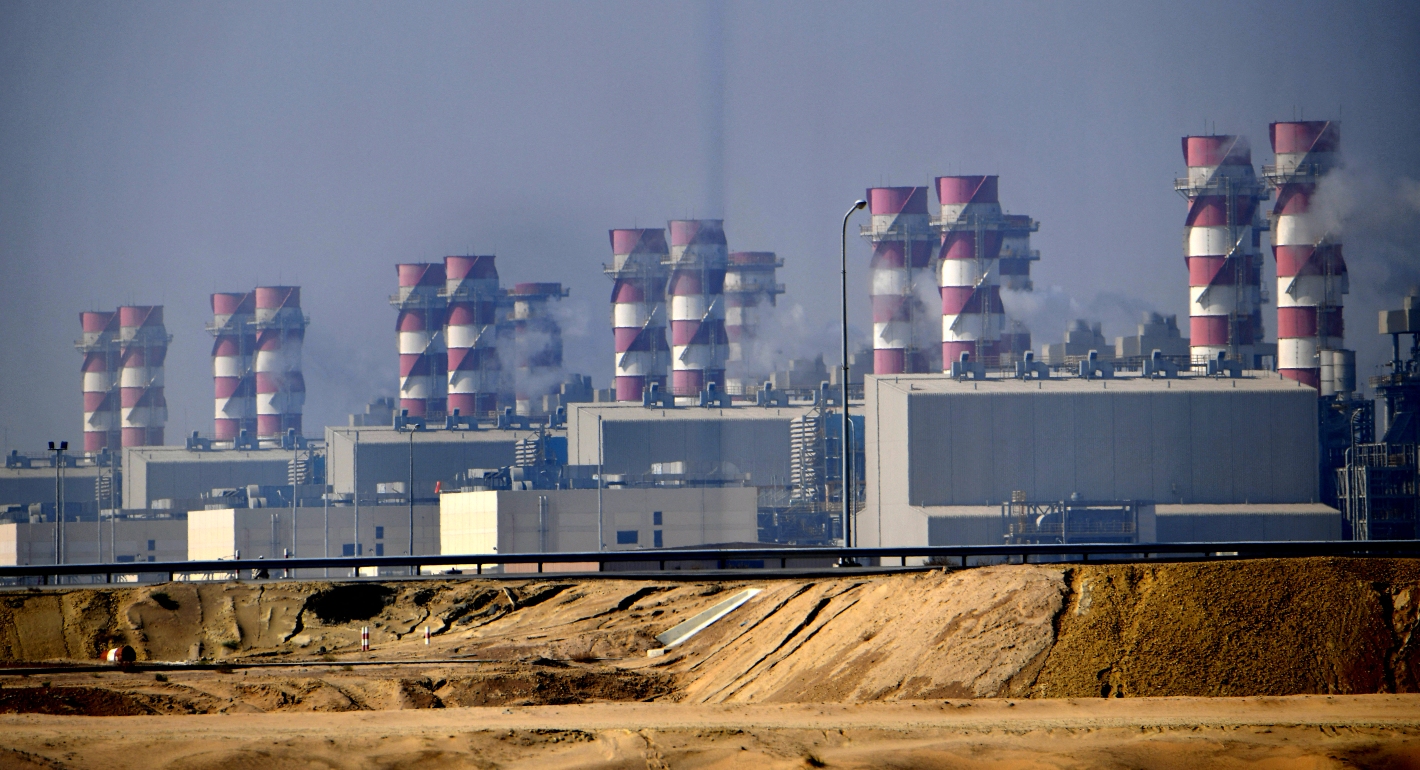
The U.S.-Iran war has crossed a dangerous threshold: water infrastructure in the Gulf is now a target. Ecological statecraft is no longer peripheral to security, it's part of its foundations.


Olivia Lazard, Ali Bin Shahid
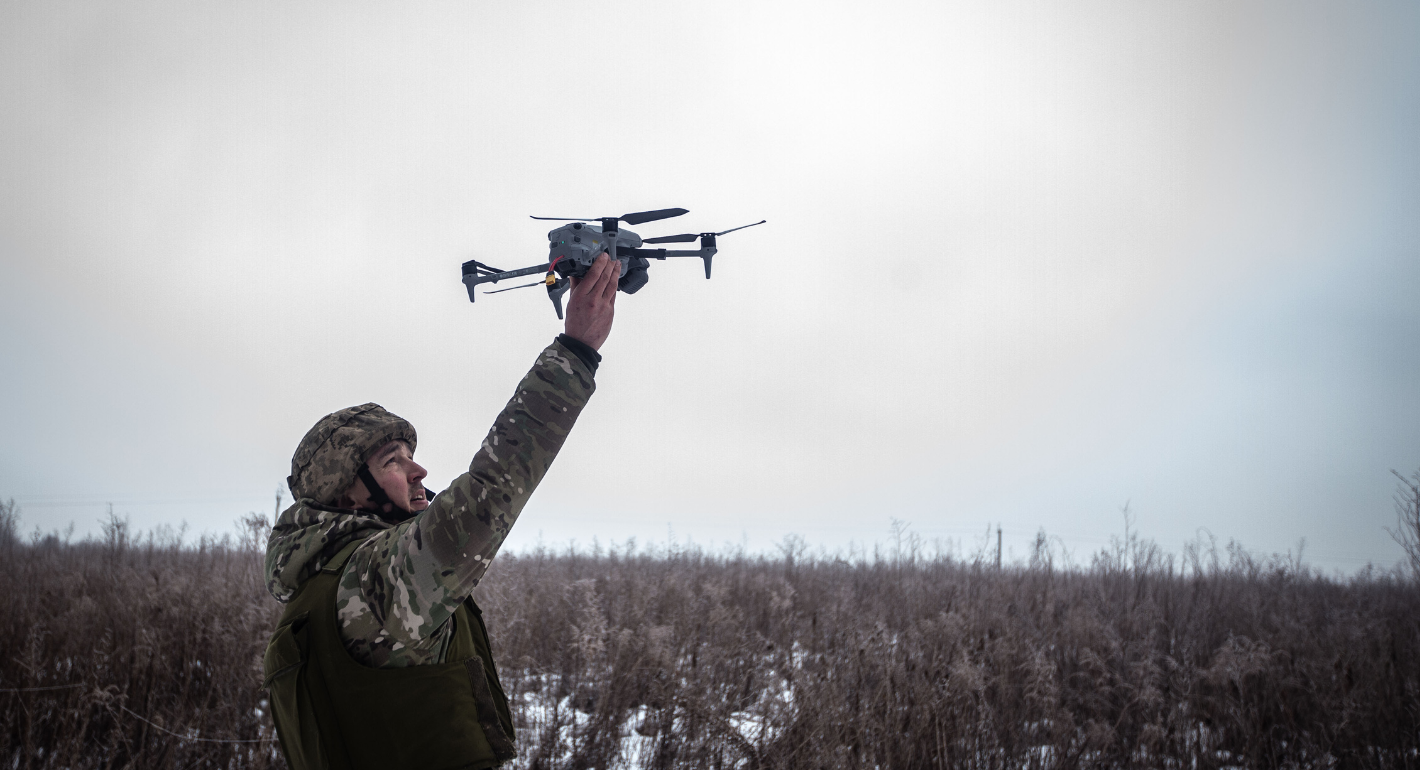
In Ukraine, Gaza, and Iran, AI warfare has come to dominate, with barely any oversight or accountability. Europe must lead the charge on the responsible use of new military technologies.

Raluca Csernatoni
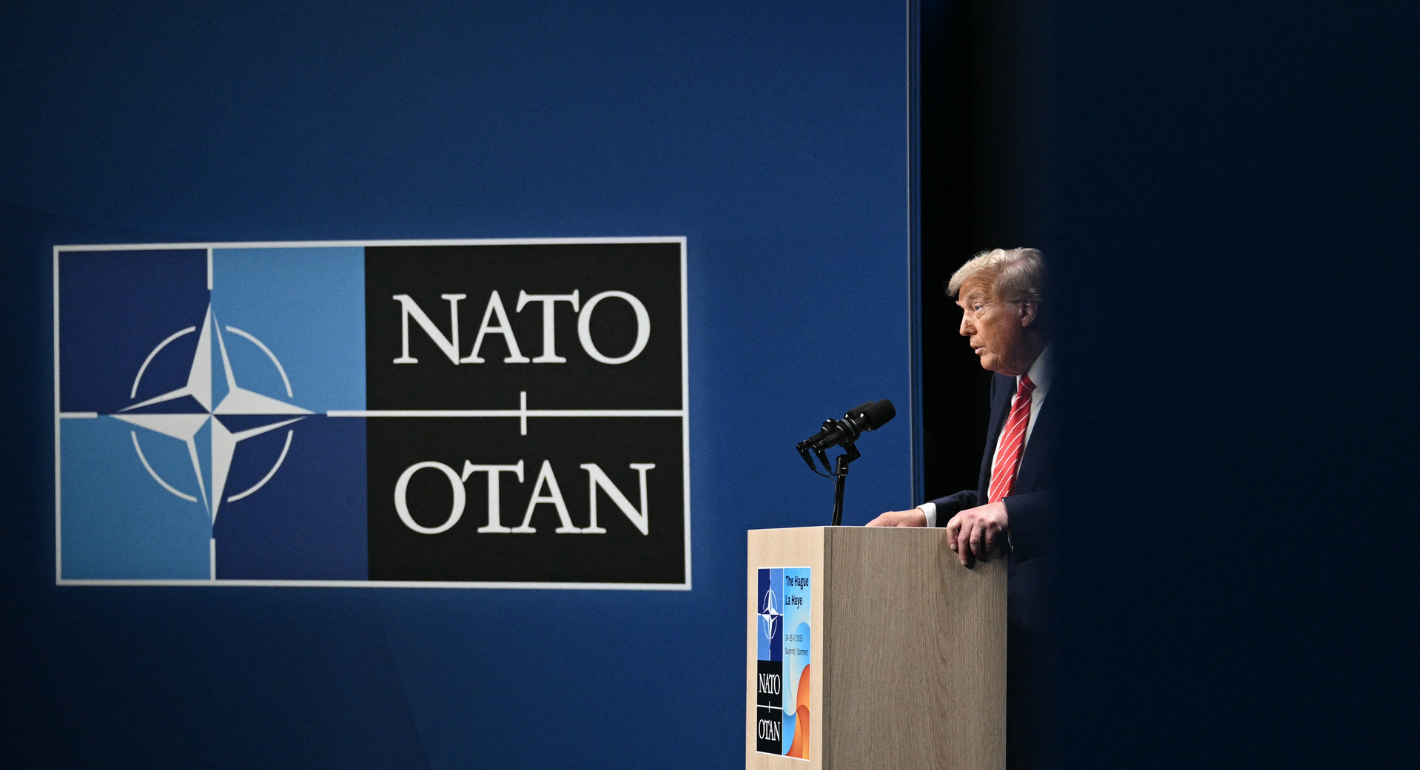
Donald Trump has repeatedly bashed NATO and European allies, threatening to annex Canada and Greenland and deploring their lack of enthusiasm for his war of choice in Iran. Is this latest round of abuse the final straw?
Rym Momtaz, ed.