

Commentary
The European Commissioner for Trade is headed to China. But after President Xi’s bridge-building visit to Washington, can a more isolated EU overcome Beijing’s stranglehold on critical raw materials? Who will blink first?
Rym Momtaz, ed.
Source: Getty
Credit markets have strengthened, with risk appetites and credit availability both on the rise. However, trends in unemployment and corporate defaults question the sustainability of such improvements.
Global financial conditions have improved significantly in recent months, following unprecedented policy action and signs of demand and output recovery. In turn, the decline in risk premiums and increased credit availability are helping consolidate the economic recovery, though pressures from unemployment and corporate default still weigh on its sustainability.
Risk Premiums Have Subsided from Historic Highs
Rising confidence in corporate earnings and emerging market securities has increased risk appetites, cutting the extra yield investors demanded to hold these assets.

Credit Availability is Increasing
As worries of systemic collapse and economic free-fall have abated, banks have become more willing to lend, liquidity has increased, and market volatility has declined, indicating some return to normalcy in the credit market.
The reduction of systemic risks, along with an improved economic outlook, has raised demand for riskier assets as corporate profits have grown.
Vulnerabilities Remain
Despite the improvement in credit conditions, economic activity remains well below last year’s levels, with corporate defaults continuing to rise, unemployment worsening, and commercial real estate markets weakening. This is bound to further hit bank balance sheets and is likely to dampen the recovery in both credit and economic activity.
Because of these pressures, projected credit capacity will be insufficient for meeting credit demand, according to the IMF.
Central Banks Remain Supportive
Real Economy Indicates Broad Improvement
Looking Ahead
For an update on the picture of economic conditions in the UK and interest rate decisions, look for the release of the Bank of England's Monetary Policy Committee meeting minutes on Wednesday, October 21, and UK's third quarter GDP report on Friday, October 23.
This analysis was produced by the editorial staff of the International Economic Bulletin, including Shimelse Ali, Vera Eidelman, Bennett Stancil, and Uri Dadush.
Carnegie does not take institutional positions on public policy issues; the views represented herein are those of the author(s) and do not necessarily reflect the views of Carnegie, its staff, or its trustees.

The European Commissioner for Trade is headed to China. But after President Xi’s bridge-building visit to Washington, can a more isolated EU overcome Beijing’s stranglehold on critical raw materials? Who will blink first?

Rym Momtaz, ed.

The domestic impacts of how long it is taking to end the war in Ukraine have pushed the French electorate to the political extremes and compromised the country’s diplomatic capacity.
Rym Momtaz

A summer of escalation in the Black Sea has hurt Ukraine economically and is exacerbating world food security. A truce is needed—as is a broader reframing of Europe’s Ukraine strategy.

Thomas de Waal
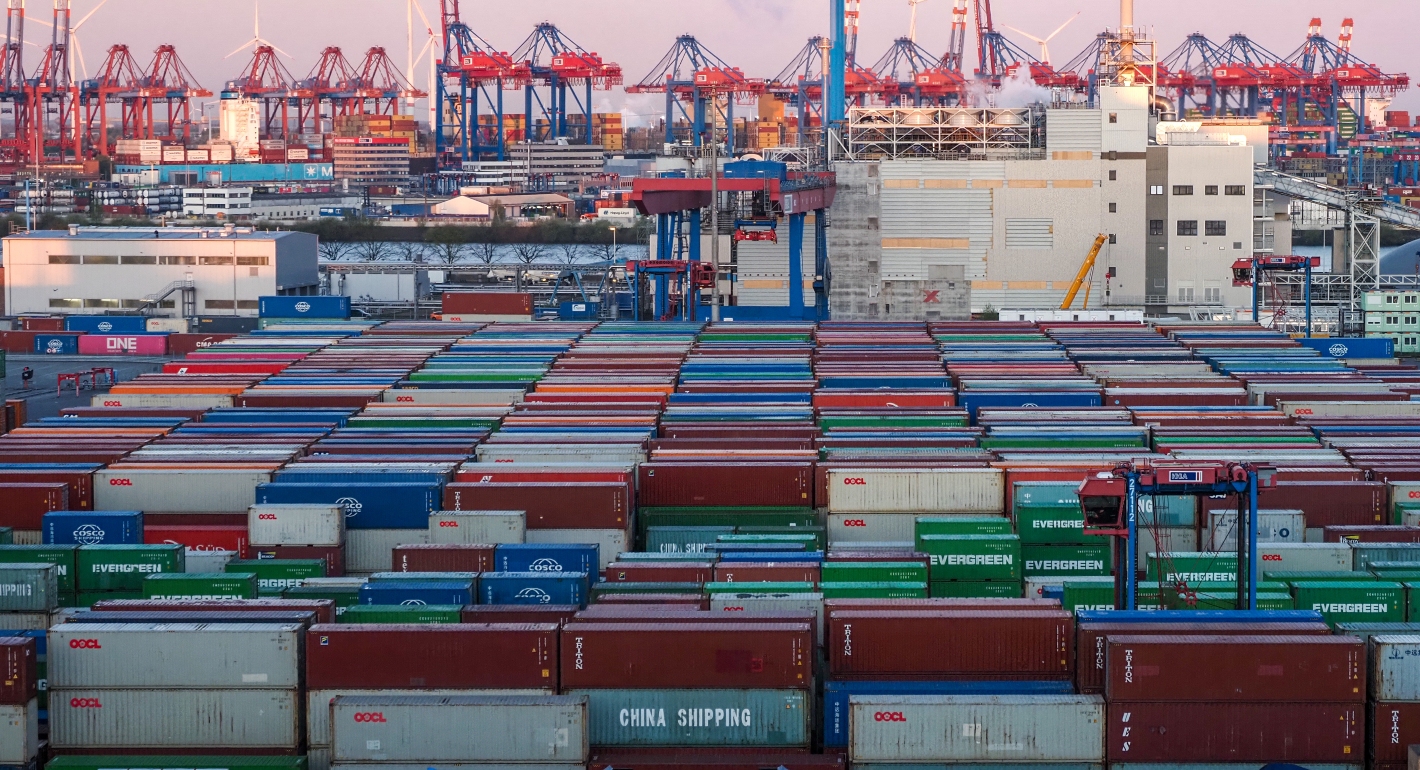
As geopolitical rivalry weaponizes global supply chains, the EU’s true vulnerability lies in emerging-risk imports. For these goods, suppliers are growing more concentrated, substitution more difficult, and political risk is looming.

Sinan Ülgen

The EU is putting together a new security strategy to meet today’s myriad challenges. But for any proposal to be effective, the union needs to grapple with its identity and ambitions.

Pierre Vimont