

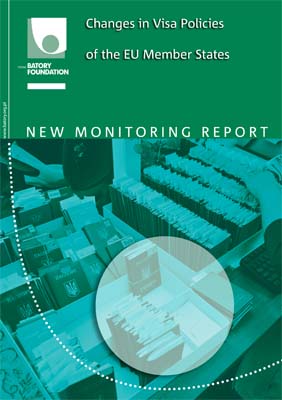
Changes in Visa Policies of the EU Member States
The visa facilitation agreements with the EU have made getting visas easier and cheaper, but they have not significantly diminished the amount of time it takes, nor have they simplified procedures for obtaining long-term multi-entry visas.
Source: Carnegie Moscow Center Report

This report, published by the Carnegie Moscow Center (in Russian), presents the results of an international survey organized by the Stefan Batory Foundation (Poland) on the issue of Schengen visas for citizens of post-Soviet countries. The survey was conducted in Moscow, Kiev, Minsk and Chisinau and covered the embassies of eight Schengen countries and the United Kingdom. The study, conducted in October-December 2008, surveyed people waiting in line to obtain visas from the relevant consulates. The Carnegie Moscow Center, which coordinated the survey in Russia, added to the standard program a series of interviews with the heads of the consular services of the countries concerned, in order to present their views of the situation and their vision of the problems and possible solutions.
Full text of the report is available in Russian.
About the Authors
Leszek Chajewski
Leonid Kalitenya
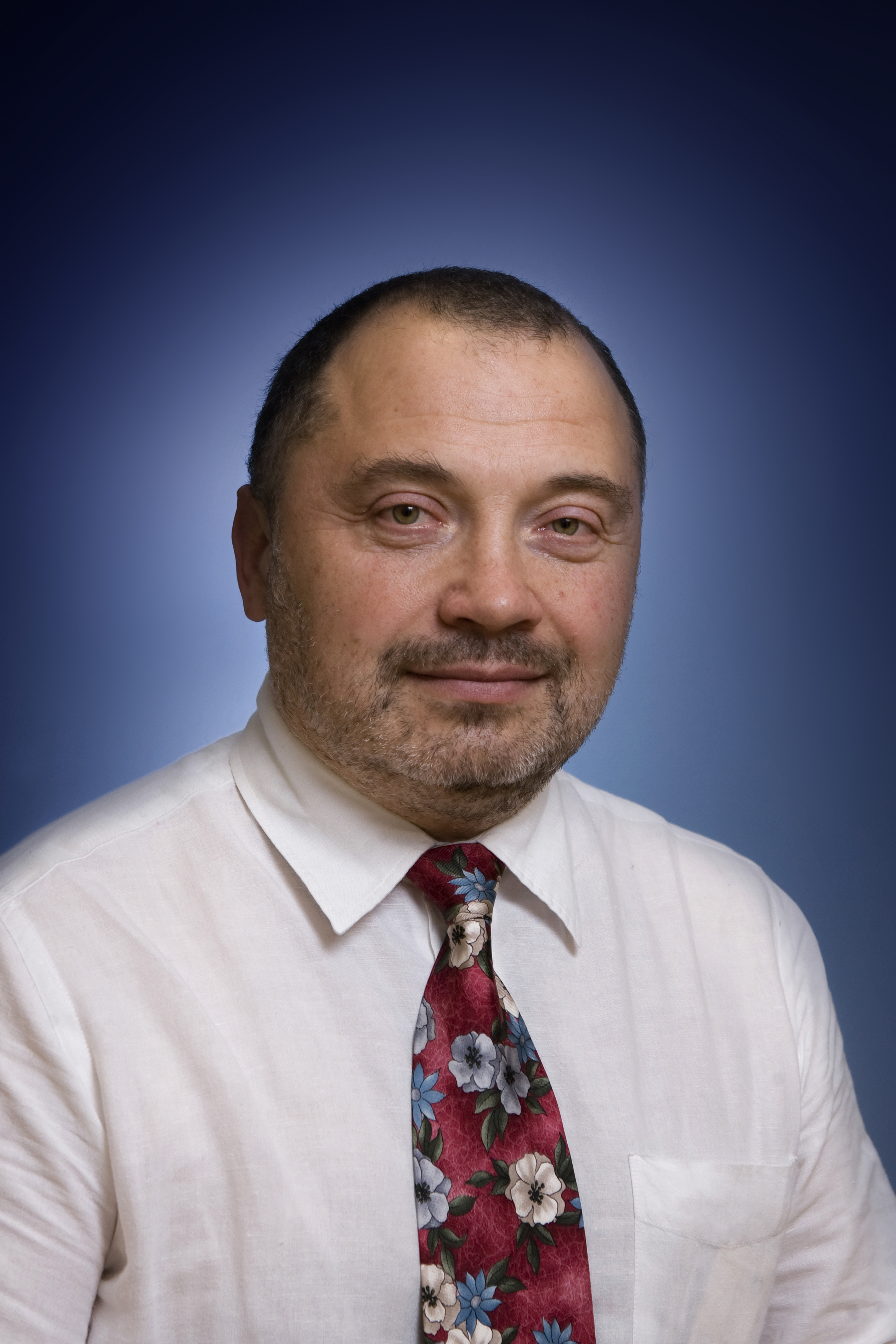
Former Scholar-in-Residence, Society and Regions Program, Moscow Center
Nikolay Petrov was the chair of the Carnegie Moscow Center’s Society and Regions Program. Until 2006, he also worked at the Institute of Geography at the Russian Academy of Sciences, where he started to work in 1982.
Natalia Petrova
Alexandru Platon
Olexander Sushko
Carnegie does not take institutional positions on public policy issues; the views represented herein are those of the author(s) and do not necessarily reflect the views of Carnegie, its staff, or its trustees.