

In The Media
Shahram Chubin
Source: Getty
The biggest threat to nonproliferation remains in the Middle East. An informal, strategic dialogue could help identify steps that can build confidence before an agreement for a nuclear-weapon-free zone is reached.
The 8th Review Conference of the Non-Proliferation Treaty (NPT) ends this week, possibly with a vague consensus document or in deadlock like its predecessor in 2005. Meanwhile, North Korea, which claims to have nuclear weapons and has left the Treaty, is demonstrating belligerence which leaves the great powers uncertain how to respond. And Iran continues its enrichment despite the Security Council’s repeated requests for a suspension. The real world is getting more dangerous as nuclear power looks set to enjoy a revival, creating problems of ensuring safety of materials. And many states appear unwilling to accept stronger safeguards (the Additional Protocol), which would tighten inspections without a quid pro quo. Unable to grapple with Iran’s nuclear ambitions and to respond to North Korea, the limits of multilateral diplomacy are clear enough, but the NPT remains one of the most universal treaties, and one of the most useful.
In New York, the Review Conference discussions have, as always, revolved around the respective responsibilities of states with nuclear weapons to disarm and that of the non-nuclear-weapon states to shore up the NPT. Besides stricter inspections, one useful step would be for the latter group of states to renounce the intention to enrich uranium and accept the various proposals for the multilateralization of the fuel cycle in regional enrichment centers. Unfortunately, states like Brazil are not playing the leadership role that they appear to aspire to, leaving the door open for states like Iran to claim “the right” to enrichment. This, in turn, makes the prospect of more nuclear disarmament more remote. After all, if one batch of states are reducing their inventories (the United States, Russia, and possibly the United Kingdom) and another batch are building up their stocks (China, India and Pakistan), there is bound to be a reluctance to go below a certain level.
That said, the biggest threat to nonproliferation is in the Middle East. Libya, Iraq, and Syria have all sought nuclear weapons. Israel’s nuclear capabilities—not formally admitted—serves as a pretext for Iran’s nuclear ambitions. It also provides the Arab states (notably Egypt) with the excuse to insist that a nuclear-weapon-free zone (NWFZ) in the Middle East must be a priority for the NPT and that a non-nuclear Israel must be a part of it. Israel, which “neither confirms nor denies” the possession of nuclear weapons while not seeking to provoke the Arab states, has its eye on Iran. Looking at the evolving threat from the East and an Iran, which within five years will have missiles which can reach Europe, Israel is concerned about retaining a maximum degree of deterrence so as to avoid any misunderstanding on the part of Tehran. Israel therefore insists that any discussion of disarmament and zones free of weapons should follow rather than precede a political settlement.
The problem is further complicated by the potential tension between the need for Israel to make its deterrence more explicit, perhaps by reducing some of the ambiguity around it, and the Arab League’s insistence that any explicit admission by Israel of a nuclear weapons capability will see its members leave the NPT.
The international community is implicated in this never-never land where the global norm of nonproliferation needs are being strengthened, but the number of states willing to do the “heavy lifting” to maintain and build upon it remains pitifully small.
It is an axiom that outsiders cannot achieve what the local parties do not want. But it also true, at least in the Middle East, that notwithstanding the mixed record of outside powers, regional powers will not be able to make peace on their own.
On purely the nuclear side, there is an obvious need for regional states to recognize the interdependence of security—as distances shrink and weapons become more powerful or more accurate, disputes, tensions and arms acquisitions affect every one.
The proposal of a NWFZ in the region goes back to 1974. The goal is now more elusive than then but no less laudable. It is certainly more urgent. Delineating the scope of such a zone, the possible parties, and the necessary steps required to achieve it, are all issues for discussion and study. Bringing together the possible members of such a zone in a dialogue (initially informal) could serve as a form of “strategic dialogue” that the region lacks. Identifying steps that can build confidence before agreement rather than after an accord would also be useful in a region that appears to believe confidence-building measures are the products of an agreement, not steps on the way towards an agreement.
The beginning of a dialogue in a trusted, neutral forum that promises security and discretion would be helpful to the parties concerned. A state with a respectable record on nonproliferation that could coordinate with all concerned parties, regional and extra-regional, would be an ideal candidate. Is there a role for Switzerland here?
This article was originally published in French in Le Temps (Geneva).
Shahram Chubin is a nonresident senior associate in the Nuclear Policy Program at the Carnegie Endowment for International Peace.
Former Nonresident Senior Fellow, Nuclear Policy Program
Chubin, who is based in Geneva, focuses his research on nonproliferation, terrorism, and Middle East security issues. He was director of studies at the Geneva Centre for Security Policy, Switzerland, from 1996 to 2009.
Recent Work
Shahram Chubin
Shahram Chubin
Carnegie does not take institutional positions on public policy issues; the views represented herein are those of the author(s) and do not necessarily reflect the views of Carnegie, its staff, or its trustees.
French President Emmanuel Macron has unveiled his country’s new nuclear doctrine. Are the changes he has made enough to reassure France’s European partners in the current geopolitical context?

Rym Momtaz, ed.
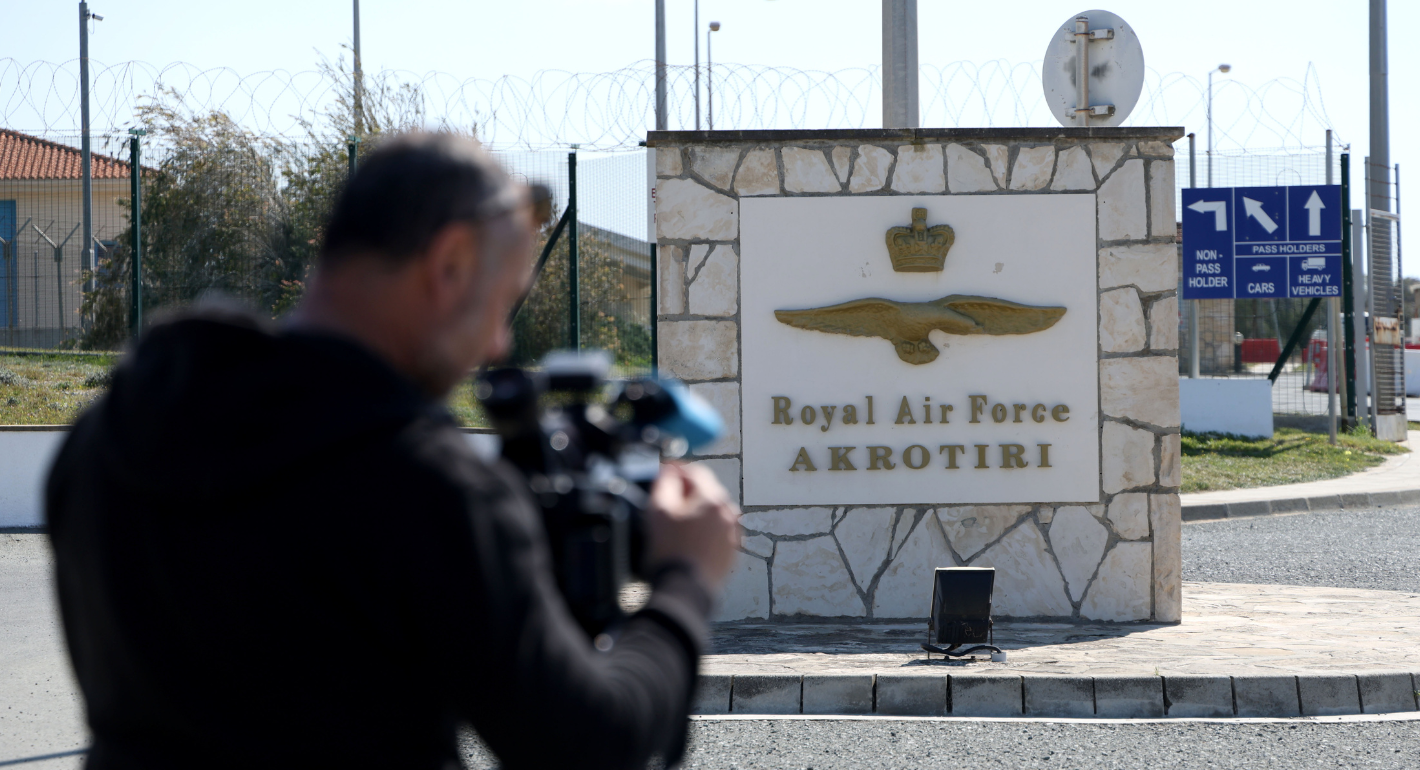
The drone strike on the British air base in Akrotiri brings Europe’s proximity to the conflict in Iran into sharp relief. In the fog of war, old tensions in the Eastern Mediterranean risk being reignited, and regional stakeholders must avoid escalation.

Marc Pierini
European reactions to the war in Iran have lost sight of wider political dynamics. The EU must position itself for the next phase of the crisis without giving up on its principles.

Richard Youngs
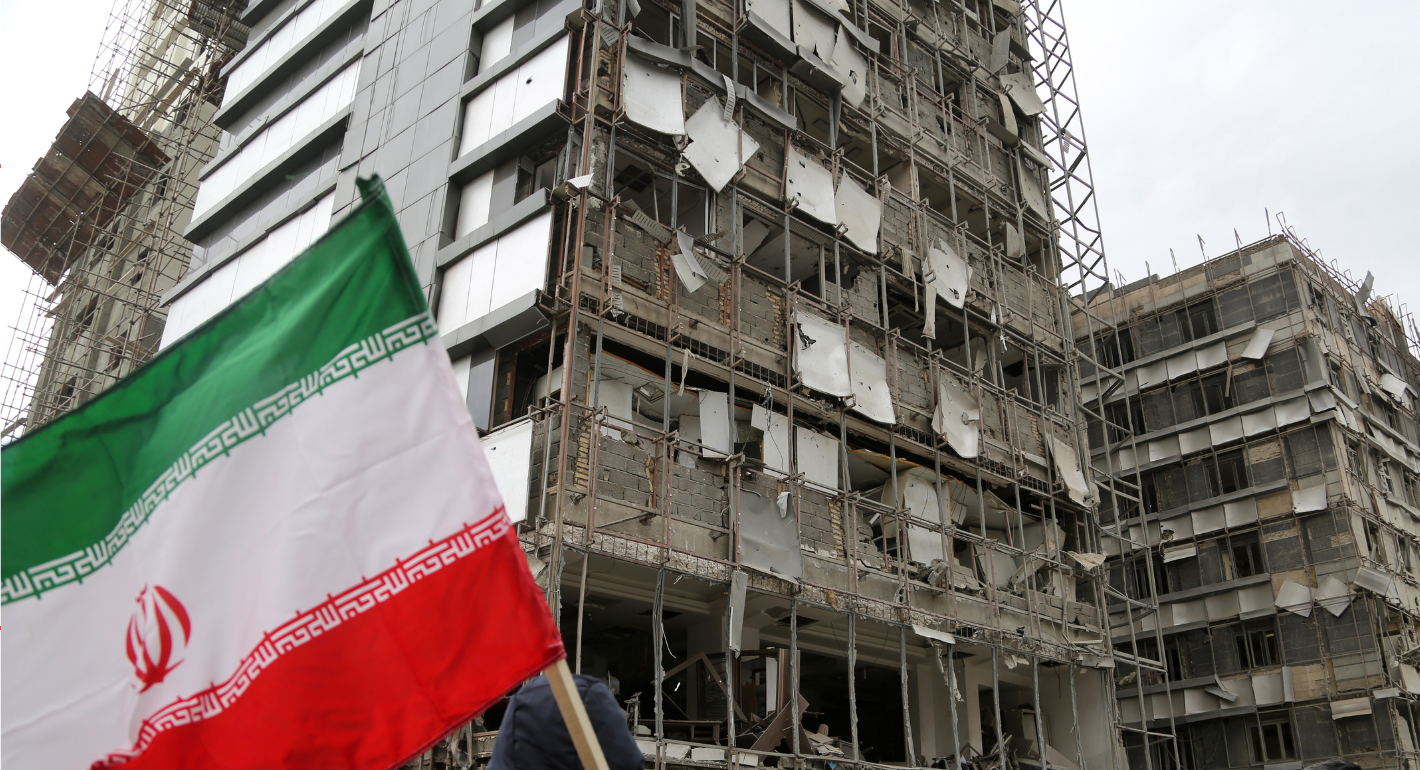
Europe’s reaction to the war in Iran has been disunited and meek, a far cry from its previously leading role in diplomacy with Tehran. To avoid being condemned to the sidelines while escalation continues, Brussels needs to stand up for international law.

Pierre Vimont
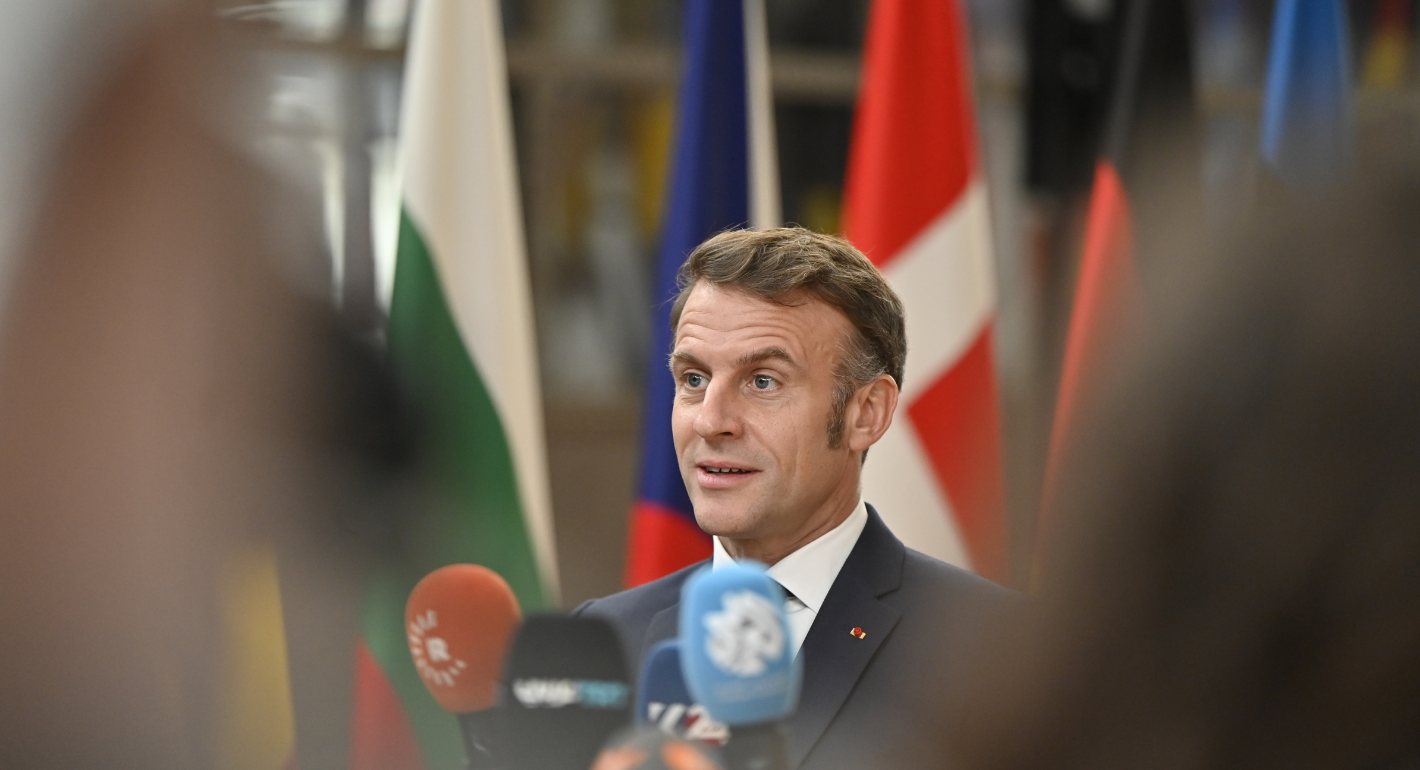
France has stopped clinging to notions of being a great power and is embracing the middle power moment. But Emmanuel Macron has his work cut out if he is to secure his country’s global standing before his term in office ends.
Rym Momtaz