

Commentary
Dmitri Trenin
Source: Getty
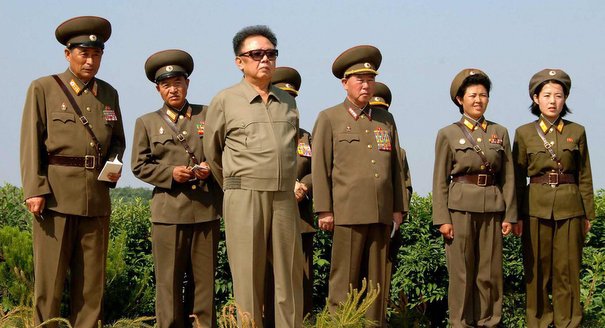
In order to gain China’s vote, the new UN Security Council resolution on the North Korean torpedo attack condemns the act of war, but does not name the perpetrator of the attack.
The “toothless” UN Security Council resolution on the North Korean torpedo attack is discouraging. The act of war is condemned, yet the perpetrator remains unnamed. Such is the price of bringing China aboard and ensuring unanimity among the five permanent members of the Security Council.
Beijing is Pyongyang’s only ally, but it is also the only outside power with a measure of influence in the Stalinist kingdom. North Korea is not a place for sprinters; progress there requires staying power. Whatever is behind the recent attack, it is not the last gasp of the regime.
The fate of the Kim dynasty is more or less known, but not the circumstances of its exit. To preserve peace on the Korean Peninsula, a modicum of unity among the five countries dealing with North Korea is a conditio sine qua non. Under these circumstances, taking account of China’s sensibilities makes sense.
Former Director, Carnegie Moscow Center
Trenin was director of the Carnegie Moscow Center from 2008 to early 2022.
Recent Work
Dmitri Trenin
Dmitri Trenin
Carnegie does not take institutional positions on public policy issues; the views represented herein are those of the author(s) and do not necessarily reflect the views of Carnegie, its staff, or its trustees.
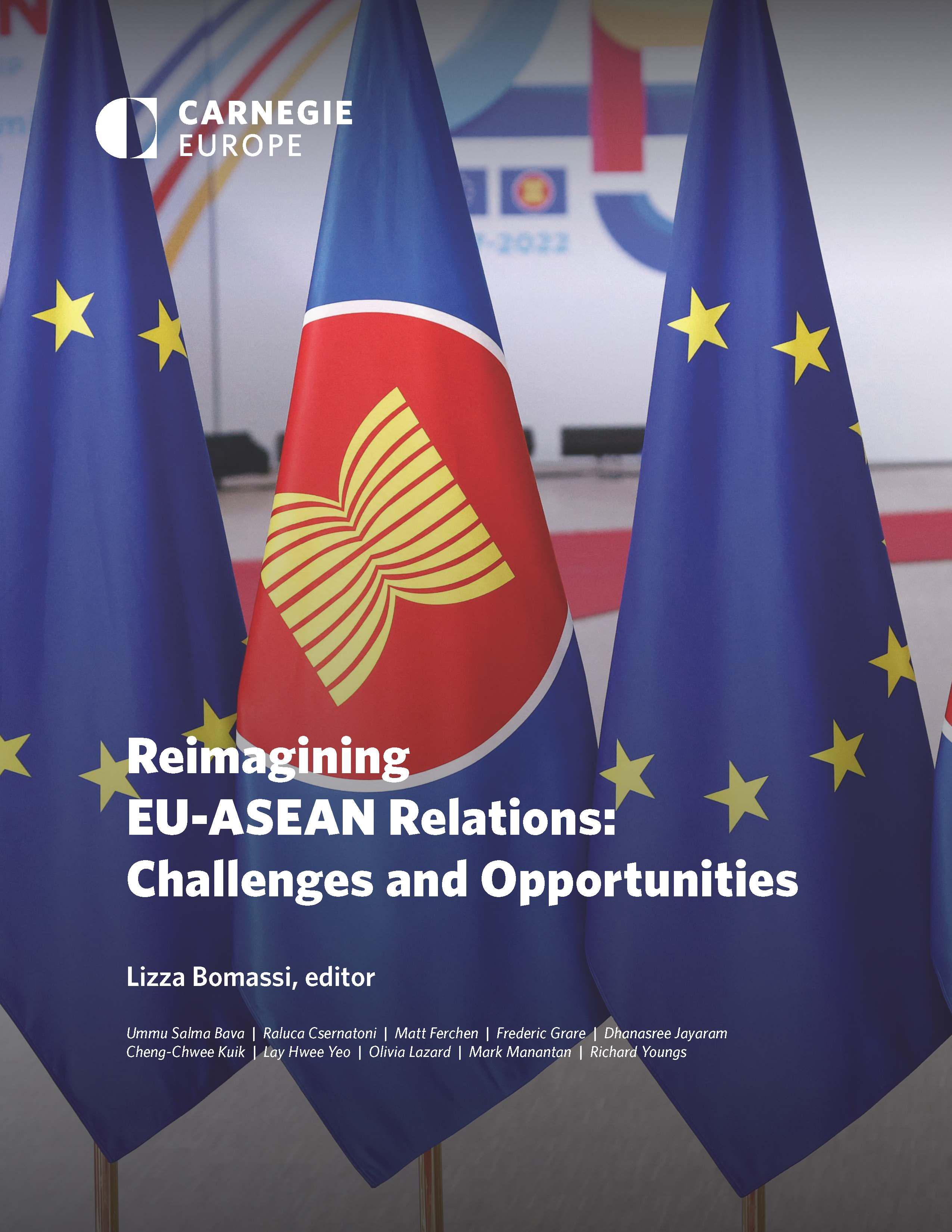
The EU and ASEAN have diverging priorities in climate, security, technology, trade, and democracy. Stronger cooperation in these fields would enable the two blocs to tackle shared challenges and pursue common interests.

Lizza Bomassi
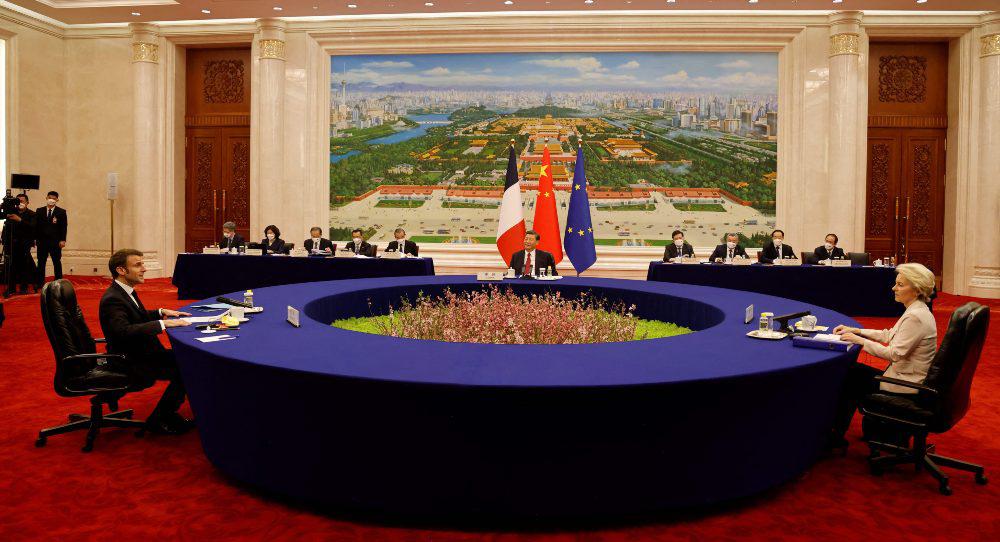
EU member states’ policies toward China have been hardening, but different national interests prevent a joint, coherent approach to Beijing. It may take a conflict over Taiwan to unify Europe.

Judy Dempsey
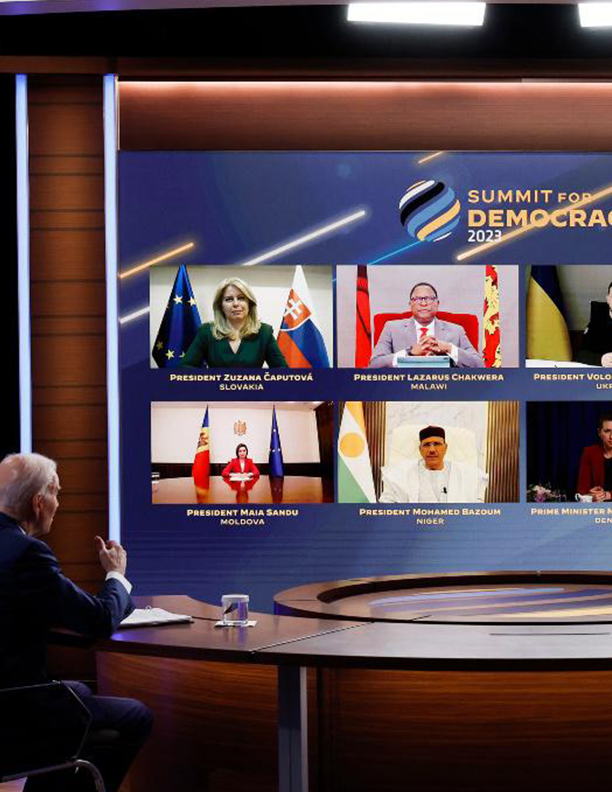
Leaders agreed that the Summit for Democracy process will continue to improve coordination among democracies. If the EU is to prove its credibility and effectiveness, concrete actions are needed in the months ahead.



Richard Youngs, Ken Godfrey, Thomas Carothers, …
Europe is waking up to the malevolent influence of the Chinese regime. European leaders need a common political and economic strategy to manage China’s irreversible rise.
Judy Dempsey
The outcome of Russia’s war on Ukraine will determine who sets the political and economic rules for the coming decades. At stake is the rules-based international order.
Judy Dempsey