

In The Media
Lahcen Achy
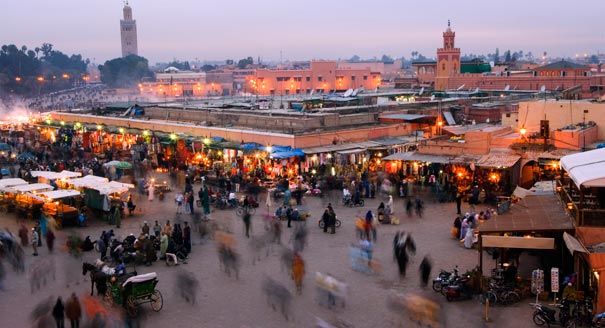
Source: Getty
Policy makers in Algeria, Morocco, and Tunisia should focus on improving the quality—rather than quantity—of jobs available to workers, in order to significantly improve the region’s economic outlook and global competitiveness.
While unemployment rates in the Maghreb have fallen over the last decade, the reasons behind the decline are troublesome: a slowdown in the growth of the working-age population and an increase in informal jobs without social protection. Plus, joblessness among the young and well educated remains high and is growing in some countries.
In a new paper, Lahcen Achy suggests that policy makers in Algeria, Morocco, and Tunisia should focus on improving the quality—rather than quantity—of jobs available to workers to significantly improve the region’s economic outlook and global competitiveness.
“Declining unemployment rates in the Maghreb are misleading and should not be interpreted as a sign of an improved labor market,” Achy writes. Instead, he notes, Maghreb countries need a better strategy to “generate high and sustainable growth, create decent and high value-added jobs, and yet strengthen their competitiveness in a globalized world.”

Former Nonresident Senior Associate, Middle East Center
Achy is an economist with expertise in development, institutional economics, trade, and labor and a focus on the Middle East and North Africa.
Recent Work
Lahcen Achy
Lahcen Achy

With its public finances in shambles, the far right polling at 35 percent ahead of the 2027 presidential election, and a growing protest movement, is France’s crisis a threat to the EU’s geopolitical awakening?

Rym Momtaz, ed.

The European Commissioner for Trade is headed to China. But after President Xi’s bridge-building visit to Washington, can a more isolated EU overcome Beijing’s stranglehold on critical raw materials? Who will blink first?
Rym Momtaz, ed.

The domestic impacts of how long it is taking to end the war in Ukraine have pushed the French electorate to the political extremes and compromised the country’s diplomatic capacity.
Rym Momtaz

A summer of escalation in the Black Sea has hurt Ukraine economically and is exacerbating world food security. A truce is needed—as is a broader reframing of Europe’s Ukraine strategy.

Thomas de Waal
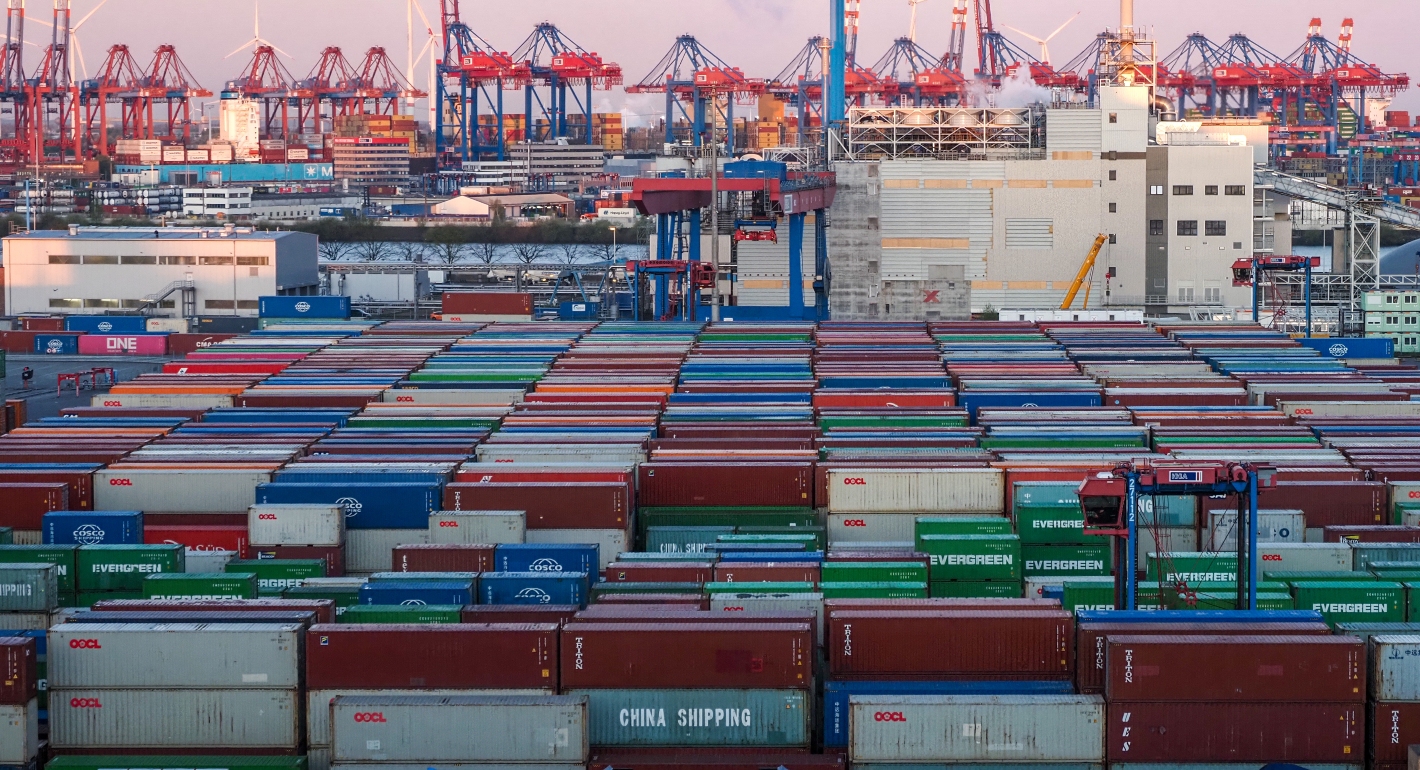
As geopolitical rivalry weaponizes global supply chains, the EU’s true vulnerability lies in emerging-risk imports. For these goods, suppliers are growing more concentrated, substitution more difficult, and political risk is looming.

Sinan Ülgen