

Paper
Autonomous AI agents are increasingly prevalent in cyberspace. The EU needs a real-time monitoring strategy, to invest in AI defenses, and to reduce its strategic dependence on U.S. frontier models.
Raluca Csernatoni, Patryk Pawlak

The AI community is at risk of becoming polarized to either take a laissez-faire attitude toward AI development, or to call for government overregulation.

Distinguished Fellow
Mariano-Florentino (Tino) Cuéllar is a distinguished fellow at the Carnegie Endowment for International Peace. He was previously the tenth president of the Carnegie Endowment for International Peace. A former justice of the Supreme Court of California, he has served three U.S. presidential administrations at the White House and in federal agencies, and was the Stanley Morrison Professor at Stanford University, where he held appointments in law, political science, and international affairs and led the university’s Freeman Spogli Institute for International Studies.
Jeff Dean
Finale Doshi-Velez
John Hennessy
Andy Konwinski
Sanmi Koyejo
Pelonomi Moiloa
Emma Pierson
David Patterson
Carnegie does not take institutional positions on public policy issues; the views represented herein are those of the author(s) and do not necessarily reflect the views of Carnegie, its staff, or its trustees.

Autonomous AI agents are increasingly prevalent in cyberspace. The EU needs a real-time monitoring strategy, to invest in AI defenses, and to reduce its strategic dependence on U.S. frontier models.


Raluca Csernatoni, Patryk Pawlak
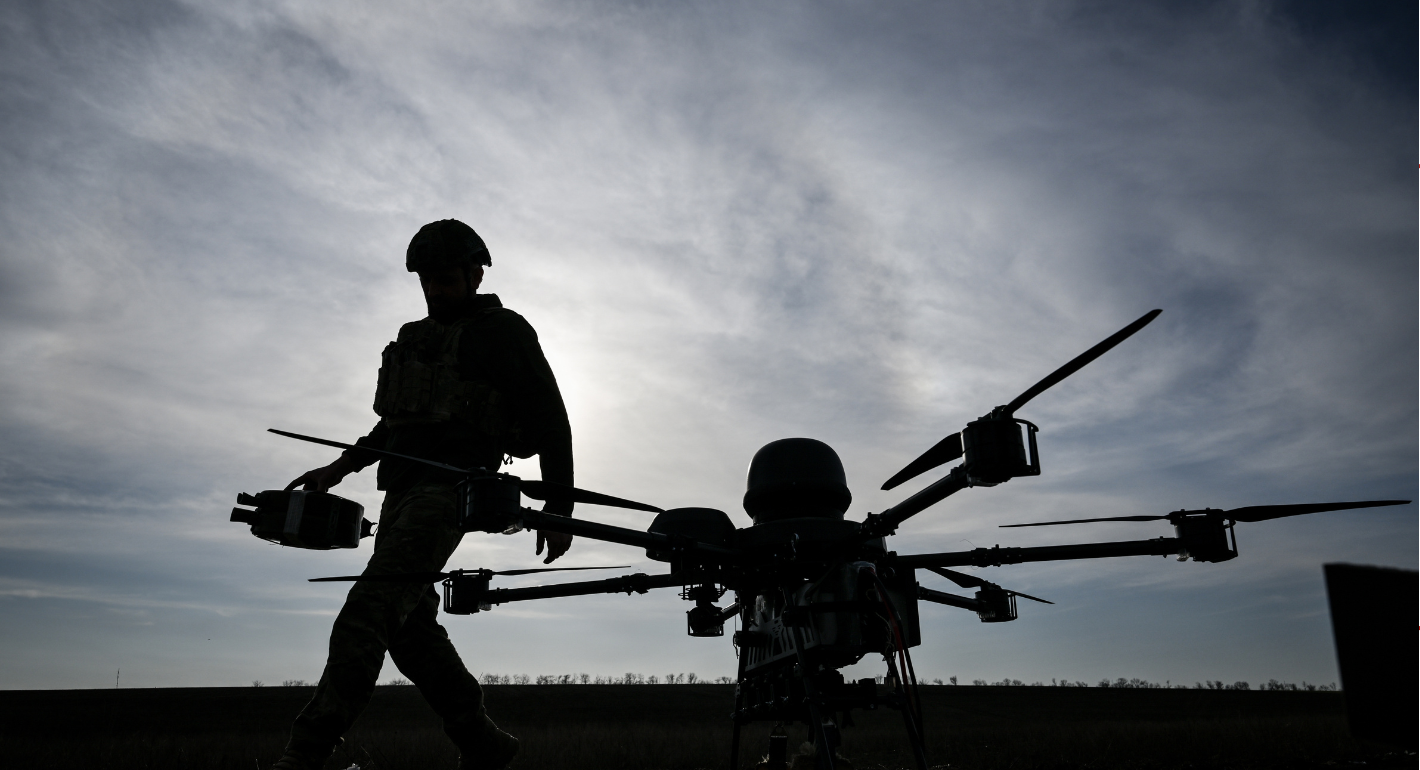
Defense tech innovations will be at the heart of Europe’s new security strategy. But so far, Brussels has been making moves without a broader plan, undermining readiness and credibility.
Raluca Csernatoni

In Ukraine, Gaza, and Iran, AI warfare has come to dominate, with barely any oversight or accountability. Europe must lead the charge on the responsible use of new military technologies.
Raluca Csernatoni
Integrating AI into the workplace will increase job insecurity, fundamentally reshaping labor markets. To anticipate and manage this transition, the EU must build public trust, provide training infrastructures, and establish social protections.

Amanda Coakley
The EU’s quest for strategic autonomy in the digital domain is challenged by national interests. Brussels can set a bold direction on tech sovereignty, but its success will require a robust framework and delicate compromises.

Raluca Csernatoni, Sinan Ülgen