

Commentary
Defense tech innovations will be at the heart of Europe’s new security strategy. But so far, Brussels has been making moves without a broader plan, undermining readiness and credibility.
Raluca Csernatoni

Autonomous AI agents are arriving at a moment of acute vulnerability for liberal democratic orders. Amid deep uncertainty about agents’ prospective capabilities and impacts, this essay considers how they might both accelerate and mitigate the structural pressures loosening democracy’s screws—and how to ensure the robust protection of democratic values in the age of agentic AI.
Autonomous AI agents are arriving at a moment of acute vulnerability for liberal democratic orders. Amid deep uncertainty about agents’ prospective capabilities and impacts, this essay considers how they might both accelerate and mitigate the structural pressures loosening democracy’s screws—and how to ensure the robust protection of democratic values in the age of agentic AI.
AI agents fuse perception, memory, planning, and tool use. After some early stumbles, they may soon be able to perform almost any digital task humans can tackle, potentially at lightning speed and vast scale. We argue that this prospect would magnify every existing democratic fault line: accelerating white-collar displacement and feeding populist anger; ceding unprecedented leverage over the state to a handful of firms; giving would-be autocrats precision surveillance and other resources for “autocratic legalism”; and flooding the public sphere until real people flee a wasteland of mistrust.
Highly capable agents would also mint fresh hazards. Agentic AI companions can cultivate intimacy then weaponize it, scaling social manipulation. Coordinated swarms may prosecute cyber attacks that cripple democratic infrastructure. A perfectly obedient, AI-run bureaucracy would let leaders wear the state like an exoskeleton, sidestepping human checks and balances.
Agents could also advance democratic values. If democratic states adequately support open and decentralized access to frontier models, agents could serve as cognitive prosthetics guiding people through complexity, as shields detecting manipulation, and as advocates mobilizing collective power against corporate or governmental overreach. They can be part of the cure as well as the cause. But core democratic functions—agenda-setting, will-formation, definitive choice—cannot be outsourced without undermining what makes them worthwhile. Ultimately, even the best agent ecosystem will fail without urgent work to shore up the institutions and civic habits constitutive of democratic resilience.
The full paper is published on the Knight foundation website and can be found here.

Nonresident Scholar, Technology and International Affairs Program
Seth Lazar is a nonresident scholar in the Carnegie Technology and International Affairs Program.
President, Carnegie Endowment for International Peace
Mariano-Florentino (Tino) Cuéllar is the tenth president of the Carnegie Endowment for International Peace. A former justice of the Supreme Court of California, he has served three U.S. presidential administrations at the White House and in federal agencies, and was the Stanley Morrison Professor at Stanford University, where he held appointments in law, political science, and international affairs and led the university’s Freeman Spogli Institute for International Studies.
Carnegie does not take institutional positions on public policy issues; the views represented herein are those of the author(s) and do not necessarily reflect the views of Carnegie, its staff, or its trustees.
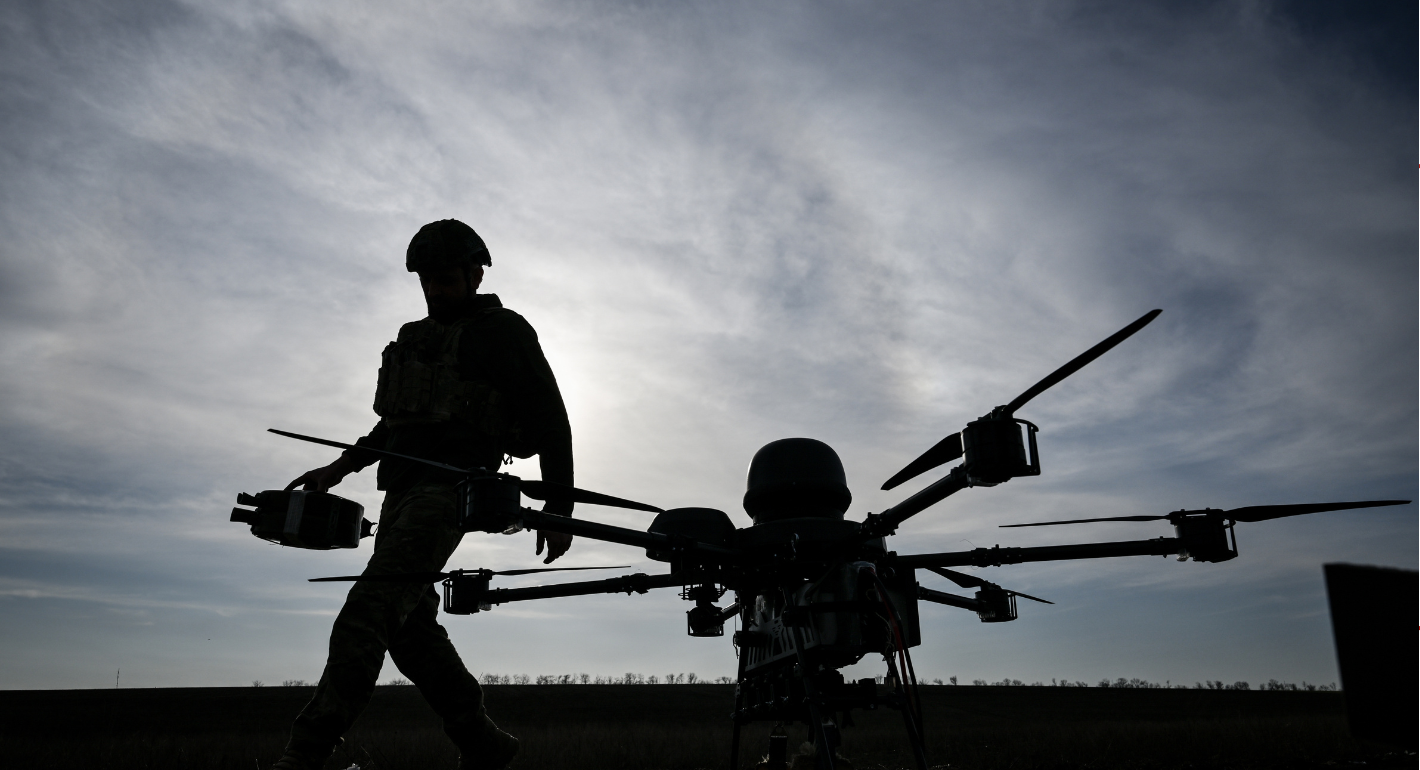
Defense tech innovations will be at the heart of Europe’s new security strategy. But so far, Brussels has been making moves without a broader plan, undermining readiness and credibility.

Raluca Csernatoni
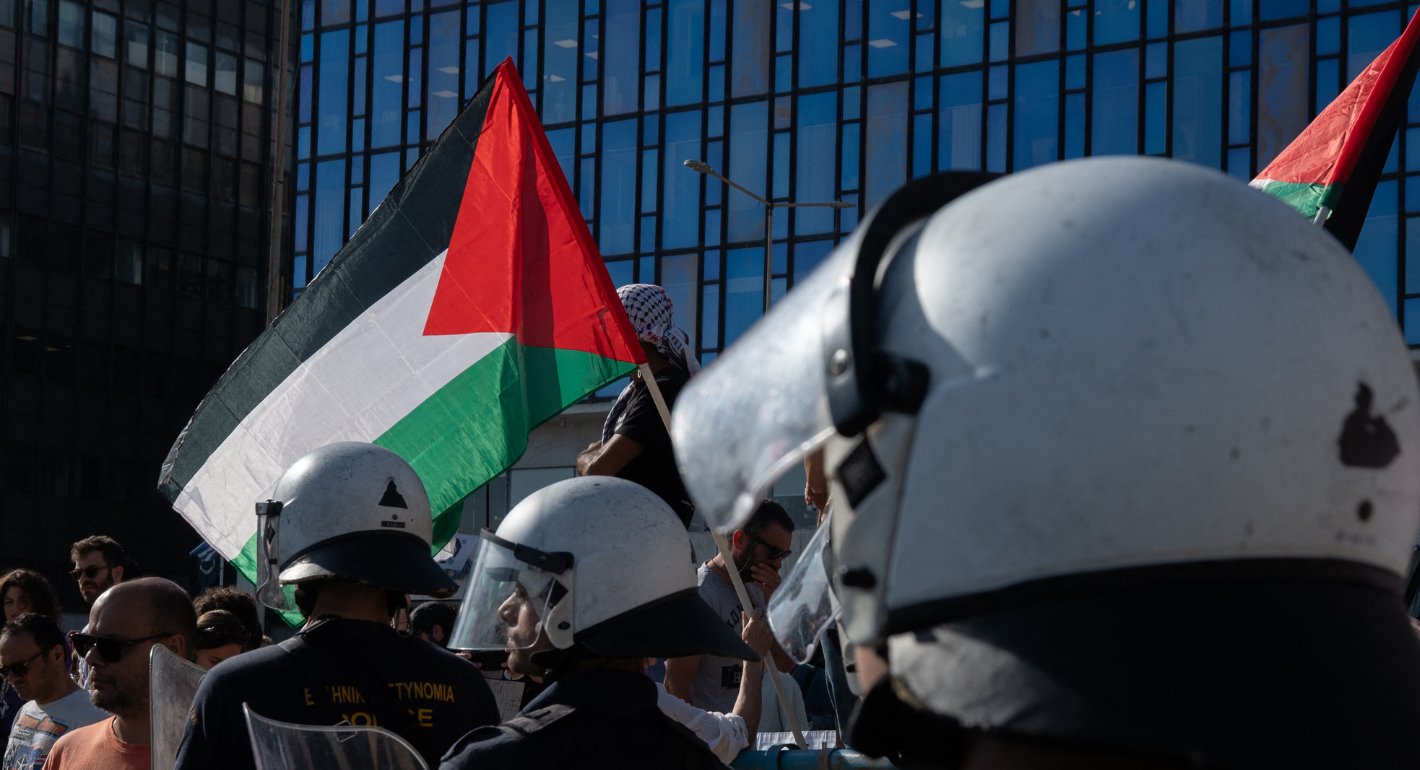
The battle over free speech has taken center stage since U.S. Vice President JD Vance accused Europe of censorship. From travel bans to social media regulation, especially around the Israel-Palestine conflict, are liberal democratic governments weaponizing free speech?

Rym Momtaz, ed.
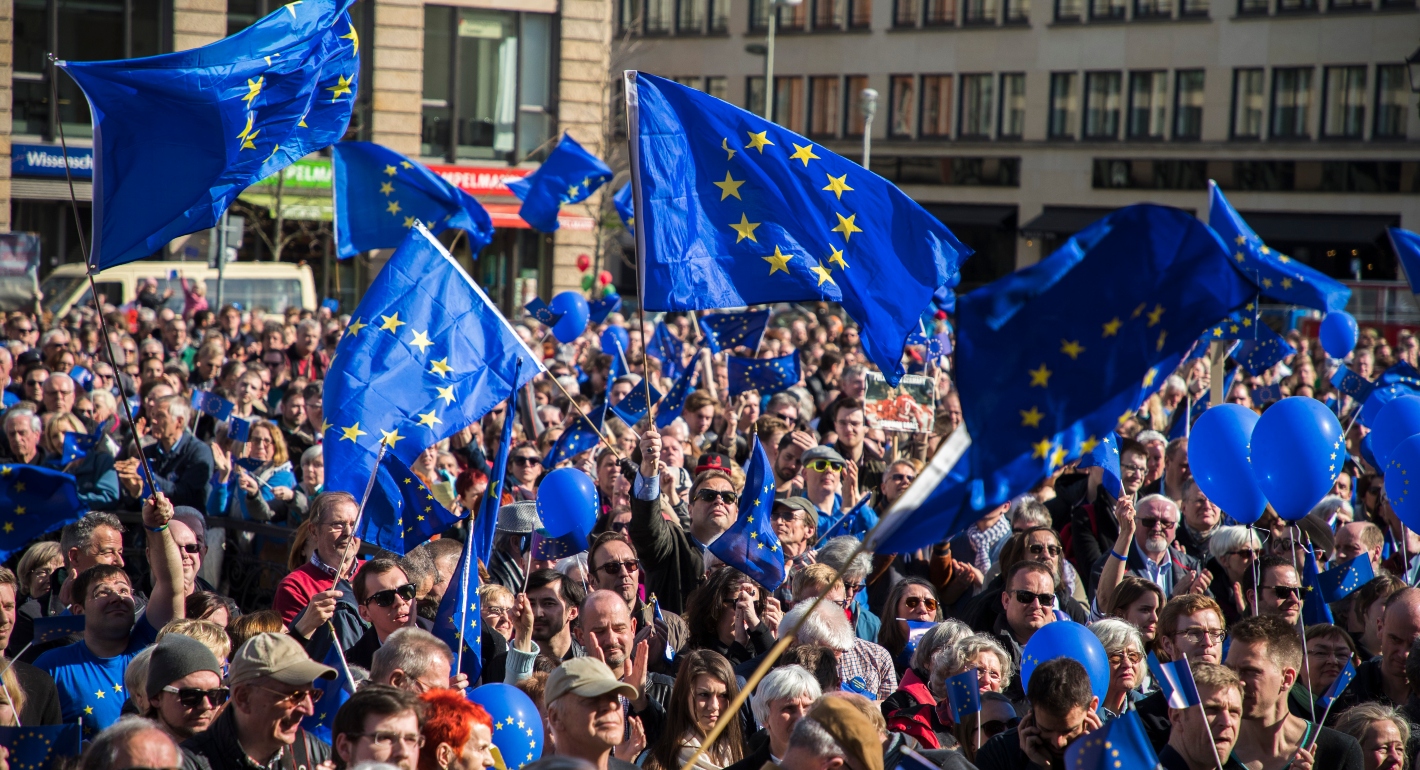
Preparing candidate countries for EU membership is no longer enough. As the enlargement process becomes a reality, the union must also prepare its own societies.

Iliriana Gjoni
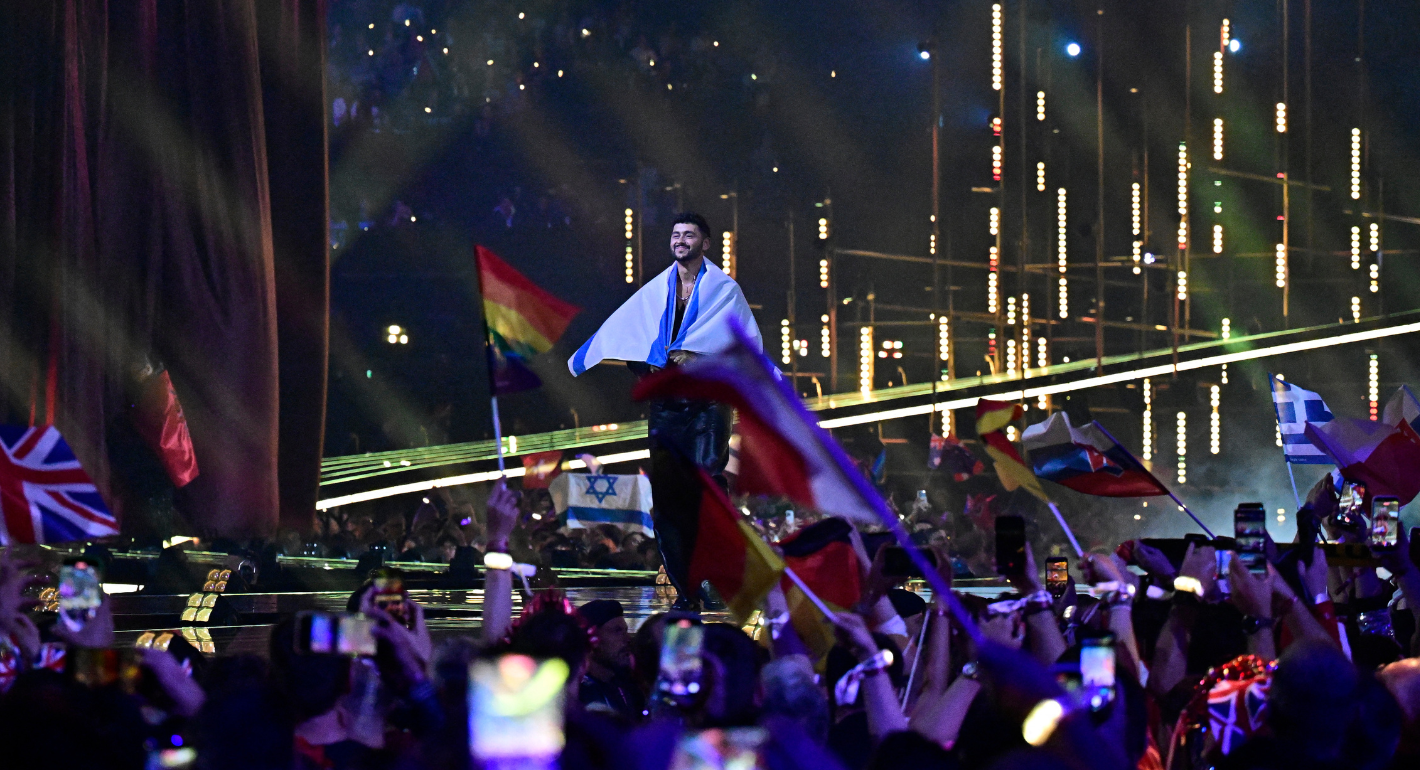
Five countries staged the biggest political boycott in Eurovision history over Israel’s participation. With the FIFA World Cup and other sporting or cultural touchstones on the horizon, are boycotts effective?
Rym Momtaz, ed.
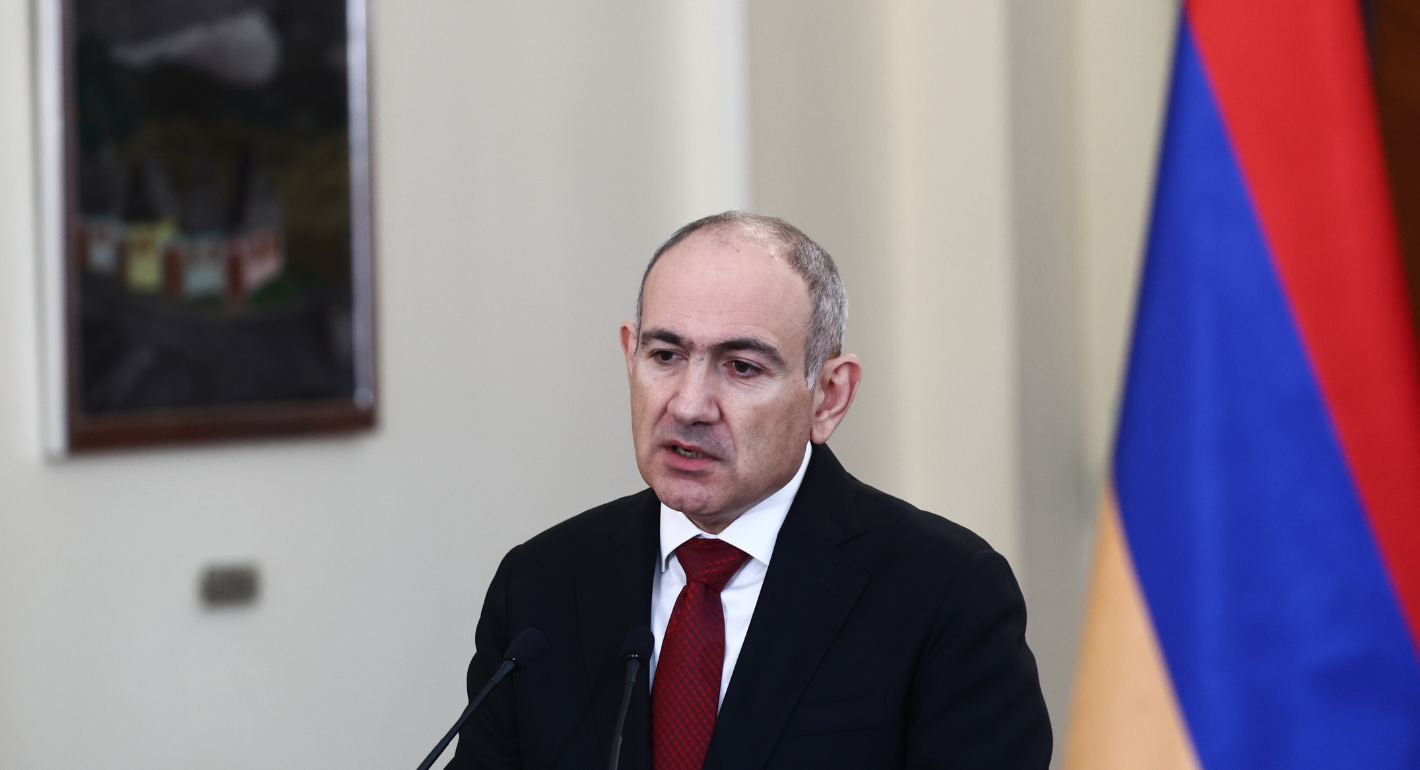
Europe has an interest in supporting Armenian leader Nikol Pashinyan as he tries to make peace with neighbors and loosen ties with Russia. But it is depersonalized support in the long term, not quickfire flash, that will win the day.

Thomas de Waal