

Commentary
In Ukraine, Gaza, and Iran, AI warfare has come to dominate, with barely any oversight or accountability. Europe must lead the charge on the responsible use of new military technologies.
Raluca Csernatoni

Against the backdrop of increasing global tensions, transformative technologies—notably artificial intelligence—are poised to revolutionize how the military wages war and how leaders think about, prepare for, and decide to go to war.
Carnegie does not take institutional positions on public policy issues; the views represented herein are those of the author(s) and do not necessarily reflect the views of Carnegie, its staff, or its trustees.
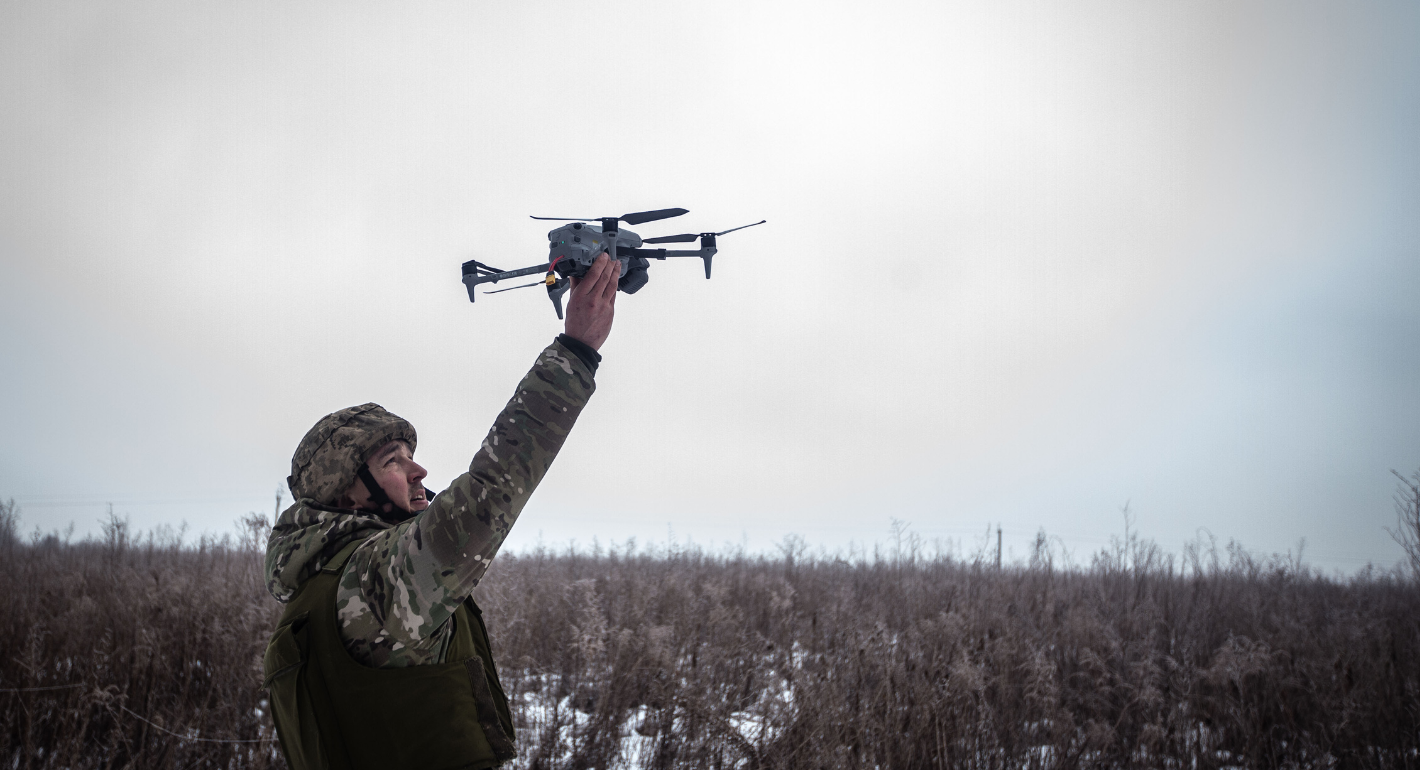
In Ukraine, Gaza, and Iran, AI warfare has come to dominate, with barely any oversight or accountability. Europe must lead the charge on the responsible use of new military technologies.

Raluca Csernatoni
Integrating AI into the workplace will increase job insecurity, fundamentally reshaping labor markets. To anticipate and manage this transition, the EU must build public trust, provide training infrastructures, and establish social protections.

Amanda Coakley
The EU’s quest for strategic autonomy in the digital domain is challenged by national interests. Brussels can set a bold direction on tech sovereignty, but its success will require a robust framework and delicate compromises.

Raluca Csernatoni, Sinan Ülgen

The EU’s recent deregulatory shift risks eroding democratic oversight and the union’s norm-setting credibility. To secure Europe’s technological sovereignty, the bloc must increase investments, develop its own digital infrastructure, and regulate dual-use AI applications.
Raluca Csernatoni

Large language models are transforming how humans acquire and interpret information, raising pressing ethical concerns. To mitigate the related risks, policymakers should promote digital AI literacy and develop tools to understand the inherent biases of generative AI tools.
Sinan Ülgen