• Research
  • About
  • Experts
Carnegie India logoCarnegie lettermark logo
AI
Podcast Episode
Carnegie India

Military AI and Autonomous Weapons: Gender, Ethics, and Governance

In this episode of Interpreting India, host Charukeshi Bhatt is joined by Shimona Mohan, associate researcher at the United Nations Institute for Disarmament Research (UNIDIR). Together, they unpack the rapidly evolving landscape of artificial intelligence in the military domain, with a special focus on lethal autonomous weapons systems (LAWS).

Link Copied
By Charukeshi Bhatt and Shimona Mohan
Published on Aug 28, 2025

Subscribe on

SpotifyApple PodcastsAmazon MusicYoutube
Project hero Image

Project

Technology and Society

This program focuses on five sets of imperatives: data, strategic technologies, emerging technologies, digital public infrastructure, and strategic partnerships.

Learn More
Project hero Image

Project

Security Studies

India’s evolving role in regional and global security is shaped by complex dynamics. Experts in the Security Studies Program examine India’s position in this world order through informed analyses of its foreign and security policies, focusing on the relationship with China, the securitization of borders, and the geopolitics of the Indo-Pacific. 

Learn More

Episode Summary

In this episode of Interpreting India, host Charukeshi Bhatt is joined by Shimona Mohan, associate researcher at the United Nations Institute for Disarmament Research (UNIDIR). Together, they unpack the rapidly evolving landscape of artificial intelligence in the military domain, with a special focus on lethal autonomous weapons systems (LAWS).

The discussion traces how AI’s dual-use nature complicates governance, highlights the risks of bias and miscalculation, and explores why progress in international negotiations has been slow despite nearly a decade of debate.

Episode Notes

The episode opens with Bhatt framing the global stakes: from drones on the battlefield to AI-powered early warning systems, militaries worldwide are racing to integrate AI, often citing strategic necessity in volatile security environments. Mohan underscores that AI in conflict cannot be characterized in a single way, applications range from decision-support systems and logistics to disinformation campaigns and border security.

The conversation explores two categories of AI-related risks:

  • Inherent risks: design flaws, bias in datasets, adversarial attacks, and human–machine trust calibration.
  • Applied risks: escalation through miscalculation, misuse in targeting, and AI’s role as a force multiplier for nuclear and cyber threats.

On governance, Mohan explains the fragmentation of current disarmament processes, where AI intersects with multiple regimes, nuclear, cyber, conventional arms, yet lacks a unified framework. She highlights ongoing debates at the UN’s Group of Governmental Experts (GGE) on LAWS, where consensus has been stalled over definitions, human-machine interaction, and whether regulation should be voluntary or treaty-based.

International humanitarian law (IHL) remains central, with discussions focusing on how principles like distinction, proportionality, and precaution can apply to autonomous systems. Mohan also emphasizes a “life-cycle approach” to weapon assessment, extending legal and ethical oversight from design to deployment and decommissioning.

A significant portion of the conversation turns to gender and bias, an area Mohan has advanced through her research at UNIDIR. She draws attention to how gendered and racial biases encoded in AI systems can manifest in conflict, stressing the importance of diversifying participation in both technology design and disarmament diplomacy.

Looking forward, Mohan cites UN Secretary-General António Guterres’s call for a legally binding instrument on autonomous weapons by 2026. She argues that progress will depend on multi-stakeholder engagement, national strategies on AI, and confidence-building measures between states. The episode closes with a reflection on the future of warfare as inseparable from governance innovation—shifting from arms reduction to resilience, capacity-building, and responsible innovation.

Episode Contributors

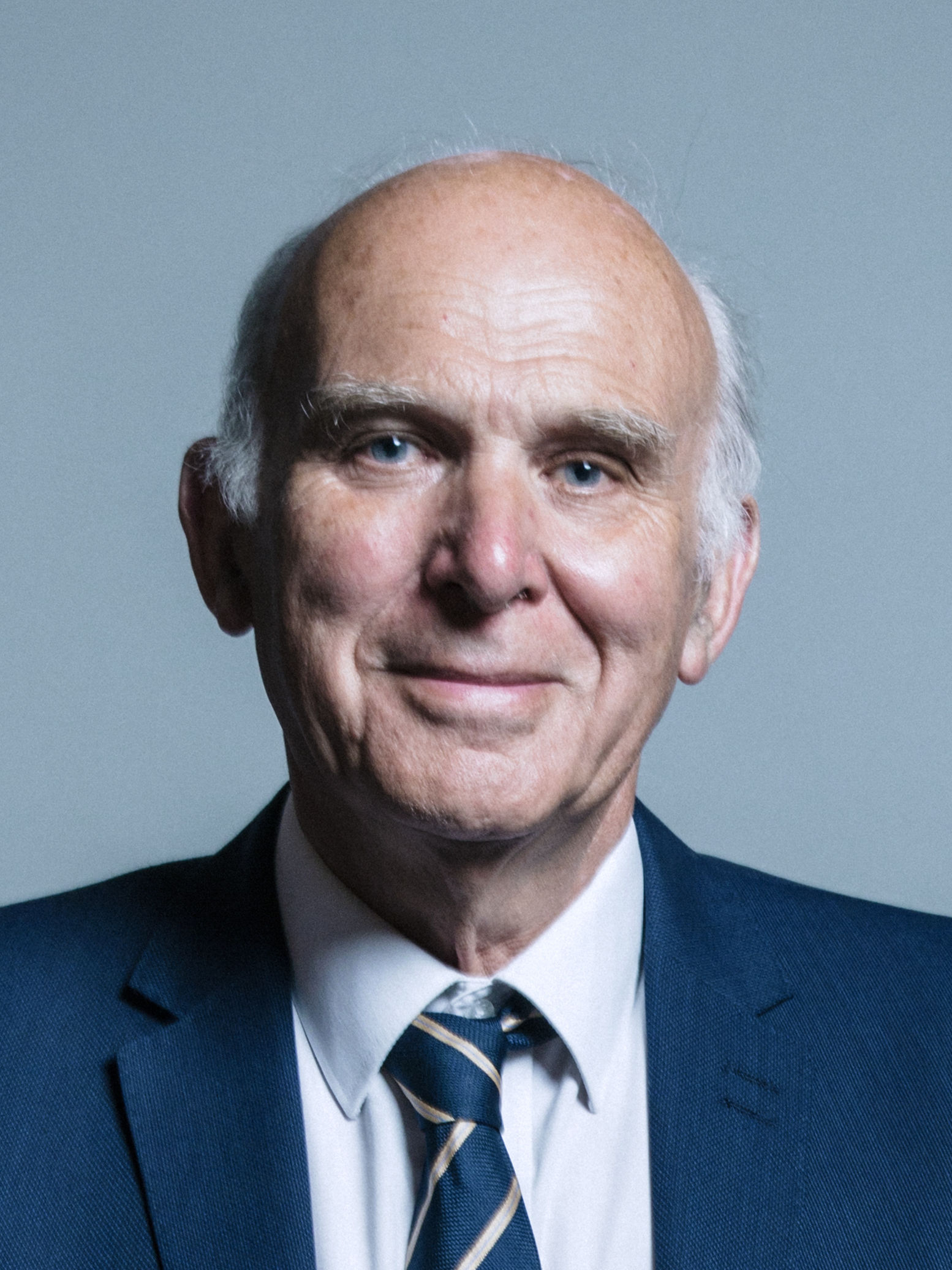
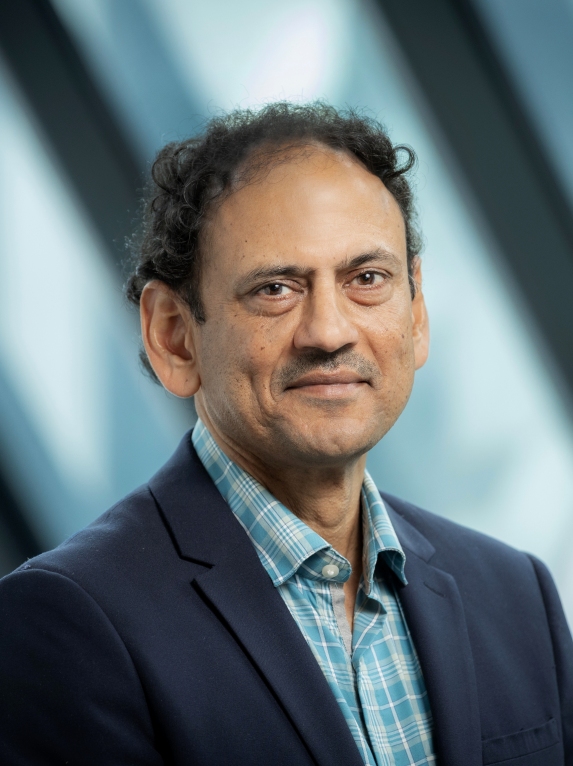
Shimona Mohan is an associate researcher on Gender & Disarmament and Security & Technology at UNIDIR in Geneva, Switzerland. She was named among Women in AI Ethics’ “100 Brilliant Women in AI Ethics for 2024.” Her areas of focus include the multifarious intersections of security, emerging technologies (in particular AI and cybersecurity), gender, and disarmament. 

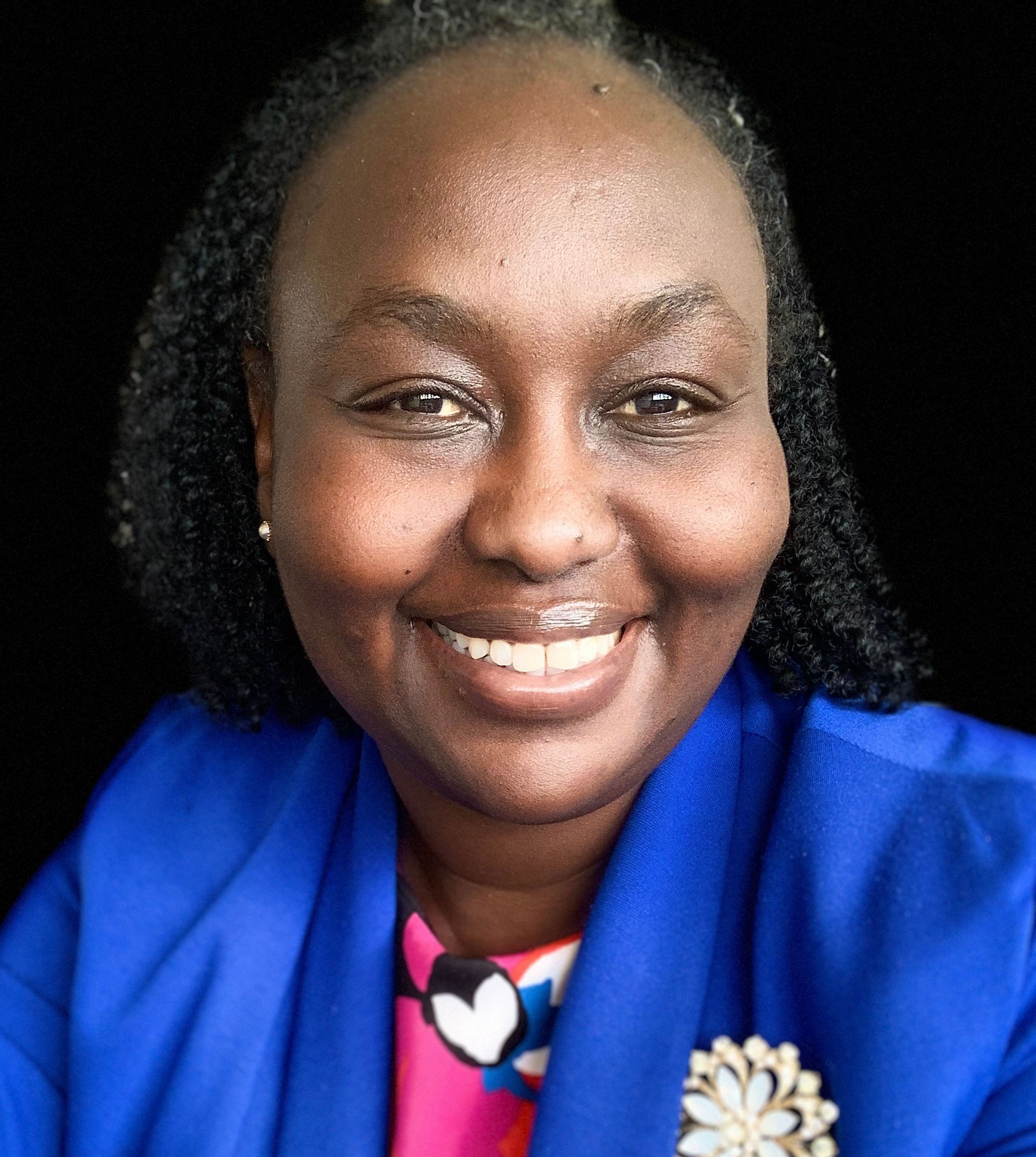
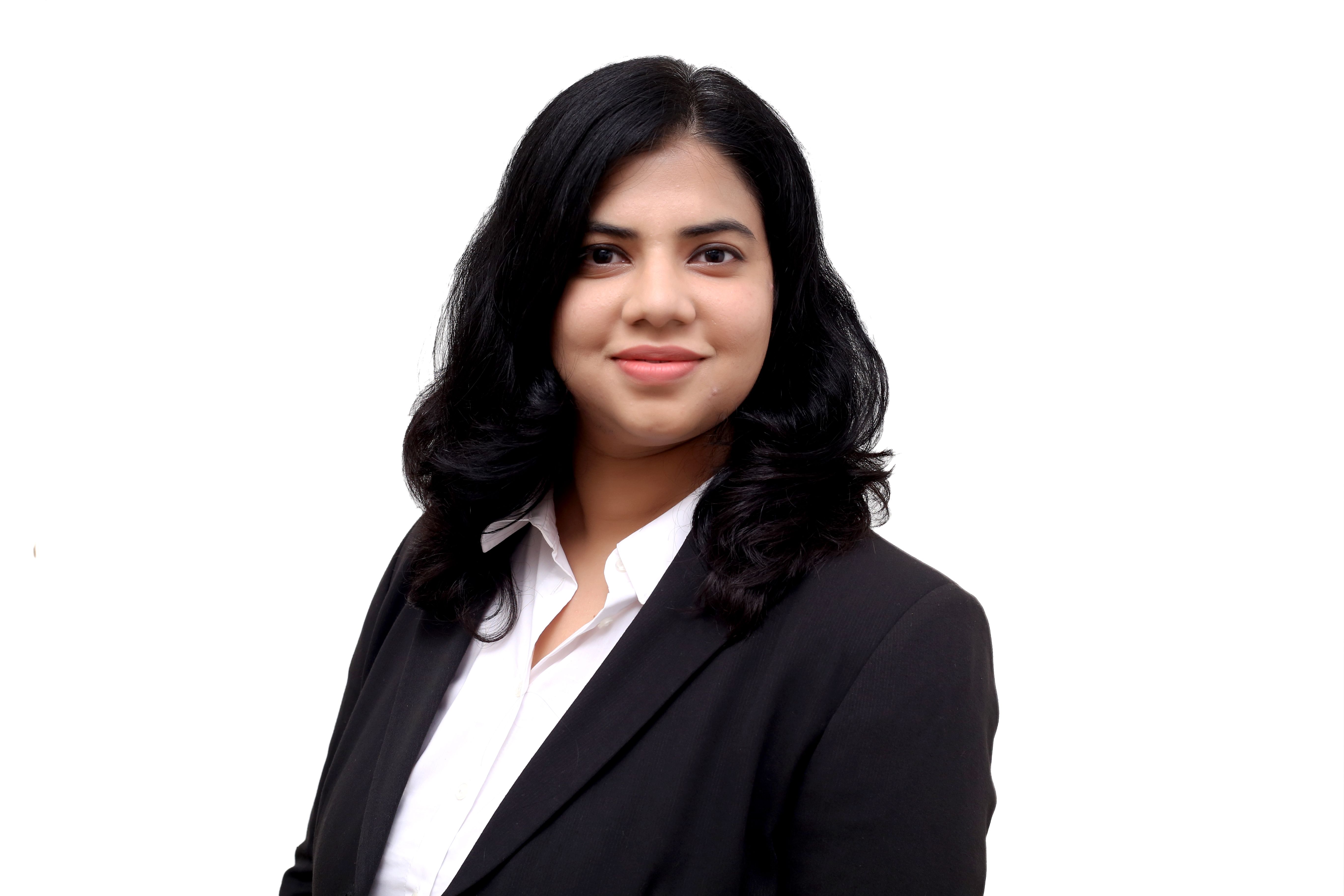
Charukeshi Bhatt is a research analyst at Carnegie India, where her work focuses on the intersection of emerging technologies and international security. Her current research explores how advancements in technologies such as AI are shaping global disarmament frameworks and security norms.

Readings

Gender and Lethal Autonomous Weapons Systems, UNIDIR Factsheet 

Political Declaration on Responsible Military Use of AI and Autonomy, US Department of State

AI in the Military Domain: A Briefing Note for States by Giacomo Persi Paoli and Yasmin Afina

Understanding the Global Debate on Lethal Autonomous Weapons Systems: An Indian Perspective by Charukeshi Bhatt and Tejas Bharadwaj

Hosted by

Charukeshi Bhatt
Research Analyst, Technology and Society Program
Charukeshi Bhatt

Featuring

Shimona Mohan

Associate Researcher on Gender & Disarmament and Security & Technology at UNIDIR 

Carnegie India does not take institutional positions on public policy issues; the views represented herein are those of the author(s) and do not necessarily reflect the views of Carnegie, its staff, or its trustees.

More Work from Interpreting India

  • Podcast Episode
    An African Perspective for Building AI for Global South | AI Summit Special

    In this episode of Interpreting India, Nidhi Singh is joined by Raymond Ononiwu, founder and CEO of Horus Labs, for a conversation that cuts through the noise around compute, data centres, and AI infrastructure to ask a more fundamental question: who is this all actually being built for?

      Nidhi Singh, Raymond Ononiwu

  • Podcast Episode
    The India-EU Trade Deal: What It Delivers and What It Doesn't

    In this episode of Interpreting India, Vrinda Sahai is joined by Nicolas Köhler-Suzuki, Advisor for Trade and Economic Security at the Jacques Delors Institute, for a detailed conversation on the India-EU Free Trade Agreement. After decades of slow-moving negotiations, both sides have arrived at what is shaping up to be the most ambitious trade deal India has ever signed. Nicolas unpacks what is in the agreement, what is missing, and what its success will depend on in the years ahead.

      Vrinda Sahai, Nicolas Köhler-Suzuki

  • Podcast Episode
    From Bletchley Park to Delhi and What Comes Next | AI Summit Special

    In this episode of Interpreting India, Nidhi Singh is joined by Mariano-Florentino (Tino) Cuéllar, President of the Carnegie Endowment for International Peace and one of the very few people to have attended all four global AI summits, from Bletchley Park to Delhi. The conversation traces the arc of AI summit diplomacy, what has been accomplished, where the gaps remain, and what the process reveals about how different parts of the world are thinking about a technology that is moving faster than any single government or institution can keep up with.

      Nidhi Singh, Mariano-Florentino (Tino) Cuéllar

  • Podcast Episode
    Data, AI, and the Laws Trying to Keep Up

    In this episode of Interpreting India, Nidhi Singh is joined by Nikhil Narendran, Partner at Trilegal, for a conversation on two of the most pressing issues shaping India's digital future: data protection and AI governance. From the nuts and bolts of India's Digital Personal Data Protection Act to deeper questions about regulating artificial intelligence, Nikhil brings the perspective of a technology lawyer who is not just advising on these issues but actively living them.

      Nidhi Singh, Nikhil Narendran

  • Podcast Episode
    Inside the Iran Conflict: Power, Strategy, and India’s Balancing Act

    In this episode of Interpreting India, Srinath Raghavan speaks with Gaddam Dharmendra, Nonresident Senior Fellow, Carnegie India and India’s former Ambassador to Iran about the ongoing U.S.-Israel conflict with Iran and what it means for the region. The conversation looks at Iran’s response to sustained attacks, the wider impact on energy markets and regional stability, and the changing relationships between Iran, the Gulf countries, and global powers. It also reflects on India’s position as it balances its ties across West Asia while navigating strategic and economic pressures, and what lies ahead as the conflict continues to shape the region.

      Srinath Raghavan, Gaddam Dharmendra

Get more news and analysis from
Carnegie India
Carnegie India logo, white
Unit C-4, 5, 6, EdenparkShaheed Jeet Singh MargNew Delhi – 110016, IndiaPhone: 011-40078687
  • Research
  • About
  • Experts
  • Projects
  • Events
  • Contact
  • Careers
  • Privacy
  • For Media
Get more news and analysis from
Carnegie India
© 2026 Carnegie Endowment for International Peace. All rights reserved.