• Research
  • About
  • Experts
Carnegie India logoCarnegie lettermark logo
AI
Podcast Episode
Carnegie India

Navigating the Open v. Closed Source AI Debate with Kailash Nadh

In this episode of Interpreting India, host Shruti Mittal is joined by Kailash Nadh, chief technology officer of Zerodha and co-founder of FOSS United, to provide a technologist’s perspective on one of the most consequential debates shaping the future of artificial intelligence: the open versus closed source AI debate. Against the backdrop of a rapidly evolving AI landscape, this conversation examines risks, rewards, and the strategic implications of open-source AI for India.

Link Copied
By Shruti Mittal and Kailash Nadh
Published on Jun 26, 2025

Subscribe on

SpotifyApple PodcastsAmazon MusicYoutube
Project hero Image

Project

Technology and Society

This program focuses on five sets of imperatives: data, strategic technologies, emerging technologies, digital public infrastructure, and strategic partnerships.

Learn More

Episode Summary

In this episode of Interpreting India, host Shruti Mittal is joined by Kailash Nadh, chief technology officer of Zerodha and co-founder of FOSS United, to provide a technologist’s perspective on one of the most consequential debates shaping the future of artificial intelligence: the open versus closed source AI debate. Against the backdrop of a rapidly evolving AI landscape, this conversation examines risks, rewards, and the strategic implications of open-source AI for India.

Episode Notes

The episode opens with an in-depth discussion about the value of open source as a model of development and how the definitional contours of open-source AI differ from those of traditional open-source software. The discussion also explores the characteristics and challenges that distinguish open-source AI models from conventional software development approaches.

The discussion goes on to address recent strategic shifts in the AI industry towards more open development, sparked by developments like DeepSeek's open-source R1 model and leaked internal assessments suggesting that open-source communities may be outpacing tech giants.

The discussion also explores the complex trade-offs between open and closed AI development. While open-source models offer transparency, democratization, and innovation benefits, they also present cybersecurity vulnerabilities and potential national security risks. Nadh addresses concerns about jailbreaking vulnerabilities in open models, using DeepSeek's recent security lapses as an example, while also examining the limitations and risks of closed proprietary systems.

Nadh also provides his perspective on India-specific considerations, including the government's IndiaAI Mission and the decision to develop a homegrown large language model, and discuss the strategic implications of India's approach, which is not expected to be open-source at first, and the potential for India to make meaningful progress in driving open-source AI development as a matter of policy. 

Hosted by

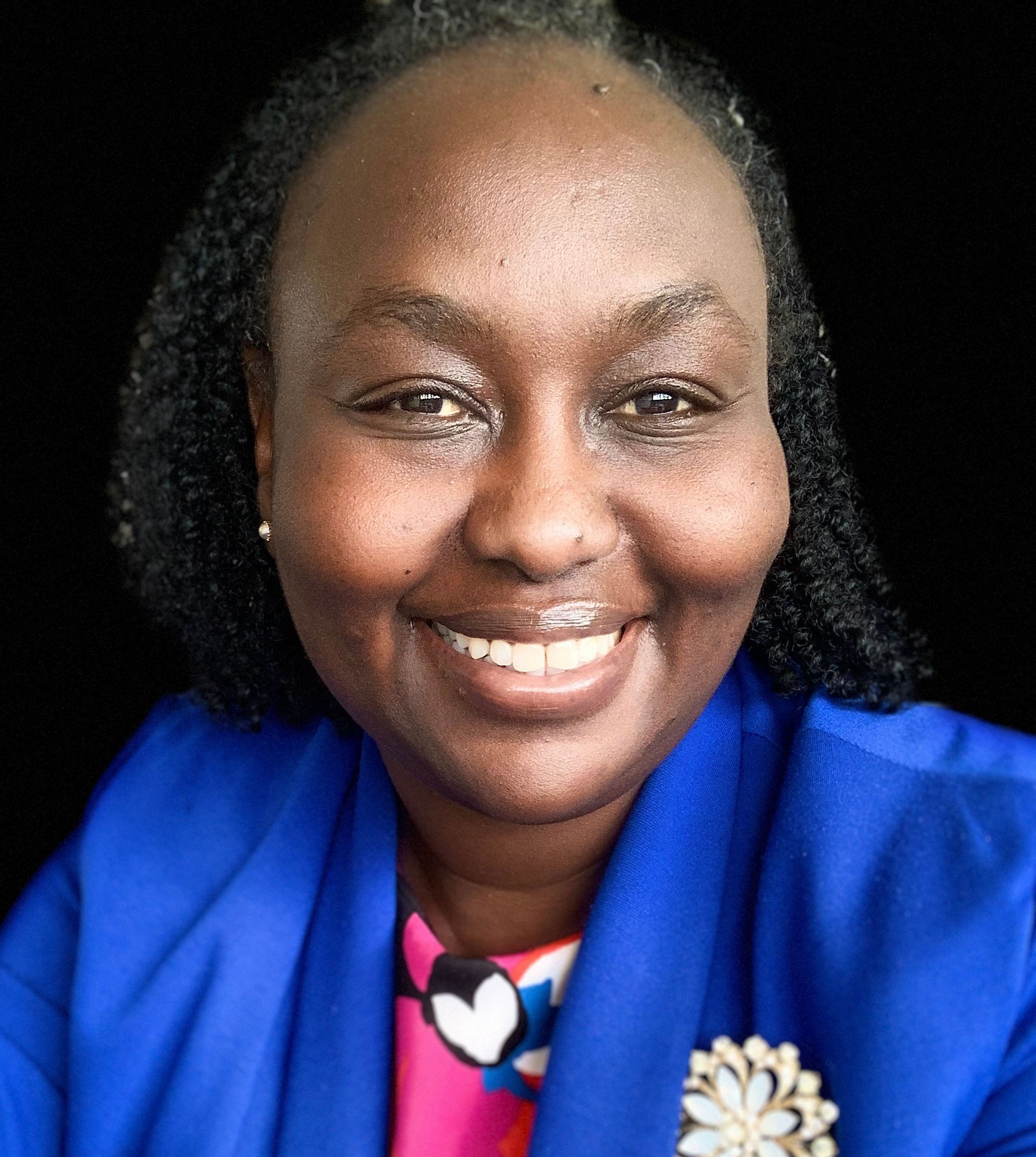
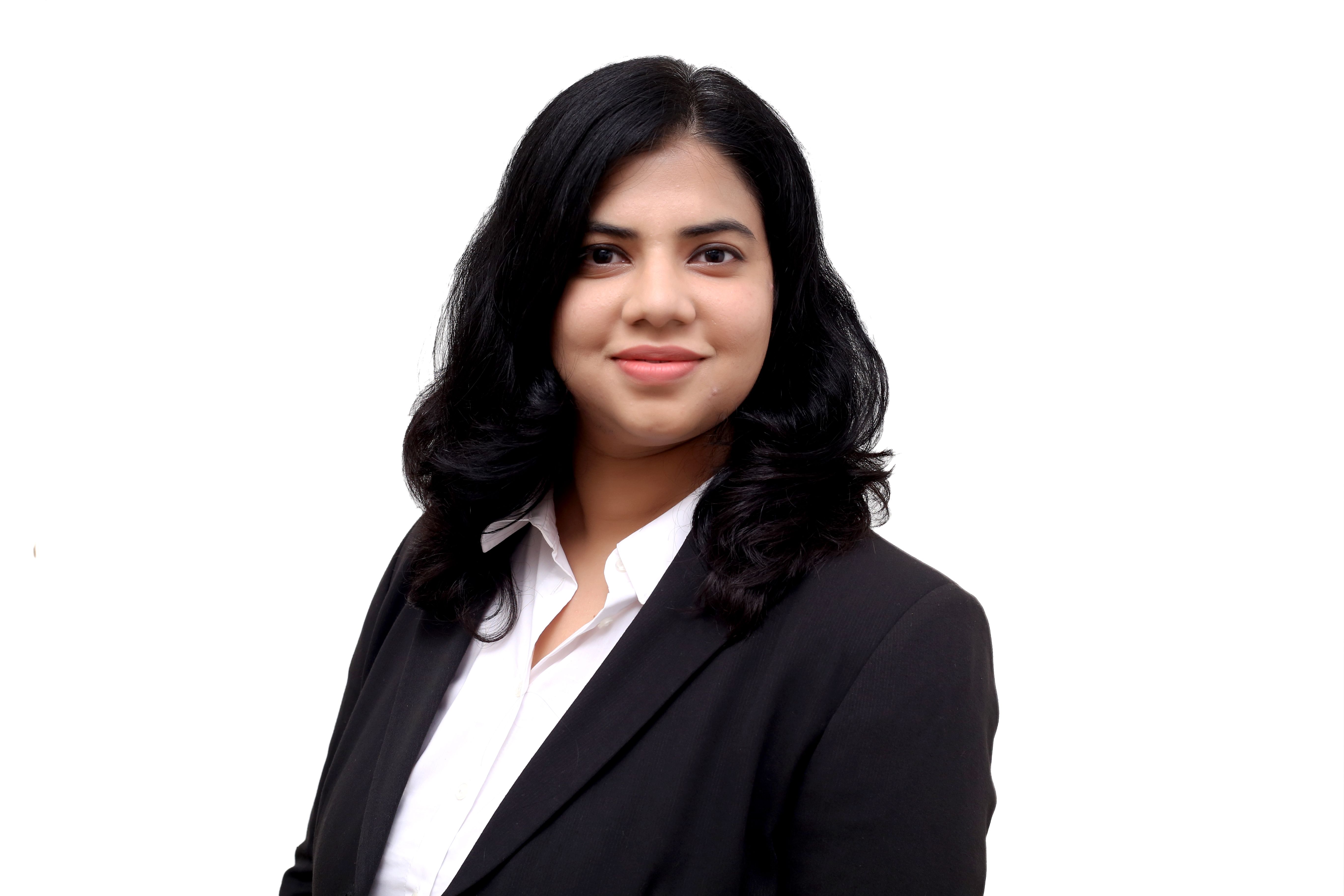
Shruti Mittal
Research Analyst, Technology and Society Program
Shruti Mittal

Featuring

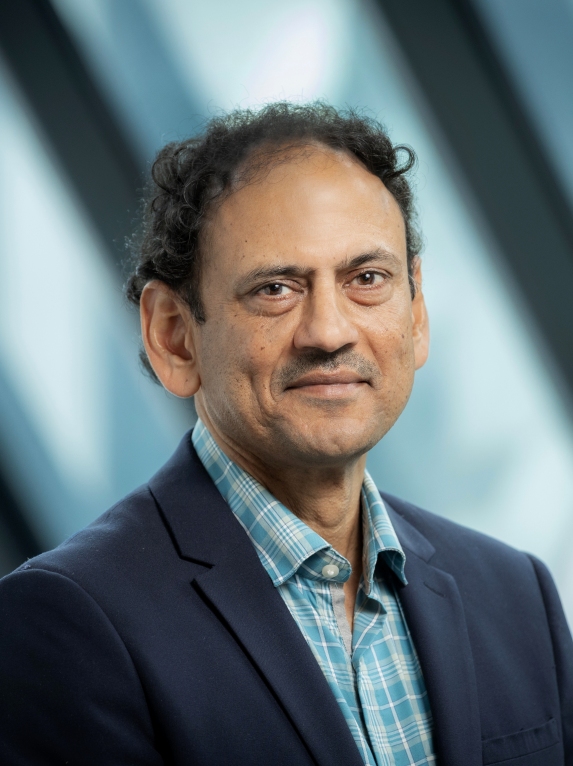
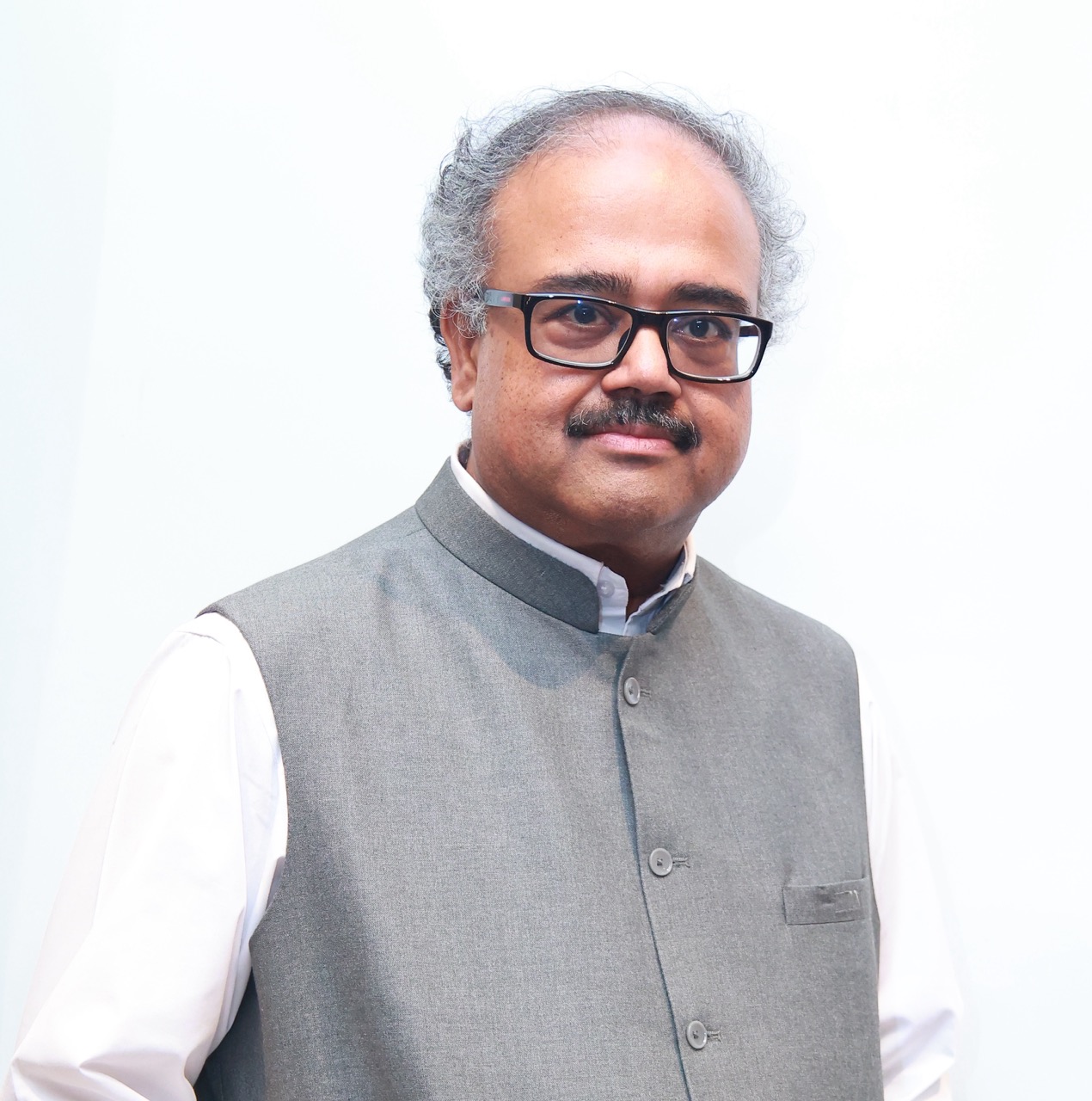
Kailash Nadh
Chief Technology Officer, Zerodha

Carnegie India does not take institutional positions on public policy issues; the views represented herein are those of the author(s) and do not necessarily reflect the views of Carnegie, its staff, or its trustees.

More Work from Interpreting India

  • Podcast Episode
    An African Perspective for Building AI for Global South | AI Summit Special

    In this episode of Interpreting India, Nidhi Singh is joined by Raymond Ononiwu, founder and CEO of Horus Labs, for a conversation that cuts through the noise around compute, data centres, and AI infrastructure to ask a more fundamental question: who is this all actually being built for?

      Nidhi Singh, Raymond Ononiwu

  • Podcast Episode
    The India-EU Trade Deal: What It Delivers and What It Doesn't

    In this episode of Interpreting India, Vrinda Sahai is joined by Nicolas Köhler-Suzuki, Advisor for Trade and Economic Security at the Jacques Delors Institute, for a detailed conversation on the India-EU Free Trade Agreement. After decades of slow-moving negotiations, both sides have arrived at what is shaping up to be the most ambitious trade deal India has ever signed. Nicolas unpacks what is in the agreement, what is missing, and what its success will depend on in the years ahead.

      Vrinda Sahai, Nicolas Köhler-Suzuki

  • Podcast Episode
    From Bletchley Park to Delhi and What Comes Next | AI Summit Special

    In this episode of Interpreting India, Nidhi Singh is joined by Mariano-Florentino (Tino) Cuéllar, President of the Carnegie Endowment for International Peace and one of the very few people to have attended all four global AI summits, from Bletchley Park to Delhi. The conversation traces the arc of AI summit diplomacy, what has been accomplished, where the gaps remain, and what the process reveals about how different parts of the world are thinking about a technology that is moving faster than any single government or institution can keep up with.

      Nidhi Singh, Mariano-Florentino (Tino) Cuéllar

  • Podcast Episode
    Data, AI, and the Laws Trying to Keep Up

    In this episode of Interpreting India, Nidhi Singh is joined by Nikhil Narendran, Partner at Trilegal, for a conversation on two of the most pressing issues shaping India's digital future: data protection and AI governance. From the nuts and bolts of India's Digital Personal Data Protection Act to deeper questions about regulating artificial intelligence, Nikhil brings the perspective of a technology lawyer who is not just advising on these issues but actively living them.

      Nidhi Singh, Nikhil Narendran

  • Podcast Episode
    Inside the Iran Conflict: Power, Strategy, and India’s Balancing Act

    In this episode of Interpreting India, Srinath Raghavan speaks with Gaddam Dharmendra, Nonresident Senior Fellow, Carnegie India and India’s former Ambassador to Iran about the ongoing U.S.-Israel conflict with Iran and what it means for the region. The conversation looks at Iran’s response to sustained attacks, the wider impact on energy markets and regional stability, and the changing relationships between Iran, the Gulf countries, and global powers. It also reflects on India’s position as it balances its ties across West Asia while navigating strategic and economic pressures, and what lies ahead as the conflict continues to shape the region.

      Srinath Raghavan, Gaddam Dharmendra

Get more news and analysis from
Carnegie India
Carnegie India logo, white
Unit C-4, 5, 6, EdenparkShaheed Jeet Singh MargNew Delhi – 110016, IndiaPhone: 011-40078687
  • Research
  • About
  • Experts
  • Projects
  • Events
  • Contact
  • Careers
  • Privacy
  • For Media
Get more news and analysis from
Carnegie India
© 2026 Carnegie Endowment for International Peace. All rights reserved.