• Research
  • About
  • Experts
Carnegie India logoCarnegie lettermark logo
AI
Podcast Episode
Carnegie India

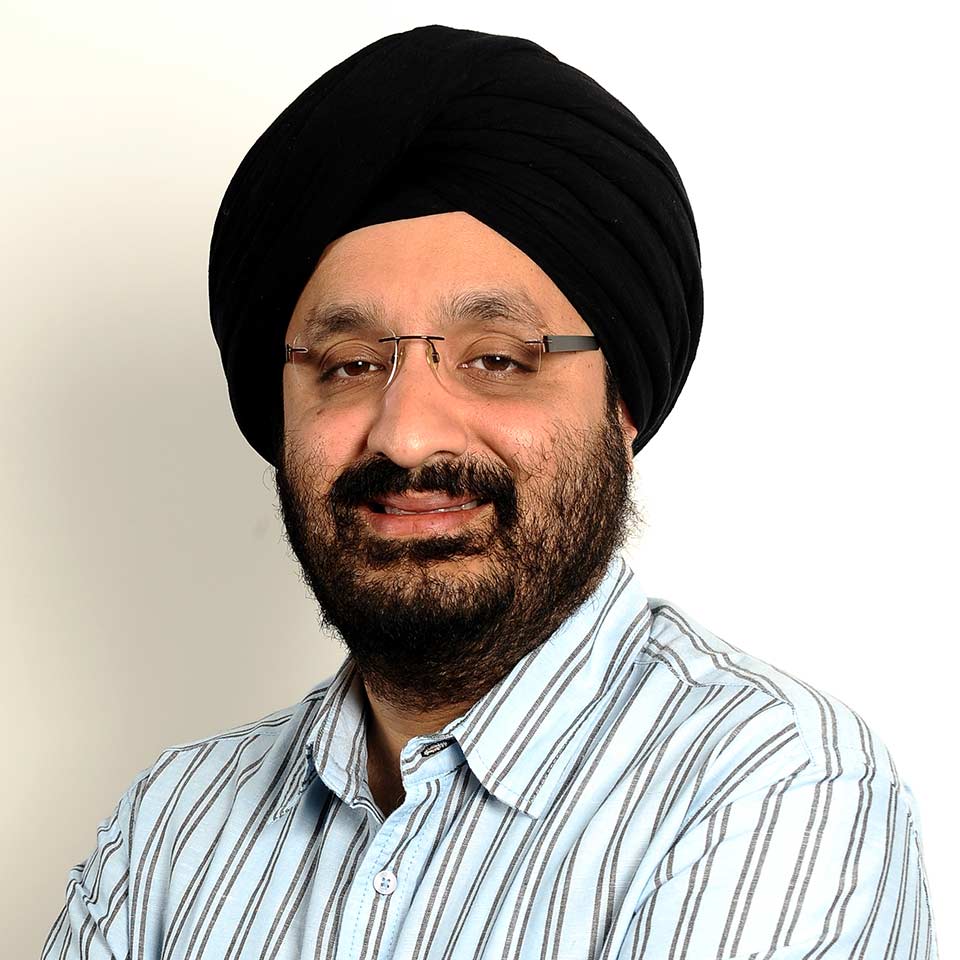
Radhicka Kapoor on Labor-Intensive Manufacturing in India

In this episode of Interpreting India, Radhicka Kapoor joins Sayoudh Roy to discuss the state of labor-intensive manufacturing in India.

Link Copied
By Sayoudh Roy and Radhicka Kapoor
Published on May 11, 2023

Subscribe on

SpotifyApple PodcastsAmazon MusicYoutube

Additional Links

Listen to the Episode

EPISODE SUMMARY

In this episode of Interpreting India, Radhicka Kapoor joins Sayoudh Roy to discuss the state of labor-intensive manufacturing in India. What is the importance of labor-intensive manufacturing for a country like India? What hurdles does labor-intensive manufacturing face? What has led to the present circumstances in labor-intensive manufacturing?
EPISODE NOTES

India’s development has not been uniform and has leapfrogged from agriculture to services, skipping over a manufacturing phase. However, the agriculture and services sectors typically do not create enough productive jobs for those at the bottom of the education and skills ladder. Thus, there is a need for labor-intensive manufacturing to absorb those with low levels of education and skills, but only around 11–12 percent of the total employment is in manufacturing, and this share has been essentially flat for two decades. There is also too much labor employed in the low-productivity unorganized sector, and there are too few jobs in the high-productivity formal sector. As recently as 2015–16, the unorganized sector continued to employ over 70 percent of total manufacturing employment. Inclusive growth would require us to find ways to enable formal manufacturing to prosper.

In this episode of Interpreting India, Radhicka Kapoor joins Sayoudh Roy to discuss the state of labor-intensive manufacturing in India.
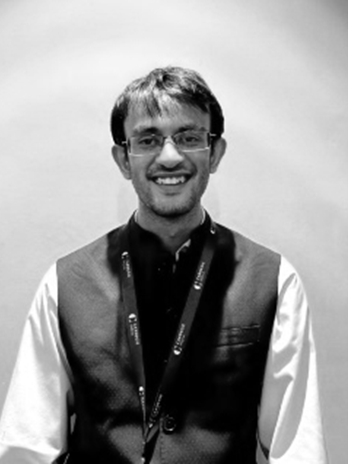
Hosted by

Sayoudh Roy
Former Senior Research Analyst, Carnegie India

Featuring

Radhicka Kapoor

Carnegie India does not take institutional positions on public policy issues; the views represented herein are those of the author(s) and do not necessarily reflect the views of Carnegie, its staff, or its trustees.

More Work from Interpreting India

  • Podcast Episode
    AI Literacy and the Future of Work in India

    In this episode of Interpreting India, Adarsh Ranjan, research analyst at Carnegie India, speaks with Jaspreet Bindra, founder of AI&Beyond and Tech Whisperer Limited, UK, and author of 'Winning with AI: Your Guide to AI Literacy.' Jaspreet brings a practitioner's perspective to questions that often get lost in the noise around AI: not just what is changing, but whether people, organizations, and policymakers are actually prepared for it.

      Adarsh Ranjan, Jaspreet Bindra

  • Podcast Episode
    Can AI Resources Be Democratized? AI Summit Special

    In this episode of Interpreting India, Nidhi Singh, speaks with Saurabh Garg, secretary at the Ministry of Statistics and Programme Implementation, Government of India, who chaired the working group on democratizing AI resources at the India AI Impact Summit.

      Nidhi Singh, Saurabh Garg

  • Podcast Episode
    Space Security in the Age of AI

    In this episode of Interpreting India, Tejas Bharadwaj is joined by Almudena Azcárate Ortega, senior program analyst at Secure World Foundation, for a wide-ranging conversation on how emerging technologies, particularly AI, are reshaping the landscape of space security. A space lawyer and policy scholar with deep experience in multilateral processes, Almudena brings both technical nuance and diplomatic realism to questions that most space conversations still treat as hypothetical.

      Tejas Bharadwaj, Almudena Azcárate Ortega

  • Podcast Episode
    An African Perspective for Building AI for Global South | AI Summit Special

    In this episode of Interpreting India, Nidhi Singh is joined by Raymond Ononiwu, founder and CEO of Horus Labs, for a conversation that cuts through the noise around compute, data centres, and AI infrastructure to ask a more fundamental question: who is this all actually being built for?

      Nidhi Singh, Raymond Ononiwu

  • Podcast Episode
    The India-EU Trade Deal: What It Delivers and What It Doesn't

    In this episode of Interpreting India, Vrinda Sahai is joined by Nicolas Köhler-Suzuki, Advisor for Trade and Economic Security at the Jacques Delors Institute, for a detailed conversation on the India-EU Free Trade Agreement. After decades of slow-moving negotiations, both sides have arrived at what is shaping up to be the most ambitious trade deal India has ever signed. Nicolas unpacks what is in the agreement, what is missing, and what its success will depend on in the years ahead.

      Vrinda Sahai, Nicolas Köhler-Suzuki

Get more news and analysis from
Carnegie India
Carnegie India logo, white
Unit C-4, 5, 6, EdenparkShaheed Jeet Singh MargNew Delhi – 110016, IndiaPhone: 011-40078687
  • Research
  • About
  • Experts
  • Projects
  • Events
  • Contact
  • Careers
  • Privacy
  • For Media
Get more news and analysis from
Carnegie India
© 2026 Carnegie Endowment for International Peace. All rights reserved.