

Report
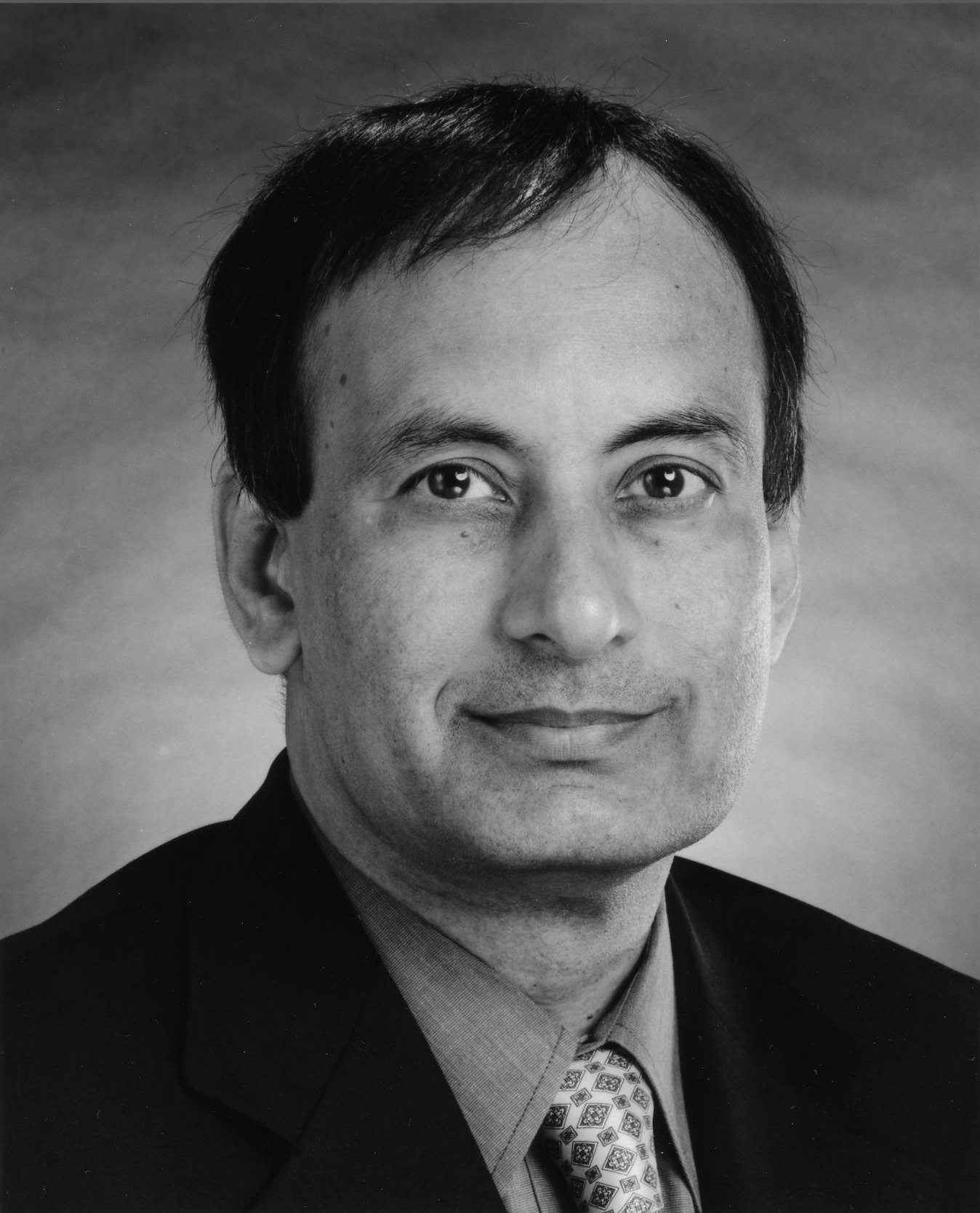
Mr. Husain Haqqani, Ashley J. Tellis
{
  "authors": [
    "Husain Haqqani"
  ],
  "type": "legacyinthemedia",
  "centerAffiliationAll": "dc",
  "centers": [
    "Carnegie Endowment for International Peace"
  ],
  "collections": [],
  "englishNewsletterAll": "ctw",
  "nonEnglishNewsletterAll": "",
  "primaryCenter": "Carnegie Endowment for International Peace",
  "programAffiliation": "russia",
  "programs": [
    "Russia and Eurasia"
  ],
  "projects": [],
  "regions": [
    "South Asia",
    "India",
    "Pakistan"
  ],
  "topics": []
}
REQUIRED IMAGE
Source: Carnegie
By Husain Haqqani, Visiting Scholar
Originally appeared in the Globe and Mail (Toronto), May 13, 2003
The recent thaw in India-Pakistan relations, marked by the exchange of ambassadors and restoration of road, rail and aviation links, brings to an end a particularly tense phase in the unending conflict between South Asia's nuclear rivals. This easing of tensions is not, however, a substitute for a much needed, sustained and comprehensive peace process addressing all outstanding issues in the region.
India and Pakistan have fought three wars and come to the brink of war several more times since they emerged as separate countries after the bitter partition of 1947. At issue, mainly, is the Himalayan territory of Kashmir, which both see as integral to their nationhood.
Pakistan has tried to secure international support for its position that the predominantly Muslim Kashmir should belong to it, by supporting a militant Islamist insurgency in Indian-controlled parts of Kashmir. Following a terrorist attack on India's Parliament in December, 2001, India mobilized nearly one million troops along its border with Pakistan, withdrew its ambassador to Islamabad and suspended communications links. Since then, U.S. intervention has been credited with averting the outbreak of hostilities twice -- the closest that two nuclear-armed nations have come to war since the 1962 Cuban missile crisis.
Indian Prime Minister Atal Bihari Vajpayee seems keen to redefine his country's troubled relations with Pakistan. This desire for a place in history prompted him to make what he has described as his "third and last attempt" at seeking peace with Pakistan. Mr. Vajpayee ignored suggestions by members of his cabinet that India should consider pre-emptive action against Pakistan, using America's doctrine of pre-emptive war in Iraq as a precedent.
According to India's hard-liners, Pakistan's support for Islamic insurgents in Kashmir deserved a military response. But Mr. Vajpayee decided, instead, to pick up the pieces from two previous failed meetings (1999 and 2001) with Pakistan's military ruler General Pervez Musharraf.
Pakistan's newly appointed civilian Prime Minister, Zafarullah Khan Jamali, extended Mr. Vajpayee an invitation to resume dialogue out of Pakistan's own need for regional stability, and to fend off international criticism of Pakistan's lax attitude toward Islamic militants. Although Pakistan has earned praise from the United States for helping apprehend al-Qaeda and Taliban remnants escaping from Afghanistan, it has not clamped down on the Kashmiri militants. Pakistan needs a thaw in relations with India to deflect criticism of its dual policy on Islamic militancy. Gen. Musharraf also sees negotiations with India as an opportunity to gain domestic support, which has fallen as a result of his post 9/11 alliance with the United States.
In the past, the mere event of dialogue between India and Pakistan has led to euphoria for an international community exhausted by the intractable nature of the conflict. But each round of engagement has been followed by disappointment. The peace process promised during Mr. Vajpayee's 1999 visit to Lahore was interrupted by war in the Kargil region. A 2001 summit at Agra did not result even in a joint declaration because India demanded an immediate end to terrorism in Kashmir, while Pakistan sought settlement of its claims over Kashmir's legal status.
Achieving peace between two sides with a huge gap in their positions is never easy. The first stage is usually to create trust and confidence, followed by agreement over the elements necessary in a final deal. In the case of India and Pakistan, there is not even agreement or international consensus on what an acceptable final outcome might be. If resolving a conflict is difficult even after general recognition of the key elements of a settlement, one should not underestimate the complexity of dialogue between two sides that haven't moved past their stated positions in five decades.
The key to a sustained and comprehensive peace process is political will on both sides. By agreeing to resume relations, India and Pakistan have indicated their willingness to talk to each other. But in the past both sides have used dialogue only to score points or buy time while hoping to change on-ground realities in their favour. For talks to yield results, Pakistan will have to recognize that use of force, including covert support for militants, must be completely halted. India, on the other hand, will have to concede that its incorporation of Kashmir is not final and should remain open to discussion.
After bridging this huge gap in their negotiating positions, the two countries must then proceed with normalizing commercial and cultural relations. International actors, such as the U.S., can facilitate dialogue and nudge the leaders of India and Pakistan to the negotiating table. Ultimately, Indians and Pakistanis must learn to trust each other, and that is only possible when they start dealing with one another instead of turning their faces away. The world must hold its optimism until that happens.
Former Visiting Scholar
Recent Work
Mr. Husain Haqqani, Ashley J. Tellis
Mr. Husain Haqqani
Carnegie India does not take institutional positions on public policy issues; the views represented herein are those of the author(s) and do not necessarily reflect the views of Carnegie, its staff, or its trustees.

In any defense establishment, change is an ongoing process. However, despite the best of intentions, existing bureaucracies, bound by habit and years of socialization, have their limits in implementing transformative change.

Anit Mukherjee

As AI grows more sophisticated, as the supply chains that power it become more contested, and as access to frontier models becomes geopolitically charged, India must begin to ask a different set of questions. Not what applications it can build on someone else’s infrastructure but what the world needs.

Konark Bhandari

The Indian Ocean Region hosts one of the densest concentrations of subsea cables in the world. Yet, despite accounting for a significant share of global internet traffic, India’s participation remains limited.

Charukeshi Bhatt

How is AI reshaping space security, creating governance challenges, and where does international diplomacy stand today?


Tejas Bharadwaj, Almudena Azcárate Ortega

After the chill in ties between 2020 and 2024 that brought India–China relations to their lowest point in several decades, the two countries have engaged each other afresh. This paper argues that there are predominantly four imperatives guiding India’s approach to China, and they exist in an order of priority.

Saheb Singh Chadha