

Report
Mr. Husain Haqqani, Ashley J. Tellis
{
  "authors": [
    "Husain Haqqani"
  ],
  "type": "legacyinthemedia",
  "centerAffiliationAll": "dc",
  "centers": [
    "Carnegie Endowment for International Peace"
  ],
  "collections": [],
  "englishNewsletterAll": "ctw",
  "nonEnglishNewsletterAll": "",
  "primaryCenter": "Carnegie Endowment for International Peace",
  "programAffiliation": "russia",
  "programs": [
    "Russia and Eurasia"
  ],
  "projects": [],
  "regions": [
    "Pakistan"
  ],
  "topics": [
    "Security",
    "Nuclear Policy"
  ]
}
REQUIRED IMAGE
Source: Carnegie
The world alleges and Pak denies it
By Hussain Haqqani
Originally published in The Indian Express on September 3, 2003
Pakistan faces, once again, a barrage of allegations ranging from charges of covert support of terrorists to accusations about illegally exporting components for other nations’ nuclear and missile programmes.
The Los Angeles Times ran a detailed story that blamed Pakistan for helping Iran in acquiring nuclear weapons capability. This follows similar allegations about exchanges of nuclear technology with the rogue state of North Korea.
Jane Mayer, writing in the New Yorker recently, insinuated that Osama bin Laden was hiding along the Pakistan-Afghanistan border, virtually protected by Pakistani tribesmen with a wink and a nod from Pakistani officials. The Guardian, too, ran a similar story. Now the New Yorker has come up with charges of collaboration between Pakistan’s secret service and the international jehadi network, identified with Al Qaeda.
India’s statements that Pakistan continues to support militants (or terrorists) operating in Indian-controlled Kashmir as well as elsewhere in India also continue to be believed by large segments of international public opinion, Pakistan’s contradictions and denials notwithstanding. The recent bomb attacks in Mumbai are the latest instigation for a new round of negative comments around the world about Pakistan.
Islamabad has repeatedly and vehemently denied each of the various charges levelled against it. But Pakistani officials’ statements that the country is not involved in training or arming terrorists, that it is not an exporter of nuclear contraband and that it does not run covert operations against India or Afghanistan simply do not have any impact.
Initially, after General Musharraf became a US ally, American officials were a bit more supportive of Pakistan’s position. Until a few months ago, Colin Powell and Condoleeza Rice could be expected to weigh in and say that Pakistan was in the process of change and whatever may have happened in the past, it was not happening any more.
But Washington is no longer offering even such qualified clearance of late. Pakistani sympathy for jehadis, especially those in Afghanistan and Kashmir, is well known but officials of the Musharraf regime argue that sympathy is not the same thing as active support.
Allegations about covert weapons programmes are always based on intelligence leaks and there can be no independent evidence either way about the charges relating to Pakistan’s exchange of technology with regimes in Iran and North Korea.
Officially Pakistan seeks to dismiss all allegations against its conduct as ‘‘propaganda.’’ Ordinary Pakistanis are also outraged over the charges that their country periodically faces, leading to the discussion in Pakistan’s media over the country’s ‘‘image problem’’. But Pakistan’s problem is not just that of image. The country is governed in a secretive manner, with its intelligence services and military running the show in several spheres including areas of international concern.
Even when the civilians are in charge of government, security policy remains largely in the military’s hands, with key elements of decision-making hidden from public view. Pakistani history is replete with examples of government changes through palace coups, stolen elections, and manipulated judicial decisions.
Vehemently denied but widely known covert operations of the past encourage speculation about similar goings on in the present. Lack of transparency in decision-making has bred suspicion and doubt about Pakistan, which no amount of image makeovers can eliminate. Instead of looking for ways to make its denials more convincing, what Pakistan really needs is to make its process of governance more transparent. A substantive change in policy rather than another expensive lobbying or media campaign would be the better way of protecting Pakistan from periodic allegations of rogue-like behaviour.
Pakistan has not had a lawfully constituted elected civilian government for some time. The 2002 election set the stage for a dichotomy of power in Pakistan. Musharraf and the all-powerful military wields effective power while an ineffective parliament and a weak Prime Minister are available once more to share blame though not the power to make critical decisions of war and peace.
A similar situation occurred during the late 1980s and throughout the 1990s. Under the military regime of General Zia-ul-Haq, a close US ally, Pakistan developed nuclear weapons to keep up with India’s nuclear weapons capability. To secure US aid and by-pass American non-proliferation laws, Pakistani officials routinely denied nuclear weapons ambitions while clearly pursuing them. By the time Washington was ready to impose sanctions on Pakistan in 1990, Islamabad had a civilian government that got the blame for losing US aid though in fact it was simply the scapegoat, with the military retaining behind-the-scenes power.
Every state maintains a permanent national security establishment and occasional deception and cover-ups are part of national security requirements. But in normally functioning states most matters affecting the lives of their citizens are in the transparent realm, leaving only a handful of issues subject to secrecy.
In Pakistan, however, the very process of governance has been rendered mysterious. From the doling out of plots of land to generals as part of their service compensation to the frequent amendments to the law, nothing is truly open. Intelligence services do not simply seek to deal with threats to national security. They play a role in everything, from selection of parliamentary candidates to decisions about civil service appointments.
As a result there is little reason for the politically minded citizen to trust the state establishment. On the international stage, too, the world finds it difficult to believe that a government run through non-transparent means is telling the truth. From the international community’s perspective, if successive Pakistani leaders could be economical with the truth on matters of national security in the past, what reason is there to believe their denials about Kashmiri militants and the Taliban now?
It is inconceivable for a civilian government in Pakistan to redefine relations with India or review policies relating to nuclear and missile programmes. The United States takes a benign view of the Pakistani military’s covert operations when Pakistan’s strategic cooperation is important to the US, as was the case during the anti-Soviet Afghan resistance and the current war against Al Qaeda. But nuclear and missile proliferation and relations with India become sticking points in the US-Pakistan relationship when Islamabad’s strategic cooperation becomes less significant.
The charges about Pakistan’s support for Afghanistan’s Taliban, exchanging nuclear know-how for ballistic missiles with North Korea and Iran, and Pakistani sponsorship of jehadi militants opposing India surface in the international media sometimes without comment from the US government. But once the indispensability of Pakistan to Washington wanes, these very accusations could become the basis for sanctions against a less compliant Pakistan. The way to break this cycle would be for Pakistan to become an open democracy, with a constitutionally defined power structure. Then it would be easy to pin responsibility for actions such as training militants or buying and selling technology for weapons of mass destruction.
Pakistanis often wonder why Israel and India are not suspected of leaking nuclear know-how while Pakistan is constantly under suspicion. The international community also takes Islamabad’s periodic accusations of Indian covert support for insurgents in Pakistan a lot less seriously than Indian charges about Pakistan’s backing for the jehadis.
The reason for these divergent responses might lie in the difference of systems of governance. Western opinion is pre-disposed to trusting democracies. There is a presumption (however dubiously based) that a country with an open political system, an honest judiciary and periodic alternation in governments is less likely to have dark secrets than one that operates in secrecy.
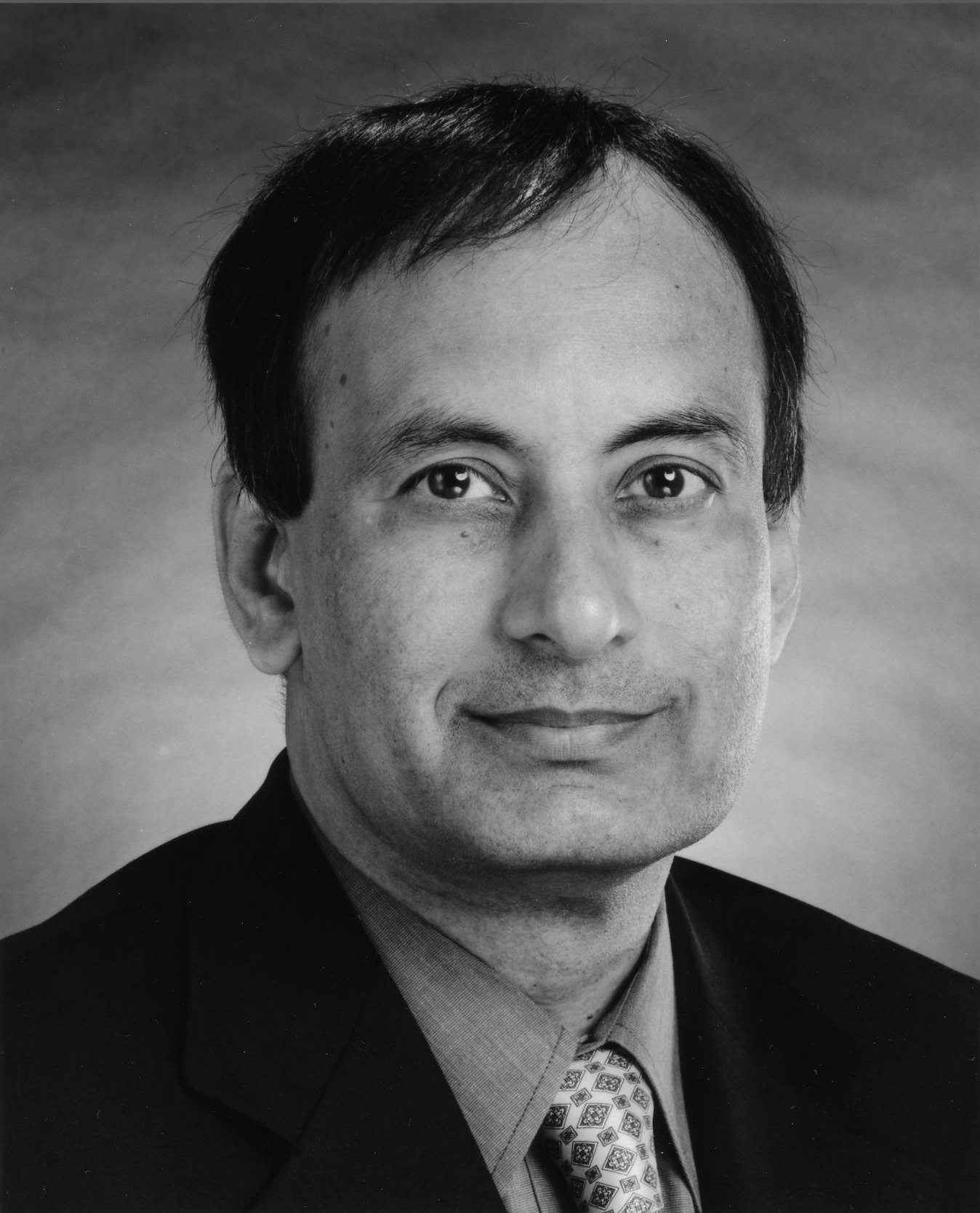
The author is a visiting scholar at the Carnegie Endowment for International Peace in Washington DC. He served as adviser to prime ministers Benazir Bhutto and Nawaz Sharif and as Pakistan’s ambassador to Sri Lanka.
Former Visiting Scholar
Recent Work
Mr. Husain Haqqani, Ashley J. Tellis
Mr. Husain Haqqani
Carnegie India does not take institutional positions on public policy issues; the views represented herein are those of the author(s) and do not necessarily reflect the views of Carnegie, its staff, or its trustees.

In any defense establishment, change is an ongoing process. However, despite the best of intentions, existing bureaucracies, bound by habit and years of socialization, have their limits in implementing transformative change.

Anit Mukherjee

After the chill in ties between 2020 and 2024 that brought India–China relations to their lowest point in several decades, the two countries have engaged each other afresh. This paper argues that there are predominantly four imperatives guiding India’s approach to China, and they exist in an order of priority.

Saheb Singh Chadha

This piece argues that the present Indian strategy, based on opportunistic diversification and utilization of limited strategic reserves, remains inadequate when confronting supply disruptions. It evaluates India’s options in the short, medium, and long terms.

Vrinda Sahai

This piece examines India’s response to U.S. sanctions and tariffs, specifically assessing the immediate market consequences, such as alterations in import costs, and the broader strategic implications for India’s energy security and foreign policy orientation.
Vrinda Sahai
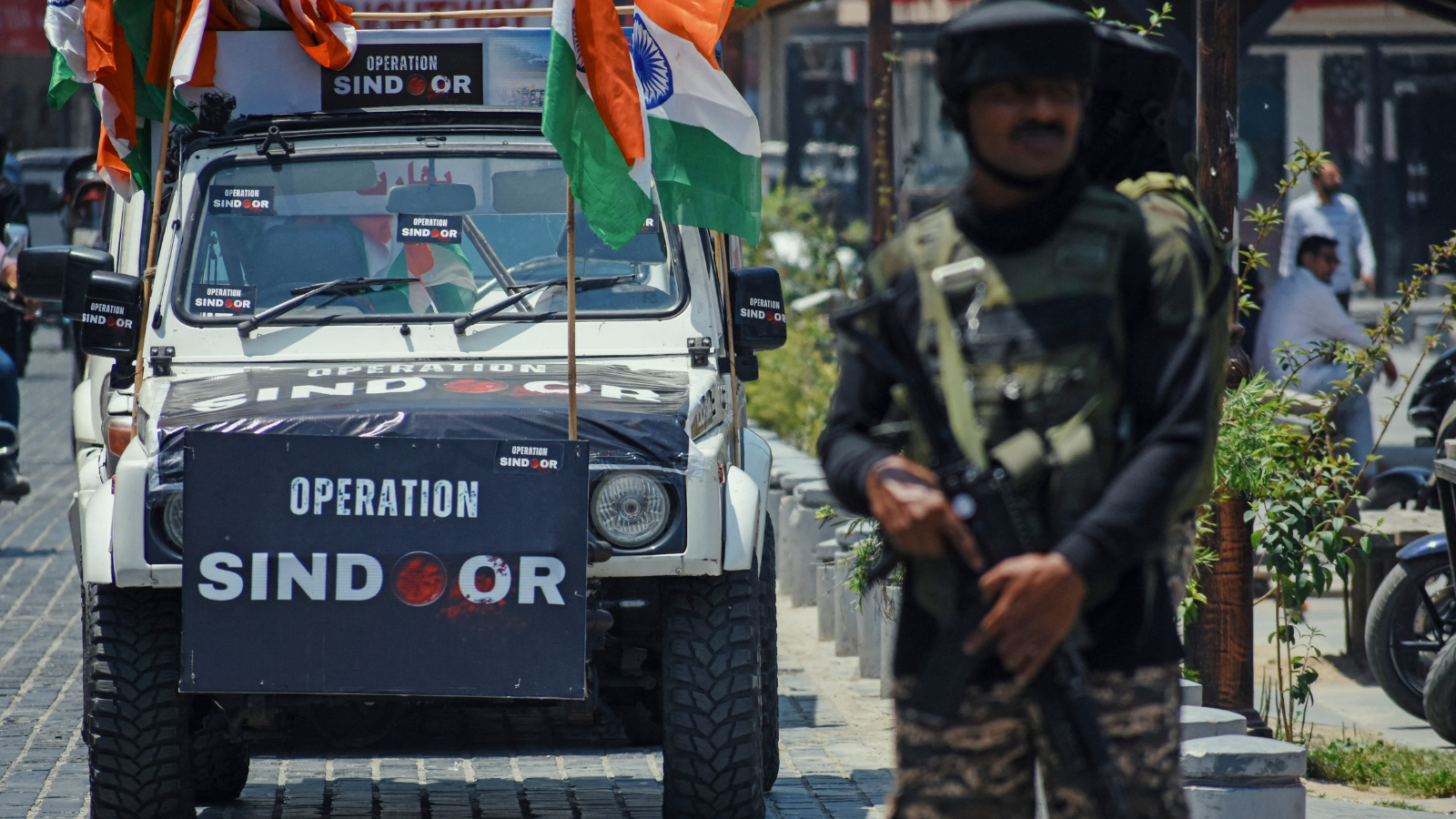
The India-Pakistan conflict that played out between May 6 and May 10, 2025, offers several military lessons. This article presents key takeaways from Operation Sindoor and breaks down how India’s preparations shaped the outcome and what more is needed to strengthen future readiness.

Dinakar Peri