

In The Media
Josh Kurlantzick
{
  "authors": [
    "Josh Kurlantzick"
  ],
  "type": "legacyinthemedia",
  "centerAffiliationAll": "dc",
  "centers": [
    "Carnegie Endowment for International Peace"
  ],
  "collections": [],
  "englishNewsletterAll": "asia",
  "nonEnglishNewsletterAll": "",
  "primaryCenter": "Carnegie Endowment for International Peace",
  "programAffiliation": "AP",
  "programs": [
    "Asia"
  ],
  "projects": [],
  "regions": [
    "North Africa",
    "Sudan",
    "Southern, Eastern, and Western Africa",
    "China"
  ],
  "topics": [
    "Political Reform",
    "Economy",
    "Trade",
    "Security",
    "Military"
  ]
}
Source: Getty
African activists are resisting China’s growing presence in Africa, citing China’s support for autocrats like Zimbabwe’s Robert Mugabe and importation of Chinese labor as primary concerns. Western concerns about Chinese influence in Africa have nevertheless intensified.
Source: Time Magazine

Western worries about undue Chinese influence in Africa have nevertheless intensified. Though some fears are legitimate, Kurlantzick argues that many Western concerns are absurd. China’s appetite for African commodities has fueled some of Africa’s strongest growth since independence, and the West has its own ties to corrupt African regimes. Most important, however, is the fact that Beijing’s position in Africa is evolving in response to African complaints. Kurlantzick concludes that China may yet rekindle its African romance.
Click here for full text of the article

Former Visiting Scholar, China Program
A special correspondent for The New Republic, a columnist for Time, and a senior correspondent for The American Prospect, Kurlantzick assesses China’s relationship with the developing world, including Southeast Asia, Africa, and Latin America.
Recent Work
Josh Kurlantzick
Carnegie India does not take institutional positions on public policy issues; the views represented herein are those of the author(s) and do not necessarily reflect the views of Carnegie, its staff, or its trustees.

This piece argues that the present Indian strategy, based on opportunistic diversification and utilization of limited strategic reserves, remains inadequate when confronting supply disruptions. It evaluates India’s options in the short, medium, and long terms.

Vrinda Sahai

This piece examines India’s response to U.S. sanctions and tariffs, specifically assessing the immediate market consequences, such as alterations in import costs, and the broader strategic implications for India’s energy security and foreign policy orientation.
Vrinda Sahai
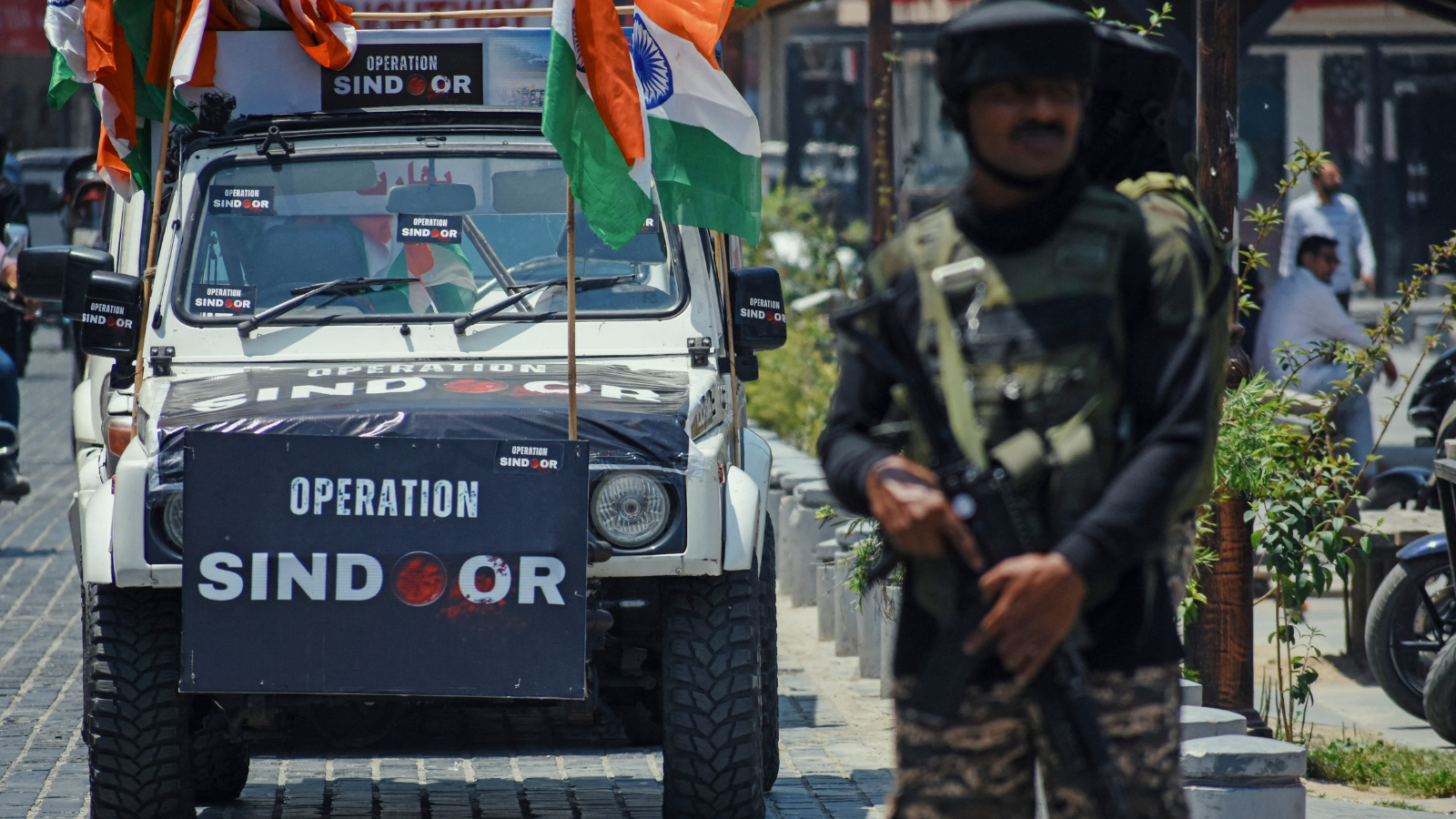
The India-Pakistan conflict that played out between May 6 and May 10, 2025, offers several military lessons. This article presents key takeaways from Operation Sindoor and breaks down how India’s preparations shaped the outcome and what more is needed to strengthen future readiness.

Dinakar Peri
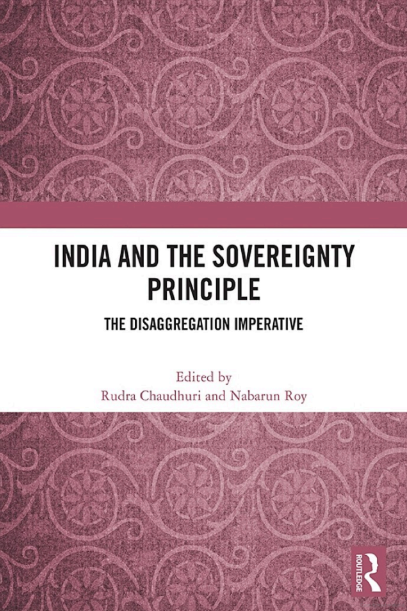
This book offers a comprehensive analysis of India's evolving relationship with sovereignty in a complex global order. Moving beyond conventional narratives, it examines how the sovereignty principle shapes India's behavior across four critical domains—from traditional military power to contemporary data governance.

Rudra Chaudhuri, Nabarun Roy

This paper examines the evolution of India-China economic ties from 2005 to 2025. It explores the impact of global events, bilateral political ties, and domestic policies on distinct spheres of the economic relationship.

Santosh Pai