

Commentary
Maria Lipman
{
  "authors": [
    "Maria Lipman"
  ],
  "type": "legacyinthemedia",
  "centerAffiliationAll": "",
  "centers": [
    "Carnegie Endowment for International Peace",
    "Carnegie Russia Eurasia Center"
  ],
  "collections": [],
  "englishNewsletterAll": "",
  "nonEnglishNewsletterAll": "",
  "primaryCenter": "Carnegie Russia Eurasia Center",
  "programAffiliation": "",
  "programs": [],
  "projects": [],
  "regions": [
    "Caucasus",
    "Russia",
    "Azerbaijan",
    "Armenia",
    "Georgia"
  ],
  "topics": [
    "Political Reform",
    "Economy"
  ]
}
Source: Getty
As violence in the North Caucasus surges, Kremlin policies and its loyal, but brutal, local leaders have played a critical role in causing the situation.
Source: Al Jazeera's Inside Story
Masha Lipman explains that violence in Ingushetia: “has become a vicious circle of heavy handed operations of the government and police officials antagonizing the people, people take revenge, and punitive measures follow in the vicious circle of violence. So police brutality and incompetence of the local government are the chief reasons for violence in Ingushetia.”
But Ingushetia is not an isolated incident. The whole region of North Caucasus has been afflicted by violence in recent months: "Russia has heavily relied on loyal leaders to take care of problems. And the methods used by those leaders were heavy handed, were brutal; thus breeding resistance.”

Former Scholar in Residence, Society and Regions Program, Editor in Chief, Pro et Contra, Moscow Center
Lipman was the editor in chief of the Pro et Contra journal, published by the Carnegie Moscow Center. She was also the expert of the Carnegie Moscow Center’s Society and Regions Program.
Recent Work
Maria Lipman
Maria Lipman
Carnegie India does not take institutional positions on public policy issues; the views represented herein are those of the author(s) and do not necessarily reflect the views of Carnegie, its staff, or its trustees.

This piece examines India’s response to U.S. sanctions and tariffs, specifically assessing the immediate market consequences, such as alterations in import costs, and the broader strategic implications for India’s energy security and foreign policy orientation.

Vrinda Sahai

This paper examines the evolution of India-China economic ties from 2005 to 2025. It explores the impact of global events, bilateral political ties, and domestic policies on distinct spheres of the economic relationship.

Santosh Pai
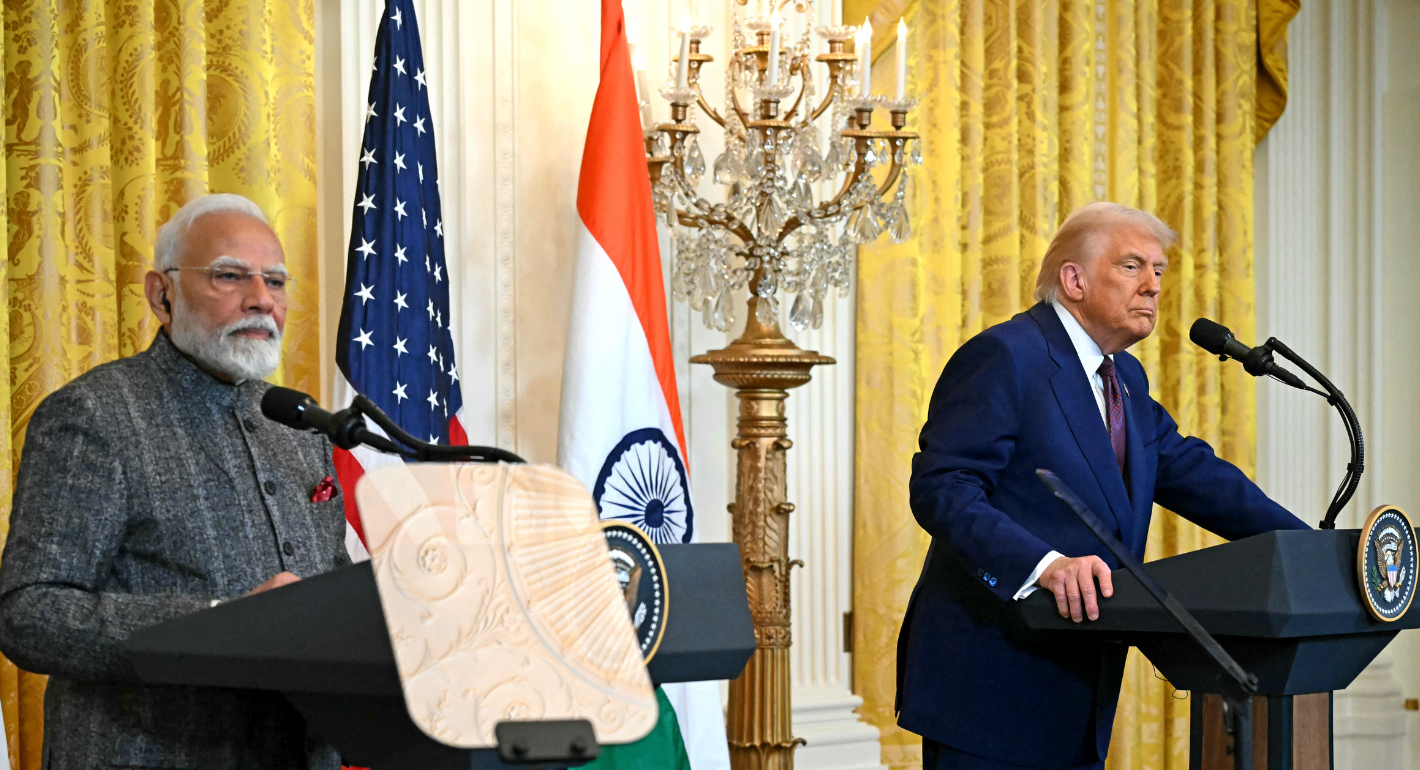
The India-U.S. relationship currently appears buffeted between three “Ts”—TRUST, Tariffs, and Trump.
Arun K. Singh
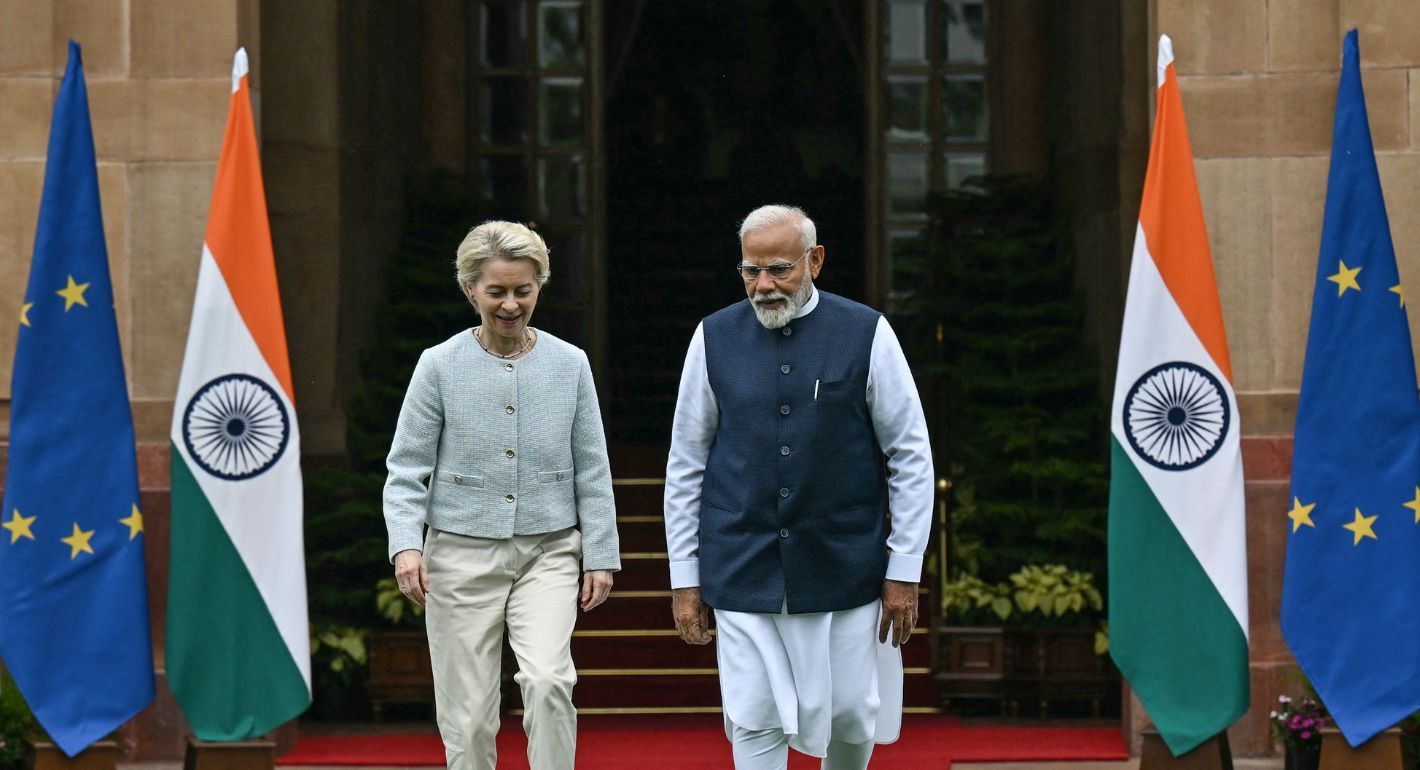
This article argues that the geopolitical circumstances have never been more conducive, not merely for the early conclusion of the free trade agreement (FTA) between India and the EU, but also for crafting a substantive and comprehensive strategic partnership.
Mohan Kumar

In 2023, the Ideas and Institutions newsletter from Carnegie India's Political Economy team sent out forty-eight essays. This year-end roundup features those essays that the writers of this newsletter consider the best of the year.


Suyash Rai, Anirudh Burman