

Article
Thomas de Waal
{
  "authors": [
    "Thomas de Waal"
  ],
  "type": "testimony",
  "centerAffiliationAll": "dc",
  "centers": [
    "Carnegie Endowment for International Peace",
    "Carnegie Europe"
  ],
  "collections": [],
  "englishNewsletterAll": "ctw",
  "nonEnglishNewsletterAll": "",
  "primaryCenter": "Carnegie Europe",
  "programAffiliation": "russia",
  "programs": [
    "Russia and Eurasia"
  ],
  "projects": [],
  "regions": [
    "Caucasus",
    "Azerbaijan",
    "Armenia",
    "Georgia"
  ],
  "topics": [
    "Political Reform"
  ]
}
Source: Getty
After twenty years of independence, the countries of the South Caucasus have yet to become truly democratic and pluralistic societies.
Source: U.S. Helsinki Commission
In a briefing at the U.S. Helsinki Commission, Carnegie’s Thomas de Waal commented on the upcoming elections and the state of democracy in the South Caucasus. The governments of Armenia, Azerbaijan, and Georgia, he argued, resemble the Russian model of “a one-party state with managed democracy.” He added that “Azerbaijan is the most authoritarian and Georgia the most democratic, with Armenia somewhere in between.” De Waal described elections as an important “health-check on the state of democracy in these countries” but also pointed to bigger problems in each country’s political culture.
Instead of focusing exclusively on elections, he suggested that “widening the whole political space” would help create more pluralistic societies. Given the “big gap between what happens in the capital and in the rest of the country,” different strategies for capital cities and provinces are necessary. Independent media remains underdeveloped and stifled, while state “media and in particular television, which is the overwhelmingly dominant medium of news coverage, shape the political narrative in favor of the governing administration,” de Waal concluded.

Senior Fellow, Carnegie Europe
Thomas de Waal is a senior fellow at Carnegie Europe, specializing in Eastern Europe and the Caucasus.
Recent Work
Thomas de Waal
Thomas de Waal
Carnegie India does not take institutional positions on public policy issues; the views represented herein are those of the author(s) and do not necessarily reflect the views of Carnegie, its staff, or its trustees.

As India’s economy recovers from the coronavirus pandemic, Indian businesses need efficient financial structures to regain their ground. Key reforms to India’s Insolvency and Bankruptcy Code could fill these gaps.

Anirudh Burman

Access to cross-border data is an integral piece of the law enforcement puzzle. India is well placed to lead the discussions on international data agreements subject to undertaking necessary surveillance reforms.
Smriti Parsheera, Prateek Jha
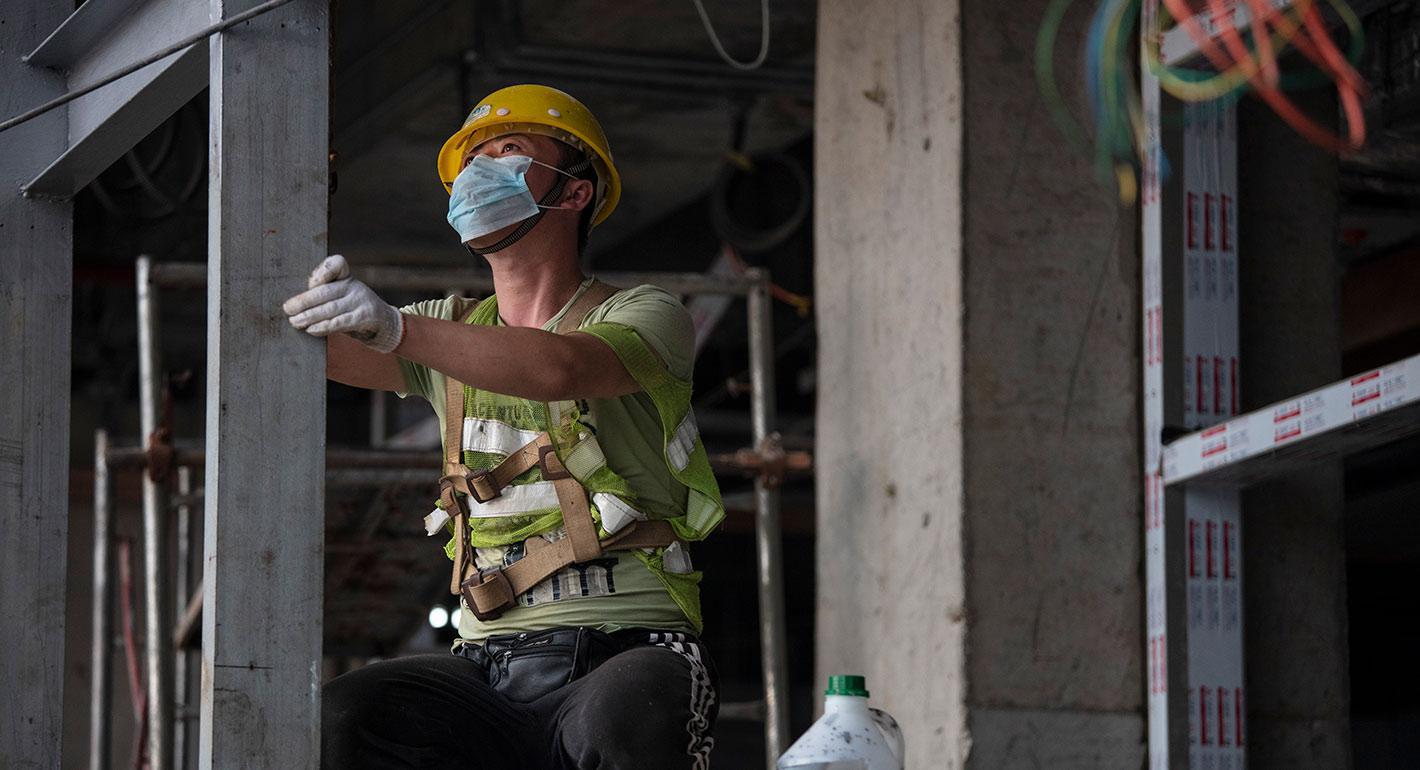
After the coronavirus pandemic wanes, how will China’s reorientation of the Belt and Road Initiative to address global health concerns influence its relationships with South Asian countries?
Deep Pal, Rahul Bhatia
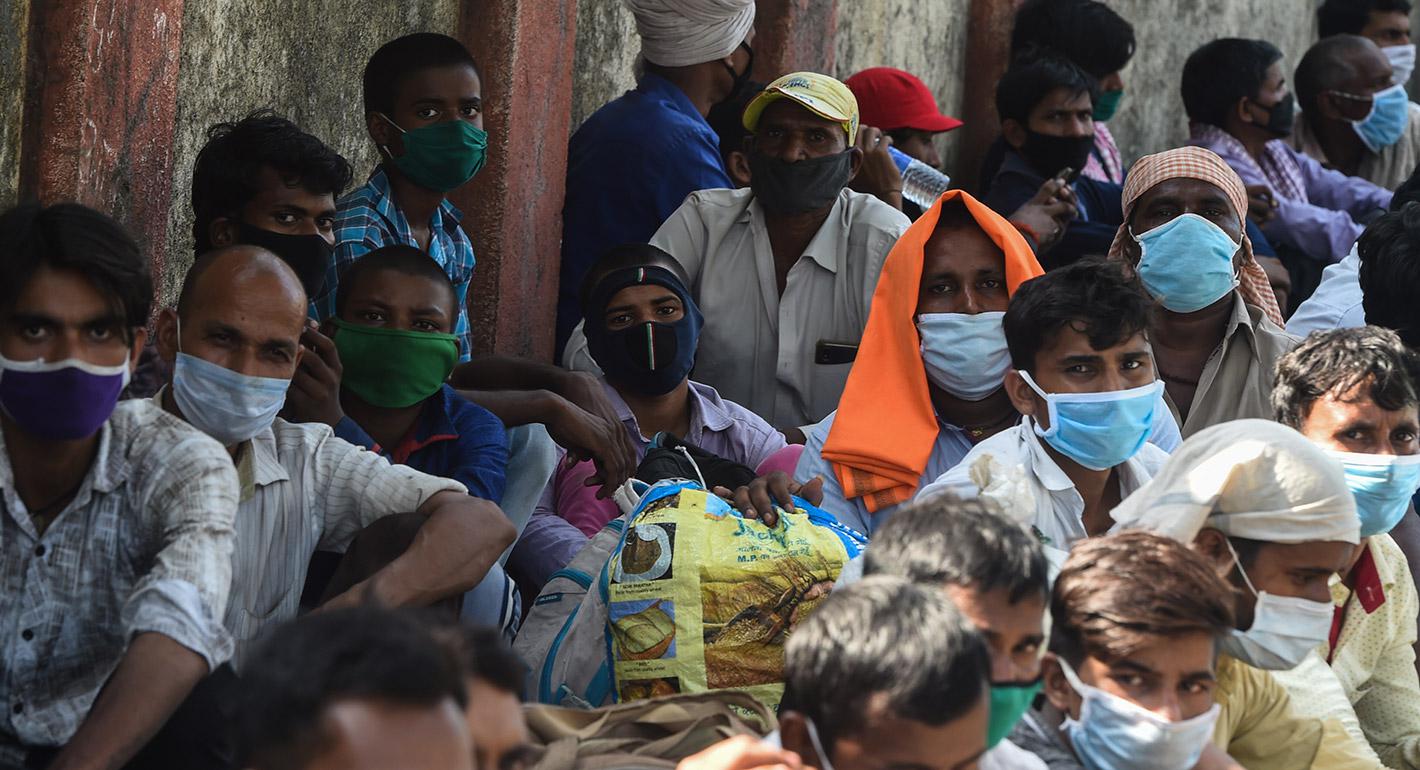
Early in the outbreak, government researchers forecast several high-risk scenarios that were downplayed or ignored in public messaging.
Gautam I. Menon
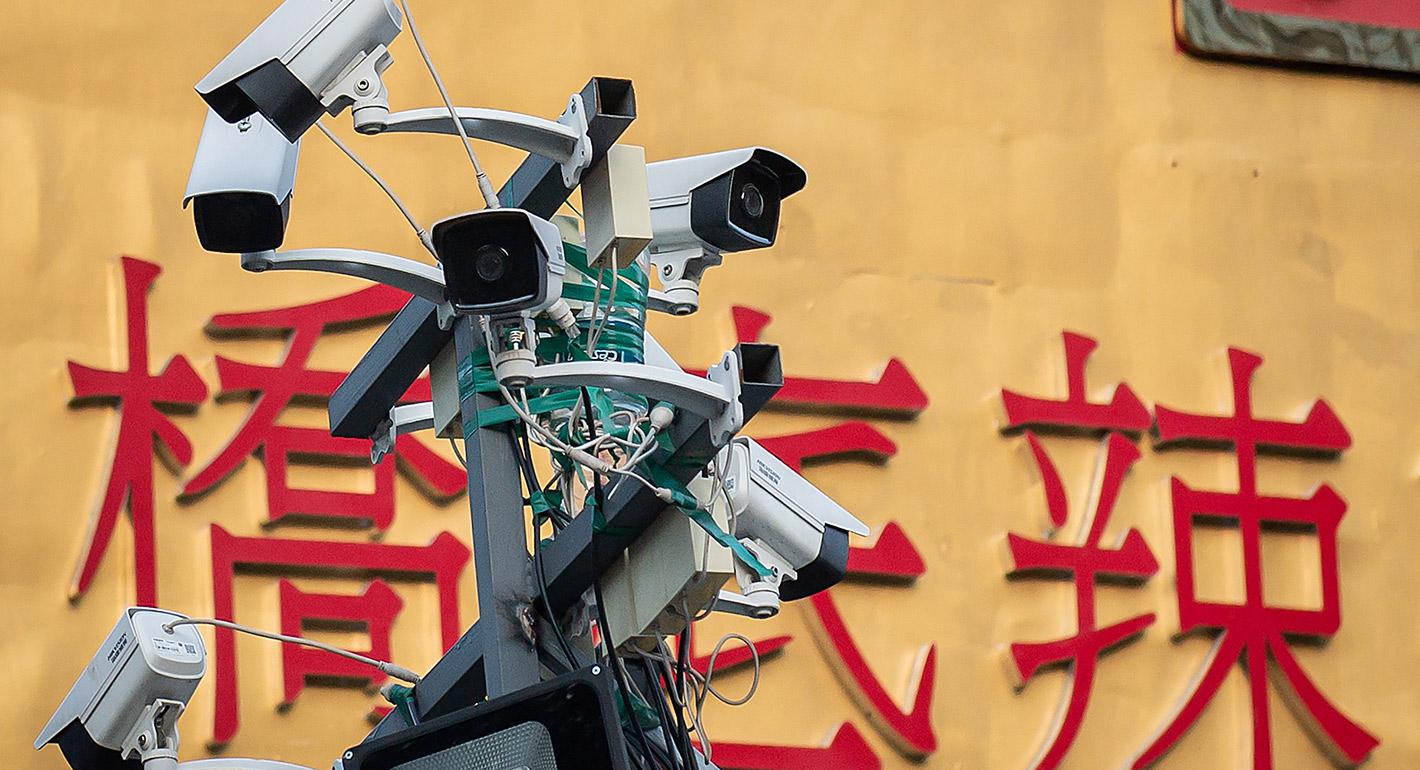
Governments around the world are turning to new forms of digital surveillance to monitor the spread of the coronavirus, though they are mostly using existing laws to do so.
Anirudh Burman