

Commentary
Thomas de Waal
{
  "authors": [
    "Thomas de Waal"
  ],
  "type": "legacyinthemedia",
  "centerAffiliationAll": "dc",
  "centers": [
    "Carnegie Endowment for International Peace",
    "Carnegie Europe"
  ],
  "collections": [],
  "englishNewsletterAll": "ctw",
  "nonEnglishNewsletterAll": "",
  "primaryCenter": "Carnegie Europe",
  "programAffiliation": "russia",
  "programs": [
    "Russia and Eurasia"
  ],
  "projects": [],
  "regions": [
    "Caucasus",
    "Russia",
    "Azerbaijan",
    "Armenia",
    "Georgia"
  ],
  "topics": [
    "Political Reform"
  ]
}
Source: Getty
The figure of Stalin still provokes many positive reactions in the former Soviet Union.
Source: BBC World News
Surveys commissioned by the Carnegie Endowment for The Stalin Puzzle have revealed that the figure of Stalin provokes more positive reactions than one might have expected in several countries of the former Soviet Union. Carnegie's Thomas de Waal, editor of the project, spoke to BBC World News to discuss some of the reasons behind these results. He concentrated on the two most startling facts found in the surveys: support for Stalin has risen in Russia since the first election of President Vladimir Putin, while, in Stalin’s native Georgia, approval ratings are even higher.
De Waal explained that de-Stalinization campaigns were only tried halfheartedly until many years after Stalin’s death, when Mikhail Gorbachev came to power. He added that the Soviet victory in World War Two also made Stalin the great unifier, on a par with the victorious leaders of the UK and the United States. This is accentuated by a lack of alternative hero figures. While current Russian leaders do not glorify Stalin, it remains difficult for them to criticize a figure who is seen to have built a strong state, de Waal suggested.
Senior Fellow, Carnegie Europe
Thomas de Waal is a senior fellow at Carnegie Europe, specializing in Eastern Europe and the Caucasus.
Recent Work
Thomas de Waal
Thomas de Waal
Carnegie India does not take institutional positions on public policy issues; the views represented herein are those of the author(s) and do not necessarily reflect the views of Carnegie, its staff, or its trustees.

This piece argues that India’s central challenge is not managing a single flashpoint but resolving the underlying tension between expansion and institutional coherency of the BRICS grouping.

Vrinda Sahai
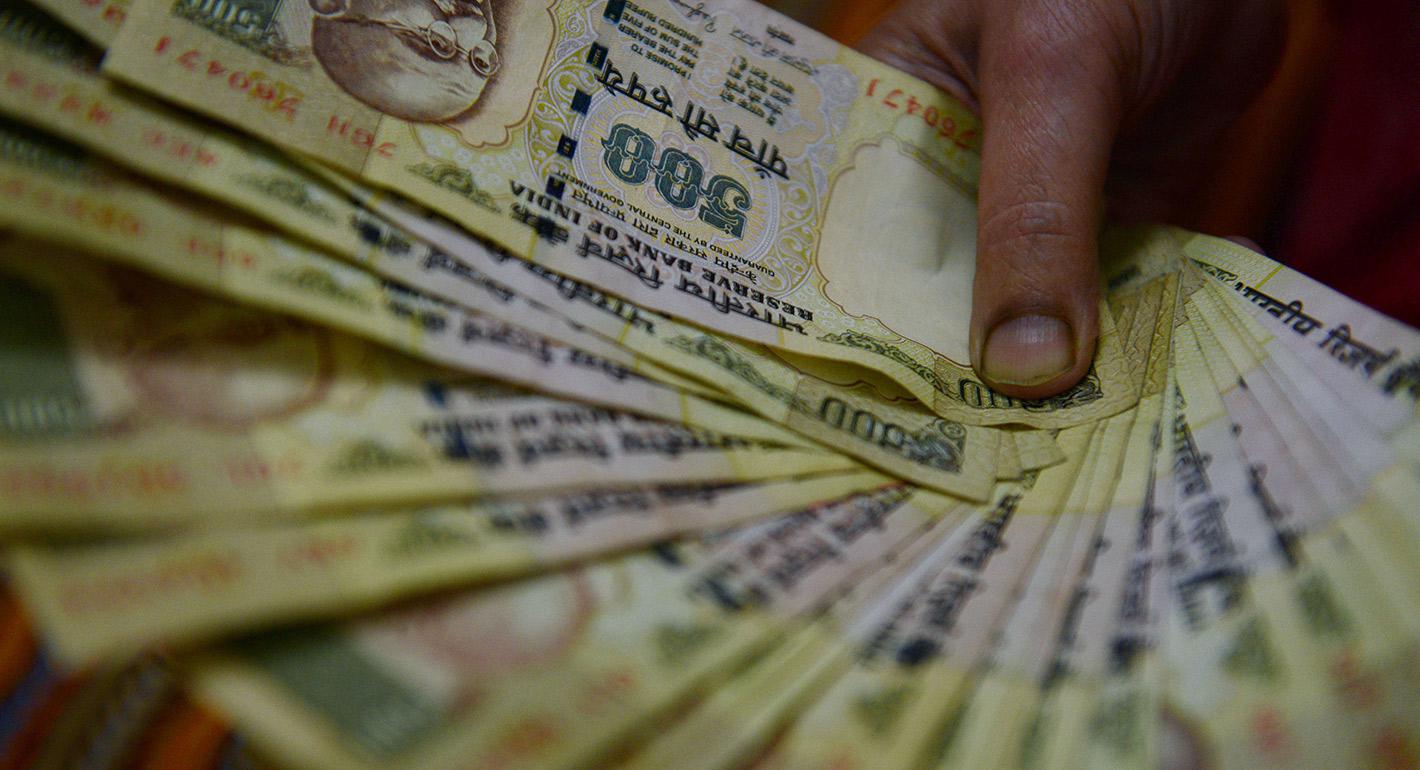
As India’s economy recovers from the coronavirus pandemic, Indian businesses need efficient financial structures to regain their ground. Key reforms to India’s Insolvency and Bankruptcy Code could fill these gaps.

Anirudh Burman
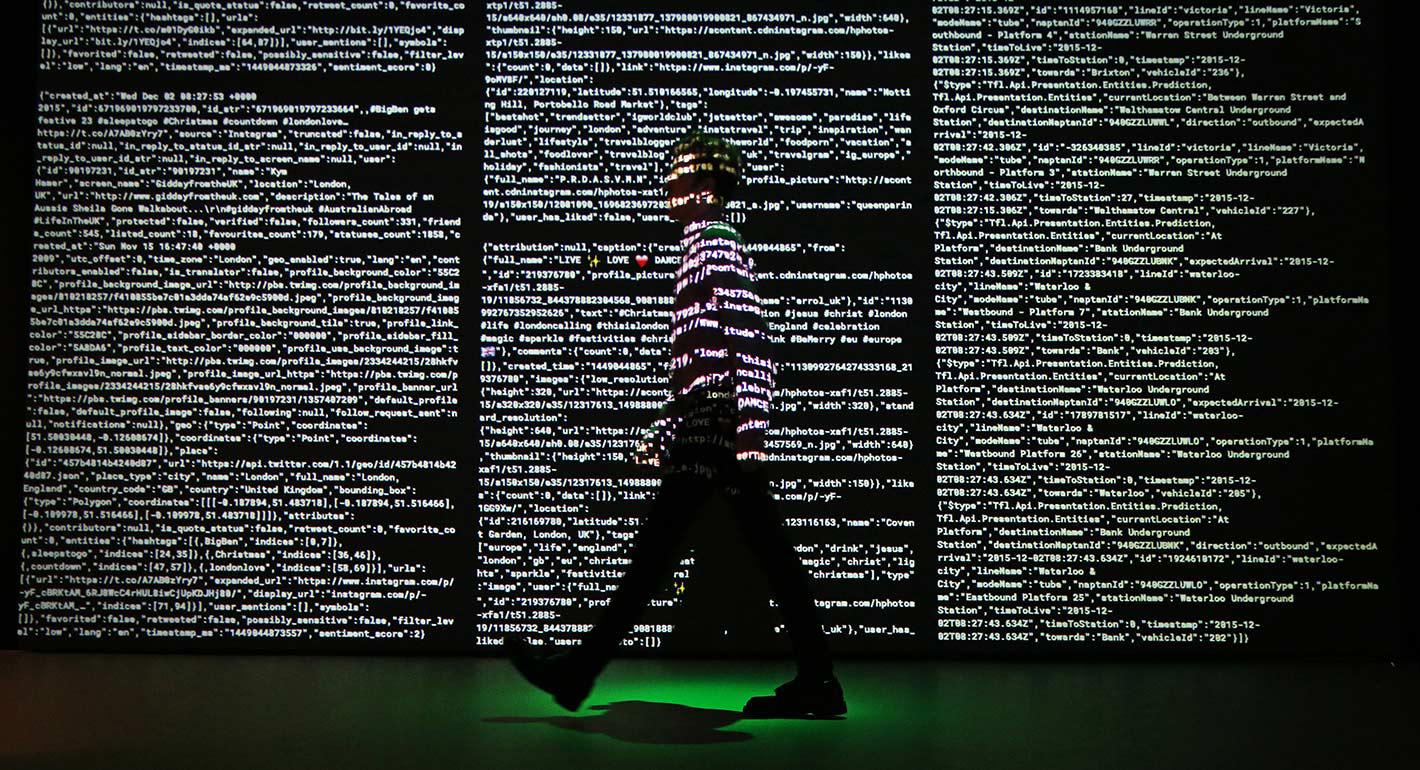
Access to cross-border data is an integral piece of the law enforcement puzzle. India is well placed to lead the discussions on international data agreements subject to undertaking necessary surveillance reforms.
Smriti Parsheera, Prateek Jha
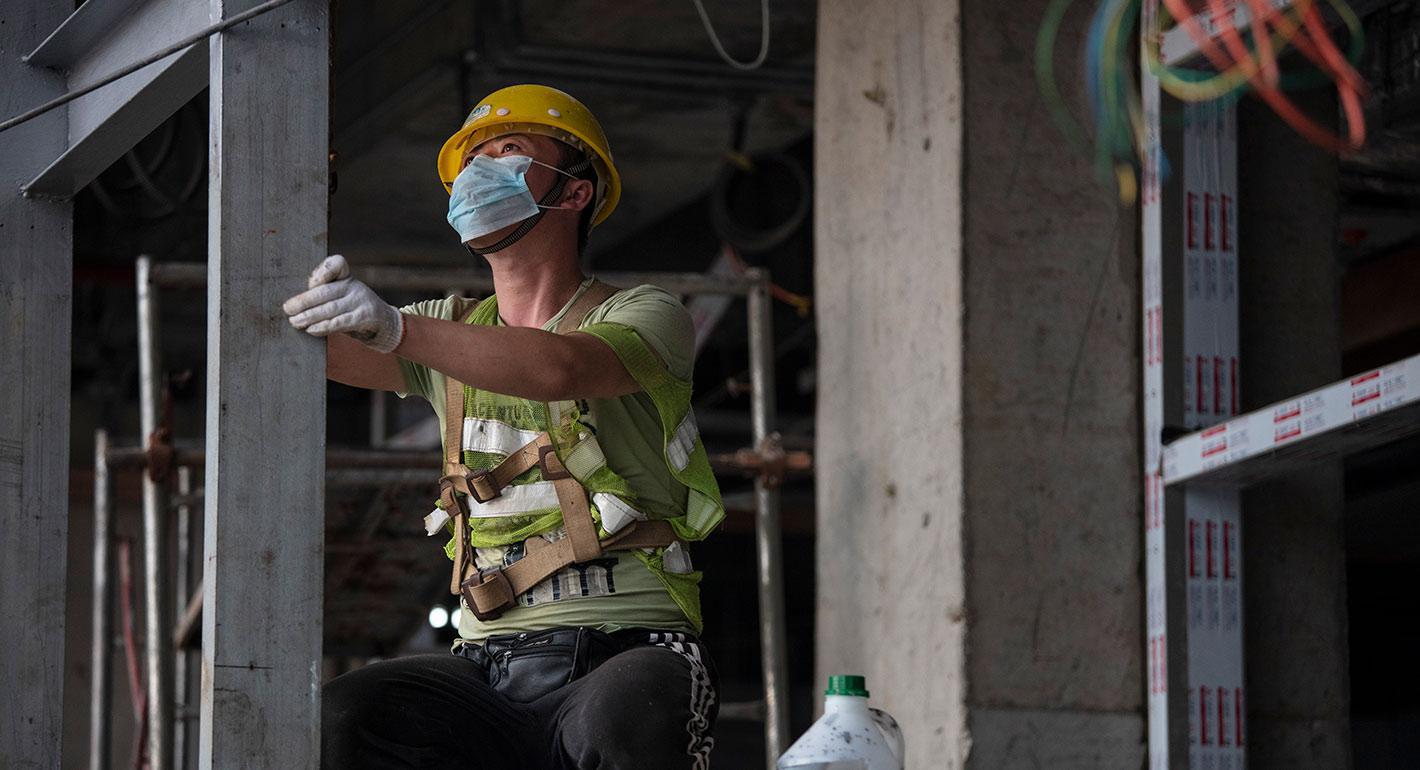
After the coronavirus pandemic wanes, how will China’s reorientation of the Belt and Road Initiative to address global health concerns influence its relationships with South Asian countries?
Deep Pal, Rahul Bhatia
Early in the outbreak, government researchers forecast several high-risk scenarios that were downplayed or ignored in public messaging.
Gautam I. Menon