

Paper
Paul Salem
{
  "authors": [
    "Paul Salem"
  ],
  "type": "legacyinthemedia",
  "centerAffiliationAll": "dc",
  "centers": [
    "Carnegie Endowment for International Peace",
    "Malcolm H. Kerr Carnegie Middle East Center",
    "Carnegie Russia Eurasia Center"
  ],
  "collections": [],
  "englishNewsletterAll": "menaTransitions",
  "nonEnglishNewsletterAll": "",
  "primaryCenter": "Malcolm H. Kerr Carnegie Middle East Center",
  "programAffiliation": "MEP",
  "programs": [
    "Middle East"
  ],
  "projects": [],
  "regions": [
    "Levant",
    "Syria",
    "Middle East"
  ],
  "topics": [
    "Political Reform",
    "Security",
    "Global Governance"
  ]
}
Source: Getty
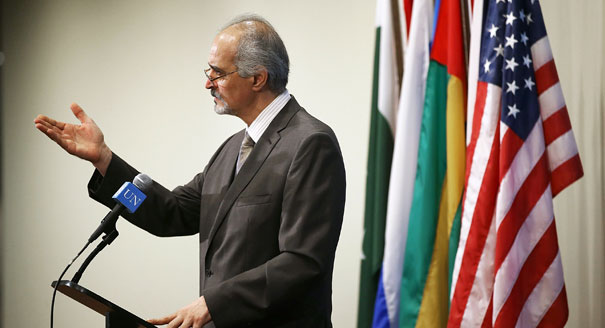
The U.S.-Russian agreement on seizing and destroying Syria’s chemical weapons defused the threat of another war in the Middle East but left many wondering what it meant for the balance of power in the region, the course of the Syrian war, and the chances of further diplomatic breakthroughs.
Source: L'Espresso
The last-minute U.S.-Russian agreement on seizing and destroying Syria’s chemical weapons defused the threat of another war in the Middle East but left many wondering what it meant for the balance of power in the region, the course of the Syrian war, and the chances of further diplomatic breakthroughs.
There are many ways in which Syria could delay the implementation of this agreement, but it is unlikely that it would do so in a flagrant way. Syria blocking a U.S.-Russian deal would deeply undermine the credibility of Russia, Syria’s main global ally, something Damascus would want to avoid. Also, the United States has not removed the possibility of a strike from the table.
For the Syrian regime, the chemical weapons deal is a net short-term gain in the sense that giving up control of its chemical weapons is less damaging than being subjected to a large-scale U.S. military attack. So Syria will be weaker militarily than it was just a few weeks ago but not as weak as it would have been had the attack taken place. Chemical weapons were never a major factor in the Syrian regime’s internal battles against its armed opposition; the war will go on using conventional weapons. Also, the deal implies that Syrian President Bashar al-Assad will be around, and a partner in an international process, at least through the middle of 2014, as the deal stipulates.But the loss of chemical weapons leaves the Assad regime more vulnerable in the long term. It will not be lost on Assad that after other regimes, such as that of Muammar Qaddafi in Libya, gave up their weapons of mass destruction programs, they also lost much of their deterrent power and ended up toppled by outside intervention. It should be noted that Assad’s nascent nuclear program was halted by an Israeli airstrike in 2007, but Syria is still reported to have a biological weapons capacity. Biological weapons were not mentioned in the U.S.-Russian agreement.
The Syrian rebels see the deal as a betrayal and a net loss for them. They were looking forward to a major U.S. strike that would alter the balance of power on the ground; instead, the strike was suspended and Assad got a new lease on life as a partner in an international agreement. The possibility that he will lose his chemical weapons doesn’t much alter the course of fighting on the ground. To the contrary, the opposition may have always hoped Assad would use these weapons in order to create conditions for a Western strike on his regime.
U.S. President Barack Obama seems to have the luck of the Irish. He has gotten more than he asked for and avoided the morass of another war in the Middle East. He wanted to deter Syria from another gas attack and instead got a Russian commitment to remove all of Assad’s chemical weapons; he threatened war but did not have to go through with it, and now he can turn back to pressing domestic affairs. The main decision that Obama has to make moving forward is whether to seriously increase U.S. support for the Syrian non-jihadi opposition.
Israel is pleased. It not only feared chemical weapons in Assad’s hands but also worried that those weapons might get into the hands of Hezbollah or jihadi groups in the Syrian opposition if Assad fell. Removing chemical weapons completely from the Syrian theater is a best-case scenario for Israel. It should also be impressed that if the United States could deter Syria with the mere threat of attack, then U.S. deterrence is still alive and well and could still be credible toward Iran’s nuclear program.
Russian President Vladimir Putin has emerged as a global player who is diplomatically deft but not strategically powerful. It will not be lost on other countries in the region—especially Iran—that when the United States threatened Syria and Assad turned to his global ally, Russia, Moscow could not deter the United States, and the best advice Russia could give to its client was: “Give up your weapons.”
Whether a diplomatic breakthrough on chemical weapons will lead to diplomatic progress in resolving the Syrian conflict is yet to be seen. U.S.-Russian cooperation is certainly a welcome dynamic, and Assad might be more amenable now to joining a Geneva II conference. But the Syrian conflict still seems far from resolution. The Assad regime still considers all its opponents to be mercenaries and terrorists that must be eliminated, and the opposition is too splintered and radical to come up with a unified position and remains largely unwilling to negotiate with Assad.
The international community must build on the recent agreement to push both sides toward the negotiating table while increasing humanitarian support for the millions of Syrian civilians suffering from this devastating conflict.
This article was originally published in Italian in L'Espresso (print edition).

Senior Fellow at the Middle East Institute
Paul Salem is a senior fellow at the Middle East Institute.
Recent Work
Paul Salem
Paul Salem
Carnegie India does not take institutional positions on public policy issues; the views represented herein are those of the author(s) and do not necessarily reflect the views of Carnegie, its staff, or its trustees.

This piece argues that the present Indian strategy, based on opportunistic diversification and utilization of limited strategic reserves, remains inadequate when confronting supply disruptions. It evaluates India’s options in the short, medium, and long terms.

Vrinda Sahai

This piece examines India’s response to U.S. sanctions and tariffs, specifically assessing the immediate market consequences, such as alterations in import costs, and the broader strategic implications for India’s energy security and foreign policy orientation.
Vrinda Sahai
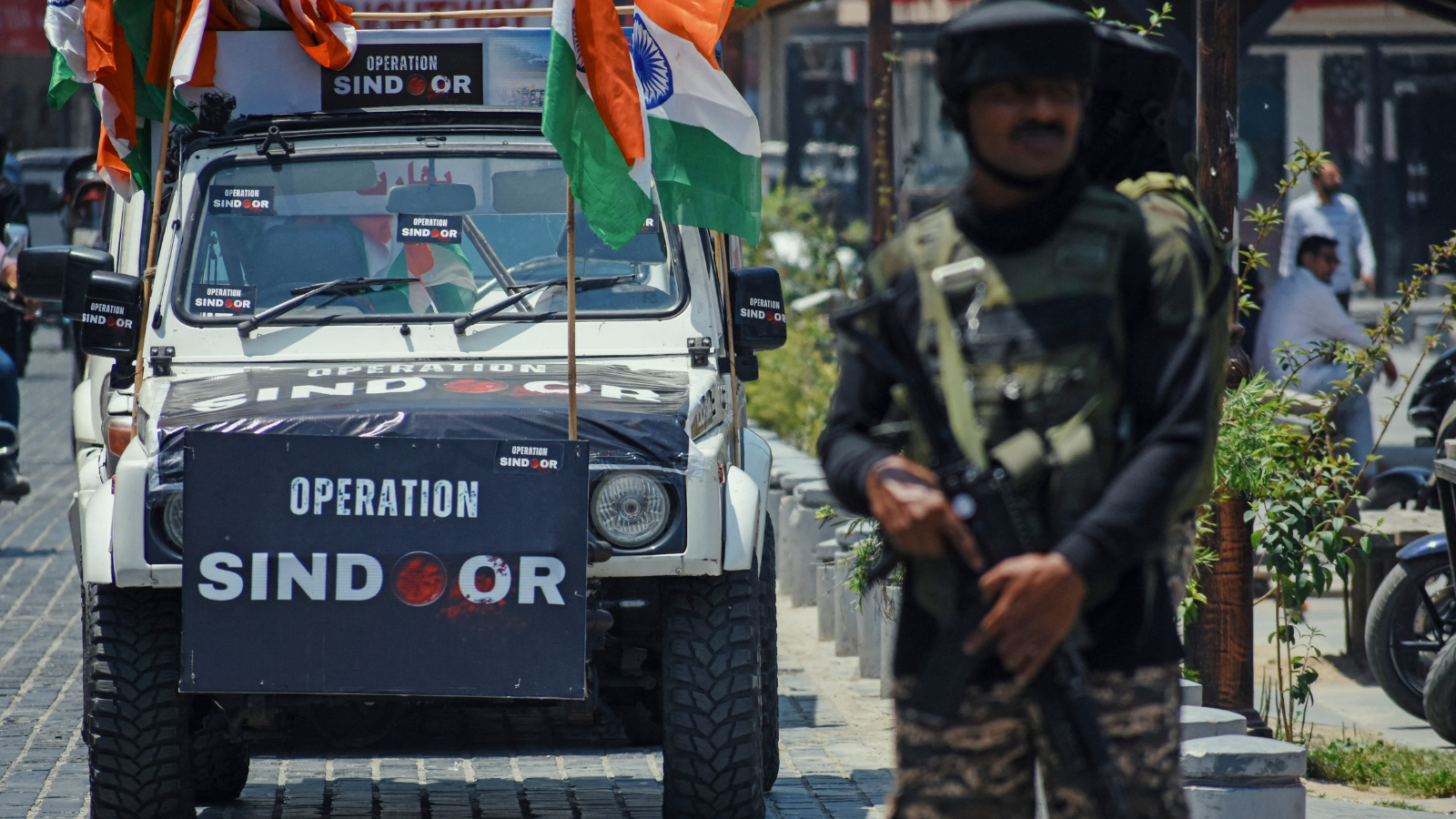
The India-Pakistan conflict that played out between May 6 and May 10, 2025, offers several military lessons. This article presents key takeaways from Operation Sindoor and breaks down how India’s preparations shaped the outcome and what more is needed to strengthen future readiness.

Dinakar Peri
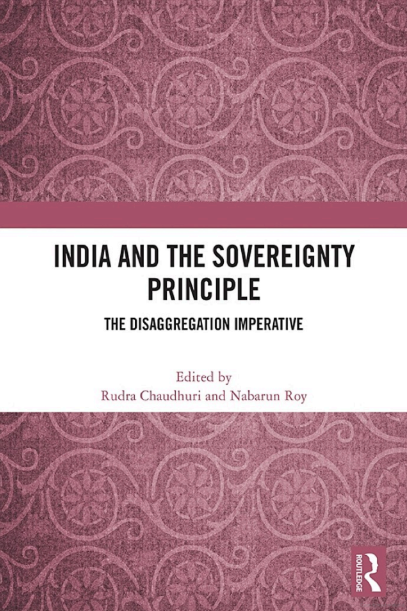
This book offers a comprehensive analysis of India's evolving relationship with sovereignty in a complex global order. Moving beyond conventional narratives, it examines how the sovereignty principle shapes India's behavior across four critical domains—from traditional military power to contemporary data governance.
Rudra Chaudhuri, Nabarun Roy
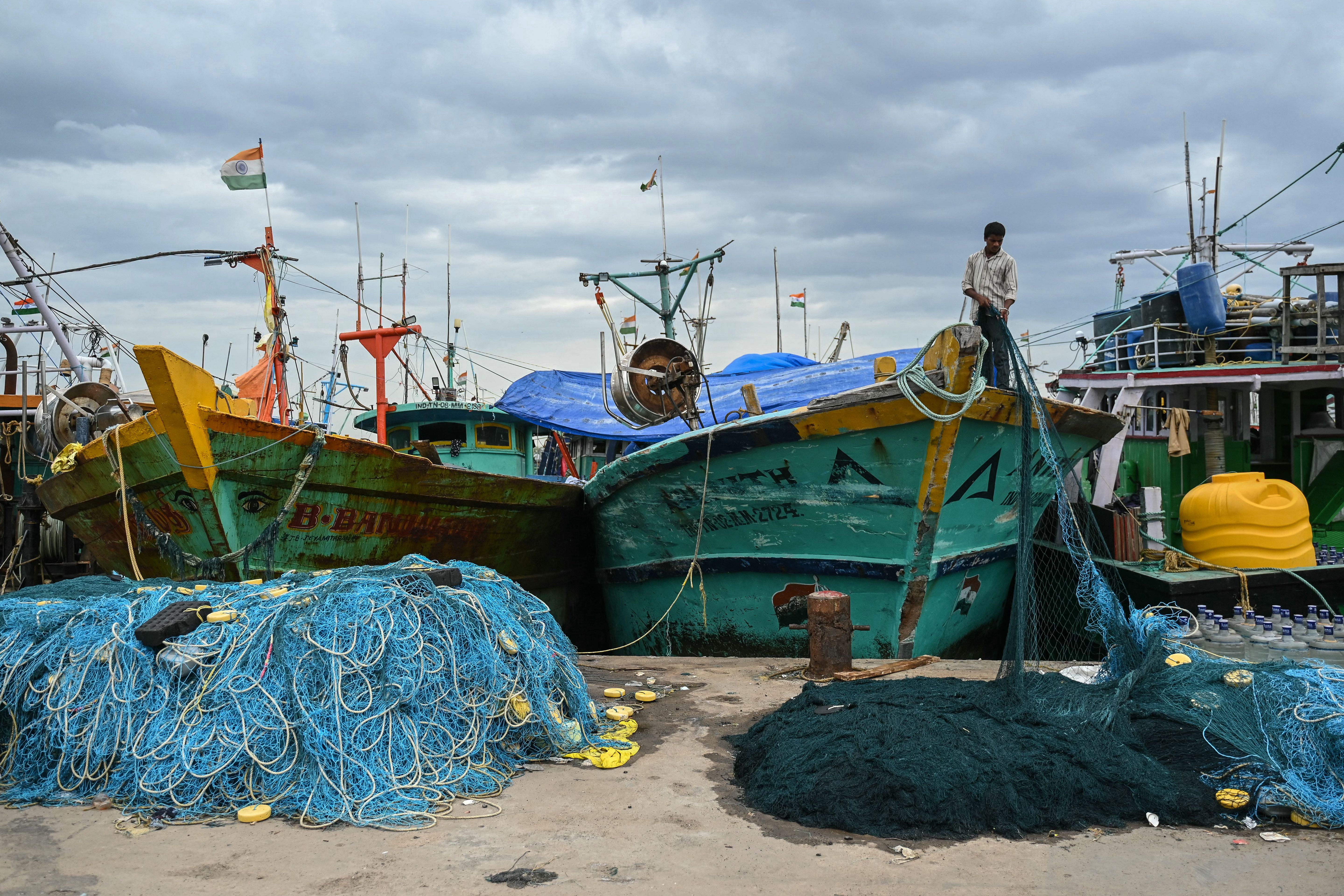
This article examines the scale and impact of Chinese IUU fishing operations globally and identifies the nature of the challenge posed by IUU fishing in the Indian Ocean Region (IOR). It also investigates why existing maritime law and international frameworks have struggled to address this growing threat.


Ajay Kumar, Charukeshi Bhatt