

Q&A
- +1
Amr Hamzawy, Andrew Leber, Eric Lob, …
{
  "authors": [
    "Marwan Muasher"
  ],
  "type": "legacyinthemedia",
  "centerAffiliationAll": "dc",
  "centers": [
    "Carnegie Endowment for International Peace",
    "Malcolm H. Kerr Carnegie Middle East Center"
  ],
  "collections": [
    "Arab Awakening"
  ],
  "englishNewsletterAll": "menaTransitions",
  "nonEnglishNewsletterAll": "",
  "primaryCenter": "Carnegie Endowment for International Peace",
  "programAffiliation": "MEP",
  "programs": [
    "Middle East"
  ],
  "projects": [],
  "regions": [
    "Middle East",
    "North Africa",
    "Egypt",
    "Gulf",
    "Levant",
    "Maghreb"
  ],
  "topics": [
    "Political Reform"
  ]
}
Source: Getty
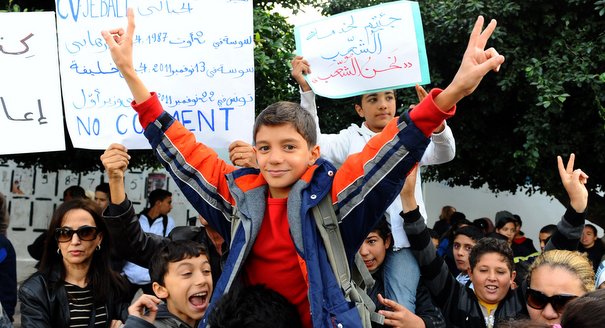
Both Islamist and secular forces should work together to guarantee the right of others to operate in a democratic system, even if they don’t agree with the other’s views.
Source: Voice of America
“No culture, no society can prosper without a culture of diversity,” said Carnegie’s Marwan Muasher, “and yet, that is not what we have seen, or are seeing, today [in the Middle East].” Speaking to Voice of America’s Press Conference USA about his new book, The Second Arab Awakening and the Battle for Pluralism, Muasher said the region has not been living in a culture of democracy and diversity, and therefore, it did not have institutions capable of filling the void and vacuum that appeared as a result of the revolutions.
Muasher contended that the Middle East is seeing exclusionary forces, both Islamist and secular, engaging in a winner-take-all strategy in the Arab world. “As long as this remains a zero-sum game between Islamists and the secular elements in society, I’ve argued that the sum with be zero,” he said. He maintained that both forces should work to guarantee the right for others to operate in such a system, even if they don’t agree with their views—until that is done, Muasher said, the Arab world will be mired in conflicts, without putting in the necessary foundations for democracy.
This interview was originally broadcast on Voice of America.

Vice President for Studies
Marwan Muasher is vice president for studies at Carnegie, where he oversees research in Washington and Beirut on the Middle East. Muasher served as foreign minister (2002–2004) and deputy prime minister (2004–2005) of Jordan, and his career has spanned the areas of diplomacy, development, civil society, and communications.
Recent Work



Amr Hamzawy, Andrew Leber, Eric Lob, …
Marwan Muasher
Carnegie India does not take institutional positions on public policy issues; the views represented herein are those of the author(s) and do not necessarily reflect the views of Carnegie, its staff, or its trustees.

A partnership between India, a country of subcontinental size, and Africa, a continent of fifty-four countries, may seem asymmetric until one notes that both are home to nearly the same number of people—1.4 billion. This essay spells out the existing challenges to the partnership, its optimal potential, and the possible pathways to realize it over the next quarter-century.

Rajiv Bhatia

An Israeli response to Iran’s October 1 attack is imminent. The key question is of its intensity and potential fallout, both within Iran, in terms of nuclear security policy changes, and across the broader region. The coming days are likely to reshape West Asia irreversibly.
Gaddam Dharmendra

As India’s economy recovers from the coronavirus pandemic, Indian businesses need efficient financial structures to regain their ground. Key reforms to India’s Insolvency and Bankruptcy Code could fill these gaps.

Anirudh Burman

Access to cross-border data is an integral piece of the law enforcement puzzle. India is well placed to lead the discussions on international data agreements subject to undertaking necessary surveillance reforms.
Smriti Parsheera, Prateek Jha
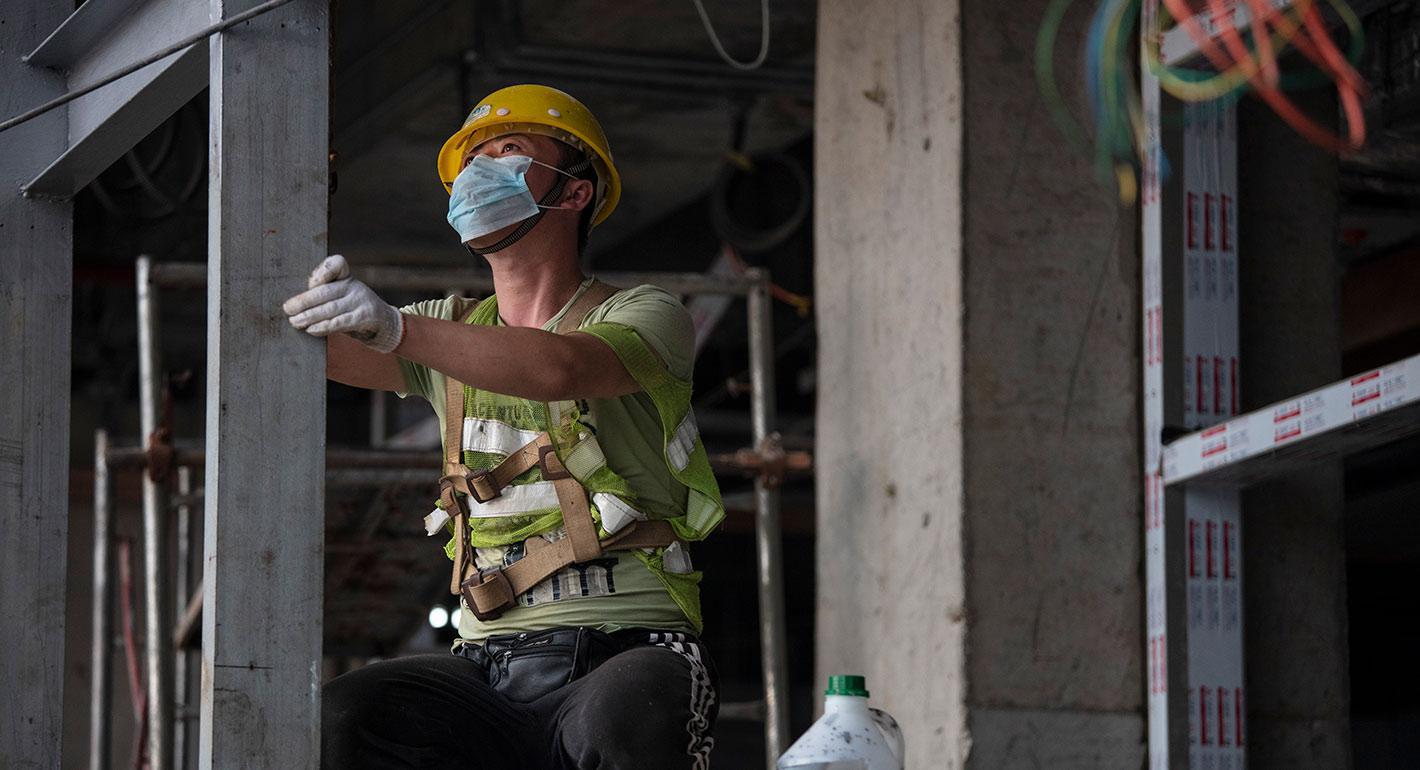
After the coronavirus pandemic wanes, how will China’s reorientation of the Belt and Road Initiative to address global health concerns influence its relationships with South Asian countries?
Deep Pal, Rahul Bhatia