

Q&A
- +1
Amr Hamzawy, Andrew Leber, Eric Lob, …
{
  "authors": [
    "Marwan Muasher"
  ],
  "type": "legacyinthemedia",
  "centerAffiliationAll": "dc",
  "centers": [
    "Carnegie Endowment for International Peace",
    "Malcolm H. Kerr Carnegie Middle East Center"
  ],
  "collections": [
    "Arab Awakening"
  ],
  "englishNewsletterAll": "menaTransitions",
  "nonEnglishNewsletterAll": "",
  "primaryCenter": "Carnegie Endowment for International Peace",
  "programAffiliation": "MEP",
  "programs": [
    "Middle East"
  ],
  "projects": [],
  "regions": [
    "Middle East",
    "North Africa",
    "Egypt",
    "Levant",
    "Maghreb"
  ],
  "topics": [
    "Political Reform"
  ]
}
Source: Getty
Inclusiveness is the only route to stability. With the right approach, any country can succeed in building a better future.
Source: Project Syndicate
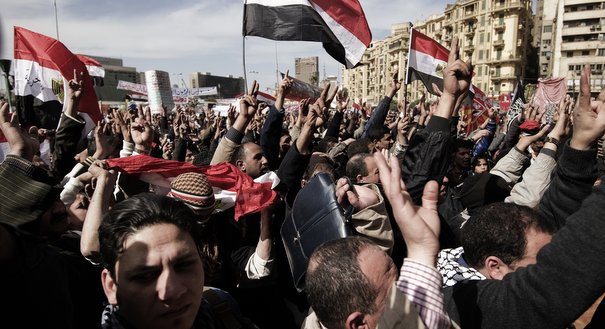
When the Arab awakening began in 2011, its primary goal should have been to advance pluralism and democracy – causes that were neglected in the Arab world’s first, anti-colonial awakening in the twentieth century. But, after three years of struggle, the process has only just begun. Will the second Arab awakening finally achieve its goals?
The answer depends on which of three models Arab countries use to guide their transition: an inclusive, far-sighted model that aims to build consensus; a winner-take-all approach that excludes large segments of the population; or a stop-at-nothing approach focused on regime survival. These models reflect the vast differences among Arab countries’ current circumstances and prospects for the future.
The strongest example of the inclusive model is Tunisia, where former opponents have formed a coalition government, without military interference. Of course, the process was not easy. But, after a tense struggle, Tunisians recognized that cooperation was the only way forward.In February, Tunisia adopted the Arab world’s most progressive constitution, which establishes equality between men and women, provides for peaceful alternation of government, and recognizes the right of citizens to be without religious belief – an unprecedented move in the region, supported by both Islamist and secular forces. Tunisia’s experience embodies the commitment to pluralism and democracy for which the second Arab awakening stands.
Fortunately, Tunisia is not alone in following this path. Both Yemen and Morocco have undertaken a relatively inclusive political process, with Yemen pursuing a national dialogue and Morocco forming a coalition government.
But this model had failed to take hold in several other countries. Consider Egypt, which has been pursuing the second, exclusionary approach, with all parties believing that they have a monopoly on the truth and thus can ignore or suppress their opponents. Egypt’s Islamists, led by the Muslim Brotherhood, adopted this philosophy while they were in power; the secular forces that ousted them in last July’s military coup are now taking the same approach.
In short, Egyptian politics has become a zero-sum game – and the sum has truly been zero. The country remains plagued by security threats, economic chaos, and political instability – problems of such a scale that neither camp can solve them alone. If leaders on both sides do not begin to work together, Egypt’s awakening will remain a distant dream, with ordinary citizens suffering the social and economic consequences.
But it is the third approach – exemplified by Syria – that is the most destructive. President Bashar al-Assad’s regime will stop at nothing to win what has become a game of survival. Meanwhile, the opposition remains fragmented, leaving a security vacuum that radical groups – made up largely of foreign fighters – have been exploiting. The result has been a horrific civil war, which has already led to at least 150,000 deaths and forced millions to flee their homes, with no end in sight.
The stark differences between these three models and their outcomes offer a clear lesson: inclusiveness is the only route to stability. With the right approach, any country can succeed in building a better future.
Of course, the path taken by the second Arab awakening has not been defined entirely by national boundaries. Long-held taboos have been eased throughout the Arab world. Specifically, the two forces that have long dominated the political scene – secular, often military or military-backed rulers, and the religious opposition – have lost their unassailable status; today, they are increasingly subject to the kind of criticism that characterizes democratic systems. In many Arab countries, it is even acceptable to be a liberal.
But, while the rigid social systems that long impeded progress have broken down in many Arab countries over the last three years, with liberalism becoming a more acceptable worldview, the experiences of Egypt and Syria demonstrate that the goals of the second Arab awakening are not universally shared. Old rivalries, ideological preoccupations, and unproductive habits continue to block efforts to find real solutions to socioeconomic problems.
Arab societies deserve better. As Tunisia has shown, if they embrace the politics of pluralism and inclusiveness, they will get it.

Vice President for Studies
Marwan Muasher is vice president for studies at Carnegie, where he oversees research in Washington and Beirut on the Middle East. Muasher served as foreign minister (2002–2004) and deputy prime minister (2004–2005) of Jordan, and his career has spanned the areas of diplomacy, development, civil society, and communications.
Recent Work



Amr Hamzawy, Andrew Leber, Eric Lob, …
Marwan Muasher
Carnegie India does not take institutional positions on public policy issues; the views represented herein are those of the author(s) and do not necessarily reflect the views of Carnegie, its staff, or its trustees.

A partnership between India, a country of subcontinental size, and Africa, a continent of fifty-four countries, may seem asymmetric until one notes that both are home to nearly the same number of people—1.4 billion. This essay spells out the existing challenges to the partnership, its optimal potential, and the possible pathways to realize it over the next quarter-century.

Rajiv Bhatia
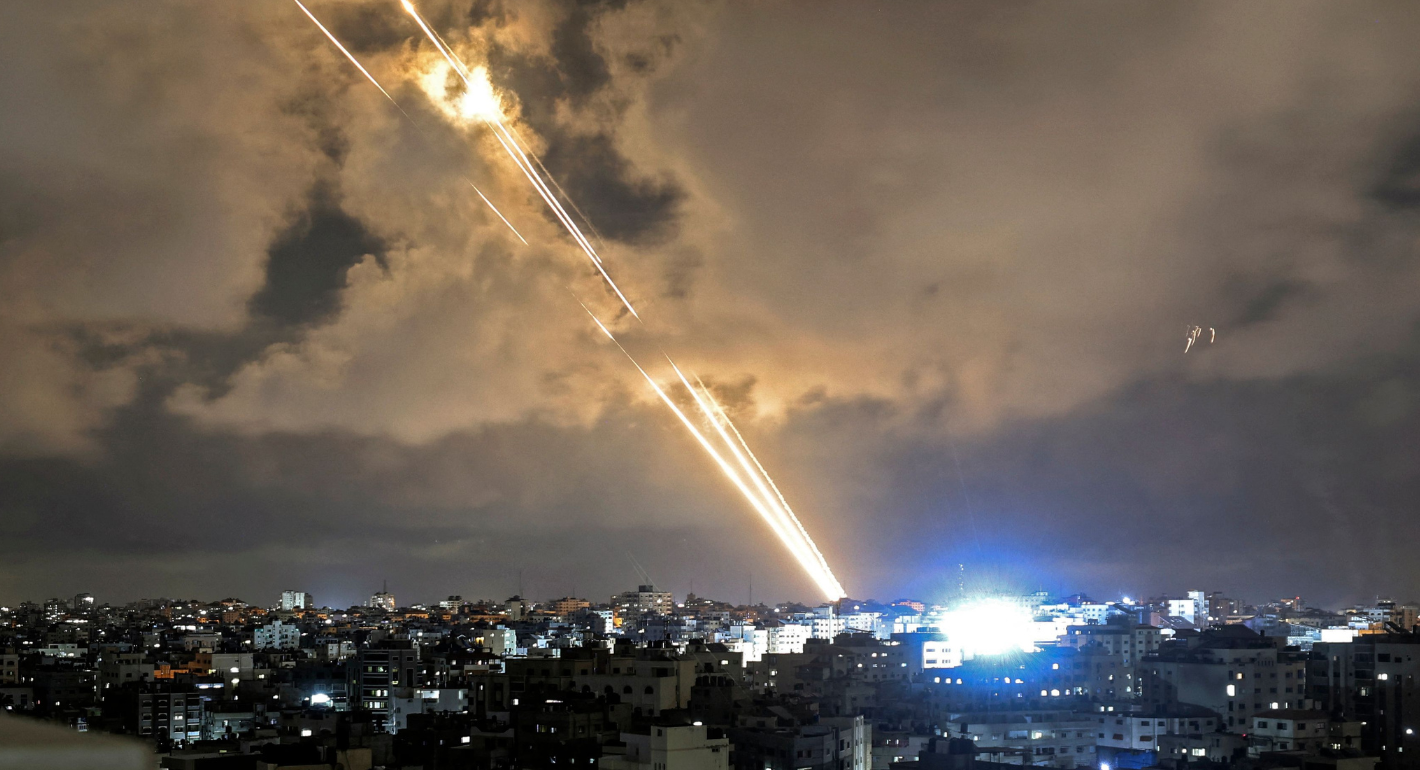
An Israeli response to Iran’s October 1 attack is imminent. The key question is of its intensity and potential fallout, both within Iran, in terms of nuclear security policy changes, and across the broader region. The coming days are likely to reshape West Asia irreversibly.
Gaddam Dharmendra
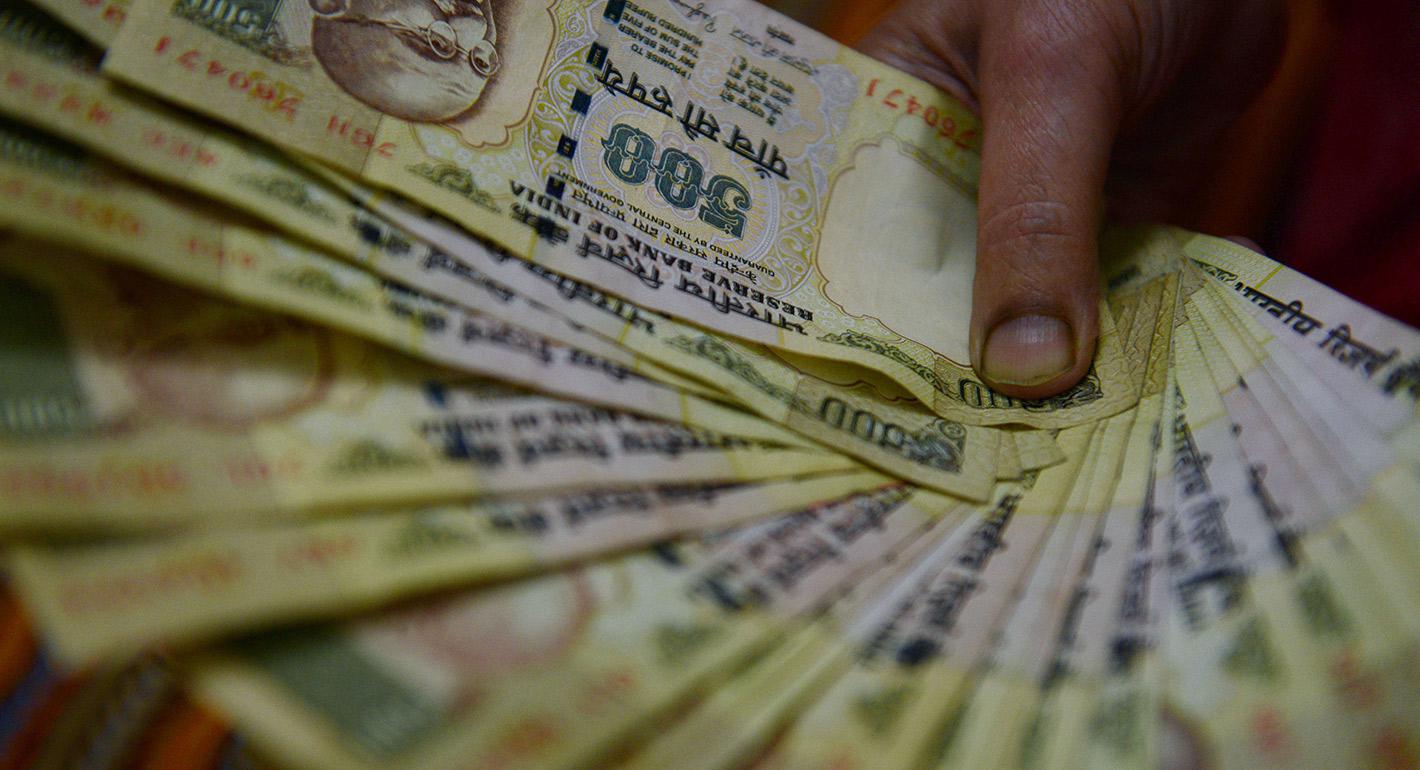
As India’s economy recovers from the coronavirus pandemic, Indian businesses need efficient financial structures to regain their ground. Key reforms to India’s Insolvency and Bankruptcy Code could fill these gaps.
Anirudh Burman

Access to cross-border data is an integral piece of the law enforcement puzzle. India is well placed to lead the discussions on international data agreements subject to undertaking necessary surveillance reforms.
Smriti Parsheera, Prateek Jha
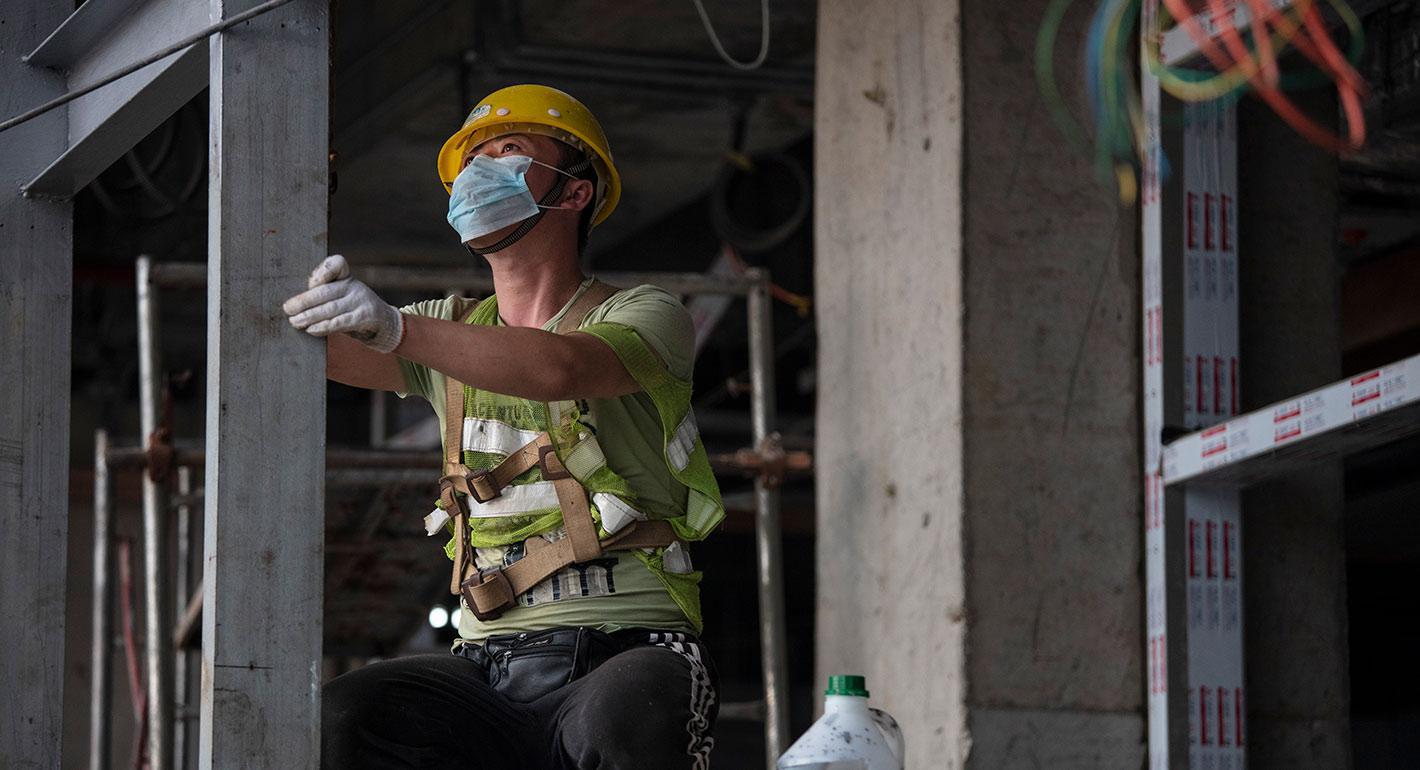
After the coronavirus pandemic wanes, how will China’s reorientation of the Belt and Road Initiative to address global health concerns influence its relationships with South Asian countries?
Deep Pal, Rahul Bhatia