• Research
  • About
  • Experts
Carnegie India logoCarnegie lettermark logo
AI
{
  "authors": [
    "Lina Khatib",
    "Martin Lidegaard",
    "Jean-Marie Guéhenno",
    "Steven Heydemann",
    "Hazem Kandil",
    "Ellen Lust",
    "Mohammed Hafez",
    "Rasmus Alenius Boserup",
    "Helle Malmvig",
    "Sune Haugbølle",
    "Jakob Wichmann"
  ],
  "type": "other",
  "centerAffiliationAll": "dc",
  "centers": [
    "Carnegie Endowment for International Peace",
    "Malcolm H. Kerr Carnegie Middle East Center"
  ],
  "collections": [],
  "englishNewsletterAll": "menaTransitions",
  "nonEnglishNewsletterAll": "",
  "primaryCenter": "Malcolm H. Kerr Carnegie Middle East Center",
  "programAffiliation": "MEP",
  "programs": [
    "Middle East"
  ],
  "projects": [],
  "regions": [
    "Egypt",
    "Gulf",
    "Levant",
    "Maghreb",
    "Middle East",
    "North Africa"
  ],
  "topics": [
    "Political Reform"
  ]
}

Source: Getty

Other
Malcolm H. Kerr Carnegie Middle East Center

Engaging With an Arab World in Crisis

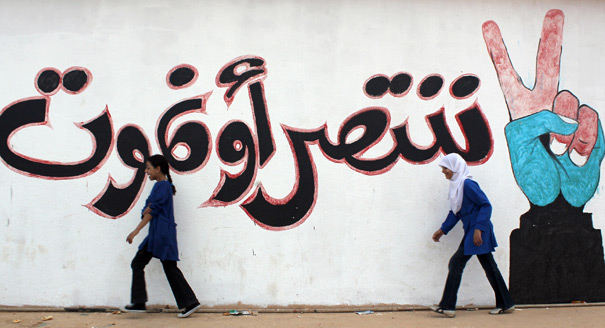
Almost four years later, the opportunity for political transition in the Middle East and North Africa seems to have narrowed.

Link Copied
By Lina Khatib, Martin Lidegaard, Jean-Marie Guéhenno, Steven Heydemann, Hazem Kandil, Ellen Lust, Mohammed Hafez, Rasmus Alenius Boserup, Helle Malmvig, Sune Haugbølle, Jakob Wichmann
Published on Dec 1, 2014

Source: Danish Institute for International Studies

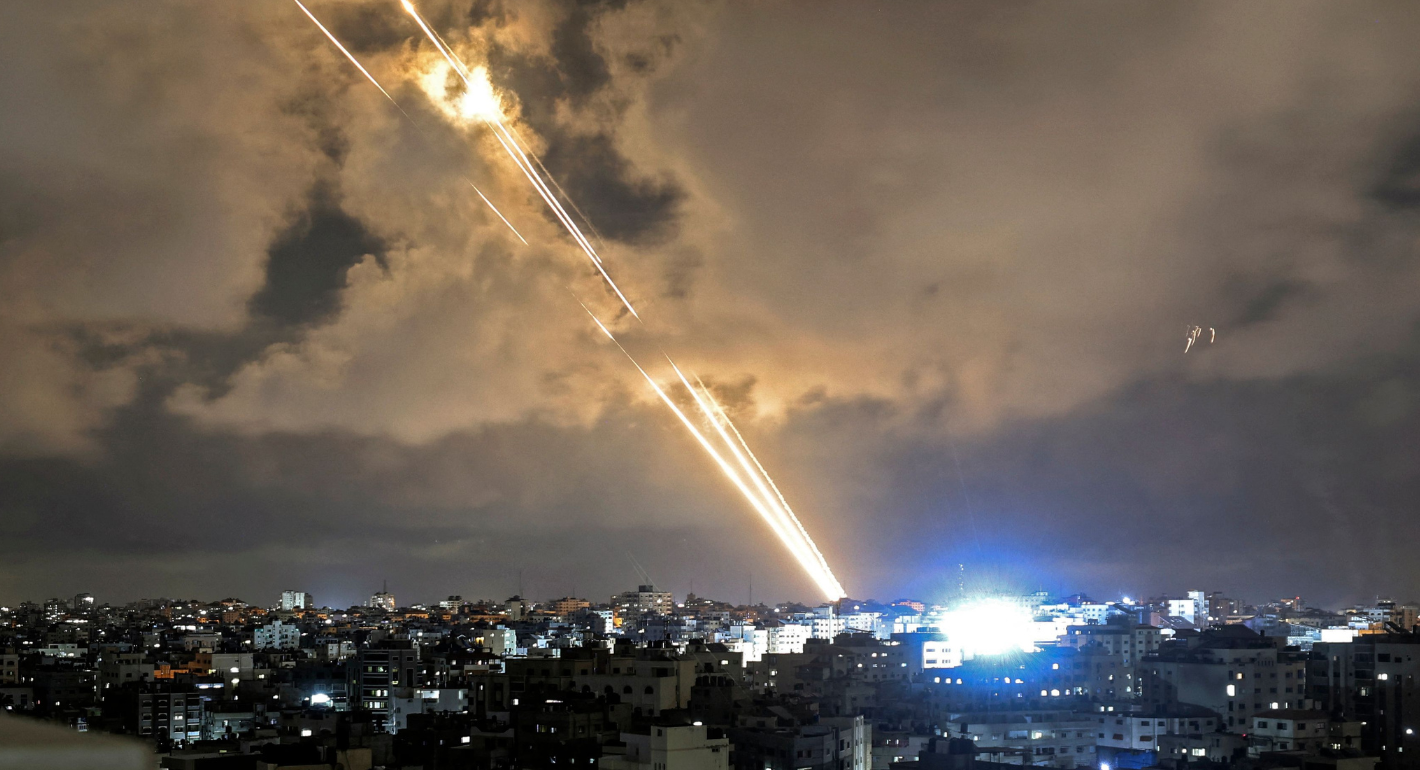
When the Arab Revolts broke out in late 2010 and early 2011, observers and policymakers cheered the arrival of an opportunity, however fragile and uncertain, for generating political change in a region that for decades had hosted the world’s most enduring authoritarian regimes.

Almost four years later, the opportunity for political transition seems to have narrowed. With a few but important exceptions such as Tunisia, authoritarian regime practices have been restored, regional competition has increased, contentious politics have been militarized, and in some cases the political arenas have disintegrated.

These recent developments not only present decisionmakers in the Arab region with an unprecedented political and social crisis. They also force international actors to reconsider their policy preferences and alliance-buildings, and may prompt immediate security concerns to trump the long-term political development goals that were identified in the early days of the “Arab Spring.”

The Danish Institute for International Studies organized an international conference and hosted Carnegie’s Lina Khatib to discuss recent developments in the Arab region and how Denmark and its partners may best engage with the region in the future.

The conference was originally organized and published by the Danish Institute for International Studies, in collaboration with JMW Consulting and funded by the Ministry of Foreign Affairs of Denmark.

About the Authors

Lina Khatib

Former Director, Middle East Center

Khatib was director of the Carnegie Middle East Center in Beirut. Previously, she was the co-founding head of the Program on Arab Reform and Democracy at Stanford University’s Center on Democracy, Development, and the Rule of Law.

Martin Lidegaard

Jean-Marie Guéhenno

Jean-Marie Guéhenno is the president and CEO of the International Crisis Group. A former French diplomat, he served as the United Nations’ under secretary general for peacekeeping operations from 2000 to 2008.

Steven Heydemann

Hazem Kandil

Ellen Lust

Mohammed Hafez

Rasmus Alenius Boserup

Helle Malmvig

Sune Haugbølle

Jakob Wichmann

Authors

Lina Khatib
Former Director, Middle East Center
Martin Lidegaard
Jean-Marie Guéhenno

Jean-Marie Guéhenno is the president and CEO of the International Crisis Group. A former French diplomat, he served as the United Nations’ under secretary general for peacekeeping operations from 2000 to 2008.

Steven Heydemann
Hazem Kandil
Ellen Lust
Mohammed Hafez
Rasmus Alenius Boserup
Helle Malmvig
Sune Haugbølle
Jakob Wichmann
Political ReformEgyptGulfLevantMaghrebMiddle EastNorth Africa

Carnegie India does not take institutional positions on public policy issues; the views represented herein are those of the author(s) and do not necessarily reflect the views of Carnegie, its staff, or its trustees.

More Work from Carnegie India

  • Article
    Risk and Retaliation: Israel, Iran, and the Evolving Situation in West Asia

    An Israeli response to Iran’s October 1 attack is imminent. The key question is of its intensity and potential fallout, both within Iran, in terms of nuclear security policy changes, and across the broader region. The coming days are likely to reshape West Asia irreversibly.

      Gaddam Dharmendra

  • Paper
    India’s Sustained Economic Recovery Will Require Changes to Its Bankruptcy Law

    As India’s economy recovers from the coronavirus pandemic, Indian businesses need efficient financial structures to regain their ground. Key reforms to India’s Insolvency and Bankruptcy Code could fill these gaps.

      Anirudh Burman

  • Paper
    Cross-Border Data Access for Law Enforcement: What Are India’s Strategic Options?

    Access to cross-border data is an integral piece of the law enforcement puzzle. India is well placed to lead the discussions on international data agreements subject to undertaking necessary surveillance reforms.

      Smriti Parsheera, Prateek Jha

  • Article
    The BRI in Post-Coronavirus South Asia

    After the coronavirus pandemic wanes, how will China’s reorientation of the Belt and Road Initiative to address global health concerns influence its relationships with South Asian countries?

      Deep Pal, Rahul Bhatia

  • Commentary
    India’s Unheeded Coronavirus Warning

    Early in the outbreak, government researchers forecast several high-risk scenarios that were downplayed or ignored in public messaging.

      Gautam I. Menon

Get more news and analysis from
Carnegie India
Carnegie India logo, white
Unit C-4, 5, 6, EdenparkShaheed Jeet Singh MargNew Delhi – 110016, IndiaPhone: 011-40078687
  • Research
  • About
  • Experts
  • Projects
  • Events
  • Contact
  • Careers
  • Privacy
  • For Media
Get more news and analysis from
Carnegie India
© 2026 Carnegie Endowment for International Peace. All rights reserved.