

Article
- +1
Toby Dalton, Mark Hibbs, Nicole Grajewski, …
{
  "authors": [
    "Mark Hibbs"
  ],
  "type": "legacyinthemedia",
  "centerAffiliationAll": "dc",
  "centers": [
    "Carnegie Endowment for International Peace",
    "Malcolm H. Kerr Carnegie Middle East Center"
  ],
  "collections": [
    "Iranian Proliferation"
  ],
  "englishNewsletterAll": "ctw",
  "nonEnglishNewsletterAll": "",
  "primaryCenter": "Carnegie Endowment for International Peace",
  "programAffiliation": "NPP",
  "programs": [
    "Nuclear Policy"
  ],
  "projects": [],
  "regions": [
    "Middle East",
    "Iran",
    "Türkiye"
  ],
  "topics": [
    "Political Reform",
    "Security",
    "Nuclear Policy"
  ]
}
Source: Getty
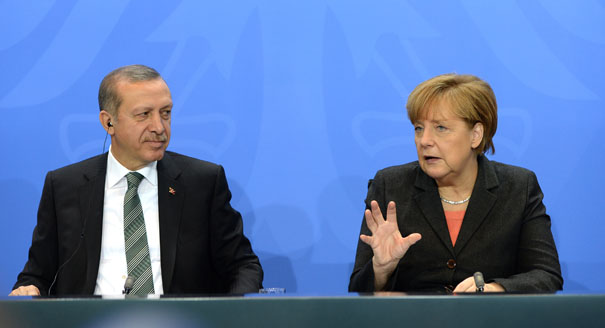
Why on earth would Turkey prevent a NATO ally from prosecuting a suspected Iranian nuclear smuggler who had been arrested in Turkey?
Source: Arms Control Wonk
Why on earth would Turkey prevent a NATO ally from prosecuting a suspected Iranian nuclear smuggler who had been arrested in Turkey? Police found that companies Hossein Tanideh controlled were used to camouflage exports of German goods to Iran in violation of a United Nations Security Council embargo on assistance to an Iranian reactor that could make weapons-grade plutonium.
When this mini-drama began unfolding in mid-2013 between Germany and Turkey over the fate of Tanideh, an Iranian government procurement agent who landed in pre-trial detention in Istanbul in January 2013, officials from one NATO country government told me, “we didn’t understand why sending [Tanideh] to Germany was causing so much trouble for Turkey.” Turkey finally instead released Tanideh from custody, and last month I gave some tentative answers here to explain why that happened, concerning a closely-held intelligence-sharing relationship between Turkey and Iran.
Since then, Turkish interlocutors have confirmed to me that Ankara last year permitted Tanideh to flee to Iran, and also that that decision followed from the ruling Justice and Development Party (AKP)’s evolving and complex relationship with the Iranian regime.But I was also told three weeks ago that in 2013 and 2014 Prime Minister Recep Tayyip Erdogan, now Turkey’s President, was not inclined to cooperate with Germany in light of longstanding Turkish grievances over German reluctance to hunt down members of the Kurdistan Workers’ Party (PKK)–a Marxist-Leninist resistance group that Germany, the European Union, and the United States have all listed as a terrorist organization.
A primer on what the PKK means for Turkish security was published last week by Sinan Ulgen’s EDAM research group and can be found on pp. 26-27 of this report. It explains why Turkey for decades has sought cooperation from foreign governments to criminalize PKK activities and prosecute and extradite PKK activists and leaders.
A major focus of Turkey’s attention has been Germany, which is home to an ethnic Kurdish population of perhaps 800,000 people, including suspects whom Turkey wants repatriated for trial as terrorists and/or criminals.
For Germany, far from serving as an opportunity to cement German-Turkish bilateral ties, cooperation with Turkey in pursuing the PKK has been a recurring migraine. When Germany listed the PKK in 1993, it had already been granting political asylum to increasing numbers of Kurds fleeing for a decade from turmoil and official repression in Iran, Iraq, and Turkey. Again and again, for over 30 years, Turkish extradition requests for suspects it identified as PKK terrorists ran aground on generous German asylum rules and concerns–especially in left-leaning German state governments–that PKK suspects would be prosecuted in Turkey for manifestly “political” charges, and that the accused might be maltreated or tortured. (Under Germany’s constitution, the states are responsible for law enforcement.)
In 2007, Turkish law enforcement officials complained that, regardless of scores of requests for judicial assistance from Germany, only three PKK suspects were ever extradited to Turkey for prosecution over twenty years. In fact, German prosecutors periodically dismissed extradition requests for suspects Turkey aimed to charge with the crime of ”contravening the unity of Turkey” and also in cases when they believed that suspects would not get a fair trial. In numerous cases, German judges objected that Turkish extradition requests were not substantiated by any evidence beyond allegations published in Turkish media reports. On the other side of the ledger, German officials have disclosed to foreign counterparts that some German judges appear to believe that the PKK represents the legitimate interests of Kurds in Turkey.
In recent years, Turkey’s AKP rulers have abandoned their all-out attack on the PKK for a strategy aiming at an accommodation with Turkey’s Kurdish minority. That change, however, has not appreciably reduced tensions with foreign governments over extradition requests. In 2013, assassins who might have been Turkish nationalists gunned down a Kurdish separatist in Paris two years after Germany refused to extradite her to Turkey. Experts in Turkey last month said that efforts by Ankara to have PKK suspects extradited and put on trial have continued in parallel with Erdogan’s conviction that Bashar al-Assad in Syria is harboring PKK extremists.
Hakan Fidan, the Erdogan confidant and intelligence chief whom NATO-country sources in 2014 told me was instrumental in Turkey’s decision to set Tanideh free, has also been a key player in Erdogan’s attempted rapprochement with the PKK. While talking with imprisoned PKK leader Abdullah Ocalan, Turkey at the same time wants to combat the PKK to make it a more pliant negotiating partner.
Turkey, meanwhile, is keeping eyes peeled for any signs that Germany might decriminalize the PKK. Last month Germany’s ex-communist Left party formally proposed delisting the PKK in Germany and the EU. Angela Merkel’s ruling coalition however is not inclined.
For its part, Germany has accumulated some experience in extradition cases having nuclear proliferation dimensions. During the 1990s, Germany requested that Brazil extradite knowledgeable German centrifuge engineers from the Urenco uranium enrichment program to Germany. Brazil balked–as German prosecutors likewise did on Turkish requests–by raising objections that Germany’s intention to charge these suspects with treason for having betrayed Germany’s deepest industrial secrets to Iraq was a “political” offense and not a crime.
Iran is a player: A number of factors may together have prompted Turkey’s denial of extradition in the Tanideh case. The fact that Turkey did not exercise the option of prosecuting Tanideh in Turkey suggests that the most direct explanation for Turkey’s actions would be its considerations about Turkey’s relationship with Iran.
“Minimalist” approach: Frustration over German unwillingness to extradite alleged PKK terrorists may well have encouraged Turkey not to honor Germany’s own extradition request in 2013. If so, Turkey’s actions would be consistent with what some NATO-country officials describe as a consistently “minimalist” approach by the AKP to a panoply of nuclear and security issues of concern to Western countries, where other, unrelated issues are factored into decision-making. In this regard, some experts also mention Turkish opposition to efforts by some NATO countries in recent years to formally list Iran as a security threat to the alliance.
Threat perception and opportunism: Since the 1990s, nuclear security and nuclear nonproliferation have become increasingly high priorities for Western countries. Western governments have accordingly urged others to take positive nonproliferation actions on a voluntary basis. These include extradition of suspects in cases involving illicit and proliferating nuclear commerce. But governments that do not share equally acute nuclear threat perceptions will instead be guided by opportunism in considering requests for cooperation beyond their international legal obligations.
Sovereign sensitivities: Extradition is an area where, absent specific bilateral legal obligations, governments’ behavior frequently reflects the state of play in their bilateral relationships with countries requesting judicial cooperation. When Brazil and Turkey conclude that Western powers like Germany take their cooperation for granted or do not act on the basis of reciprocity, they may deny requests for extradition.
This blog post was originally published by Arms Control Wonk.

Nonresident Senior Fellow, Nuclear Policy Program
Hibbs is a Germany-based nonresident senior fellow in Carnegie’s Nuclear Policy Program. His areas of expertise are nuclear verification and safeguards, multilateral nuclear trade policy, international nuclear cooperation, and nonproliferation arrangements.
Recent Work


Toby Dalton, Mark Hibbs, Nicole Grajewski, …
Mark Hibbs
Carnegie India does not take institutional positions on public policy issues; the views represented herein are those of the author(s) and do not necessarily reflect the views of Carnegie, its staff, or its trustees.

In any defense establishment, change is an ongoing process. However, despite the best of intentions, existing bureaucracies, bound by habit and years of socialization, have their limits in implementing transformative change.

Anit Mukherjee

After the chill in ties between 2020 and 2024 that brought India–China relations to their lowest point in several decades, the two countries have engaged each other afresh. This paper argues that there are predominantly four imperatives guiding India’s approach to China, and they exist in an order of priority.

Saheb Singh Chadha

This piece argues that the present Indian strategy, based on opportunistic diversification and utilization of limited strategic reserves, remains inadequate when confronting supply disruptions. It evaluates India’s options in the short, medium, and long terms.

Vrinda Sahai

This piece examines India’s response to U.S. sanctions and tariffs, specifically assessing the immediate market consequences, such as alterations in import costs, and the broader strategic implications for India’s energy security and foreign policy orientation.
Vrinda Sahai
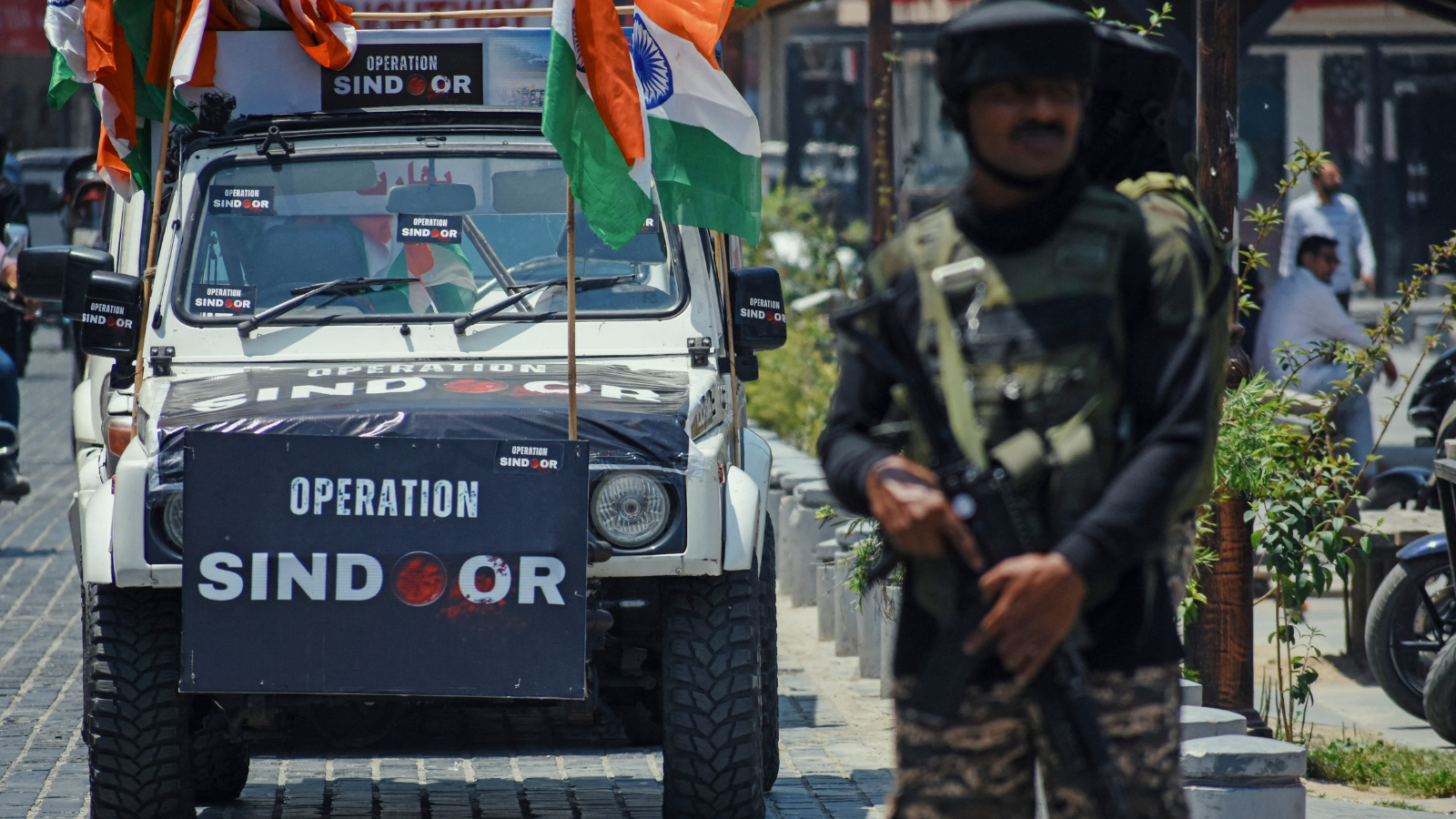
The India-Pakistan conflict that played out between May 6 and May 10, 2025, offers several military lessons. This article presents key takeaways from Operation Sindoor and breaks down how India’s preparations shaped the outcome and what more is needed to strengthen future readiness.

Dinakar Peri