

Commentary
Maha Yahya
{
  "authors": [
    "Maha Yahya"
  ],
  "type": "legacyinthemedia",
  "centerAffiliationAll": "dc",
  "centers": [
    "Carnegie Endowment for International Peace",
    "Malcolm H. Kerr Carnegie Middle East Center"
  ],
  "collections": [],
  "englishNewsletterAll": "menaTransitions",
  "nonEnglishNewsletterAll": "",
  "primaryCenter": "Malcolm H. Kerr Carnegie Middle East Center",
  "programAffiliation": "MEP",
  "programs": [
    "Middle East"
  ],
  "projects": [],
  "regions": [
    "Iran",
    "Levant",
    "Syria",
    "Iraq",
    "Middle East"
  ],
  "topics": [
    "Political Reform"
  ]
}
Source: Getty
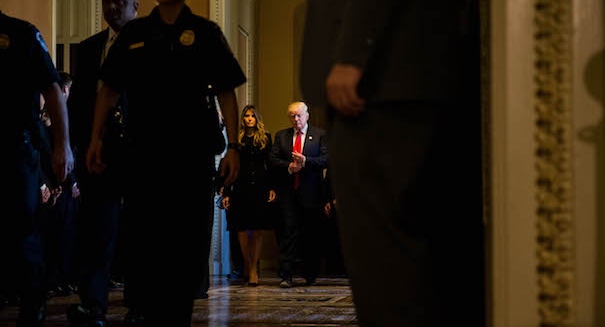
Trump's proposed heavy handed foreign policy could lead to a rise in radicalization globally.
Source: Al Jazeera
Carnegie Middle East Center's Director Maha Yahya joined Al Jazeera's Inside Story with Martine Dennis, alongside J.D. Gordon, national security and foreign policy adviser to Donald Trump, and Samer Shehata, associate professor of politics and international relations at the Doha Institute for Graduate Studies, to discuss US president-elect Donald Trump's stances on Syria, ISIL, and Iran. Yahya argued that Trump's proposed strategy of increased bombing of ISIL targets without regards to civilian lives is severely misguided and will only increase the threat of radicalization and terrorism globally. Yahya stated that eliminating ISIL means looking at the root causes of the group and working with the Iraqi government and US allies.
According to Yahya, rivalries between and the radicalization of Sunni and Shia communities and polarization between Saudi Arabia and Iran did not happen because strongmen in the region were removed but because how these strongmen ruled the region. She also noted that the US and its allies do have boots on the ground fighting ISIS. Maintaining Assad is not a viable solution for peace and could be fodder for more radicalization. Also Yahya pointed out that US-Russian cooperation should focus on local governance in Syria. On the topic of the Arab-Israeli conflict, Yahya argued that Trump's proposition to move the US embassy in Israel from Tel Aviv to Jerusalem and declare Jerusalem as the capital of Israel could spur a third intifada.

Director, Malcolm H. Kerr Carnegie Middle East Center
Maha Yahya is director of the Malcolm H. Kerr Carnegie Middle East Center, where her research focuses on citizenship, pluralism, and social justice in the aftermath of the Arab uprisings.
Recent Work
Maha Yahya
Maha Yahya
Carnegie India does not take institutional positions on public policy issues; the views represented herein are those of the author(s) and do not necessarily reflect the views of Carnegie, its staff, or its trustees.
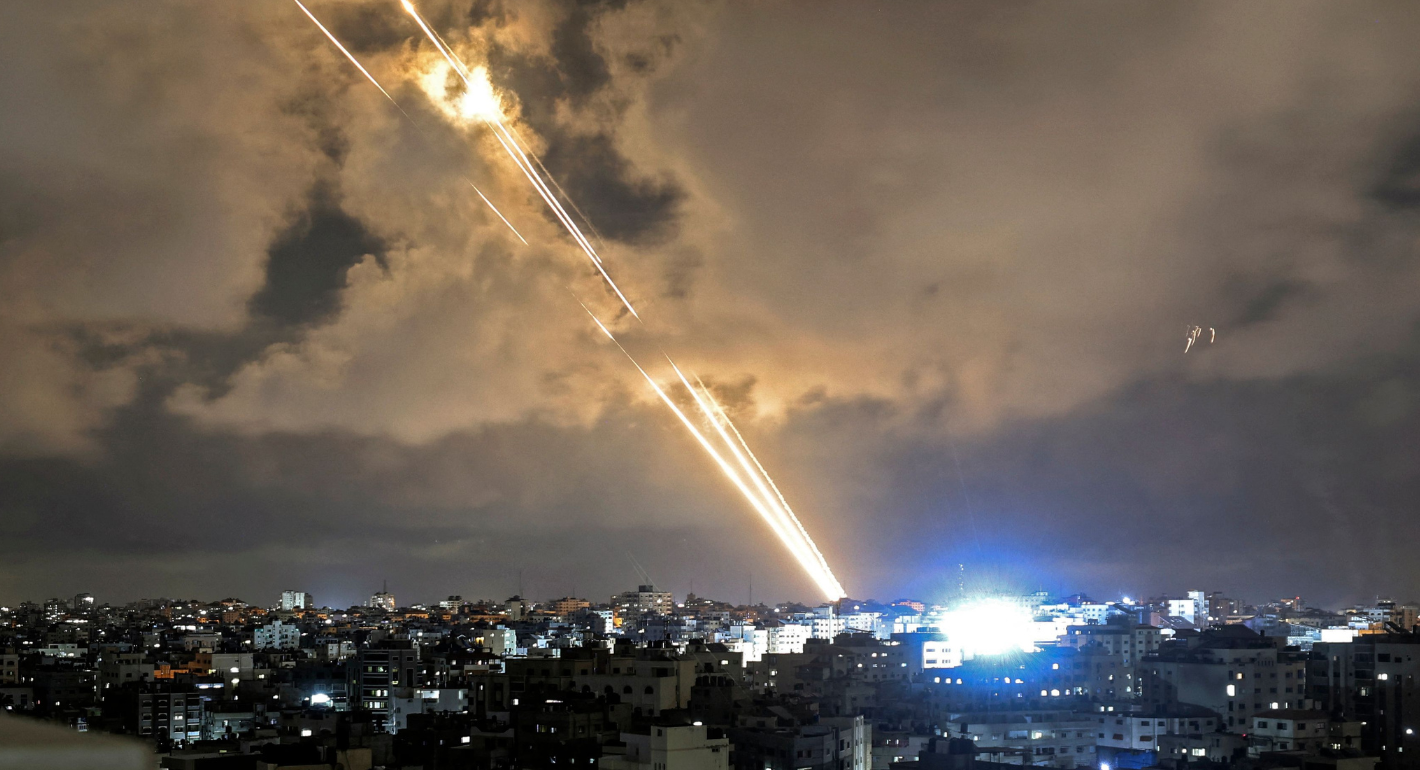
An Israeli response to Iran’s October 1 attack is imminent. The key question is of its intensity and potential fallout, both within Iran, in terms of nuclear security policy changes, and across the broader region. The coming days are likely to reshape West Asia irreversibly.
Gaddam Dharmendra
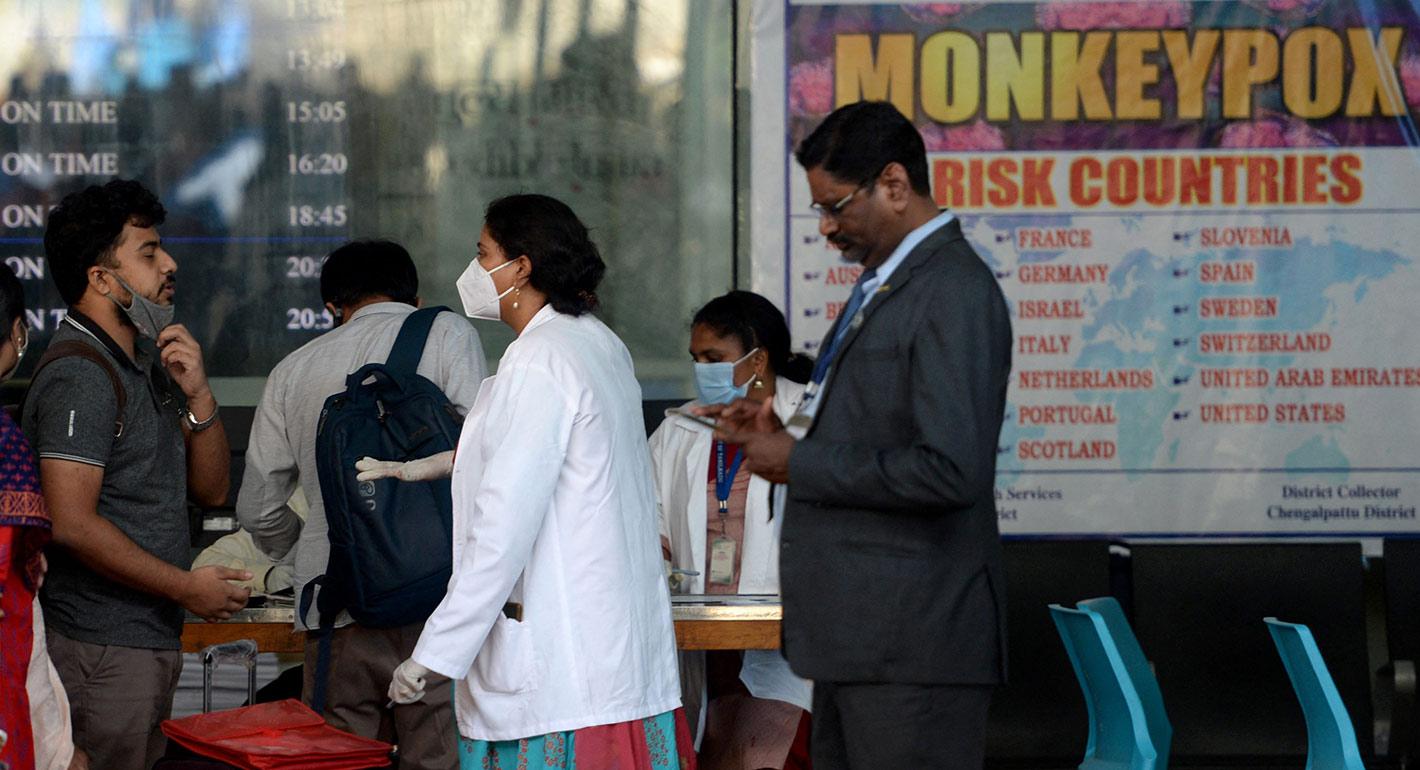
With monkeypox being declared a global health emergency, the WHO approach is an innovative and effective way to curb outbreaks of zoonotic diseases.
Shruti Sharma
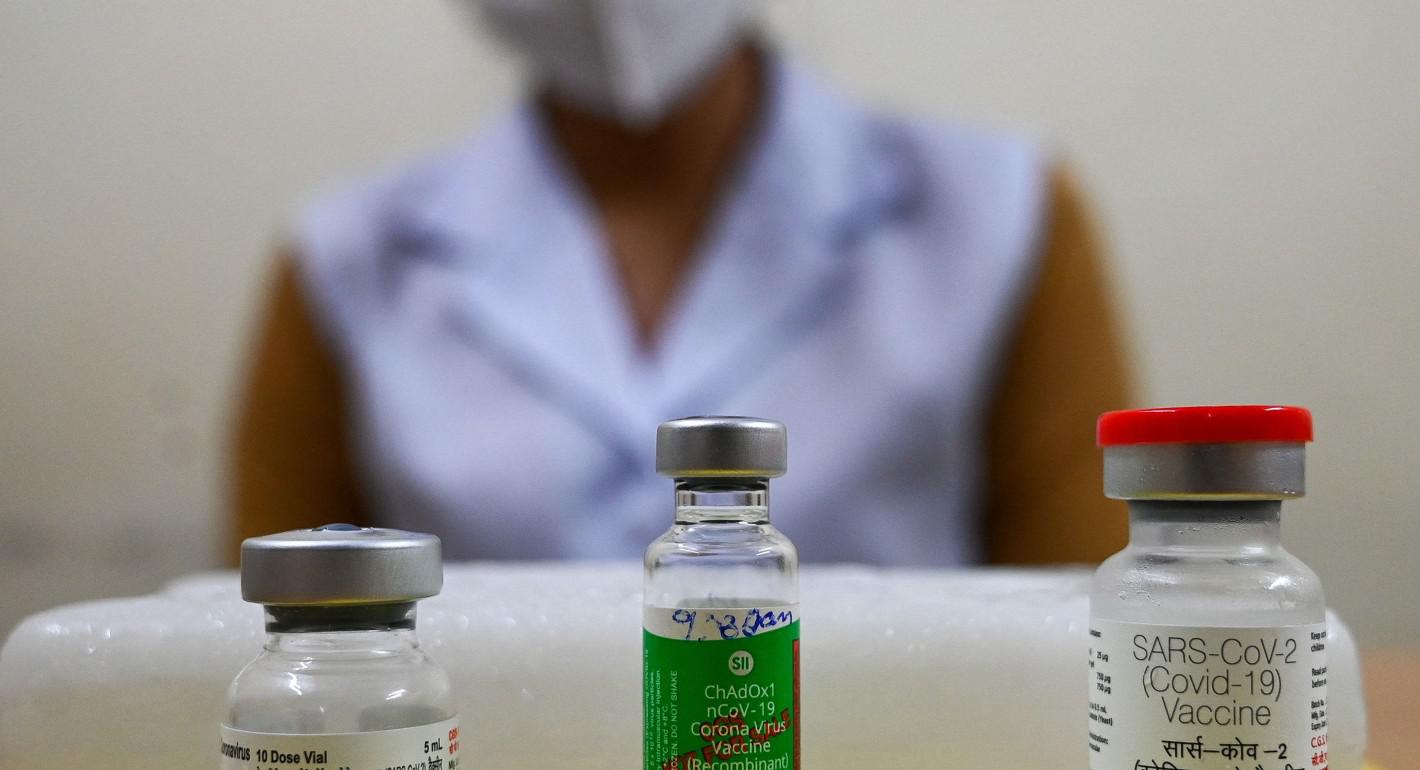
In India, biotechnology has played an important role in helping stakeholders in academia, industry, and government develop new pandemic-related technology, from test kits to respiratory devices. But these biotechnology advancements can go further to strengthen India’s public health capacity.
Shruti Sharma
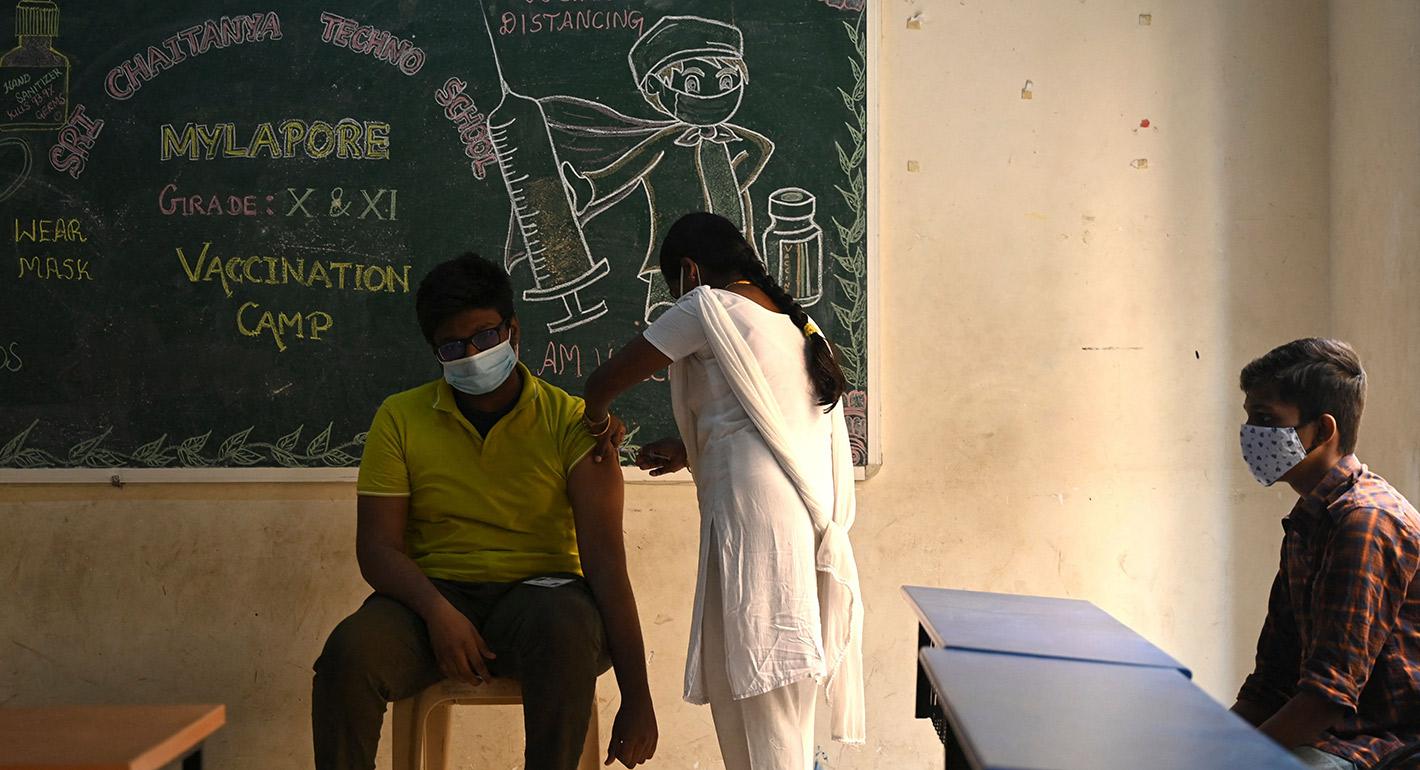
Unless the government can up its communications game, anti-vax movements could prolong India’s pandemic effects.
Shruti Sharma
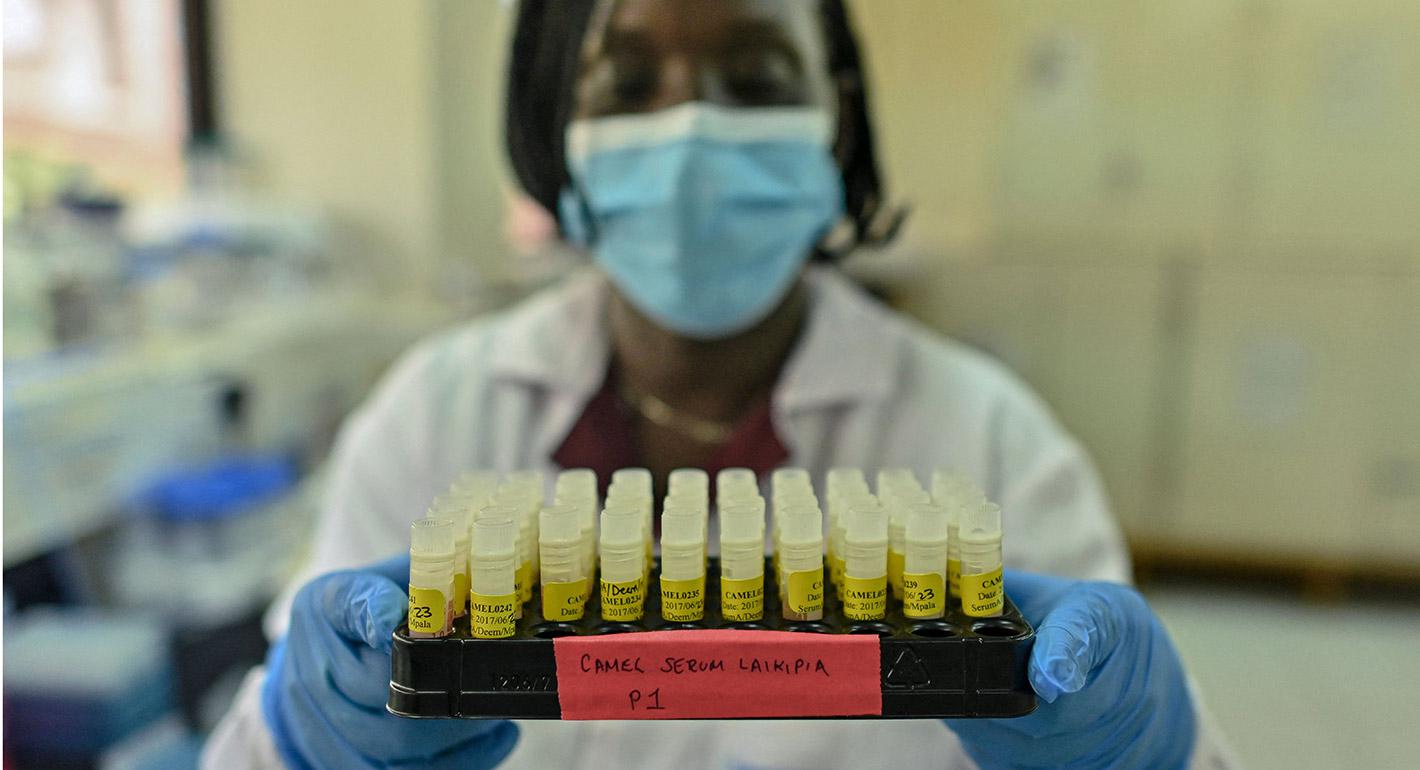
The uncertain origin of the coronavirus has focused attention on gain-of-function research—studying viruses to learn how they spread. How can countries work together to ensure stringent safety standards?
Shruti Sharma