

Commentary
Kheder Khaddour
{
  "authors": [
    "Kheder Khaddour"
  ],
  "type": "legacyinthemedia",
  "centerAffiliationAll": "dc",
  "centers": [
    "Carnegie Endowment for International Peace",
    "Malcolm H. Kerr Carnegie Middle East Center"
  ],
  "collections": [],
  "englishNewsletterAll": "menaTransitions",
  "nonEnglishNewsletterAll": "",
  "primaryCenter": "Malcolm H. Kerr Carnegie Middle East Center",
  "programAffiliation": "MEP",
  "programs": [
    "Middle East"
  ],
  "projects": [],
  "regions": [
    "Levant",
    "Syria",
    "Middle East"
  ],
  "topics": [
    "Political Reform"
  ]
}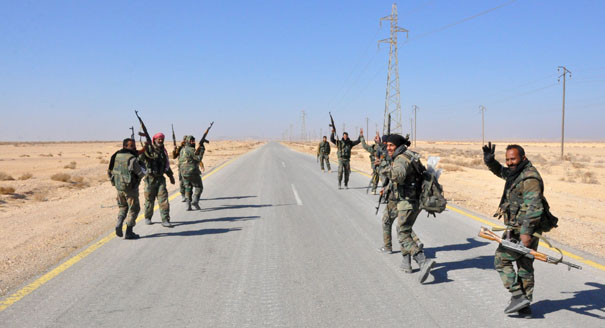
Source: Getty
The Syrian army remains a fundamental factor for the survival of the Syrian regime.
Source: The Syrian Observer
Kheder Khaddour, a Syrian scholar, tells The Syrian Observer that the Syrian army should not only be evaluated for its fighting capabilities, which are arguably very weak. Rather, decades of corruption within its ranks have created networks of patronage that have provided a very efficient alternative chain of command, which has helped the regime adapt quickly to the changing dynamics, in particular through the creation of paramilitary groups.
When the uprising and then armed conflict broke out in 2011, the Syrian army was hardly combat ready, having been crippled by decades of corruption through various networks of patronage and nepotism.
However, the paradox is that these same networks that had weakened the army’s ability to fight, morphed, post-2011, into a parallel chain of command that was much more efficient and responsive than the official army structures. This helped strengthen the regime’s grip over the officer corps and facilitate the creation of paramilitary forces, in turn allowing the regime to adapt quickly to the changing dynamics of the conflict and entrench itself in territories critical to its survival.
If evaluated for its conventional fighting ability, the Syrian Army is weak, but in the current conflict it remains relevant and central to the regime’s survival through its investment in various functions other than direct combat.
For instance, the Syrian army has remained the central platform for coordinating and providing logistical support to the various pro-regime forces deployed around the country, for instance by sourcing and distributing weapons to the paramilitary groups. Symbolically, the army also continues to play a major role in legitimising the regime’s leadership of the country.
From 1970, when Hafez al-Assad took power through a military coup, until now, almost all regime security personnel in the two most powerful security agencies, Military Intelligence and Air Force Intelligence, have graduated from military colleges and academies, including Bashar al-Assad. This institutional skeleton remains standing today, with the military colleges continuing to graduate officers and provide the regime with trained security personnel.
The army is also the second largest landowner in the country after the Ministry of Local Administration; it runs the military construction company, the largest construction company in Syria, and the military housing establishment, which is the largest developer and allows the army to continue providing officers with housing, allowances and other benefits. In fact, the Aleppo governorate has already contracted the Institution for the Implementation of Military Construction, a company affiliated to the army, to clear the destroyed streets in recently recaptured Eastern Aleppo, which is likely a first step for further reconstruction contracts.
Given that the army entered the Syrian conflict effectively unfit for combat, if the army had tried to sustain large scale street fighting it would have almost surely fragmented and collapsed. In late 2011 into 2012, the regime and its allies realised they were entering in a prolonged conflict that required a long-term strategy. A central part of this was to delegate frontline fighting to smaller, agile groups — such as the militias — and to keep the Syrian Army itself behind the frontlines running logistics and, for example, providing artillery support.
There are many who would argue that the army has disappeared and the only ones fighting for the regime now are the militias; I would counter that the leadership in the officer corps created the militias in order to keep the army structurally intact.
The Military Service Law, which is the framework text that governs all issues pertaining to the army, actually allows for the creation of militias, noting that the Syrian military is comprised of four different parts: ground forces, the navy, the air force, as well as “any other forces that are required by the circumstances.” In other words, the militias are not outside the fold of the army.
Nonresident Scholar, Malcolm H. Kerr Carnegie Middle East Center
Kheder Khaddour is a nonresident scholar at the Malcolm H. Kerr Carnegie Middle East Center in Beirut. His research focuses on tribal structures in the Levant, civil-military relations in Syria, and the role of borders in shaping local and national identities across the Middle East.
Recent Work
Kheder Khaddour
Kheder Khaddour
Carnegie India does not take institutional positions on public policy issues; the views represented herein are those of the author(s) and do not necessarily reflect the views of Carnegie, its staff, or its trustees.
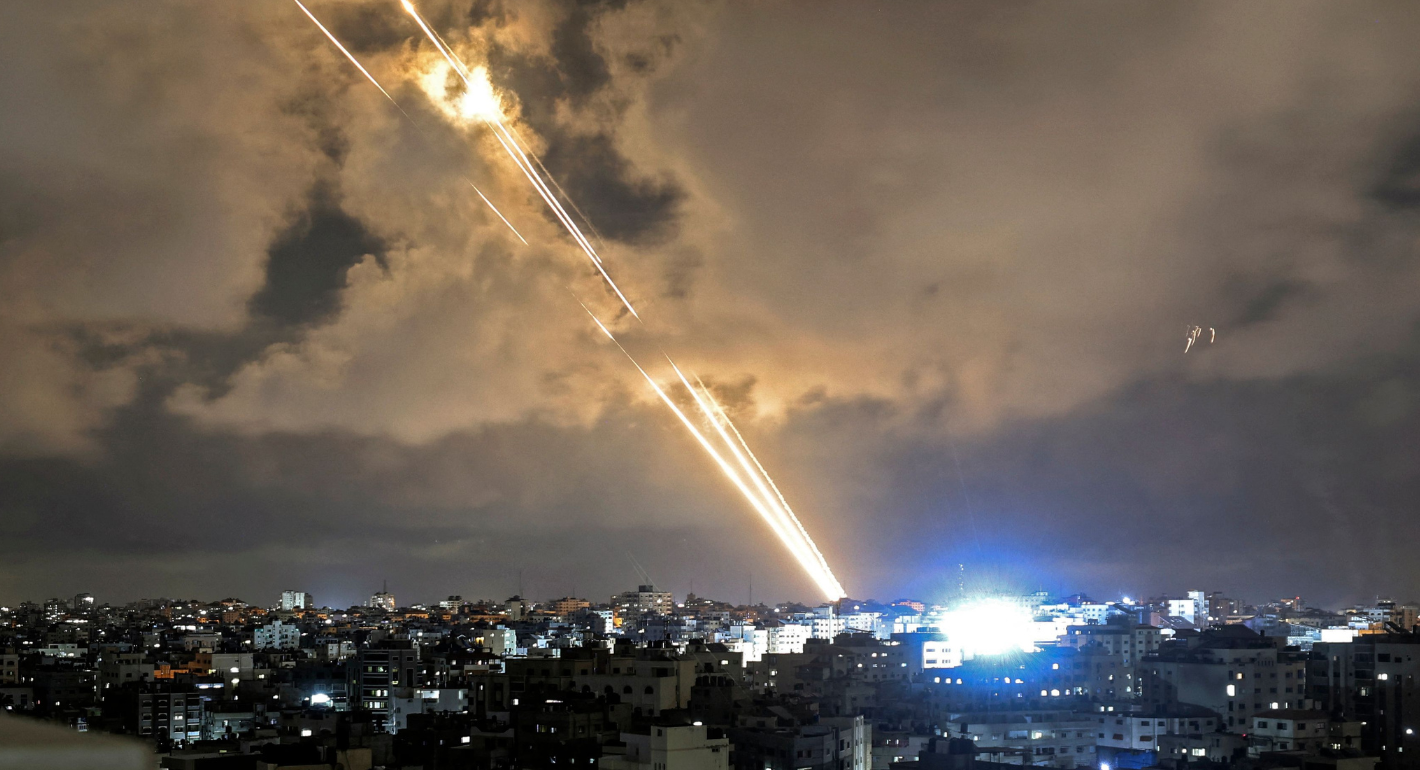
An Israeli response to Iran’s October 1 attack is imminent. The key question is of its intensity and potential fallout, both within Iran, in terms of nuclear security policy changes, and across the broader region. The coming days are likely to reshape West Asia irreversibly.
Gaddam Dharmendra
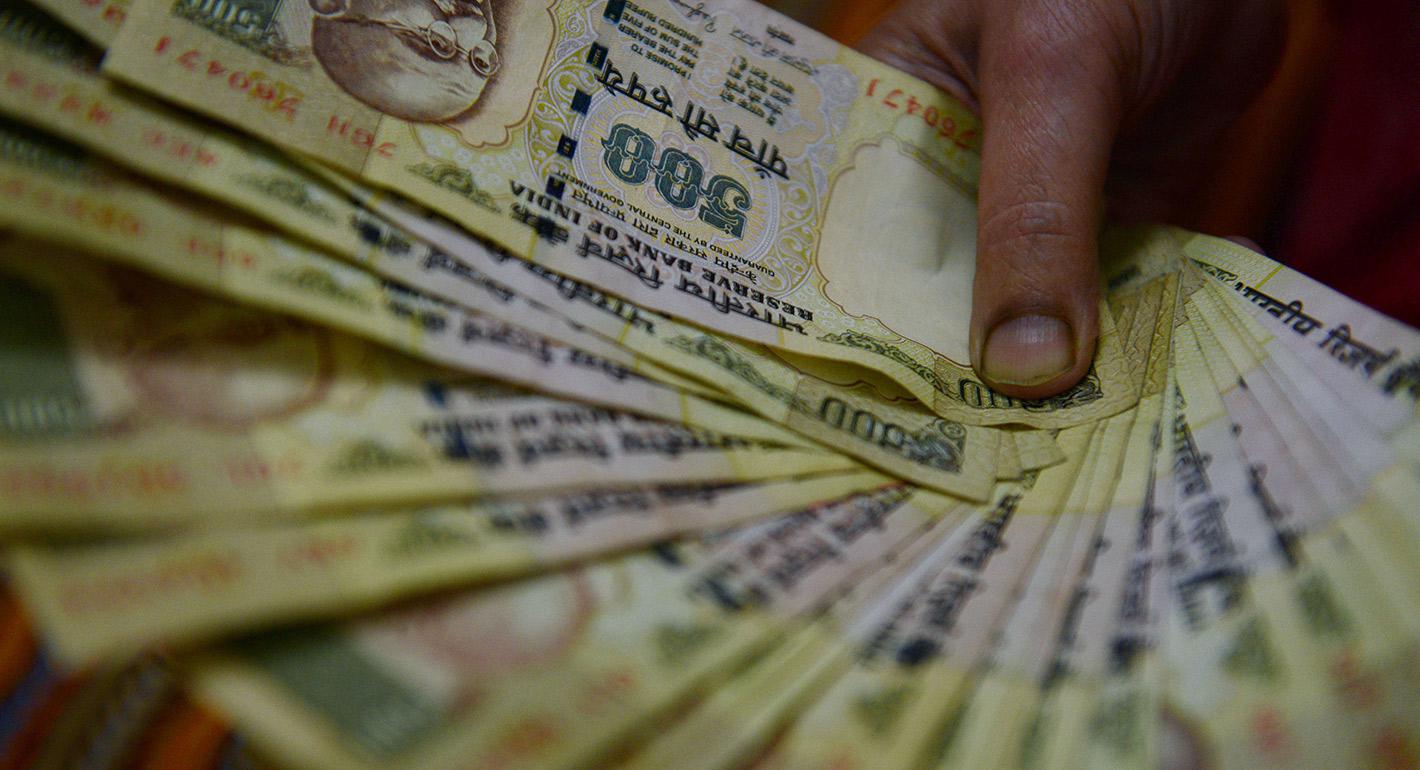
As India’s economy recovers from the coronavirus pandemic, Indian businesses need efficient financial structures to regain their ground. Key reforms to India’s Insolvency and Bankruptcy Code could fill these gaps.

Anirudh Burman

Access to cross-border data is an integral piece of the law enforcement puzzle. India is well placed to lead the discussions on international data agreements subject to undertaking necessary surveillance reforms.

Smriti Parsheera, Prateek Jha
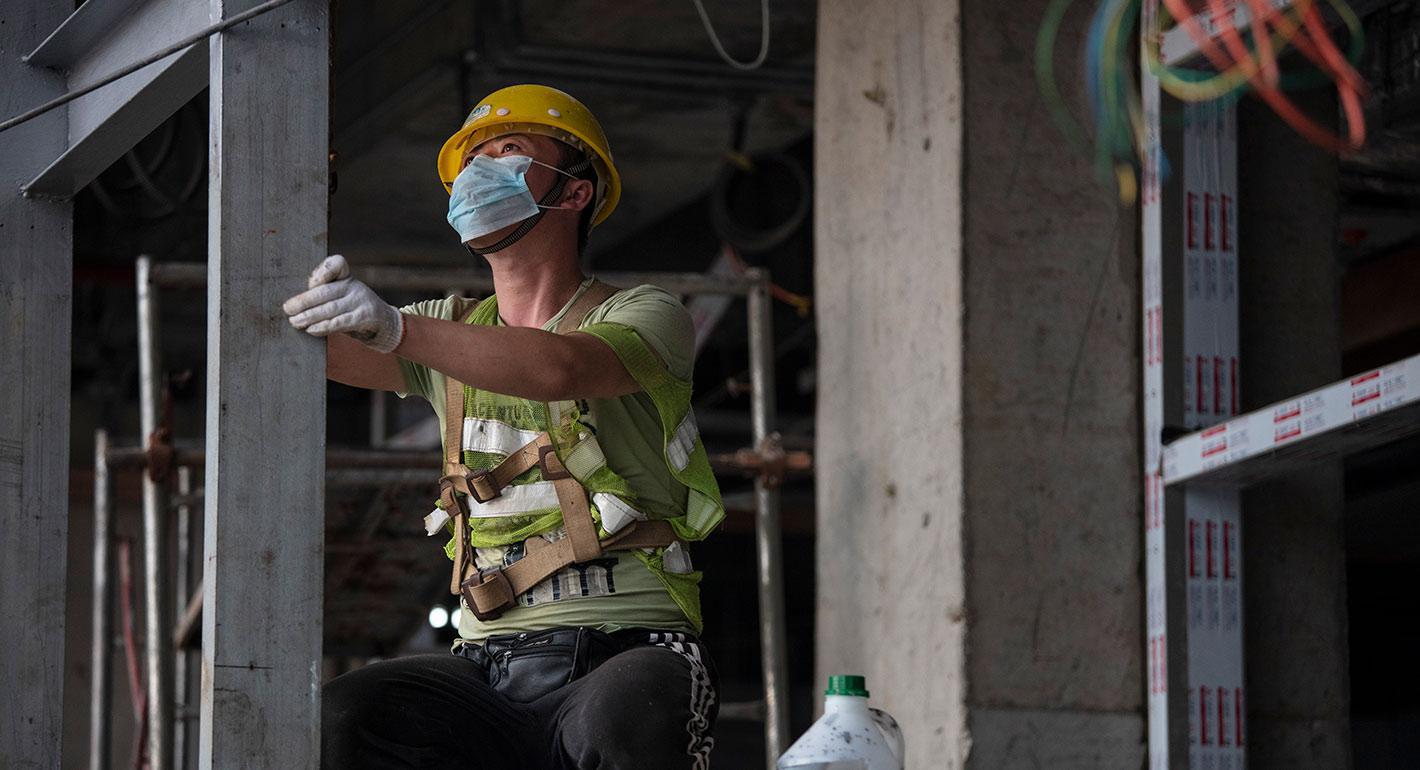
After the coronavirus pandemic wanes, how will China’s reorientation of the Belt and Road Initiative to address global health concerns influence its relationships with South Asian countries?
Deep Pal, Rahul Bhatia
Early in the outbreak, government researchers forecast several high-risk scenarios that were downplayed or ignored in public messaging.
Gautam I. Menon