

• Research
  • About
  • Experts
Carnegie India logoCarnegie lettermark logo
{
  "authors": [
    "Yezid Sayigh",
    "Eleonora Ardemagni"
  ],
  "type": "other",
  "centerAffiliationAll": "dc",
  "centers": [
    "Carnegie Endowment for International Peace",
    "Malcolm H. Kerr Carnegie Middle East Center"
  ],
  "collections": [
    "Civil-Military Relations in Arab States"
  ],
  "englishNewsletterAll": "menaTransitions",
  "nonEnglishNewsletterAll": "",
  "primaryCenter": "Malcolm H. Kerr Carnegie Middle East Center",
  "programAffiliation": "MEP",
  "programs": [
    "Middle East"
  ],
  "projects": [],
  "regions": [
    "Gulf",
    "Levant",
    "Yemen",
    "Lebanon",
    "Syria",
    "Iraq",
    "Middle East"
  ],
  "topics": [
    "Political Reform",
    "Security"
  ]
}

Source: Getty

Other
Malcolm H. Kerr Carnegie Middle East Center

Hybridizing Security: Armies and Militias in Fractured Arab States

The hybridization of security governance in Lebanon, Syria, Iraq and Yemen leaves them with forms of sovereignty that are both constrained and constantly contested.

Link Copied
By Yezid Sayigh and Eleonora Ardemagni
Published on Oct 30, 2018

Source: Italian Institute for International Political Studies

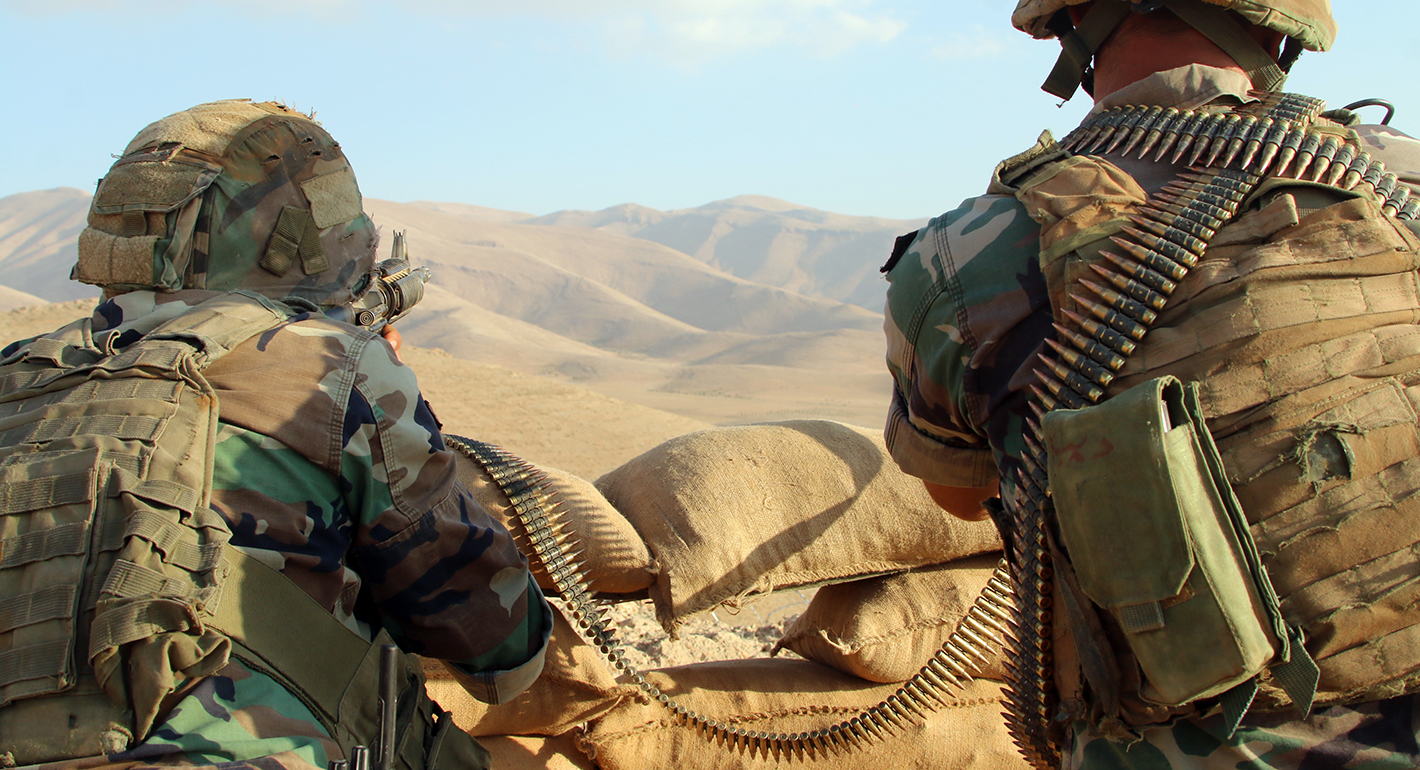
Defense and security sectors in the Arab states have been undergoing significant, and sometimes radical, transformation as a result of local rebellions and civil wars, state crisis and fracturing, and external intervention since the start of the 21st century. In Lebanon, Syria, Iraq and Yemen, unfamiliar and fluid coalitions of national armed forces (or their remnants) and armed non-state actors are increasingly engaged in complex patterns of de-confliction, coexistence, and cooperation embedded within a wider context of persistent competition among them and of geopolitical rivalry between an array of external backers. A joint effort of the Italian Institute for International Political Studies (ISPI) and the Program on Civil-Military Relations in Arab States (CMRAS) of the Carnegie Middle East Center, this dossier explores how the resulting hybridization of security governance in these countries leaves them with forms of sovereignty that are both constrained and constantly contested.

Hybridizing Security: Armies, Militias and Constrained Sovereignty, Yezid Sayigh, Carnegie Middle East Center

The Lebanese Armed Forces and Hezbollah: Military Dualism in Post-War Lebanon, Aram Nerguizian, Carnegie Middle East Center

Legacies of Survival: Syria's Uncomfortable Security Hybridity, Abdulla M. Erfan, Geneva Centre for Security Policy

The Osmotic Path: The PMU and The Iraqi State, Riccardo Redaelli, Catholic University of Milan

Patchwork Security: The New Face of Yemen’s Hybridity, Eleonora Ardemagni, ISPI

Armies, Militias and (Re)-Integration in Fractured States, Frederic Wehrey, Carnegie Endowment for International Peace

About the Authors

Yezid Sayigh

Senior Fellow, Malcolm H. Kerr Carnegie Middle East Center

Yezid Sayigh is a senior fellow at the Malcolm H. Kerr Carnegie Middle East Center in Beirut, where he leads the program on Civil-Military Relations in Arab States (CMRAS). His work focuses on the comparative political and economic roles of Arab armed forces, the impact of war on states and societies, the politics of postconflict reconstruction and security sector transformation in Arab transitions, and authoritarian resurgence.

Eleonora Ardemagni

Authors

Yezid Sayigh
Senior Fellow, Malcolm H. Kerr Carnegie Middle East Center
Yezid Sayigh
Eleonora Ardemagni
Political ReformSecurityGulfLevantYemenLebanonSyriaIraqMiddle East

Carnegie India does not take institutional positions on public policy issues; the views represented herein are those of the author(s) and do not necessarily reflect the views of Carnegie, its staff, or its trustees.

More Work from Carnegie India

  • Commentary
    The Impact of U.S. Sanctions and Tariffs on India’s Russian Oil Imports

    This piece examines India’s response to U.S. sanctions and tariffs, specifically assessing the immediate market consequences, such as alterations in import costs, and the broader strategic implications for India’s energy security and foreign policy orientation.

      Vrinda Sahai

  • Article
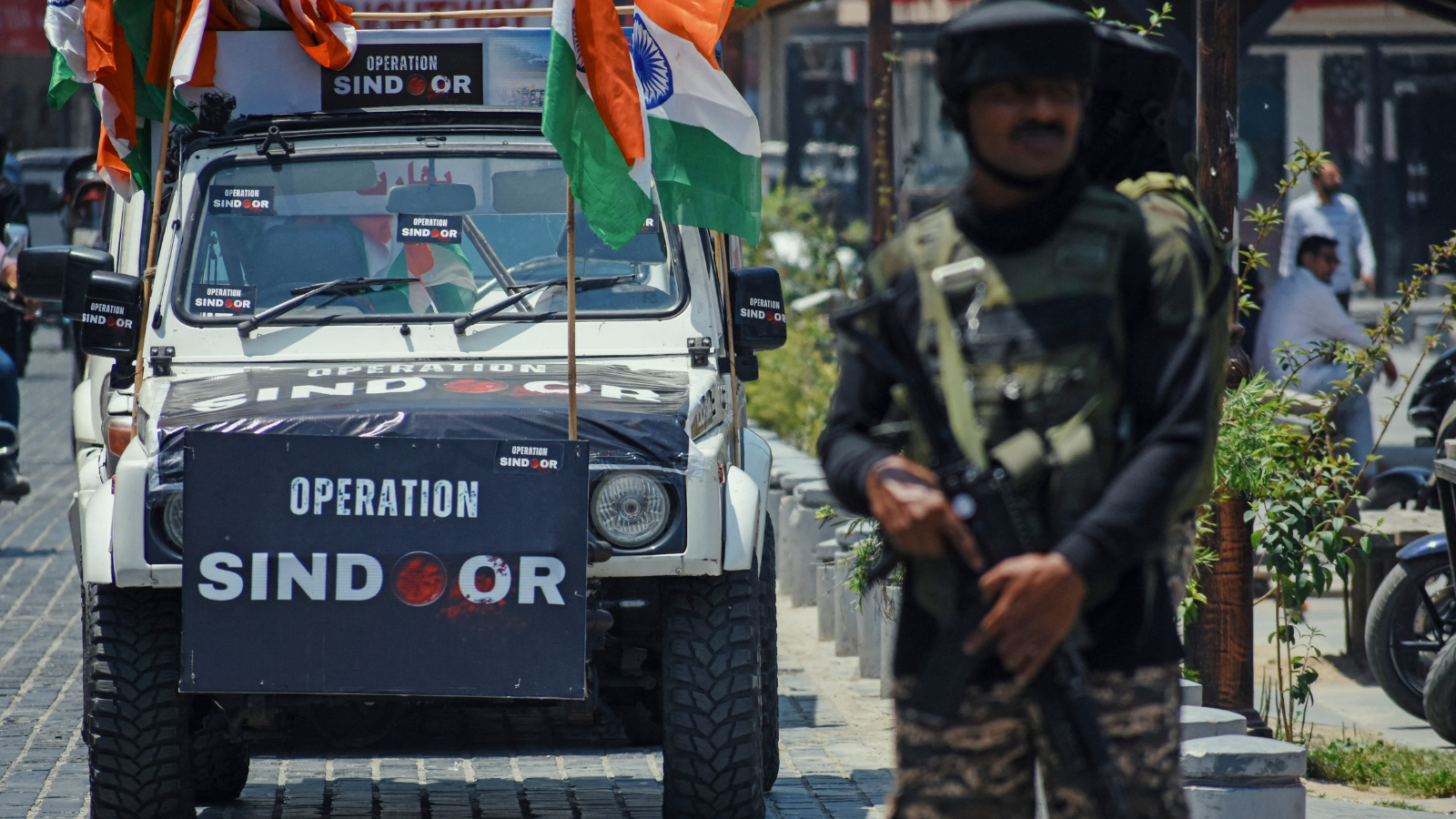
    Military Lessons from Operation Sindoor

    The India-Pakistan conflict that played out between May 6 and May 10, 2025, offers several military lessons. This article presents key takeaways from Operation Sindoor and breaks down how India’s preparations shaped the outcome and what more is needed to strengthen future readiness.

      Dinakar Peri

  • Book
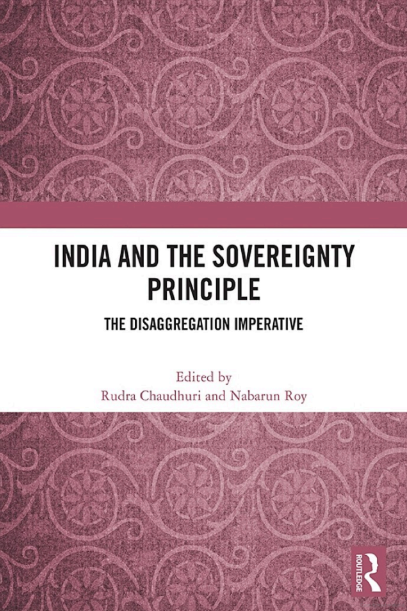
    India and the Sovereignty Principle: The Disaggregation Imperative

    This book offers a comprehensive analysis of India's evolving relationship with sovereignty in a complex global order. Moving beyond conventional narratives, it examines how the sovereignty principle shapes India's behavior across four critical domains—from traditional military power to contemporary data governance.

      Rudra Chaudhuri, Nabarun Roy

  • Article
    Hidden Tides: IUU Fishing and Regional Security Dynamics for India

    This article examines the scale and impact of Chinese IUU fishing operations globally and identifies the nature of the challenge posed by IUU fishing in the Indian Ocean Region (IOR). It also investigates why existing maritime law and international frameworks have struggled to address this growing threat.

      Ajay Kumar, Charukeshi Bhatt

  • Book
    Violence and Development Along the India-Pakistan Border in Jammu and Kashmir

    This book examines the impact of cross-border violence on communities living along the Line of Control and the International Border in Jammu and Kashmir, India.

      Deep Pal, Surya Valliappan Krishna, Saheb Singh Chadha

Get more news and analysis from
Carnegie India
Carnegie India logo, white
Unit C-4, 5, 6, EdenparkShaheed Jeet Singh MargNew Delhi – 110016, IndiaPhone: 011-40078687
  • Research
  • About
  • Experts
  • Projects
  • Events
  • Contact
  • Careers
  • Privacy
  • For Media
Get more news and analysis from
Carnegie India
© 2026 Carnegie Endowment for International Peace. All rights reserved.