• Research
  • About
  • Experts
Carnegie India logoCarnegie lettermark logo
{
  "authors": [
    "Dalia Ghanem",
    "Dina Arakji"
  ],
  "type": "other",
  "centerAffiliationAll": "dc",
  "centers": [
    "Carnegie Endowment for International Peace",
    "Malcolm H. Kerr Carnegie Middle East Center"
  ],
  "collections": [
    "Civil-Military Relations in Arab States"
  ],
  "englishNewsletterAll": "menaTransitions",
  "nonEnglishNewsletterAll": "",
  "primaryCenter": "Malcolm H. Kerr Carnegie Middle East Center",
  "programAffiliation": "MEP",
  "programs": [
    "Middle East"
  ],
  "projects": [],
  "regions": [
    "Middle East",
    "North Africa"
  ],
  "topics": [
    "Political Reform",
    "Security"
  ]
}

Source: Getty

Other
Malcolm H. Kerr Carnegie Middle East Center

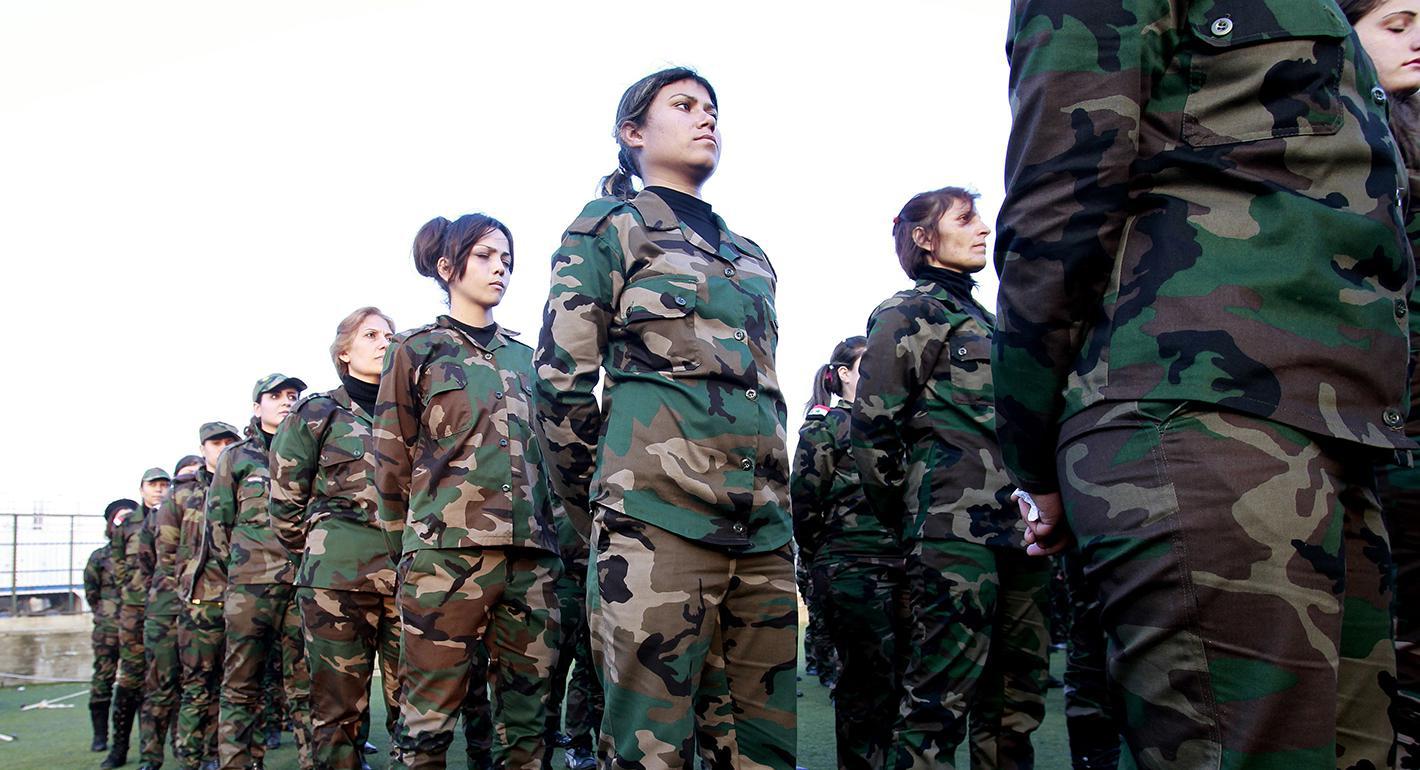
Women in the Arab Armed Forces

The integration of women in Arab armies has been inconsistent, slow, and socially and politically problematic. Nevertheless, this situation is gradually changing.

Link Copied
By Dalia Ghanem and Dina Arakji
Published on Apr 2, 2020

Source: Lebanese American University

For the last thirty years, women’s enrollment in Western armies has been intensely debated. The advocates of women’s integration in the military assert the equal right of women to serve alongside men, including in combat roles. Opponents argue that their very presence, as well as their alleged physical inferiority, undermines the esprit de corps and combat performance of what has historically been a male institution. In the midst of this debate, the number of women wearing the uniform of North Atlantic Treaty Organization (NATO) countries increased from 30,000 in 1961 to 288,000 in 2001. In 2018, women constituted 40 percent of NATO’s international staff, with 25 percent holding senior positions. As for the International Military Staff, women made up 16.8 percent of personnel.

By comparison, the integration of women in Arab armies has been inconsistent, slow, and socially and politically problematic. Nevertheless, this situation is gradually changing, and even a country with significant patriarchal norms and strict gender segregation, such as Saudi Arabia, has allowed for the recruitment of women in the military as border guards. The debate about how and where women should train and serve and to what extent they should be integrated persists. Nevertheless, efforts toward having more genderinclusive Middle East and North Africa (MENA) armies have to be acknowledged.

The integration of women in Arab armies has taken place at different levels and in various ways. As a result, it is difficult to draw up a precise and clear mapping among MENA countries. This study will give particular attention to the countries with longer histories of women in service, often dating back to wars of independence in the 1950s and 1960s. Furthermore, the country selection was limited to those for which information is available. Thus, this list is not exhaustive. The long-term goal of our team is to expand the primer to cover all MENA countries.

Read Full Text

This paper was originally published by The Arab Institute for Women at the Lebanese American University.

About the Authors

Dalia Ghanem

Former Senior Resident Scholar, Malcolm H. Kerr Carnegie Middle East Center

Dalia Ghanem was a senior resident scholar at the Malcolm H. Kerr Carnegie Middle East Center in Beirut, where her research focuses on Algeria’s political, economic, social, and security developments. Her research also examines political violence, radicalization, civil-military relationships, transborder dynamics, and gender.

Dina Arakji

Authors

Dalia Ghanem
Former Senior Resident Scholar, Malcolm H. Kerr Carnegie Middle East Center
Dalia Ghanem
Dina Arakji
Political ReformSecurityMiddle EastNorth Africa

Carnegie India does not take institutional positions on public policy issues; the views represented herein are those of the author(s) and do not necessarily reflect the views of Carnegie, its staff, or its trustees.

More Work from Carnegie India

  • Commentary
    The Impact of U.S. Sanctions and Tariffs on India’s Russian Oil Imports

    This piece examines India’s response to U.S. sanctions and tariffs, specifically assessing the immediate market consequences, such as alterations in import costs, and the broader strategic implications for India’s energy security and foreign policy orientation.

      Vrinda Sahai

  • Article
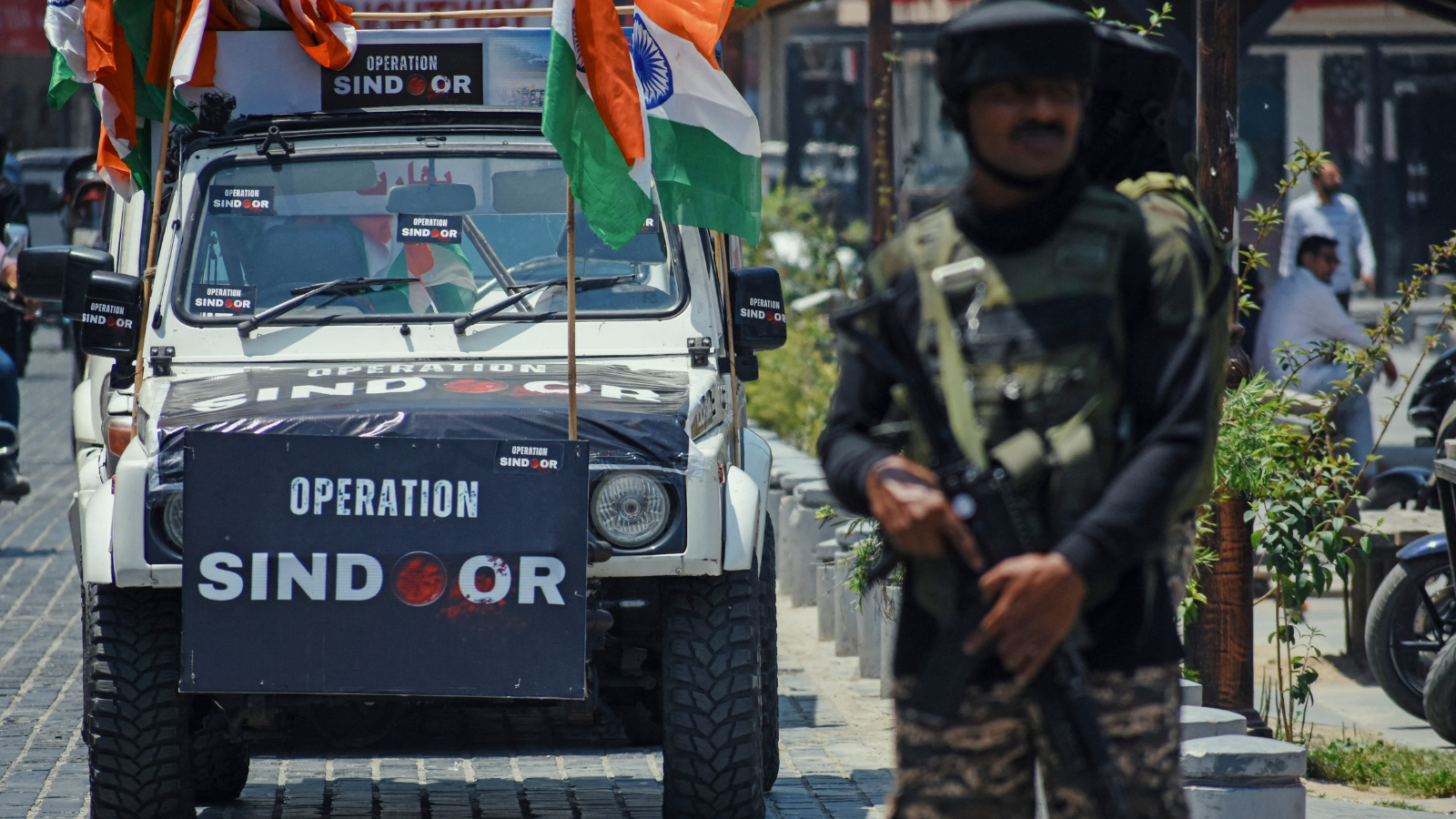
    Military Lessons from Operation Sindoor

    The India-Pakistan conflict that played out between May 6 and May 10, 2025, offers several military lessons. This article presents key takeaways from Operation Sindoor and breaks down how India’s preparations shaped the outcome and what more is needed to strengthen future readiness.

      Dinakar Peri

  • Book
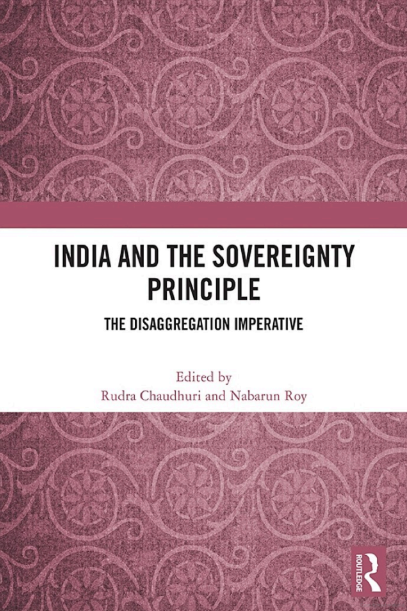
    India and the Sovereignty Principle: The Disaggregation Imperative

    This book offers a comprehensive analysis of India's evolving relationship with sovereignty in a complex global order. Moving beyond conventional narratives, it examines how the sovereignty principle shapes India's behavior across four critical domains—from traditional military power to contemporary data governance.

      Rudra Chaudhuri, Nabarun Roy

  • Article
    Hidden Tides: IUU Fishing and Regional Security Dynamics for India

    This article examines the scale and impact of Chinese IUU fishing operations globally and identifies the nature of the challenge posed by IUU fishing in the Indian Ocean Region (IOR). It also investigates why existing maritime law and international frameworks have struggled to address this growing threat.

      Ajay Kumar, Charukeshi Bhatt

  • Book
    Violence and Development Along the India-Pakistan Border in Jammu and Kashmir

    This book examines the impact of cross-border violence on communities living along the Line of Control and the International Border in Jammu and Kashmir, India.

      Deep Pal, Surya Valliappan Krishna, Saheb Singh Chadha

Get more news and analysis from
Carnegie India
Carnegie India logo, white
Unit C-4, 5, 6, EdenparkShaheed Jeet Singh MargNew Delhi – 110016, IndiaPhone: 011-40078687
  • Research
  • About
  • Experts
  • Projects
  • Events
  • Contact
  • Careers
  • Privacy
  • For Media
Get more news and analysis from
Carnegie India
© 2026 Carnegie Endowment for International Peace. All rights reserved.