

Q&A
Dara Massicot, Aaron David Miller, Andrew S. Weiss
{
  "authors": [
    "Aaron David Miller"
  ],
  "type": "legacyinthemedia",
  "centerAffiliationAll": "",
  "centers": [
    "Carnegie Endowment for International Peace",
    "Malcolm H. Kerr Carnegie Middle East Center"
  ],
  "collections": [],
  "englishNewsletterAll": "",
  "nonEnglishNewsletterAll": "",
  "primaryCenter": "Carnegie Endowment for International Peace",
  "programAffiliation": "",
  "programs": [],
  "projects": [],
  "regions": [
    "Middle East",
    "Israel",
    "Palestine",
    "Levant"
  ],
  "topics": [
    "Political Reform",
    "Security"
  ]
}
Source: Getty
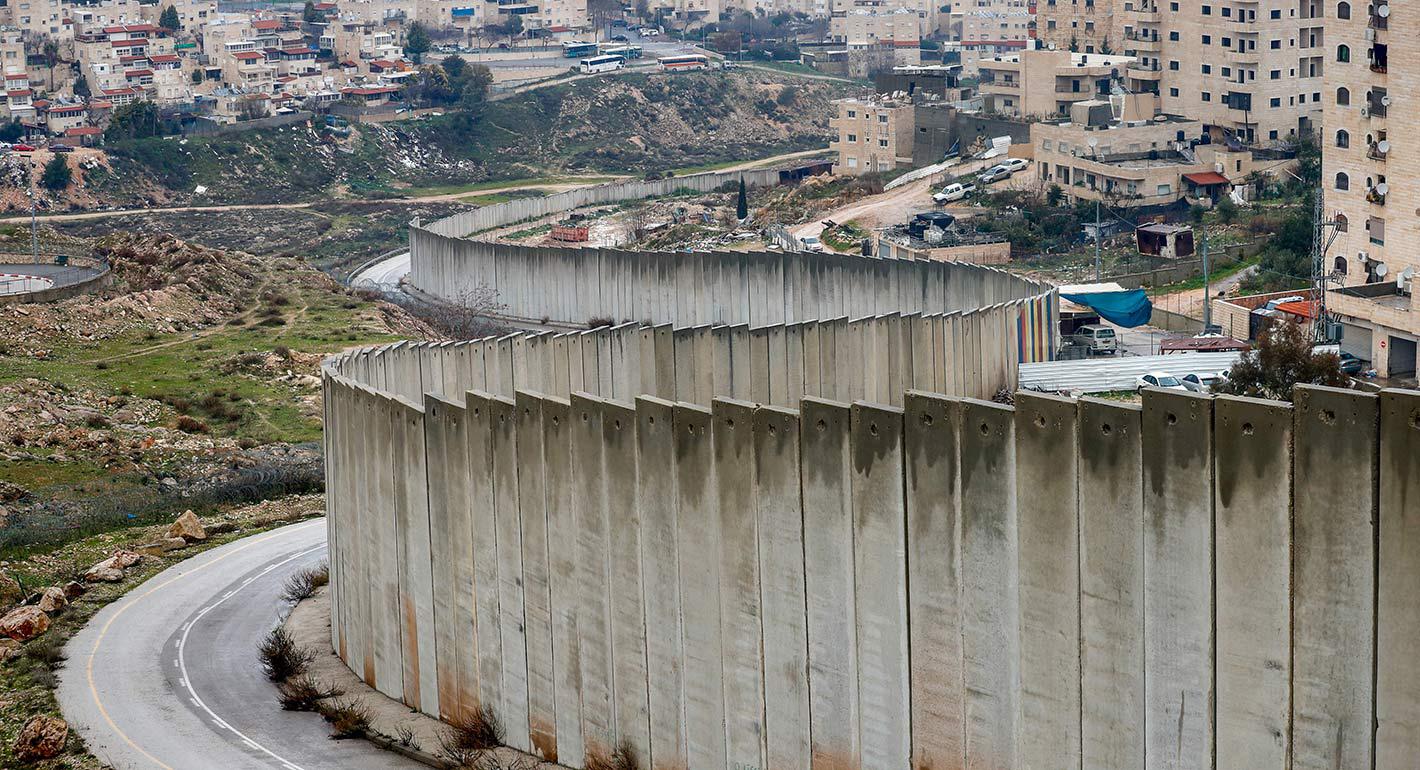
Applying Israeli law to much of the West Bank would mean the irreversible end of the Palestinian statehood project, making Netanyahu the prime minister who not only buried the two-state solution but annexed choice West Bank real estate.
Source: Foreign Affairs
Israel could soon begin the process of annexing some of the West Bank. Prime Minister Benjamin Netanyahu’s pledge to unilaterally apply Israeli law to portions of the territory—virtually guaranteeing their the permanent retention by Israel—looms alongside an even larger elephant in the room: Netanyahu is well on his way to ensuring that a real Palestinian state based on June 1967 borders with a capital in East Jerusalem goes the way of the dodo. Regardless of what happens with annexation, that will be his legacy—and it will likely be an irreversible one.
Leaders inside and outside the Middle East are now practically begging Netanyahu to show restraint. In recent weeks, the debate in Israel has shifted from whether to annex to how much to annex, underscoring the extent to which the game is being played on his terms. The Israeli prime minister faces trial for bribery, fraud, and breach of trust; a challenge from unruly right-wing coalition partners; a resurgence of COVID-19; an economic recession; and the perpetual problem of Iran. But if staying in power and permanently closing the door on the creation of a real Palestinian state are his immediate goals, he is winning, with a good deal of wind at his back.

Senior Fellow, American Statecraft Program
Aaron David Miller is a senior fellow at the Carnegie Endowment for International Peace, focusing on U.S. foreign policy.
Recent Work


Dara Massicot, Aaron David Miller, Andrew S. Weiss



Sophia Besch, Eric Ciaramella, Steve Feldstein, …
Carnegie India does not take institutional positions on public policy issues; the views represented herein are those of the author(s) and do not necessarily reflect the views of Carnegie, its staff, or its trustees.

In any defense establishment, change is an ongoing process. However, despite the best of intentions, existing bureaucracies, bound by habit and years of socialization, have their limits in implementing transformative change.

Anit Mukherjee

After the chill in ties between 2020 and 2024 that brought India–China relations to their lowest point in several decades, the two countries have engaged each other afresh. This paper argues that there are predominantly four imperatives guiding India’s approach to China, and they exist in an order of priority.

Saheb Singh Chadha

This piece argues that the present Indian strategy, based on opportunistic diversification and utilization of limited strategic reserves, remains inadequate when confronting supply disruptions. It evaluates India’s options in the short, medium, and long terms.

Vrinda Sahai

This piece examines India’s response to U.S. sanctions and tariffs, specifically assessing the immediate market consequences, such as alterations in import costs, and the broader strategic implications for India’s energy security and foreign policy orientation.
Vrinda Sahai

The India-Pakistan conflict that played out between May 6 and May 10, 2025, offers several military lessons. This article presents key takeaways from Operation Sindoor and breaks down how India’s preparations shaped the outcome and what more is needed to strengthen future readiness.

Dinakar Peri