

Report
- +2
George Perkovich, Jessica Tuchman Mathews, Joseph Cirincione, …

REQUIRED IMAGE
The Nunn-Lugar program is a tool, a means to an end. Nunn-Lugar has prospered when U.S. policy towards Russia has been guided by a firm hand and a logical policy prescription. Nunn-Lugar cannot take the place of effective and coherent policy; in fact, it cannot operate without effective policy guidance.
Source: Carnegie
Senator Richard Lugar (R-Ind) says it is vital to maintain and strengthen cooperative threat reductions programs with Russia even as the U.S. moves away from negotiated nuclear reduction treaties. Missile defense, he argues, is important, but it provides only "the fourth line" of defense behind active measures to reduce and prevent threats. Below are excerpts from his June 18 keynote speech at the Carnegie International Non-Proliferation Conference.
The Nunn-Lugar program is a tool, a means to an end. Nunn-Lugar has prospered when U.S. policy towards Russia has been guided by a firm hand and a logical policy prescription. Nunn-Lugar cannot take the place of effective and coherent policy; in fact, it cannot operate without effective policy guidance.
President Bush explained he is "committed to achieving a credible deterrent with the lowest possible number of nuclear weapons consistent with our national security needs..." His goal is to move quickly to reduce nuclear forces. As a means of accomplishing these goals, the Administration has indicated a willingness to explore a unilateral but parallel method of reductions as opposed to seeking to expand the more traditional bilateral arms control process.
I am convinced that Nunn-Lugar and other nonproliferation programs can play a critical role in overcoming the inherent limitations of a unilateral but parallel approach to offensive force reductions. Let us not forget, Russians will face many of the same challenges under a unilateral but parallel process as they do under current treaty frameworks. They cannot afford to dismantle their weapons systems. Currently, Nunn-Lugar is the means by which this task is accomplished. Absent an unexpected economic revival in Russia, the need for dismantlement assistance will continue. But Nunn-Lugar could also prove useful in providing verification in a unilateral but parallel arms reduction process.
Through the Nunn-Lugar program, the United States could maintain a window of observation into Russian dismantlement, as well as serve as a venue to provide Russia with an understanding and view of American reductions. It would not be capable of completely replacing a treaty verification regime, but it would be a tremendously valuable tool. In addition to the utilization of national technical means, Pentagon contract inspection and acceptance visits, as well as audit and examination visits could provide effective verification tools.
Anyone who has witnessed the contractual negotiating process involved in undertaking and implementing a Nunn-Lugar project as well as the role of American firms in managing such projects on site and the auditing practices to ensure proper utilization of U.S. funds, can attest that the inspection and verification procedures associated with the program are every bit as stringent and intrusive as similar measures under an arms control regime.
Defense in Depth
There are four main lines of defense against weapons of mass destruction and ballistic missile threats. Individually, each is insufficient; together, they help to form the policy fabric of an integrated "defense in depth".
The first is prevention and entails activities at the source such as the Nunn-Lugar/Cooperative Threat Reduction program – a program that has deactivated over 5,500 nuclear warheads and engaged efforts to stop the spread of weapons of mass destruction and associated knowledge.
The second is deterrence and interdiction and involves efforts to stem the flow of illicit trade in these weapons and materials at foreign and domestic borders.
The third line of defense is crisis and consequence management and involves greater efforts at domestic preparedness such as the Nunn-Lugar-Domenici program which has supplied more than 100 American cities with the training to deal with the consequences, should such threats turn into hostile acts.
The fourth line of defense must include limited missile defenses against the growing ballistic missile capabilities of so-called rogue states.
Together, all four lines help form the policy fabric of an integrated "defense in depth". As my partner, Sam Nunn noted recently: "A limited missile defense has a place in a comprehensive, integrated plan of nuclear defense, but it should be seen for what it is - a last line of defense. Our first line of defense is diplomacy, intelligence and cooperation among nations, including Russia."
The U.S. and Russia have a difficult road ahead, one that will require compromise and sacrifice. The last ten years have shown that nothing is impossible. Let us approach the continued reductions of offensive arsenals with creativity and a willingness to cooperate, even as we search for areas of agreement on missile defenses. We have a window of opportunity to reduce the threat of former Soviet weapons of mass destruction left over from the Cold War. The fundamental question is whether there exists sufficient political will in Moscow and Washington to devote requisite resources and leadership to these efforts. Statesmanship and patience will be required over many years.

Former Senior Associate, Director for NonProliferation
Recent Work


George Perkovich, Jessica Tuchman Mathews, Joseph Cirincione, …
Joseph Cirincione
Carnegie India does not take institutional positions on public policy issues; the views represented herein are those of the author(s) and do not necessarily reflect the views of Carnegie, its staff, or its trustees.

In any defense establishment, change is an ongoing process. However, despite the best of intentions, existing bureaucracies, bound by habit and years of socialization, have their limits in implementing transformative change.

Anit Mukherjee

How is AI reshaping space security, creating governance challenges, and where does international diplomacy stand today?


Tejas Bharadwaj, Almudena Azcárate Ortega

This piece argues that India’s central challenge is not managing a single flashpoint but resolving the underlying tension between expansion and institutional coherency of the BRICS grouping.

Vrinda Sahai

The U.S.–India semiconductor cooperation story is well-stocked with top-level strategic intent. What remains unresolved, however, are some underlying challenges that will determine whether the cooperation actually functions. Three such friction points stand out.

Shruti Mittal
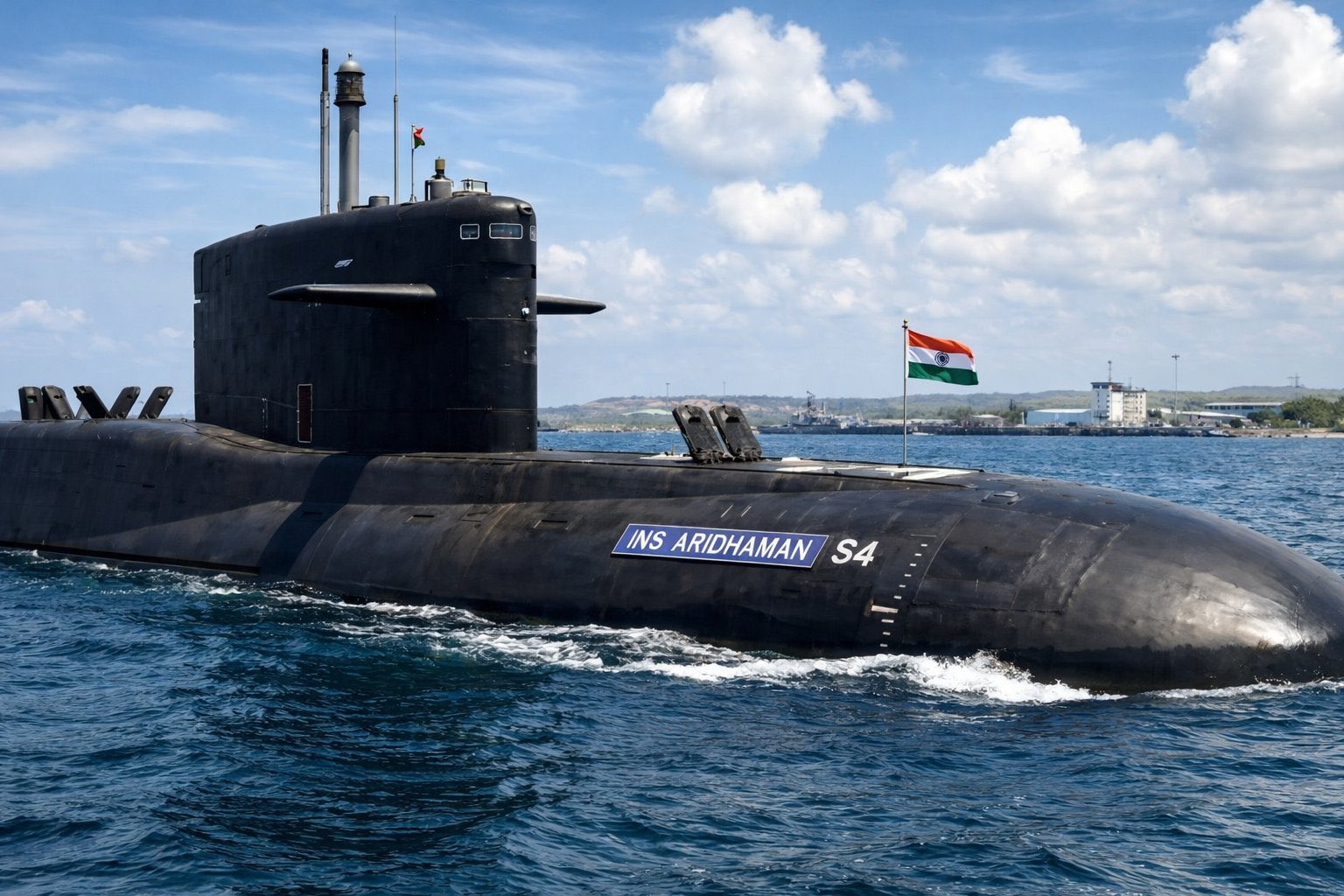
The induction of INS Aridhaman, which features several technological enhancements, now gives India the third nuclear ballistic missile submarine to ensure continuous at-sea deterrent.

Dinakar Peri