

Report
- +2
George Perkovich, Jessica Tuchman Mathews, Joseph Cirincione, …

REQUIRED IMAGE
The 2005 Non-Proliferation Treaty Review Conference was a disaster. It was a major missed opportunity for the United States to advance either the agenda of the Bush administration or the broader agenda against the spread of nuclear weapons. It was demoralizing for almost all of the top nonproliferation officials from around the world who had gathered for this unique conclave. (Read More)
The analysis below is adapted from a longer interview with Joseph Cirincione by Bernard Gwertzman for the Council on Foreign Relations. The entire interview, including discussion of negotiations with North Korea and Iran, is available at the Council web site, www.cfr.org.
The 2005 Non-Proliferation Treaty Review Conference was a disaster. It was a major missed opportunity for the United States to advance either the agenda of the Bush administration or the broader agenda against the spread of nuclear weapons. It was demoralizing for almost all of the top nonproliferation officials from around the world who had gathered for this unique conclave.
The conference did little to improve the image of the United States with many of the countries around the world and set it back in some instances. Specifically, the United States went into the conference with two agenda items. One, to defend the United States against any new calls to speed up its nuclear disarmament, and, two, to try to focus attention on the failure of Iran and North Korea to comply with their treaty obligations. The first objective trumped the second.
While many of the countries shared the U.S. concerns over Iran and North Korea, they had an equal concern that the nuclear-weapons states were not moving to eliminate their nuclear weapons and thus making it much more difficult to convince other countries not to try to get such weapons for themselves. The United States did succeed in blocking any substantive discussion of the disarmament issues, but in so doing it ruined any substantive advances in the nonproliferation agenda. In some ways, the United States was in an unholy alliance with Iran, which was busy at its end of the conference stopping any substantive discussion of the Iranian nuclear program.
These two countries, with the help of Egypt, whose performance at this conference was inexplicably counterproductive, succeeded in putting a lot of sticks in the spokes of the conference wheel. It never really got going. As a result, we have missed this once-every-five-year opportunity to not only reaffirm the importance of a nonproliferation regime, but adapt it and advance it to the current crises we face.
One example illustrates the self-defeating U.S. performance. The United States had several solid proposals that it presented at the NPT conference--as did other countries. In particular, the United States presented a comprehensive proposal on how to make it much more difficult for countries to withdraw from the treaty. The proposal could not get any traction, however, because the United States was blocking discussion of the agenda items of key concern to other nations. These nations included most of our close allies, such as Australia and Canada, as well as Great Britain and France--the two nuclear nations closest to the United States. They were all willing to commit to mutual steps on the part of the nuclear-weapon states to accelerate their disarmament and on the part of the other states to toughen up compliance with the nonproliferation regime. Because the United States was not willing to compromise at all, because it went in with a basic attitude of "You're either with us or against us,'' because it felt that in the end it was better for the conference to crash and burn than for the United States to honor its disarmament obligations, none of the U.S. agenda was able to advance. The conference ended up as almost a completely wasted 30 days in New York.

Former Senior Associate, Director for NonProliferation
Recent Work


George Perkovich, Jessica Tuchman Mathews, Joseph Cirincione, …
Joseph Cirincione
Carnegie India does not take institutional positions on public policy issues; the views represented herein are those of the author(s) and do not necessarily reflect the views of Carnegie, its staff, or its trustees.

How is AI reshaping space security, creating governance challenges, and where does international diplomacy stand today?


Tejas Bharadwaj, Almudena Azcárate Ortega

This piece argues that India’s central challenge is not managing a single flashpoint but resolving the underlying tension between expansion and institutional coherency of the BRICS grouping.

Vrinda Sahai

The U.S.–India semiconductor cooperation story is well-stocked with top-level strategic intent. What remains unresolved, however, are some underlying challenges that will determine whether the cooperation actually functions. Three such friction points stand out.

Shruti Mittal
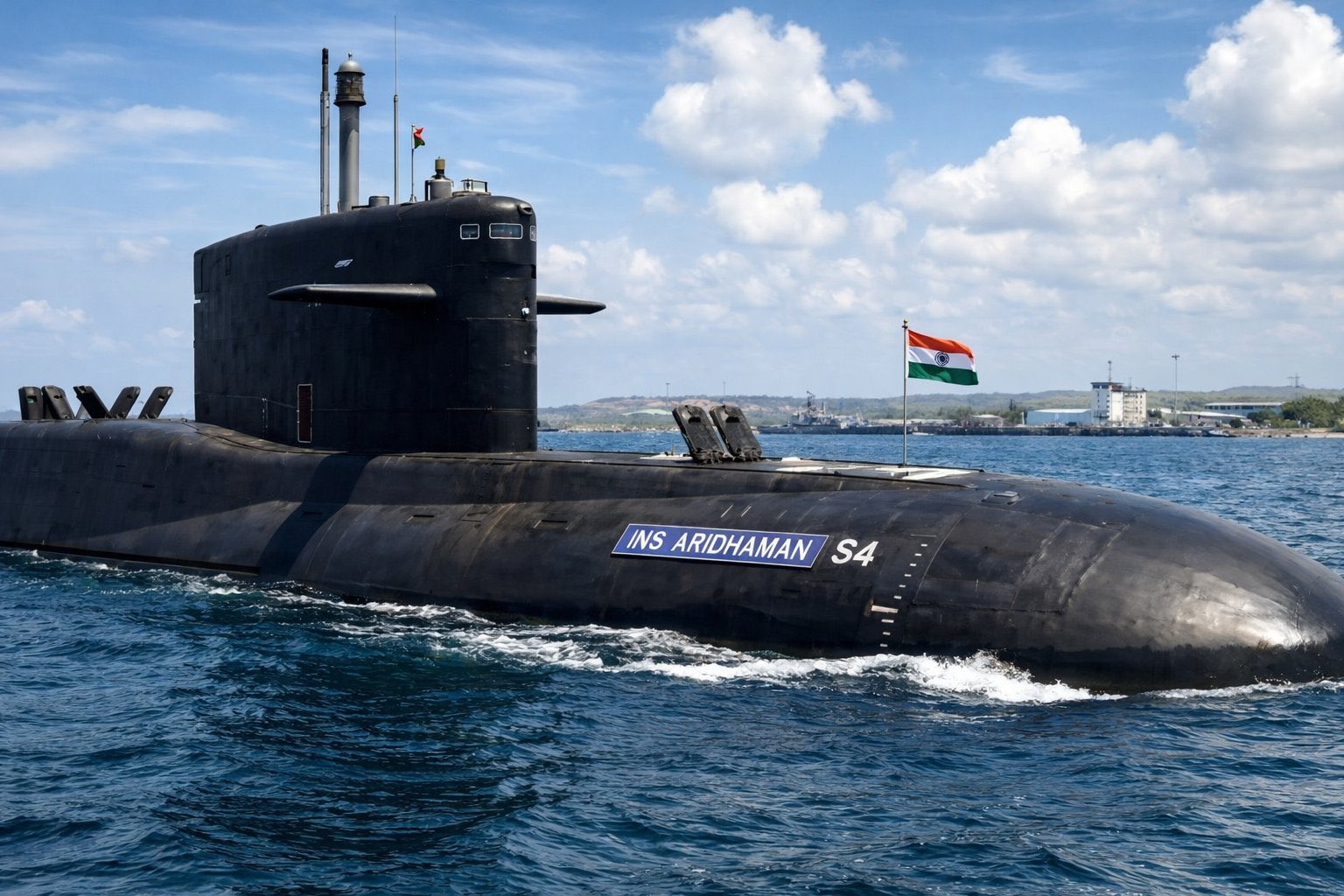
The induction of INS Aridhaman, which features several technological enhancements, now gives India the third nuclear ballistic missile submarine to ensure continuous at-sea deterrent.

Dinakar Peri
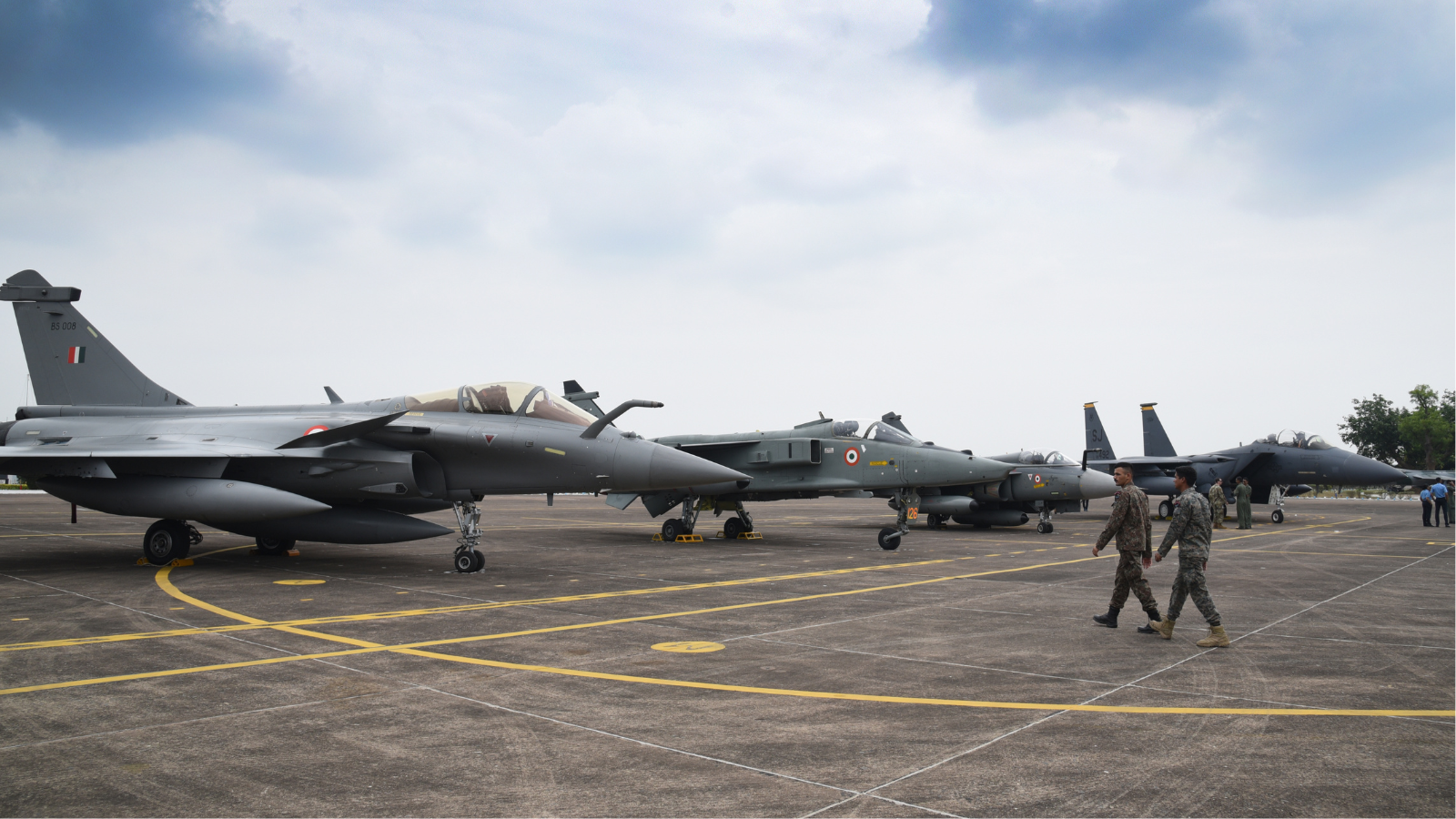
India and the United States are close to concluding a Reciprocal Defense Procurement Agreement (RDPA) that will allow firms from the two countries to sell to each other’s defense establishments more easily. While this may not remedy the specific grievances both sides may have regarding larger bilateral issues, an RDPA could restore some momentum, following the trade deal announcement.

Konark Bhandari